

 プレビュー
プレビュー
 シェアする
シェアする シェアする
シェアする
 詳細を見る
詳細を見る

 ダウンロード
 似ている作品
 X線調査
X線調査 スライドショー
 統計情報
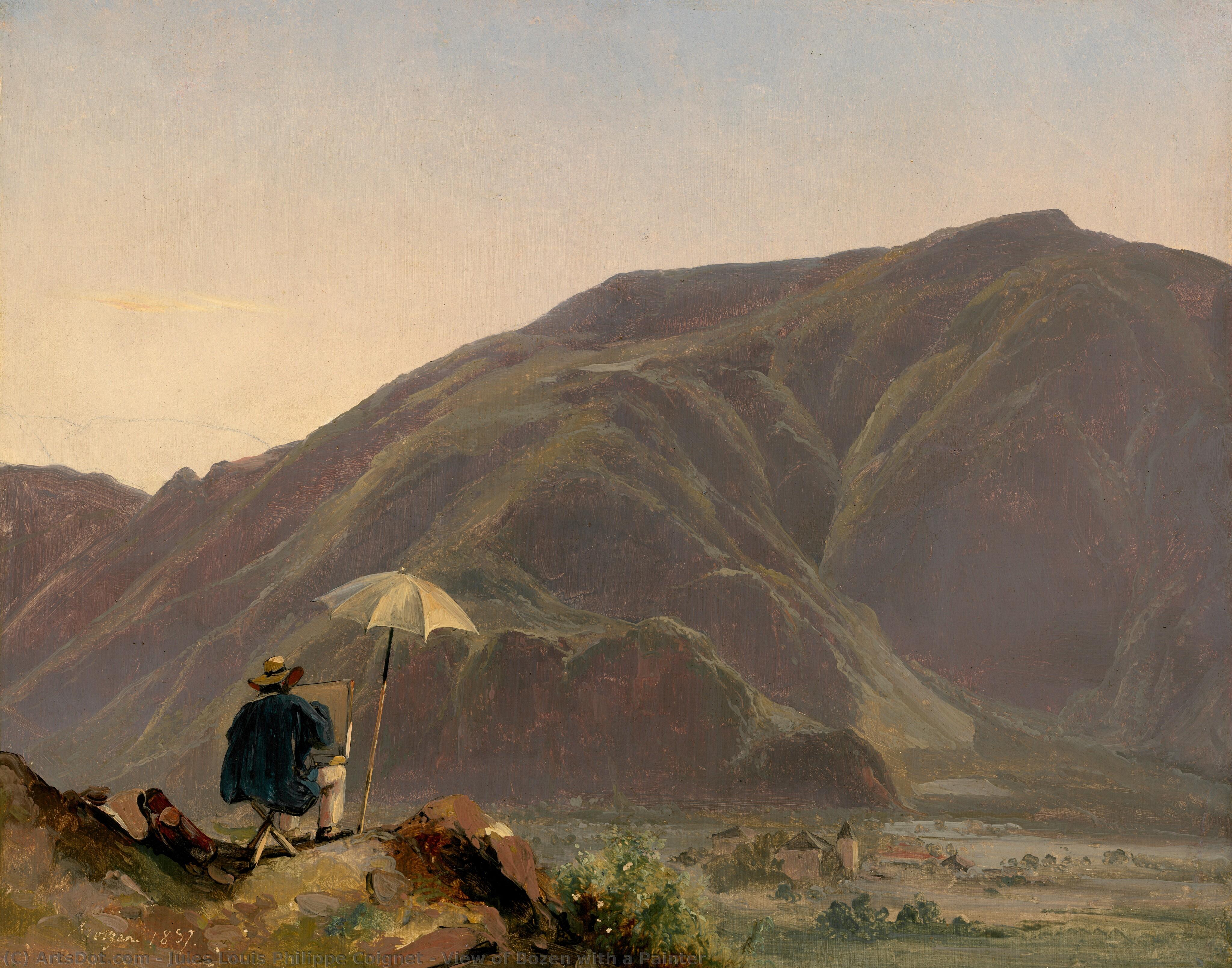
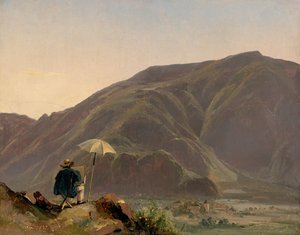
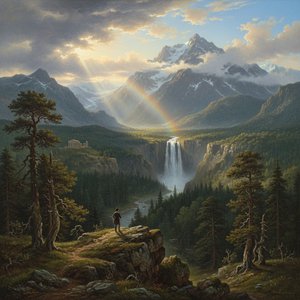
統計情報View of Bozen with a Painter
 Barbizon School
 1837
1837 44.0 x 51.0 cm
 詳細を見る
詳細を見る
ジークレー/アートプリント
迅速な制作と多彩な仕上げオプションを備えた、ミュージアムクオリティのジークレーまたはキャンバスプリント。 ( 手描きの絵画を購入 デジタル画像販売へ切り替え)




































作品のオリジナル比率に合わせた、当店の規定サイズからお選びください。

特定のフレームやスペースに合わせて、ご自身でサイズを指定することも可能です。選択されたサイズが元の画像の比率と一致しない場合、作品をトリミングするか、鏡面反射または単色での塗りつぶしによって画像を拡張いたします。制作を開始する前に、ご確認用のデジタルモックアップをお送りいたします。
画面上のプレビューには、実際のトリミングや拡張は反映されませんのでご注意ください。最終的な構図を正確に確認できるのは、モックアップのみとなります。
カスタムサイズも承っておりますが、元の比率を維持するためには、あらかじめ用意されたリストからサイズを選択することをお勧めいたします。


 ガラスオプションは、110cm未満のサイズでのみご利用いただけます。

View of Bozen with a Painter
ジークレー/アートプリント
複製画のサイズ
-


合計金額
$ 62
関連作品
アーティストの略歴
Jules Coignet: Bridging Realism and Impressionism in the French Landscape
Jules Louis Philippe Coignet, a name perhaps less familiar than his contemporaries Corot or Millet, nevertheless occupies a significant, if often overlooked, position within 19th-century French landscape painting. Born in Paris in 1798 and passing away there in 1860, Coignet’s career spanned a pivotal period of artistic transition, marked by the shift from academic realism to the burgeoning possibilities of plein air painting and nascent Impressionism. He wasn't merely a recorder of scenery; he was an artist deeply attuned to light, atmosphere, and the subtle poetry of nature, qualities that earned him recognition at the prestigious Paris Salon and ultimately cemented his legacy as a bridge between established tradition and a more modern sensibility.
Coignet’s early artistic training laid the groundwork for his distinctive style. He began his studies under Jean-Victor Bertin, a prominent Neoclassical landscape painter known for his meticulously detailed depictions of historical scenes. However, Coignet quickly moved beyond this formal approach, embracing a more direct and observational method. This shift became particularly evident in his Salon submissions, which largely eschewed mythological or historical subjects in favor of topographical views – intimate studies of landscapes captured directly from nature. This decision to prioritize observation over idealized representation was revolutionary for the time, aligning him with the emerging trend of *plein air* painting, a practice championed by artists like Constable and later embraced wholeheartedly by Impressionists.
The influence of John Constable’s work in 1824 proved particularly transformative. Constable's emphasis on capturing fleeting moments of light and atmosphere—his loose brushwork and willingness to paint directly from nature—resonated deeply with Coignet, prompting him to begin his own outdoor excursions into the Fontainebleau Forest. He wasn’t simply sketching; he was actively seeking to translate the sensory experience of a landscape onto canvas – the warmth of sunlight on foliage, the shifting patterns of shadow, the subtle gradations of color. This commitment to direct observation is vividly illustrated in works like “The Ruins of the Temple of Paestum,” now housed in Munich’s Neue Pinakothek, where the interplay of light and ruin evokes a powerful sense of melancholy and timelessness.
A Pioneer of *Plein Air* Painting
Coignet's embrace of *plein air* painting wasn’t merely a stylistic choice; it represented a fundamental shift in artistic practice. Prior to the advent of portable paint tubes in the 1840s, artists were largely confined to working within the studio, relying on prepared pigments and meticulous layering techniques. Coignet’s willingness to venture outdoors, battling inclement weather and capturing his impressions directly onto canvas, signaled a radical departure from this established model. He actively encouraged his students to follow suit, fostering a generation of landscape painters who prioritized direct experience and spontaneous expression.
His dedication extended beyond simple observation; Coignet was fascinated by the interplay between man and nature. He produced a remarkable series of “tree portraits”—intimate studies of individual trees, often accompanied by symbolic elements such as dolmens or meditating monks. These works, exemplified by the ancient oak in Quimper Museum and the dramatic "Oak tree and reeds" at Château-Thierry, demonstrate Coignet’s ability to imbue inanimate objects with a sense of life and narrative. The inclusion of these humanistic details suggests a deeper engagement with themes of spirituality, contemplation, and the relationship between humanity and the natural world.
Technique and Style: Light, Shade, and Atmospheric Perspective
Coignet’s artistic style is characterized by a remarkable balance of vigor and delicacy. His paintings are imbued with a palpable sense of energy—a dynamic brushstroke that captures the movement of wind and water, the texture of bark and foliage. Yet, this dynamism is tempered by an exquisite sensitivity to light and shade, creating effects of luminosity and depth that are both captivating and profoundly evocative. He skillfully employed atmospheric perspective – subtly altering colors and values to suggest distance – to create a sense of spatial recession and heighten the emotional impact of his landscapes.
Furthermore, Coignet’s work occasionally exhibits an almost Impressionistic quality—a fleeting capture of a particular moment in time. Consider his coastal sunset painting in the Louvre, or the pastel “Grey weather over the sea,” both of which convey a sense of atmospheric mood and transient beauty. While he predates the formal emergence of Impressionism, Coignet’s emphasis on capturing ephemeral effects anticipates many of the key tenets of this revolutionary movement.
Legacy and Historical Significance
Despite not achieving the widespread fame of some of his contemporaries, Jules Coignet's contribution to French landscape painting is undeniable. He was a pivotal figure in the transition from academic realism to *plein air* painting, and his innovative approach to capturing light and atmosphere influenced generations of artists. His pioneering spirit—his willingness to challenge established conventions and embrace new techniques—earned him recognition at the Paris Salon and secured his place as a key player in the development of modern landscape art.
Coignet’s legacy extends beyond his individual paintings; he also left behind a valuable body of sketches and drawings, which offer insights into his artistic process and demonstrate his meticulous attention to detail. These works, now housed in museums across France, provide a tangible connection to the artist's creative world and illuminate the evolution of his distinctive style. Jules Coignet remains a testament to the power of observation, the beauty of nature, and the enduring legacy of a truly remarkable painter.
jules louis philippe coignet
1798 - 1860
基本情報
- Artistic Movement Or Style: Barbizon School, Plein Air
- Artists Or Movements Influenced By This Artist: ['Impressionists']
- Artists Who Influenced This Artist: ['Jean-Victor Bertin']
- Date Of Birth: 1798
- Date Of Death: 1860
- Full Name: Jules Louis Philippe Coignet
- Nationality: French
- Notable Artworks:
- Ruins of Paestum
- Oak tree & reeds
- Coastal sunset Louvre
- Place Of Birth: Paris, France
関連記事

ロマン派ランドスケープ:時代を彩る巨匠の10選|アートとインテリアの世界
ロマン派絵画の時代を彩る10選。巨匠たちの風景が織りなす感動の世界へ。ターナー、ルーベンスなど、名作の裏話と高精細複製でアートをお部屋に。ArtsDot.comで至福のアート体験を。
Evoking Nature's Sublime: A Comprehensive Exploration of 19th-Century Landscape Painting
Explore the captivating world of 19th-century landscape painting! Discover renowned artists like Friedrich & Monet, key movements, and find the perfect artwork to bring nature's serenity into your home. Expert insights at ArtsDot.

ジョン・コンスタブルの傑作25選:英国風景画の巨匠が描く自然と光の詩 | ArtsDot
ジョン・コンスタブルの傑作25選。英国風景画の巨匠が描く自然と光の詩の世界へ。ロマン主義を代表する絵画、デダム・ヴェールやヘイ・ウェインなど、ArtsDotで高品質なアートプリントをお楽しみください。インテリアに深みと感動を。コレクションはこちら。

Evocations of Place: A Historical Journey Through Landscape Art
Explore the rich history of landscape art with ArtsDot. Discover renowned artists, movements like Impressionism & Romanticism, and expert guidance for collecting timeless pieces. Find your perfect serene escape today!

葛飾北斎:25の傑作が語る浮世絵の世界 - ArtsDot
葛飾北斎の25選:『神奈川沖浪裏』や『富嶽三十六景』など、浮世絵の世界を深く探求。木版画の技法と日本美術の美をArtsDotで。高品質なアートプリントで空間に感動を。コレクションはこちら。