

 シェアする
シェアする シェアする
シェアする
 詳細を見る
詳細を見る

 ダウンロード
 似ている作品
 スライドショー
 Stats
StatsLiberty, Justice, Peace Obverse


 詳細を見る
詳細を見る
手描き油彩複製画
当社のアーティストが、お客様のご希望のサイズと額縁に合わせて、キャンバスに手描きで制作する油彩画です。 ( Switch to Print Switch to Digital Image)




































作品のオリジナル比率に合わせた、当店の規定サイズからお選びください。

特定のフレームやスペースに合わせて、ご希望のサイズをご入力いただけます。選択されたサイズが元の画像の比率と異なる場合、アートワークをトリミングするか、手描きで要素を追加して絵画を拡張いたします。デジタルモックアップ を制作し、制作開始前にご確認(承認)をいただきます。
画面上のプレビューは、実際のトリミングや拡張を正確に反映しているものではありません。最終的な構図は、モックアップによってのみ正確にご確認いただけます。
カスタムサイズもご利用いただけますが、元の比率を維持するためには、あらかじめ用意されたリストからサイズを選択することをお勧めいたします。
ご注文後、ArtsDot.com チームより詳細な指示をお送りするとともに、仕上がりイメージ(モックアップ)をご提供いたします。


 ガラスオプションは、110cm未満のサイズでのみご利用いただけます。

Liberty, Justice, Peace Obverse
複製技法
複製画のサイズ
-


合計金額
$ 263
A Bronze Legacy: The Portrait of Woodrow Wilson
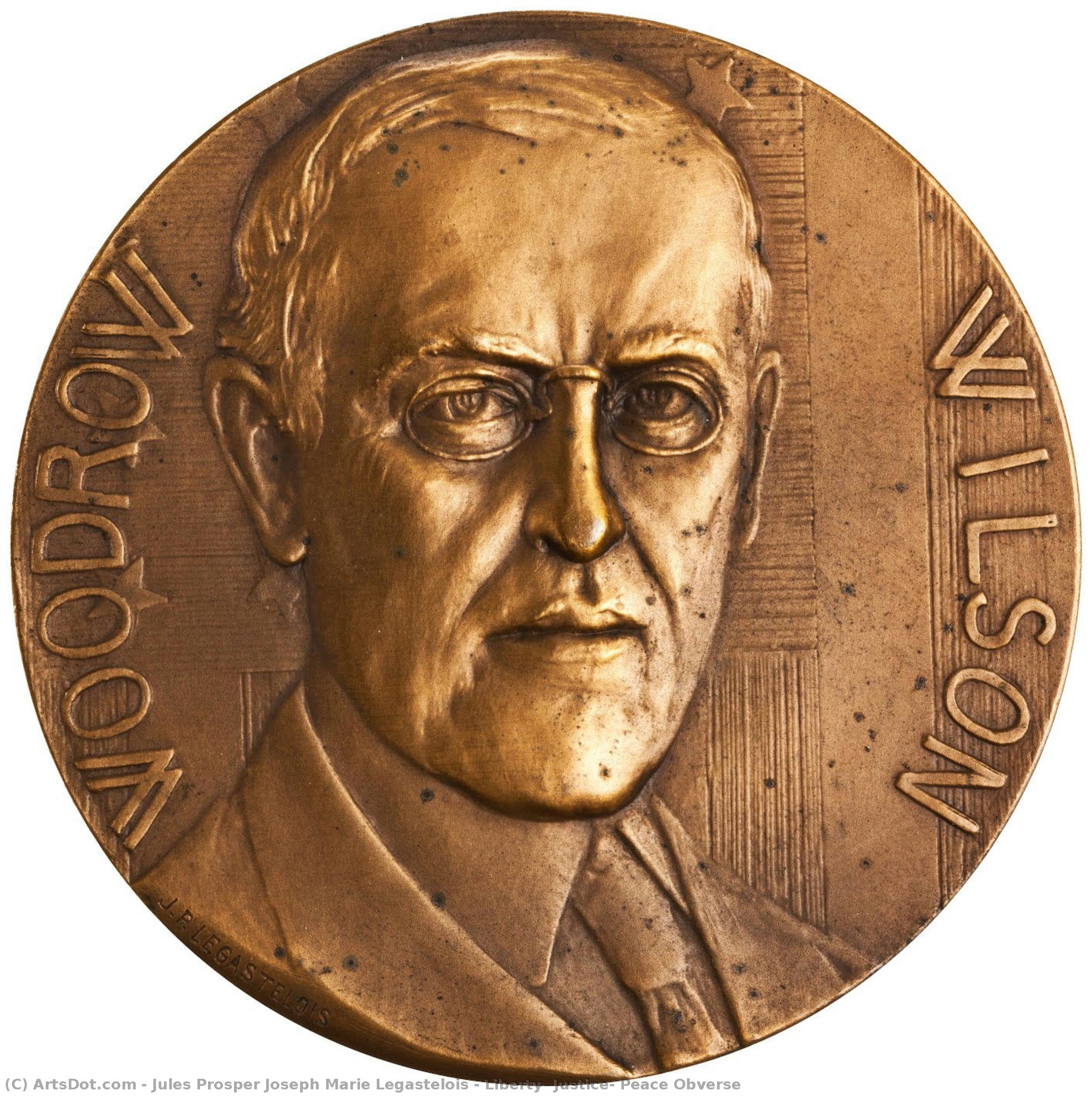
In the quiet intersection of numismatics and fine art lies a profound piece of historical storytelling: the Liberty, Justice, Peace Obverse medal. Created in 1917 by the esteemed French sculptor and medallist Jules-Prosper Legastelois, this bronze masterpiece serves as more than just a commemorative token; it is a window into a pivotal era of global transformation. The obverse features a striking profile of Woodrow Wilson, the 28th President of the United States, captured with a solemnity that transcends the medium. Through the meticulous application of relief sculpture, Legastelois imbues the bronze with a lifelike presence, where every line of the subject's expression conveys the weight of leadership during the tumultuous years of the First World War.
The artistry of Legastelois is rooted in the prestigious traditions of the École des Beaux-Arts de Paris. His technique reflects the Neoclassical mastery he inherited from mentors like Oscar Roty, characterized by a disciplined approach to form and a deep respect for anatomical accuracy. In this medal, the texture of the bronze surface tells its own story; the subtle scratches and natural patina acquired over more than a century add a layer of temporal depth, suggesting a relic that has survived the passage of time. The composition is framed by elegant typography, with "WOODROW WILSON" encircling the portrait, creating a sense of monumental permanence that elevates the small-scale object to the status of a grand monument.
Symbolism and the Spirit of an Era
Beyond the physical likeness, the medal functions as a symbolic vessel for the ideals of the early 20th century. The very title—Liberty, Justice, Peace—serves as a poignant reminder of the geopolitical aspirations held during Wilson's presidency. As a sculptor, Legastelois was adept at translating abstract political concepts into tangible, tactile forms. The choice of bronze, a material synonymous with endurance and strength, reinforces the permanence of these democratic values. For the collector or the historian, the piece represents the intersection of American political history and French sculptural excellence, making it a unique bridge between two cultures united by shared ideals during a period of global upheaval.
For those looking to integrate such historical gravity into a curated space, this work offers an unparalleled emotional resonance. Whether displayed in a private library, a study, or as part of a sophisticated collection of classical reproductions, the Liberty, Justice, Peace Obverse provides a focal point of intellectual and aesthetic intrigue. It invites contemplation on the nature of power, the fragility of peace, and the enduring legacy of those who shaped the modern world. Owning a reproduction of such a piece is not merely about decoration; it is about preserving a fragment of human history and celebrating the timeless elegance of classical French medallic art.
関連作品
アーティストの略歴
Jules-Prosper Legastelois: A Sculptor of French History and Dignity
Jules-Prosper Joseph Marie Legastelois, born in Batignolles-Monceau, France, on May 24, 1855, and passing away on April 14, 1931, was a pivotal figure in late 19th and early 20th-century French sculpture and medal design. His career, spanning over six decades, witnessed the evolution of artistic styles while consistently upholding a commitment to classical ideals and a profound respect for historical figures. Legastelois’s work wasn't merely decorative; it served as a tangible representation of national pride, commemorating significant events and honoring individuals who shaped France’s destiny. He was a student of the École des Beaux-Arts de Paris, benefiting from the tutelage of esteemed artists like Joseph Carlier, Henri Louis Levasseur, Georges Tonnelier, and Oscar Roty – masters whose influence undoubtedly informed his own artistic sensibilities.A Sculptor Shaped by Neoclassicism
Legastelois’s artistic style is firmly rooted in neoclassical principles, a deliberate choice reflecting the prevailing aesthetic trends of his time. He embraced the balanced compositions, idealized forms, and meticulous detailing characteristic of ancient Greek and Roman sculpture. This approach translated beautifully into both monumental works – such as those dedicated to Clemenceau and Foch – and intimate busts capturing the likenesses of prominent figures. His sculptures are imbued with a sense of dignified restraint, conveying not just physical appearance but also an underlying character and bearing. The smooth surfaces, polished marble or bronze, and carefully rendered drapery demonstrate a mastery of technique honed through years of dedicated study and practice. His work is often described as elegant and refined, reflecting the values of order and harmony that were central to neoclassical art.Notable Commissions and Artistic Achievements
Legastelois’s career was marked by numerous significant commissions, solidifying his reputation as a leading sculptor of his era. He created several impressive monuments, including those honoring Clemenceau, Foch, and Myron Timothy Herrick – an American diplomat who played a crucial role in the First World War. These monumental pieces showcased his ability to capture grandeur and convey historical importance through sculpted form. Beyond these large-scale works, he produced a wealth of medals and busts, many depicting notable French figures such as Laurent Monnet and Adolphe Pégoud. The meticulous detail evident in these smaller works reveals Legastelois’s exceptional skill and attention to the nuances of human expression. His work on the “Battle of the Marne” medal (a piece now held by the Metropolitan Museum of Art) is a particularly compelling example of his ability to distill complex historical events into a concise and evocative sculptural form.The Influence of Historical Context
Legastelois’s artistic output was inextricably linked to the political and social context of late 19th and early 20th-century France. The period following the Franco-Prussian War saw a fervent desire to rebuild national pride and commemorate military victories. Sculptors like Legastelois were tasked with creating works that celebrated French heroism, patriotism, and historical achievements. His portraits of Clemenceau and Foch, for instance, served as powerful symbols of leadership during a time of profound change. The creation of medals commemorating significant events, such as the Battle of the Marne, further reinforced national identity and fostered a sense of collective memory. His work reflects not only artistic skill but also a deep engagement with the historical narrative shaping France at that moment.Legacy and Enduring Significance
Jules-Prosper Legastelois’s legacy extends beyond his individual works; he represents a significant chapter in French sculptural tradition. His commitment to neoclassical principles, combined with his technical mastery and ability to capture the essence of historical figures, ensured his place as one of the most respected sculptors of his time. His work continues to be studied and appreciated for its elegance, dignity, and profound connection to French history. The pieces held by institutions like the Metropolitan Museum of Art serve as enduring testaments to his skill and artistic vision, offering a valuable window into the cultural values and historical consciousness of early 20th-century France.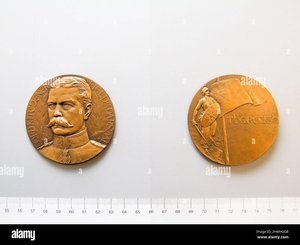
jules prosper joseph marie legastelois
1855 - 1931 , France
基本情報
- Artistic Movement Or Style: Neoclassical Sculpture
- Artists Or Movements Influenced By This Artist: ['None specified']
- Artists Who Influenced This Artist:
- Joseph Carlier
- Henri Louis Levasseur
- Georges Tonnelier
- Oscar Roty
- Date Of Birth: May 24, 1855
- Date Of Death: April 14, 1931
- Full Name: Jules-Prosper Joseph Marie Legastelois
- Nationality: French
- Notable Artworks:
- Battle of the Marne
- Myron T. Herrick
- Place Of Birth: Batignolles-Monceau, France
関連記事
The Enduring Legacy of Bronze: History, Technique & Artistic Expression for the Collector
Explore the rich history & enduring appeal of bronze sculpture with expert insights for collectors at ArtsDot. Learn about casting techniques, iconic artists, and collecting tips.
The Enduring Legacy of Bronze Sculpture: A Collector's Guide to Form & Cultural Significance
Explore the rich history & enduring appeal of bronze sculpture with expert insights for collectors at ArtsDot. Learn about casting techniques, iconic artists, and collecting tips to build a discerning art collection.
The Enduring Legacy of Bronze Sculpture: Technique, Symbolism & Cultural Impact
Explore the rich history & enduring appeal of bronze sculpture with expert insights for collectors. Learn about casting techniques, iconic artists, collecting tips & contemporary interpretations at ArtsDot.

Bronze Age to Modern Masters: 10 Sculptures That Redefined Art | ArtsDot
Journey through art history with 10 legendary bronze sculptures – from Michelangelo's David to Rodin’s Thinker. Explore the stories, techniques & timeless beauty of these masterpieces. Find museum-quality reproductions & elevate your home decor on ArtsDot.com.

The Enduring Legacy of Bronze: A Historical & Artistic Exploration for the Collector
Explore the rich history & enduring appeal of bronze sculpture with expert insights for collectors at ArtsDot. Learn about casting techniques, iconic artists, collecting tips & contemporary interpretations.