

 プレビュー
プレビュー
 シェアする
シェアする シェアする
シェアする
 詳細を見る
詳細を見る

 ダウンロード
 似ている作品
 X線調査
X線調査 スライドショー
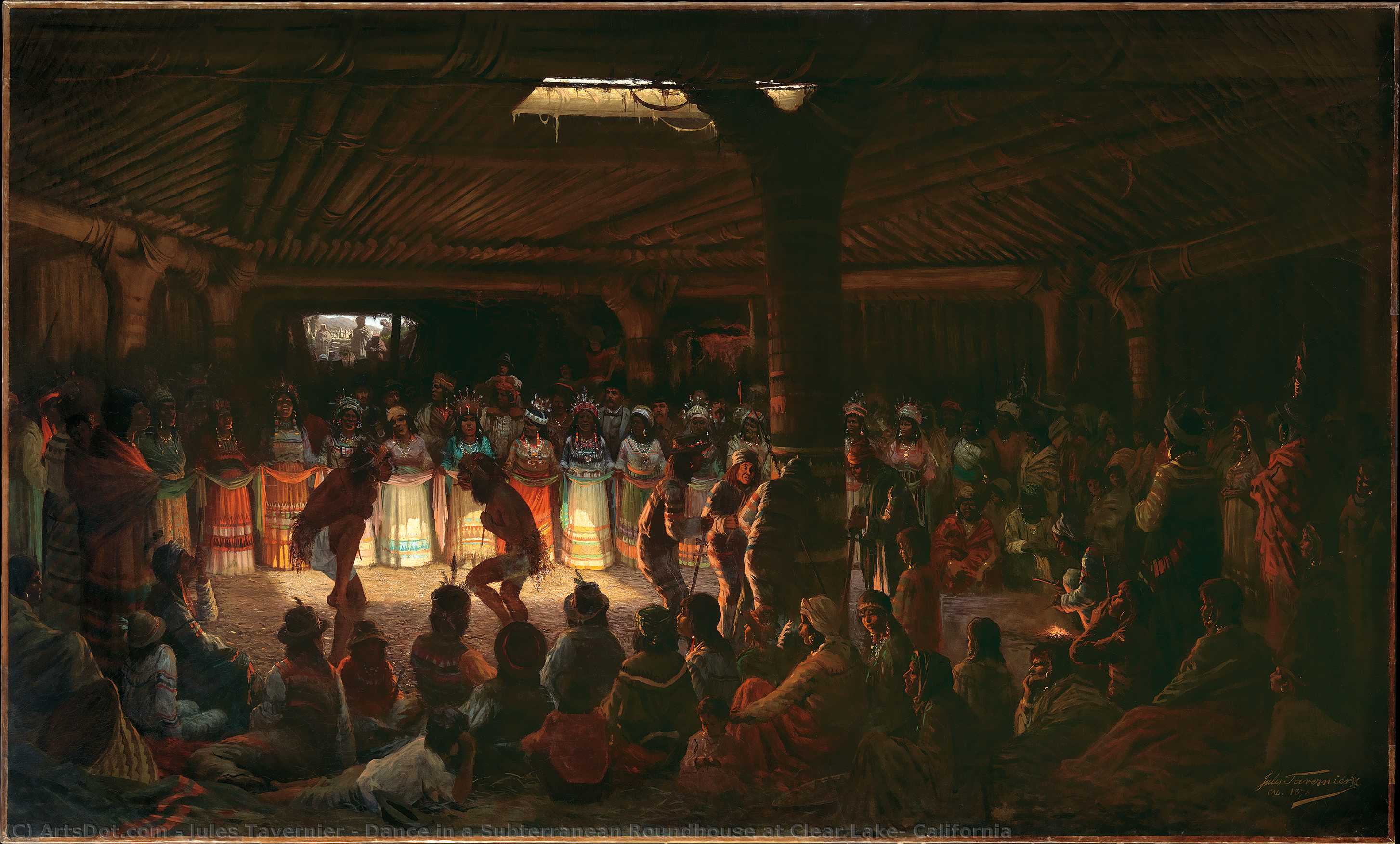
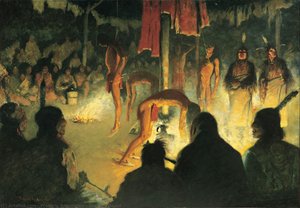
Dance in a Subterranean Roundhouse at Clear Lake, California
 Acrylic On Canvas
- WallArt
- American Realism
 1878
1878- 19th Century
 122.0 x 184.0 cm
 メトロポリタン美術館
 詳細を見る
詳細を見る
ジークレー/アートプリント
迅速な制作と多彩な仕上げオプションを備えた、ミュージアムクオリティのジークレーまたはキャンバスプリント。 ( 手描きの絵画を購入 画像を購入)




P118B $10

P118H $10

P118W $10

P438Z $10

P508JH $12

P508YH $12

P805H $10

P805Z $10

P919BZ $10

P919G $10

P919XJ $10

P959ZH $10

P968JZ $12

W106C $8

W218G $10

W218JH $8

W218Y $10

W307PJ $10

W316G $10

W316PJ $8

W316Y $10

W398PJ $8

W4111J $10

W500HY $15

W500JH $15

W692G $12

W849H $8

W940BG $15

W953PJ $8




作品のオリジナル比率に合わせた、当店の規定サイズからお選びください。

特定のフレームやスペースに合わせて、ご自身でサイズを指定することも可能です。選択されたサイズが元の画像の比率と一致しない場合、作品をトリミングするか、鏡面反射または単色での塗りつぶしによって画像を拡張いたします。制作を開始する前に、ご確認用のデジタルモックアップをお送りいたします。
画面上のプレビューには、実際のトリミングや拡張は反映されませんのでご注意ください。最終的な構図を正確に確認できるのは、モックアップのみとなります。
カスタムサイズも承っておりますが、元の比率を維持するためには、あらかじめ用意されたリストからサイズを選択することをお勧めいたします。


 ガラスオプションは、110cm未満のサイズでのみご利用いただけます。

Dance in a Subterranean Roundhouse at Clear Lake, California
ジークレー/アートプリント
複製画のサイズ
-


合計金額
$ 62
作品詳細説明
A Glimpse into Pomo Ritual: Jules Tavernier’s Masterpiece
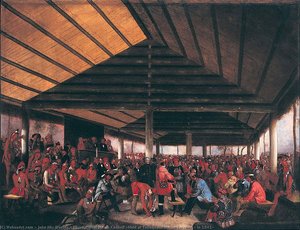
Jules Tavernier's “Dance in a Subterranean Roundhouse at Clear Lake, California” isn’t merely a painting; it’s a portal. Painted in 1878 during a pivotal moment of cultural exchange and encroaching Western influence, this work offers an intimate, almost voyeuristic view into the sacred practices of the Elem Pomo people of Northern California. Tavernier, a French-born artist who embraced the American West with an adventurous spirit, was commissioned by Tiburcio Parrott, a prominent banker, to document a ceremonial dance held within a xe-xwan – a subterranean roundhouse, symbolic of life’s cyclical nature and deeply connected to the earth. The painting transcends a simple depiction of a historical event; it's a poignant meditation on tradition, displacement, and the complex relationship between indigenous communities and the expanding forces of Western civilization.
Illumination and Intimacy: The Artistic Technique
Tavernier’s skill lies not just in his subject matter but also in his masterful execution. Rendered in rich oil paints on canvas measuring 122 x 184 cm, the painting is a testament to his technical prowess. He employs a dramatic chiaroscuro – a stark contrast between light and shadow – to create an atmosphere of both mystery and immediacy. The interior of the roundhouse is plunged into a dim, almost ethereal glow, suggesting the sacredness of the space and hinting at the rituals taking place within. The artist’s attention to detail is remarkable; from the intricate patterns woven into the dancers' garments to the subtle expressions on their faces, every element contributes to a sense of realism and authenticity. Tavernier’s use of color is equally compelling – earthy tones dominate, punctuated by flashes of vibrant red and ochre, mirroring the natural palette of the Pomo landscape and their ceremonial attire.
A Window into a Lost World: Historical Context
The painting was created during a period of profound transformation in California. The arrival of European settlers brought with it not only economic opportunity but also devastating consequences for indigenous populations. The Elem Pomo, like many other tribes, faced displacement, disease, and the systematic erosion of their traditional way of life. Tavernier’s commission by Tiburcio Parrott, a figure involved in the exploitation of California's mineral resources (including mercury mining), adds a layer of complexity to the work. The painting subtly critiques this encroachment, presenting a respectful depiction of Pomo culture while simultaneously acknowledging the looming threat posed by Western expansion. The inclusion of Parrott and his companions within the scene underscores the dynamic between observers and observed – a visual representation of the encounter that shaped California’s history.
Symbolism and Resonance: The Roundhouse as Life
The central image—the subterranean roundhouse itself—is profoundly symbolic. In Pomo cosmology, the xe-xwan represented the cyclical nature of life, death, and rebirth. Its circular form mirrored the earth’s shape and symbolized the interconnectedness of all things. The act of dancing within this space was believed to strengthen community bonds, honor ancestors, and ensure the continuity of cultural traditions. Tavernier's rendering of the roundhouse isn’t merely architectural; it’s a visual embodiment of Pomo spirituality – a reminder of their deep connection to the land and their enduring resilience in the face of adversity. The painting invites us to contemplate not just the dance itself, but also the profound significance of this sacred space and the cultural values it represents.
関連作品

関連記事

Grant Wood & American Regionalism: Identity, Myth & the Rural Landscape
Explore the world of Grant Wood & American Regionalism with ArtsDot. Discover the symbolism behind 'American Gothic', recurring themes, and the movement's lasting impact on art history. High-quality reproductions available.

Shadow Catcher: Edward S. Curtis & the Ethnographic Portraiture of a Vanishing West
Explore the life & work of Edward S. Curtis, the 'Shadow Catcher,' and his groundbreaking photographic documentation of Native American cultures. Discover iconic images from *The North American Indian* and a critical look at his lasting legacy.
George Catlin: Witnessing & Representing Indigenous Life on the American Frontier
Explore the captivating art of George Catlin, renowned for his vivid portraits & landscapes documenting Native American life on the frontier. Discover a vanishing world through stunning paintings and historical context.

James Otto Lewis: Navigating American Modernism Through Regional Identity & Stylistic Innovation
Explore the captivating portraits of James Otto Lewis, a pivotal figure bridging 19th-century realism & American Modernism. Discover his groundbreaking work documenting Native American culture and regional identity.
Charles Bird King: Capturing Native American Dignity Through Portraiture & Cultural Exchange
Explore the captivating portraits of Charles Bird King, renowned for his depictions of Native American leaders. Discover the historical context, artistic techniques, and collecting value of these significant 19th-century artworks.

