

 プレビュー
プレビュー
 プリントを購入
 シェアする
シェアする シェアする
シェアする
 詳細を見る
詳細を見る

 ダウンロード
 似ている作品
 X線調査
X線調査 スライドショー
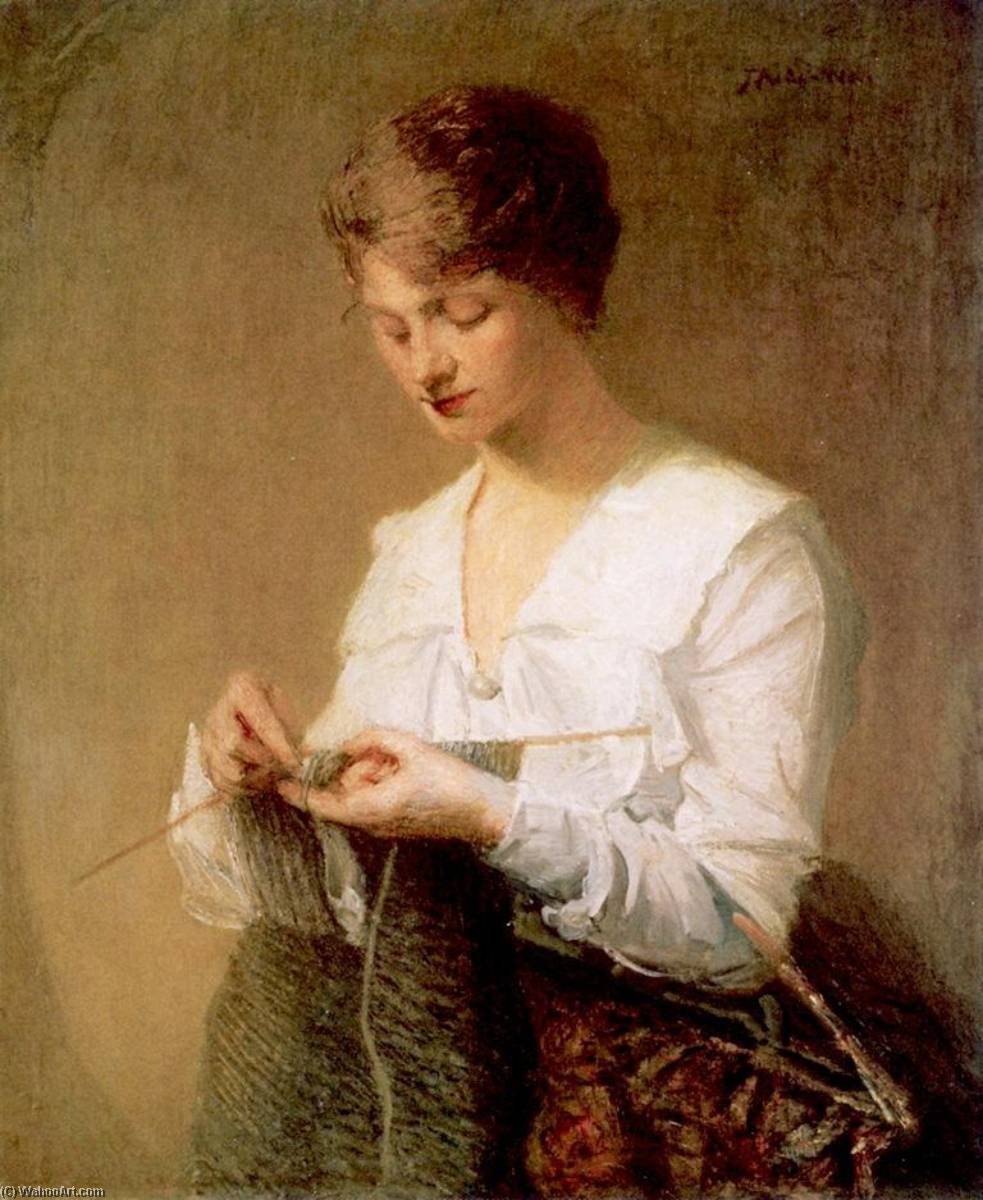
Knitting for Soldiers


 詳細を見る
詳細を見る




P118B $10

P118H $10

P118W $10

P438Z $10

P508JH $12

P508YH $12

P805H $10

P805Z $10

P919BZ $10

P919G $10

P919XJ $10

P959ZH $10

P968JZ $12

W106C $8

W218G $10

W218JH $8

W218Y $10

W307PJ $10

W316G $10

W316PJ $8

W316Y $10

W398PJ $8

W4111J $10

W500HY $15

W500JH $15

W692G $12

W849H $8

W940BG $15

W953PJ $8




作品のオリジナル比率に合わせた、当店の規定サイズからお選びください。

特定のフレームやスペースに合わせて、ご希望のサイズをご入力いただけます。選択されたサイズが元の画像の比率と異なる場合、アートワークをトリミングするか、手描きで要素を追加して絵画を拡張いたします。デジタルモックアップ を制作し、制作開始前にご確認(承認)をいただきます。
画面上のプレビューは、実際のトリミングや拡張を正確に反映しているものではありません。最終的な構図は、モックアップによってのみ正確にご確認いただけます。
カスタムサイズもご利用いただけますが、元の比率を維持するためには、あらかじめ用意されたリストからサイズを選択することをお勧めいたします。
ご注文後、ArtsDot.com チームより詳細な指示をお送りするとともに、仕上がりイメージ(モックアップ)をご提供いたします。


 ガラスオプションは、110cm未満のサイズでのみご利用いただけます。

Knitting for Soldiers
複製技法
複製画のサイズ
-


合計金額
$ 263
作品解説
A Quiet Gesture of Resilience: Examining Julian Alden Weir’s “Knitting for Soldiers”
Julian Alden Weir's "Knitting for Soldiers," painted in 1918, transcends mere depiction; it embodies a poignant reflection of wartime spirit and domestic devotion. Captured with meticulous realism by Weir—a student of Jean-Léon Gérôme at the École des Beaux-Arts—the artwork portrays a woman seated serenely amidst a softly illuminated interior, her hands deftly manipulating yarn as she weaves a tapestry of comforting warmth against the backdrop of global conflict. This seemingly simple scene resonates deeply with historical significance and artistic intention.The Artist’s Legacy: Shaping Artistic Vision
Born in West Point, New York, in 1852, Weir's formative years were steeped in an environment fostered by his father, Robert Walter Weir—a celebrated painter and drawing professor at the United States Military Academy—who instilled within him a profound appreciation for artistic craftsmanship. Like his brother John Ferguson Weir, Julian’s upbringing nurtured a passion for landscape painting, establishing a lineage of creative excellence that would profoundly influence his own artistic trajectory. Weir's early training at the National Academy of Design solidified foundational skills in traditional techniques, preparing him for his transformative immersion in Parisian art circles around 1873. This period under Gérôme instilled not only technical precision but also an unwavering commitment to academic standards—a dedication that would permeate his entire oeuvre.Technical Brilliance and Impressionistic Touches
Weir’s masterful execution demonstrates a harmonious blend of academic rigor and subtle impressionistic influences. The artist employs a palette dominated by muted earth tones – creams, browns, and ochres – creating an atmosphere of understated tranquility. Detailed observation informs the rendering of textures: the soft folds of fabric draped across her lap, the delicate strands of yarn held between nimble fingers, and the diffused light casting gentle shadows upon the wall. Weir’s brushstrokes are deliberate yet fluid, capturing the immediacy of movement without sacrificing compositional balance. Notably, the artist eschews harsh contrasts, prioritizing tonal harmony to convey a sense of peace and contemplation—a deliberate choice that underscores the painting's emotional core.Symbolism Within Domestic Comfort
“Knitting for Soldiers” operates on multiple symbolic levels. The woman’s activity – knitting – represents not merely practical labor but also an act of selfless devotion, mirroring the widespread efforts undertaken by women during World War I to support the troops stationed overseas. The yarn itself symbolizes resilience and continuity—a tangible expression of hope amidst uncertainty. Furthermore, the domestic setting serves as a counterpoint to the turbulent realities of war, highlighting the importance of home and family values. Weir’s careful composition directs the viewer's gaze towards the central figure, emphasizing her quiet strength and unwavering commitment to a cause greater than herself.Emotional Resonance: A Portrait of Courageous Care
Ultimately, “Knitting for Soldiers” succeeds in evoking a powerful emotional response. The painting captures a moment of profound serenity—a testament to the human spirit’s capacity for compassion and perseverance during times of crisis. It speaks to themes of maternal instinct, service, and unwavering optimism—qualities that resonated deeply with audiences at the time of its creation and continue to inspire viewers today. Weir's artwork stands as an enduring reminder that even amidst conflict, acts of kindness and dedication can illuminate the path forward, fostering a sense of connection and reaffirming the values of human empathy.関連作品
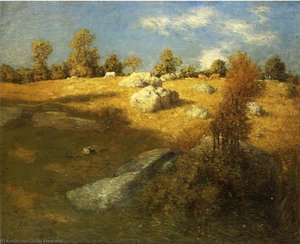
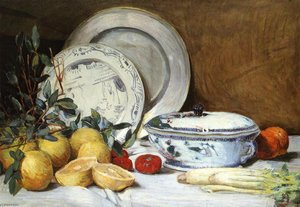
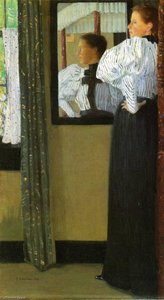
アーティストの略歴
幼年期と芸術的基盤
1852年8月30日、ニューヨーク州ウェストポイントで生まれたジュリアン・アルデン・ウィアーは、その道を深く形作った芸術的な血統を受け継ぎました。彼の父、ロバート・ウォルター・ウィアーは尊敬される画家であり、アメリカ陸軍士官学校の絵画教授を務め、幼いジュリアンに幼少の頃から深い芸術への理解を植え付けました。家自体が活気に満ちたスタジオであり、創造的な生活のための道具とインスピレーションで満たされていました。この育成環境は、兄のジョン・ファーガソン・ウィアーにも及び、彼もまた著名な風景画家となりました。ジュリアンの正式な訓練は1870年頃にニューヨーク市のナショナルアカデミーオブデザインで始まり、伝統的な技法に関する確固たる基礎を築きました。しかし、1873年のパリへの旅が彼の芸術的発展を真に加速させました。ジャン=レオン・ジェロームのもとでエコール・デ・ボザールで学ぶことは、学問的な厳格さと細部へのこだわりを彼にもたらし、ジュール・バスティアン=ルパージュのようなアーティストとの友情は、絵画の可能性に対する彼の視野を広げました。当初、ウィアーは台頭する印象派運動に強い反感を抱いており、その形式と構造の欠如を「恐ろしい」と一蹴しました。この初期の抵抗は重要であることが証明され、彼が最終的に印象主義を受け入れたのは、即座の受け入れではなく、理解の段階的な進化によるものでした。コネチカットでの時代と芸術的変容
ウィアーの人生における転換点は、1883年にアンナ・ドワイト・ベイカーとの結婚と、その後のコネチカット州ブランチビルへの移住でした。彼はそこで農場を購入し、ニューヨーク市の賑やかなアートの世界から休息を求めました。この田舎の環境は単なる隠れ家ではありませんでした。それはインスピレーションの源泉でした。穏やかな風景、農村生活のリズム、自然との親密なつながりは、彼の芸術的焦点を微妙に変化させ始めました。当初は伝統的な様式で肖像画や静物画を制作し続けましたが、ウィアーは光と大気の移ろい気を捉えることにますます魅力を感じるようになりました。1891年頃、この傾向は印象主義への本格的な傾倒へと花開きました。ジョン・トゥワクトマンやセオドア・ロビンソンといった仲間の芸術家たちに影響を受け、彼は断片化された筆致、鮮やかな色彩パレット、主観的知覚の強調を実験し始めました。これは彼の以前の訓練の放棄ではありませんでした。むしろ、学問的なスキルと新しい運動の革新的な精神との統合でした。彼のスタイルはしばしば純粋な印象主義表現とより抑制されたトーン主義の間で揺れ動き、同時代の人々から彼を区別するユニークな視覚言語を作り出しました。彼はまた、とりわけアクアチント技術の熟練した使用を通して、版画家としてもかなりの才能を発揮しました。アメリカ美術における主要な声
19世紀後半までに、ジュリアン・アルデン・ウィアーはアメリカのアートシーンにおいて著名な人物として確立していました。彼は「The Ten」の結成に貢献し、これはナショナルアカデミーオブデザインのような伝統的な機関の制約の外で作品を展示しようとする独立した志向の画家10人のグループでした。チャイルド・ハッサム、ウィラード・ロイ・メットカフ、エドマンド・ターベルといった芸術家を含むこの集団は、芸術的自律性に向けて重要な一歩を踏み出し、アメリカ絵画の方向性を形作るのに役立ちました。1912年、ウィアーはアメリカ人画家と彫刻家の協会初の会長に選出され、アートコミュニティ内での彼のリーダーシップをさらに確固たるものにしました。その後、彼はナショナルアカデミーオブデザインの会長も務め、進歩的な派閥と保守的な派閥の両方から彼が獲得した尊敬を示しました。この時期の彼の主要な作品—1892年の活気に満ちた沿岸の風景である『海岸にて』、1904年の田舎生活の魅力的な描写である『ニューイングランドの農家』、1905年の『高地牧草地』など—は、印象主義的技法の習熟とアメリカの風景の本質を捉える彼の能力を例証しています。遺産と永続する影響
ジュリアン・アルデン・ウィアーの貢献は、彼自身の絵画を超えています。彼は伝統的な学術的な絵画と印象主義の革新的な精神との間のギャップを埋める上で重要な役割を果たし、次世代のアメリカ人アーティストのための道を開きました。「The Ten」を通して芸術的独立性を育む彼の献身は、確立された規範に挑戦し、より活気に満ちた多様なアートランドスケープを作り出すのに役立ちました。今日、コネチカット州ブランチビルにあるウィアーファーム国立歴史史跡は、彼の人生と作品の証として立っています。彼が過ごした時代のように保存されている農場は、彼にインスピレーションを与えた世界—起伏のある丘陵地帯、風化した納屋、ニューイングランドの田舎の静かな美しさ—を訪問者に垣間見せてくれます。このサイトは歴史的なランドマークとしてだけでなく、今日のアーティストにとっても継続的なインスピレーションの源となっています。彼の家族の芸術的遺産—ハドソンリバー派の画家であった父ロバート・ウォルター・ウィアーに由来する—は、アメリカ美術史におけるジュリアン・アルデン・ウィアーの位置をさらに確固たるものにします。彼は1919年12月8日にニューヨーク市で亡くなり、世界を取り巻く美しさと本質を捉える芸術の力を思い出させる作品を残しました。- 主要な作品: 『海岸にて』(1892)、『ニューイングランドの農家』(1904)、『高地牧草地』(1905)
- 芸術的スタイル: 印象主義、トーン主義
- 関連団体: 「The Ten」、ナショナルアカデミーオブデザイン
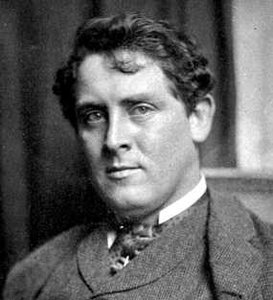
ジュリアン・アルデン・ウィアー
1852 - 1919 , アメリカ合衆国
基本情報
- Artistic Movement Or Style: 印象派、トーン主義
- Artists Or Movements Influenced By This Artist: ['アメリカ十人組']
- Artists Who Influenced This Artist:
- ジャン=レオン・ジェローム
- ジュール・バスティアン=ルパージュ
- Date Of Birth: 1852年8月30日
- Date Of Death: 1919年12月8日
- Full Name: ジュリアン・アルデン・ウィアー
- Nationality: アメリカ人
- Notable Artworks (List Of Titles):
- 岸辺の風景
- ニューイングランドの農家
- 高地の牧草地
- Place Of Birth (City And Country): ニューヨーク州ウェストポイント
関連記事
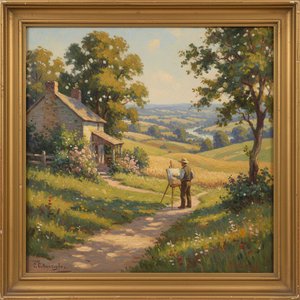
Julian Alden Weir: A Quiet Master of American Impressionism & Rural Life
Discover Julian Alden Weir, a leading American Impressionist painter celebrated for his serene landscapes & depictions of rural life. Explore his artistic evolution, influence on 'The Ten', and legacy at Weir Farm.

Impressionism's Masterpieces: 10 Paintings That Defined a Movement | ArtsDot
Journey through Impressionism's heart with 10 iconic paintings by Monet, Renoir & Degas. Explore light, color & the stories behind these masterpieces. Find museum-quality art reproductions and elevate your home decor on ArtsDot.com.
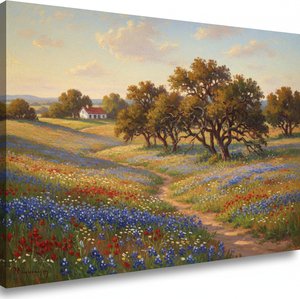
Robert Julian Onderdonk: Pioneering Texas Impressionism & Capturing Regional Light
Explore the life & art of Robert Julian Onderdonk, 'the Father of Texas Painting.' Discover his vibrant Impressionist landscapes, iconic bluebonnets, and lasting legacy. Learn about collecting Onderdonk's work today.
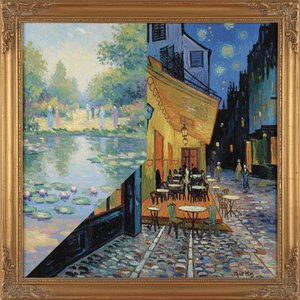
光と色彩の彼方:知的な収集家のための印象派とポスト印象派
印象派とポスト印象派の傑作を深く理解し、知的なコレクションを築くための情報を提供。ArtsDotでは、高品質な油絵複製やカスタムアートをご用意。専門家が最適な作品選びをお手伝いします。

ポール・セザンヌ:至高の25選 - 傑作と革新の軌跡 | ArtsDot
ポール・セザンヌの至高の25選。ポスト印象派を代表する画家、セザンヌの傑作と革新的な技法を紐解きます。ArtsDotで高品質な複製画やインテリアアートを見つけ、芸術の世界をご自宅に。今すぐコレクションをご覧ください。

