

 プレビュー
プレビュー
 プリントを購入
 シェアする
シェアする シェアする
シェアする
 詳細を見る
詳細を見る

 ダウンロード
 似ている作品
 X線調査
X線調査 スライドショー
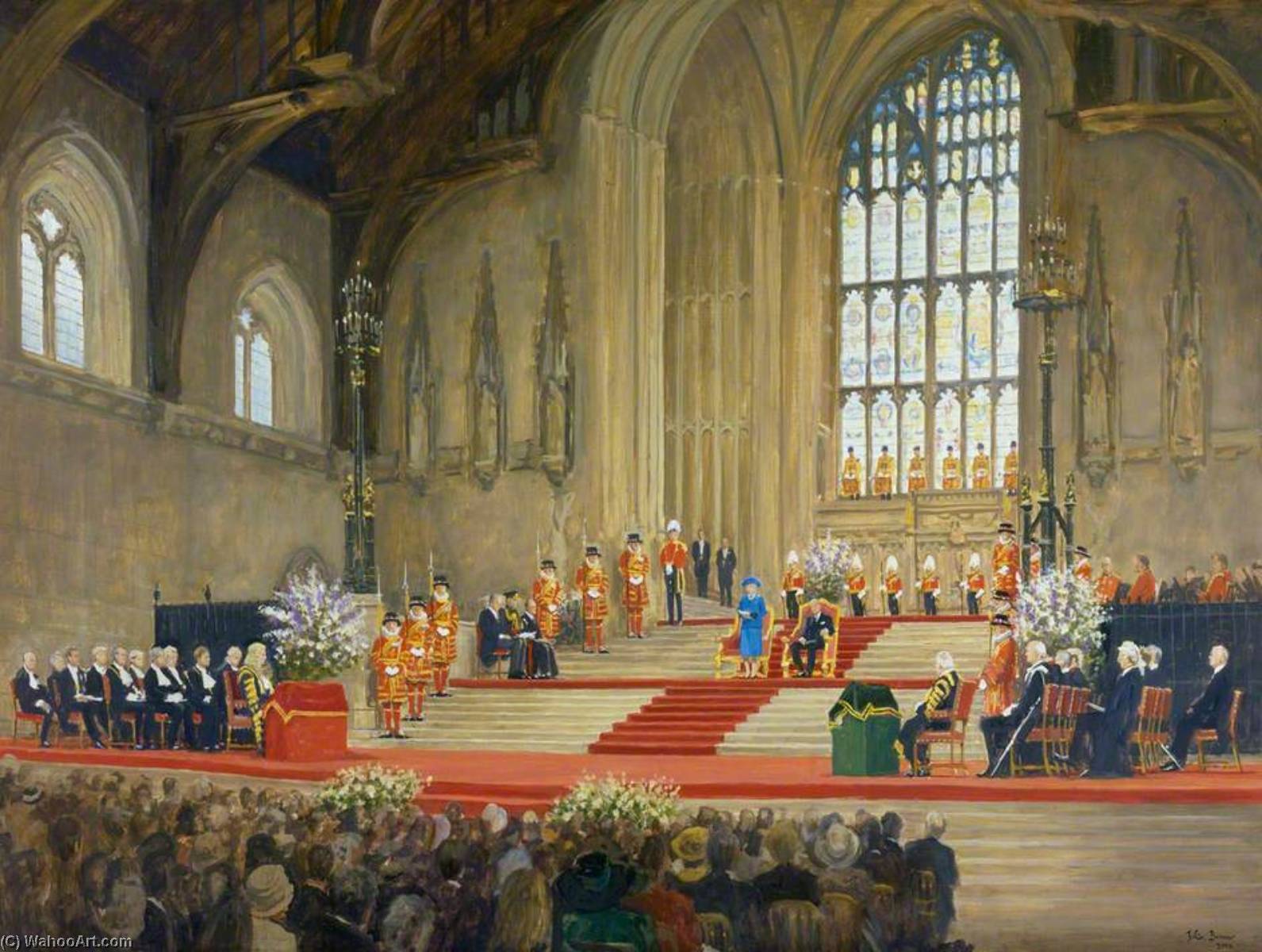
Her Majesty the Queen Addressing Both Houses of Parliament on the Occasion of Her Golden Jubilee, Westminster Hall
 2002
2002 74.0 x 98.0 cm
 詳細を見る
詳細を見る




































作品のオリジナル比率に合わせた、当店の規定サイズからお選びください。

特定のフレームやスペースに合わせて、ご希望のサイズをご入力いただけます。選択されたサイズが元の画像の比率と異なる場合、アートワークをトリミングするか、手描きで要素を追加して絵画を拡張いたします。デジタルモックアップ を制作し、制作開始前にご確認(承認)をいただきます。
画面上のプレビューは、実際のトリミングや拡張を正確に反映しているものではありません。最終的な構図は、モックアップによってのみ正確にご確認いただけます。
カスタムサイズもご利用いただけますが、元の比率を維持するためには、あらかじめ用意されたリストからサイズを選択することをお勧めいたします。
ご注文後、ArtsDot.com チームより詳細な指示をお送りするとともに、仕上がりイメージ(モックアップ)をご提供いたします。


 ガラスオプションは、110cm未満のサイズでのみご利用いただけます。

Her Majesty the Queen Addressing Both Houses of Parliament on the Occasion of Her Golden Jubilee, Westminster Hall
複製技法
複製画のサイズ
-


合計金額
$ 263
関連作品










アーティストの略歴
A Legacy of Light: The Life and Art of Julian Barrow
The history of British landscape painting is often defined by a profound connection to the land, yet few artists captured the ephemeral dance of light and the enduring spirit of place as poignantly as Julian Barrow. Born in 1939 in Longtown, Cumberland, Barrow’s early years were steeped in the rugged beauty of the English countryside. Growing up amidst the dramatic vistas of the Lake District, he developed an innate sensitivity to the shifting atmospheres of the natural world. His formative education was a blend of classical rigor and personal exploration; while his roots remained firmly planted in the soil of Cumbria, his artistic soul was shaped by the prestigious halls of the RWA and the transformative experience of studying at Signorina Simi’s Academy in Florence, Italy. This fusion of English pastoralism and Italian classical training would become the cornerstone of his unique visual language.
Barrow’s artistic development was characterized by a restless, wandering spirit that saw him traversing the globe, from the bustling streets of London and New York to the ancient landscapes of the Middle East, India, and the Far East. He was not merely a traveler but an observer, an artist who sought to distill the very essence of his surroundings onto canvas. His technique, heavily influenced by the Impressionist masters such as Monet and Sisley, focused on the mastery of light and color. He possessed a rare ability to capture fleeting moments—the way sunlight pierces through a heavy cloud over Ullswater or the soft, muted tones of a historical portrait. His brushwork was both masterful and emotive, capable of rendering the architectural grandeur of a London streetscape with realistic precision while simultaneously imbuing it with an impressionistic, dreamlike quality.
Mastery of Subject and Spirit
The breadth of Barrow’s oeuvre is truly remarkable, spanning landscapes, architectural portraits, and deeply psychological portraiture. He was particularly celebrated for his ability to capture the "Englishness" of a building, a feat noted by critics who admired how he could convey the social and historical weight of an estate through mere pigment and light. His landscapes were never static; they breathed with the life of the seasons. Whether depicting the intimidating silhouettes of the Scottish Highlands or the tranquil, verdant stretches of Devon, his work invited the viewer into a shared experience of nostalgia and wonder.
Beyond the horizon of the natural world, Barrow’s talent for portraiture allowed him to explore the human condition with profound empathy. His portraits were more than mere likenesses; they were studies in character, capturing subtle nuances of expression that revealed the inner life of his subjects. This versatility extended to his architectural paintings, where he treated structures like 1 Parliament Street or the Great Hall of the Royal Hospital Chelsea as living entities, rich with history and social significance. His work often bridged the gap between the contemporary moment and historical reverence, creating a sense of timelessness that resonated deeply with collectors and enthusiasts alike.
Achievements and Enduring Influence
Throughout his prolific career, Julian Barrow earned a distinguished place within the British art establishment. His frequent exhibitions at the Royal Academy and his long-standing tenure as President of the Chelsea Art Society cemented his reputation as a leading figure in his generation. For decades, he resided in a magnificent studio on Tite Street in Chelsea—a space that had once been home to legends like Whistler and Sargent—further connecting his personal history to the lineage of great painters. His contributions to the arts were recognized not only by his peers but also by academic institutions, earning him honorary doctorates from both Cumbria University and Newcastle University.
Though he passed away in 2013, the impact of Barrow’s vision remains undiminished. He left behind a body of work that serves as a luminous record of the world as he saw it: a world filled with beauty, history, and an ever-present, shimmering light. His ability to find the extraordinary within the ordinary—to see the soul in a stone wall or the drama in a quiet meadow—continues to inspire those who seek to understand the profound connection between the artist’s eye and the earth beneath their feet.
julian barrow
1939 - 2013
基本情報
- Artistic Movement Or Style: Landscape Painting
- Artists Or Movements Influenced By This Artist: ['Impressionism']
- Artists Who Influenced This Artist: ['Romanticism']
- Date Of Death: 2013
- Full Name: Julian Barrow
- Nationality: British
- Notable Artworks: ['View of the Great Hall']
- Place Of Birth: England