

 プレビュー
プレビュー
 プリントを購入
 シェアする
シェアする シェアする
シェアする
 詳細を見る
詳細を見る

 ダウンロード
 似ている作品
 X線調査
X線調査 スライドショー
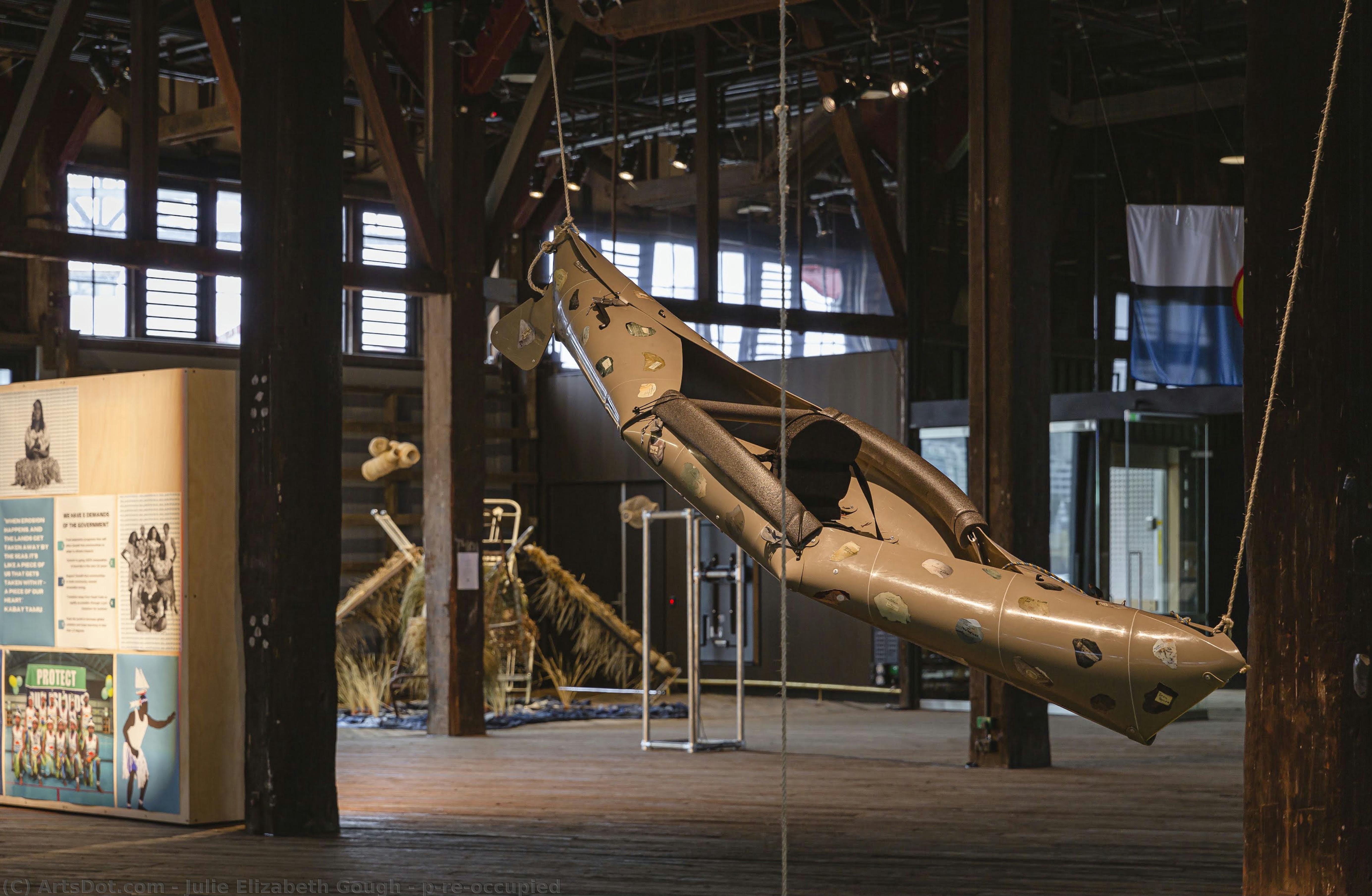
p/re-occupied


 詳細を見る
詳細を見る




































作品のオリジナル比率に合わせた、当店の規定サイズからお選びください。

特定のフレームやスペースに合わせて、ご希望のサイズをご入力いただけます。選択されたサイズが元の画像の比率と異なる場合、アートワークをトリミングするか、手描きで要素を追加して絵画を拡張いたします。デジタルモックアップ を制作し、制作開始前にご確認(承認)をいただきます。
画面上のプレビューは、実際のトリミングや拡張を正確に反映しているものではありません。最終的な構図は、モックアップによってのみ正確にご確認いただけます。
カスタムサイズもご利用いただけますが、元の比率を維持するためには、あらかじめ用意されたリストからサイズを選択することをお勧めいたします。
ご注文後、ArtsDot.com チームより詳細な指示をお送りするとともに、仕上がりイメージ(モックアップ)をご提供いたします。


 ガラスオプションは、110cm未満のサイズでのみご利用いただけます。

p/re-occupied
複製技法
複製画のサイズ
-


合計金額
$ 263
関連作品
アーティストの略歴
The Echoes of Ancestry: The Art of Julie Elizabeth Gough
In the quiet intersections where memory meets materiality, the work of Julie Elizabeth Gough emerges as a profound reclamation of silenced histories. A Trawlwoolway artist whose creative pulse is deeply connected to the landscapes of Tasmania, Gough does not merely create art; she conducts an archaeological excavation of identity. Born in Melbourne in 1965, her lineage carries the weight and wisdom of the Tebrikunna people, a connection that serves as the spiritual compass for her practice. Her journey is one of navigating the complexities of being both an artist and a custodian of stories that colonization attempted to erase. Through her meticulously crafted sculptures and immersive installations, she invites viewers into a space where the past is not a static relic, but a living, breathing presence that demands recognition.
Gough’s academic path reflects a rigorous commitment to understanding the structural layers of human existence. Her early studies in Pre-history and Anthropology at the University of Western Australia provided her with the intellectual tools to dissect the narratives of dispossession and cultural loss. This scientific foundation, paired with her formal training in visual arts at Curtin University and her advanced studies at Goldsmiths College, London, allowed her to bridge the gap between academic inquiry and emotive expression. By earning a Doctor of Philosophy in Fine Arts from the University of Tasmania, she solidified her position as a scholar-artist, capable of utilizing sophisticated methodologies to challenge the dominant, often distorted, colonial perspectives on Australian history.
Materiality and the Glitch: Reimagining the Past
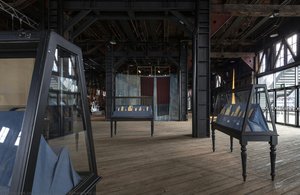
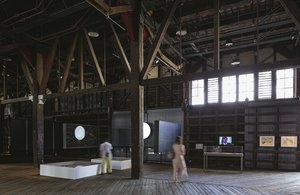
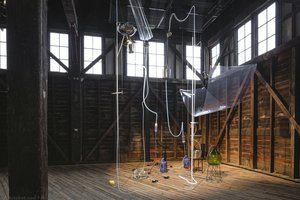
The brilliance of Gough’s practice lies in her ability to use contemporary technology to evoke ancient truths. She masterfully employs glitch aesthetics—the intentional use of digital imperfections—to mirror the fragmented, often broken nature of cultural memory. In her evocative installations, such as the profound Re-occupied, she utilizes 3_D printing to recreate Tasmanian stone tools that are currently held in museum collections far from their ancestral lands. These printed facsimiles, suspended like a dark, falling rain, act as digital avatars for objects that have been physically displaced. This technique creates a haunting tension between the permanence of the stone and the ephemeral nature of the digital print, forcing a confrontation with the reality of cultural theft.
Her work often incorporates movement and environmental connection to ground these technological interventions in the physical world. By integrating footage of herself kayaking through the isolated waterways of the Mersey, Macquarie, and Clyde rivers, Gough performs a virtual return to Country. This layering of video, 3D-printed artifacts, and natural elements like river rocks creates a multisensory experience that transcends traditional sculpture. The artist’s use of these materials is never purely aesthetic; it is a deliberate provocation designed to disrupt the viewer's comfort and encourage a reconsideration of what it means to occupy a landscape that has been historically contested.
A Legacy of Resilience and Truth
The historical significance of Julie Elizabeth Gough’s oeuvre extends far beyond the gallery walls. Her work stands as a vital contribution to the global discourse on postcolonialism, decolonization, and Indigenous sovereignty. By unearthing obscured histories and presenting them through a lens of Indigenous resilience, she provides a platform for voices that have been systematically marginalized. Her achievements are marked not just by accolades, but by her ability to transform the museum space from a site of colonial storage into a site of active, transformative dialogue.
Ultimately, Gough’s art serves as a bridge between the ancestral and the contemporary. She teaches us that while history may be fragmented and much may have been lost to time and trauma, the act of remembering—and the courage to represent that memory through art—is an act of profound reclamation. Her legacy is found in every stone tool reimagined, every river traced, and every glitch that reveals a deeper, more authentic truth about the enduring spirit of the Trawlwoolway people.
julie elizabeth gough
1965 - , Australia
基本情報
- Artistic Movement Or Style: Sculpture Installation
- Date Of Birth: 1965
- Full Name: Julie Elizabeth Gough
- Nationality: Australian
- Notable Artworks: ['p/re-occupied']
- Place Of Birth: Melbourne, Australia
関連記事

Bronze Sculptures That Defined Art History | ArtsDot
Journey through art history with our Top 10 bronze sculptures! Explore masterpieces by Rodin, Michelangelo & more. Discover stories behind iconic statues and find museum-quality reproductions for your home decor at ArtsDot.com.

The Enduring Form: Exploring Themes & Techniques in Sculpture Across Historical Periods
Explore the rich history of sculpture from ancient masterpieces to contemporary innovations. Discover key techniques, influential artists & investment potential for discerning art collectors.

The Enduring Form: Sculpture Across History, Technique & Emotional Resonance
Explore the rich history of sculpture with ArtsDot. Discover key techniques, influential artists & investment potential for discerning collectors. Expert insights into valuing and collecting timeless masterpieces.

Bronze Age to Modern Masters: 10 Sculptures That Redefined Art | ArtsDot
Journey through art history with 10 legendary bronze sculptures – from Michelangelo's David to Rodin’s Thinker. Explore the stories, techniques & timeless beauty of these masterpieces. Find museum-quality reproductions & elevate your home decor on ArtsDot.com.
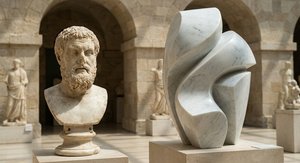
The Enduring Allure of Marble in Art History: From Classical Sculpture to Modern Abstraction
Explore the captivating history of marble sculpture from ancient Greece to modern art. Discover renowned artists like Canova & Michelangelo, carving techniques, and investment insights at ArtsDot.

