

 プレビュー
プレビュー
 シェアする
シェアする シェアする
シェアする
 詳細を見る
詳細を見る

 ダウンロード
 似ている作品
 X線調査
X線調査 スライドショー
 統計情報
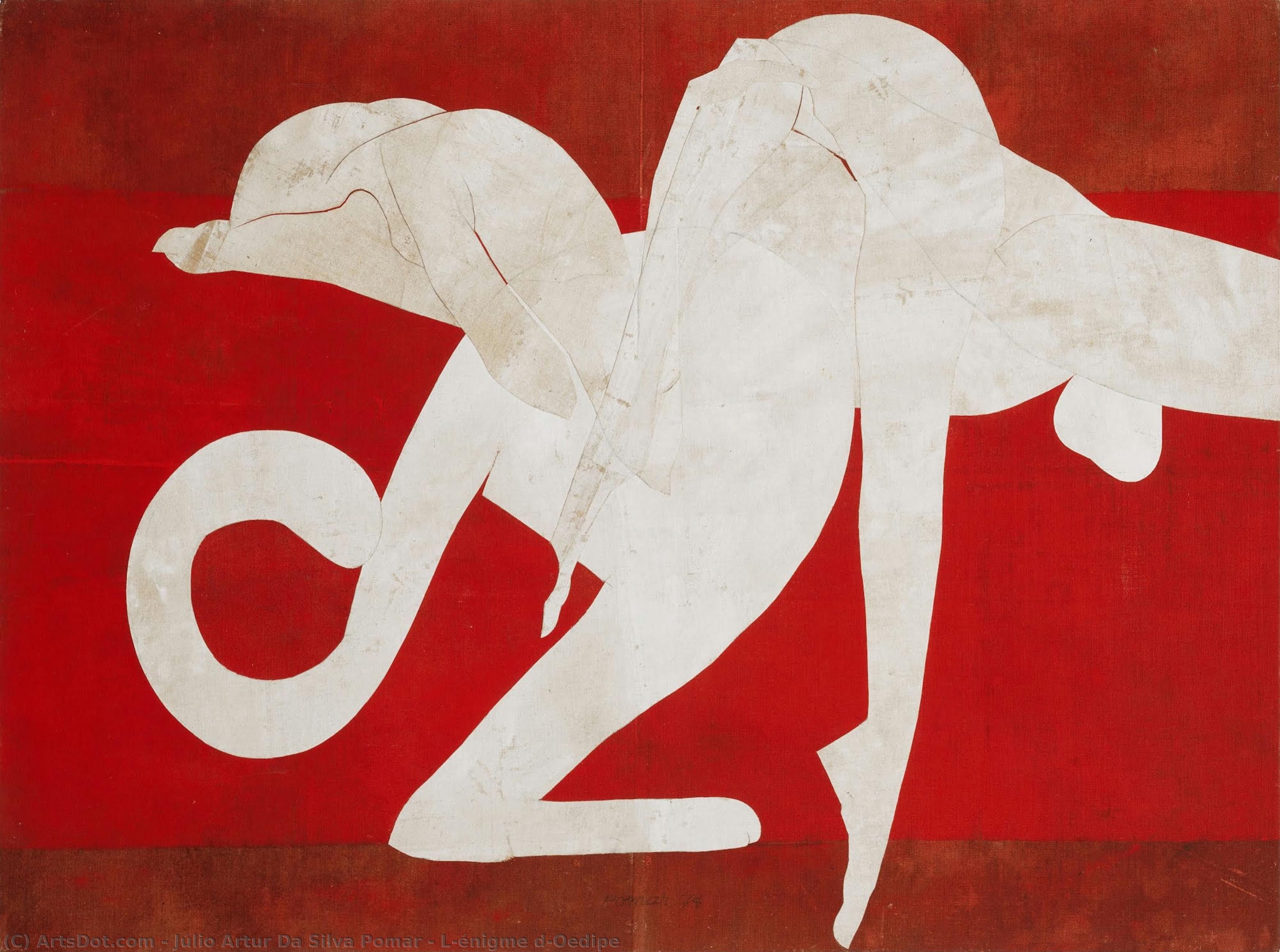
統計情報L’énigme d’Oedipe
 Acrylic On Canvas
- WallArt
- Contemporary Realism
 1978
1978- Modern
 97.0 x 130.0 cm
 Culturgest - Fundação Caixa Geral de Depósitos
 詳細を見る
詳細を見る
オンラインプレビューをはるかに凌ぐ、高解像度で鮮明なデジタル画像をご購入いただけます。
各ファイルは、社内の専門家が高度なツールと熟練した手作業によるレタッチを用いて、細心の注意を払って準備されています。すべての画像において、卓越した鮮明度、正確な色彩再現性、そして繊細なディテールを保証いたします。
最終ファイルは、プロフェッショナルな編集・印刷環境ですぐにご利用いただけるよう最適化された状態で、72時間以内にメールにてお届けいたします。これは、一流のデザインスタジオ、出版社、ギャラリーから信頼されているものと同等の品質です。
デジタルアート
個人での鑑賞、印刷、クリエイティブなプロジェクト用に、高解像度ファイルをダウンロードできます。 ( プリント版に切り替え 手描きの絵画を購入)
デジタル画像のご注文に付随する特典
高品質なデジタル画像配信を、確かな品質で。
ArtsDot.com を選ぶことは、単に画像を手に入れることではありません。それは、プロの手によって精密に仕上げられ、満足保証が付いた高品質なデジタルアートワークを受け取ることを意味します。ご注文いただいた際に自動的に付随する内容は、以下の通りです:

メールですぐにお届け
ご注文から72時間以内に、高解像度のデジタル画像ファイルがメールでお手元に届きます。すぐにそのままご利用いただけます。

AI技術で最適化されたデジタルファイル
お客様の作品は、高度なAIツールと専門家による手作業の編集を組み合わせてプロフェッショナルに最適化されており、細部のディテール、鮮明さ、そして正確な色再現性を最大限に引き出しています。

一生涯無料の再送サービス
ファイルを誤って削除したり、紛失してしまったりしましたか?ご安心ください。いつでも無料で再送いたします。

輸入手数料は一切かかりません
関税や手数料、配送料を気にすることなく、お気に入りのアートワークをすぐにお楽しみいただけます。デジタルダウンロードは常に免税です。

色彩再現の保証
プロ仕様のツールとカラーマネジメント技術を用いることで、デジタル画像が元の色を最大限に忠実に再現することを保証いたします。

100日間満足保証
ご購入いただいたデジタル画像にご満足いただけない場合は、100日以内であれば、理由を問わず修正または100%の返金対応をさせていただきます。

100% 返金保証
ご満足いただけない場合は、デジタルファイルを受け取ってから100日以内であれば、理由を問わず全額返金いたします。

まとめ買い割引
3枚購入で10%OFF - 5枚購入で15%OFF - 10枚以上購入で20%OFF。クリエイティブなプロジェクト、ギャラリー、エージェンシーに最適です。
A Primal Encounter: The Power of L’énigme d’Oedipe
In the realm of 20th-century graphic abstraction, few works command the immediate attention quite like Júlio Pomar’s 1978 masterpiece, L’énigme d’Oedipe. At first glance, the viewer is met with a breathtaking visual confrontation: a stark, bone-white silhouette of a charging bull set against an unapologetically vibrant, blood-red backdrop. This is not merely a depiction of an animal; it is a visceral explosion of energy that captures the very essence of movement and raw force. The composition is dominated by the aggressive angle of the bull’s body and the sharp, prominent display of its horns, creating a sense of forward momentum that feels as though it might break through the boundaries of the canvas itself.
The technique employed in this work suggests a sophisticated mastery of layering and stenciling, resulting in a surface texture that is beautifully uneven and tactile. Rather than a flat, uniform application of color, the red background breathes with visible brushstrokes and subtle tonal variations, lending a profound depth to the negative space. This interplay between the sharp, geometric lines of the white silhouette and the organic, textured background creates a tension that is central to the piece's allure. The style leans toward a modern graphic abstraction, heavily influenced by Cubist elements where forms are simplified into powerful, essential shapes—circles, curves, and jagged edges—to communicate a sense of speed and primal urgency.
Symbolism and the Weight of History
To understand L’énigme d’Oedipe, one must look beyond its striking aesthetics to the profound symbolism embedded within its form. The bull has long served as a universal emblem of strength, virility, and untamed aggression. In this specific composition, the stark contrast between the white figure and the crimson field amplifies these qualities, evoking themes of life, struggle, and the inevitable collision of forces. The title itself, referencing the tragic Greek myth of Oedipus, invites the viewer to contemplate a riddle or an enigma—a puzzle of fate and identity that mirrors the complexity of the human condition.
The work also stands as a testament to the evolution of Júlio Pomar, one of Portugal’s most significant artistic figures. While his earlier career was marked by a profound commitment to Neo-Realism and the socio-political struggles of the working class, this later period demonstrates a transition into more experimental, abstract territories. Here, the political weight of his early years is transmuted into a purely formalist language of power. For the collector or art enthusiast, owning a piece from this era means possessing a fragment of art history that bridges the gap between social engagement and the pure, emotive potential of modern abstraction.
An Essential Addition to the Modern Interior
For interior designers and connoisseurs of fine art, L’énigme d’Oedipe offers an unparalleled opportunity to introduce a focal point of immense character into a curated space. Its bold color palette and high-contrast aesthetic make it an ideal centerpiece for contemporary, minimalist, or even industrial-style environments. The artwork does not merely decorate a wall; it transforms the atmosphere of a room, injecting a sense of drama, intensity, and intellectual depth.
Whether placed in a sophisticated gallery setting, a professional executive suite, or a modern residential lounge, this reproduction serves as a conversation starter that evokes feelings of power and vitality. It is a piece designed for those who appreciate art that is both visually arresting and emotionally resonant—a timeless tribute to the enduring strength of the creative spirit.
作家の略歴
Early Life and Artistic Beginnings
- Born: January 10, 1926, Lisbon, Portugal
- Died: May 22, 2018, Lisbon, Portugal
- Júlio Pomar initially studied at the Escola Secundária Artística António Arroio in Lisbon. This early education laid a foundation for his artistic development.
- He entered the Superior School of Fine Arts of Lisbon in 1942, marking a formal beginning to his art training.
- An important early event was the sale of his painting "Saltimbancos" to Almada Negreiros, demonstrating early recognition of his talent.
Neo-Realist Phase and Political Engagement
- From 1945 to 1957, Pomar's work underwent a significant shift towards neo-realism. This period was characterized by strong political and ideological engagement.
- "O Almoço do Trolha" (The Lunch of the Trolley), created between 1946 and 1950, is considered a landmark piece of neo-realist painting. It depicted the lives of working-class individuals with raw materiality and anatomical emphasis on hands and feet.
- His art became a vehicle for social commentary, reflecting the realities of Portuguese society during this time.
- He was involved in the Communist Youth movement, which further fueled his politically charged artistic expression.
- The frescoes he painted for Cinema Batalha in Porto were destroyed by the political police in 1948, highlighting the risks associated with his outspoken views.
Artistic Development and Influences
- Pomar's style evolved over time, moving beyond neo-realism to incorporate elements of expressionism and abstraction.
- His move to Paris in 1963 provided a new environment for artistic exploration and growth. He received a scholarship from the Calouste Gulbenkian Foundation between 1964 and 1966, allowing him time to focus on his work.
- Influences included masters of past art such as Uccello, Ingres, Courbet, van Eyck, and Matisse.
- He demonstrated a versatility across various mediums including painting, drawing, engraving, sculpture, assemblage, illustration, ceramics, glass, tapestry, theater scenography, and tile work.
Major Works and Recognition
- "O Almoço do Trolha" (The Lunch of the Trolley): A defining piece of his neo-realist period.
- Ciclo do Arroz (Rice Cycle): A series of works from 1952-1955 exploring themes related to rice cultivation.
- Resistência (Resistance): A painting that faced political scrutiny and was temporarily apprehended by authorities.
- His work is featured in prominent museums and collections throughout Portugal, including the Museu Nacional de Arte Antiga in Lisbon.
- He received numerous awards and accolades for his contributions to Portuguese art.
Historical Significance
- Júlio Pomar is widely regarded as one of the greatest Portuguese painters of his generation.
- His neo-realist works provided a powerful visual record of social struggles and political realities in Portugal during the mid-20th century.
- He played a significant role in shaping modern Portuguese art, bridging various artistic movements and styles.
- The Atelier-Museu Júlio Pomar in Lisbon serves as a testament to his legacy, preserving and promoting his work for future generations.
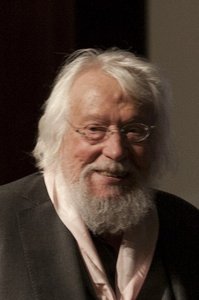
júlio artur da silva pomar
1926 - 2018 , Portugal
プロフィール概要
- Artistic Movement Or Style: Neo-realism
- Artists Who Influenced This Artist:
- Almada Negreiros
- George Grosz
- Candido Portinari
- Date Of Birth: January 10, 1926
- Date Of Death: May 22, 2018
- Full Name: Júlio Artur da Silva Pomar
- Nationality: Portuguese
- Notable Artworks:
- O almoço do trolha
- Ciclo do arroz
- Resistência
- Gadanheiro
- Place Of Birth: Lisbon, Portugal