

 プレビュー
プレビュー
 プリントを購入
 シェアする
シェアする シェアする
シェアする
 詳細を見る
詳細を見る

 ダウンロード
 似ている作品
 X線調査
X線調査 スライドショー
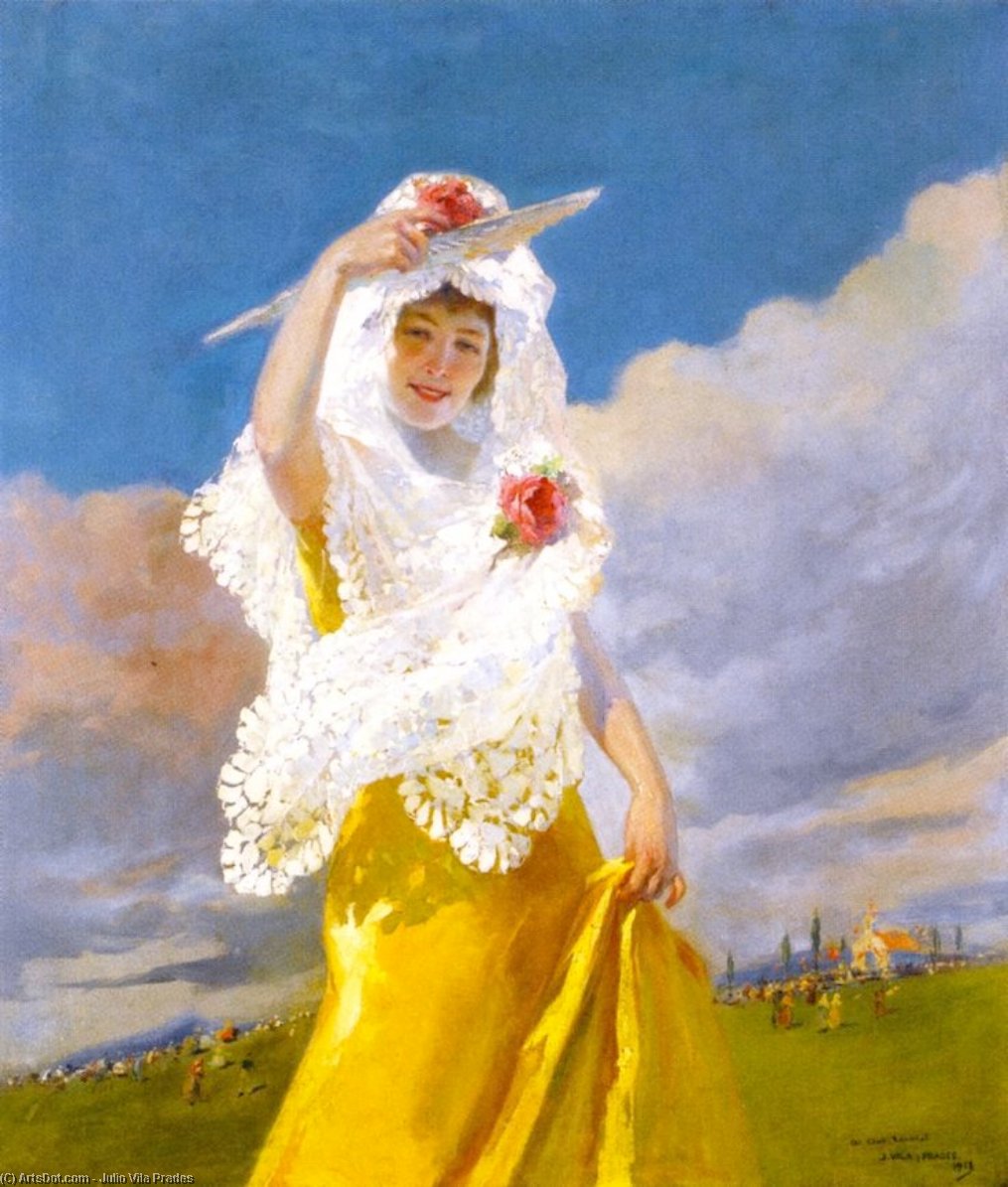
Española con Mantilla (also known as The White Mantilla)
 Impressionism
 1913
1913 97.0 x 84.0 cm
 詳細を見る
詳細を見る




































作品のオリジナル比率に合わせた、当店の規定サイズからお選びください。

特定のフレームやスペースに合わせて、ご希望のサイズをご入力いただけます。選択されたサイズが元の画像の比率と異なる場合、アートワークをトリミングするか、手描きで要素を追加して絵画を拡張いたします。デジタルモックアップ を制作し、制作開始前にご確認(承認)をいただきます。
画面上のプレビューは、実際のトリミングや拡張を正確に反映しているものではありません。最終的な構図は、モックアップによってのみ正確にご確認いただけます。
カスタムサイズもご利用いただけますが、元の比率を維持するためには、あらかじめ用意されたリストからサイズを選択することをお勧めいたします。
ご注文後、ArtsDot.com チームより詳細な指示をお送りするとともに、仕上がりイメージ(モックアップ)をご提供いたします。


 ガラスオプションは、110cm未満のサイズでのみご利用いただけます。

Española con Mantilla (also known as The White Mantilla)
複製技法
複製画のサイズ
-


合計金額
$ 263
A Glimpse into the Artist's World
Julio Vila Prades was a prominent figure in the art world, and his work is highly regarded for its beauty and elegance. The Arnot Art Museum in the United States is home to an impressive collection of European and American paintings, including works by notable artists like George Fiddes Watt and Pavel Filonov. For more information on these artists and their works, visit /art/list/?Filter=A@D3C3ZR-Arnot-Art-Museum-(United-States).The Painting's Significance
The Española con Mantilla painting is a remarkable example of oil on canvas art, featuring a woman wearing a white mantilla with red flowers. The subject appears to be smiling as she holds her hat in the air, set against a backdrop of a field with people scattered throughout. A bird is also visible near the top right corner of the painting, adding to the scene's serenity. To learn more about this painting and others like it, visit /art/list/?Filter=8XXB4M-Julio-Vila-Prades-Espanola-con-Mantilla-(also-known-as-The-White-Mantilla).- The painting's use of color and composition creates a sense of harmony and balance.
- The subject's expression and posture convey a sense of joy and carefree spirit.
- The background scene adds depth and context to the painting, making it more engaging and interesting.
For a deeper understanding of the artist's life and career, as well as his notable works, visit /art/list/?Filter=AQZJ9J-Julio-Vila-Y-Prades-Espanola-con-mantilla-(the-white-mantilla).
関連作品

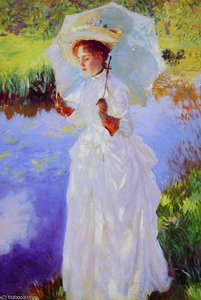
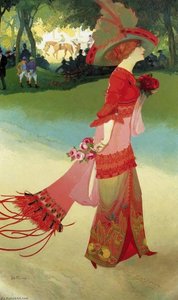
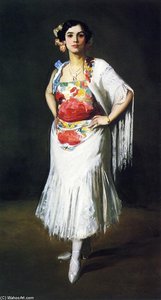
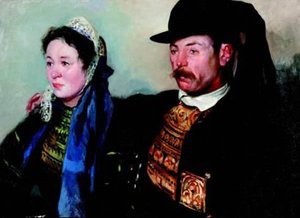
アーティストの略歴
The Luminous Legacy of Julio Vila y Prades
In the golden era of Spanish Impressionism, few artists captured the ephemeral dance of light and the quiet dignity of tradition as tenderly as Julio Vila y Prades. Born in Valencia in 1873, his life was a journey through the vibrant landscapes of Spain and the sweeping vistas of Latin America, leaving behind a body of work that serves as a window into a bygone era. His artistic soul was forged in the prestigious halls of the Real Academia de Bellas Artes de San Carlos, where, despite his parents' initial reservations, he pursued a calling that would eventually define his existence. This early dedication to the craft allowed him to master the nuances of form and color, setting the stage for a career marked by both technical precision and emotional depth.
The trajectory of Vila y Prades’s style was irrevocably altered by his profound encounter with the legendary Joaquín Sorolla. Serving as an assistant in Sorolla's workshop from 1893 to 1904, the young painter absorbed the master's unparalleled ability to translate the Mediterranean sun onto canvas. This mentorship instilled in him a lifelong fascination with the fleeting nature of light—the way it dances across a white mantilla or illuminates a rural landscape at dusk. Through this influence, Vila y Prates developed a signature technique that blended the soft, expressive brushstrokes of Impressionism with the evocative, often mysterious undertones of Symbolism, creating works that felt both immediate and timeless.
A Tapestry of Spanish Life and Light
The oeuvre of Julio Vila y Prades is a rich tapestry woven from the threads of everyday Spanish life. He possessed a rare gift for elevating genre scenes—simple moments of domesticity or regional character—into profound meditations on culture and identity. His landscapes, particularly those depicting the sun-drenched regions of Catalonia, are far more than mere topographical records; they are atmospheric experiences that invite the viewer to feel the warmth of the Spanish sun and the stillness of the countryside. In his hands, a field becomes a stage for light, and a simple portrait becomes an exploration of human dignity.
His notable works often focus on the intersection of person and place, characterized by:
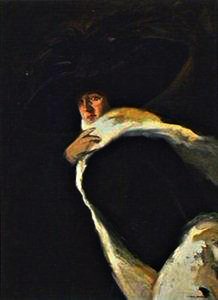
- Española con Mantilla: A 1913 masterpiece that exemplifies his ability to capture joy and movement, featuring a woman in a white mantilla amidst a lively, sunlit scene.
- Tipos regionales: A series of portraits that utilize muted tones and realistic textures to celebrate the enduring spirit and traditional attire of Spanish regional figures.
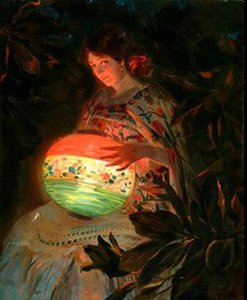
- La Niña de la Lampara: A captivating study of light and shadow, where a single lantern illuminates a subject, showcasing his post-impressionist mastery of chiaroscuro.
Beyond his easel paintings, Vila y Prades was also a skilled muralist, contributing to the decorative and architectural grandeur of his time. His ability to scale his vision from the intimate detail of an oil portrait to the sweeping narrative of a mural allowed him to leave a lasting mark on both private collections and public spaces. As he moved through Spain and Latin America, his work acted as a cultural bridge, carrying the essence of Spanish tradition into new territories. Today, his legacy remains a vital part of the art historical canon, reminding us of a period when the brush could capture not just what the eye sees, but what the heart feels.
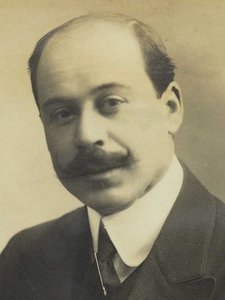
julio vila prades
1873 - 1930 , Spain
基本情報
- Artistic Movement Or Style: Post-Impressionism
- Artists Or Movements Influenced By This Artist: ['Impressionism']
- Artists Who Influenced This Artist: ['Gustave Moreau']
- Date Of Birth: April 9, 1873
- Full Name: Julio Vila y Prades
- Nationality: Spanish
- Notable Artworks:
- Española con Mantilla
- Tipos regionales
- La Niña de la Lampara
- Place Of Birth: Valencia, Spain
関連記事

The Enduring Legacy of Oil on Canvas: Technique, History & Aesthetic Impact
Explore the rich history & techniques of oil painting – from Renaissance masters to Impressionism. Discover pigments, layering methods, and why this timeless medium endures. Expert insights for artists & art enthusiasts.

Oil on Canvas: A Historical & Technical Exploration of a Timeless Artistic Medium
Explore the rich history & enduring techniques of oil painting on canvas. Discover the science behind its longevity, conservation practices, and contemporary relevance. Expert insights for art enthusiasts.

油彩のキャンバス:技法、歴史、そして現代の実践 - 古典美術愛好家へ
油彩の技法、歴史、巨匠たちの秘密を徹底解説。古典美術愛好家向けに、初期フランドル絵画から現代の実践まで深く掘り下げます。ArtsDotで高品質な複製画やカスタムオーダーも承ります。
Oil on Canvas Masters: 10 Paintings That Redefined Art History |
Journey through art history with our guide to 10 legendary oil on canvas masterpieces! Explore iconic works by Van Gogh, Monet & Rembrandt. Find museum-quality reproductions and elevate your home decor at . Discover all masterpieces online.

The Enduring Power of Painting: A Historical & Contemporary Exploration of Form and Emotion
Explore the rich history & enduring techniques of oil painting with ArtsDot. Discover masterpieces, learn about art collecting, and find authentic handmade reproductions crafted by skilled artists.

