

 プレビュー
プレビュー
 シェアする
シェアする シェアする
シェアする
 詳細を見る
詳細を見る

 ダウンロード
 似ている作品
 X線調査
X線調査 スライドショー
 統計情報
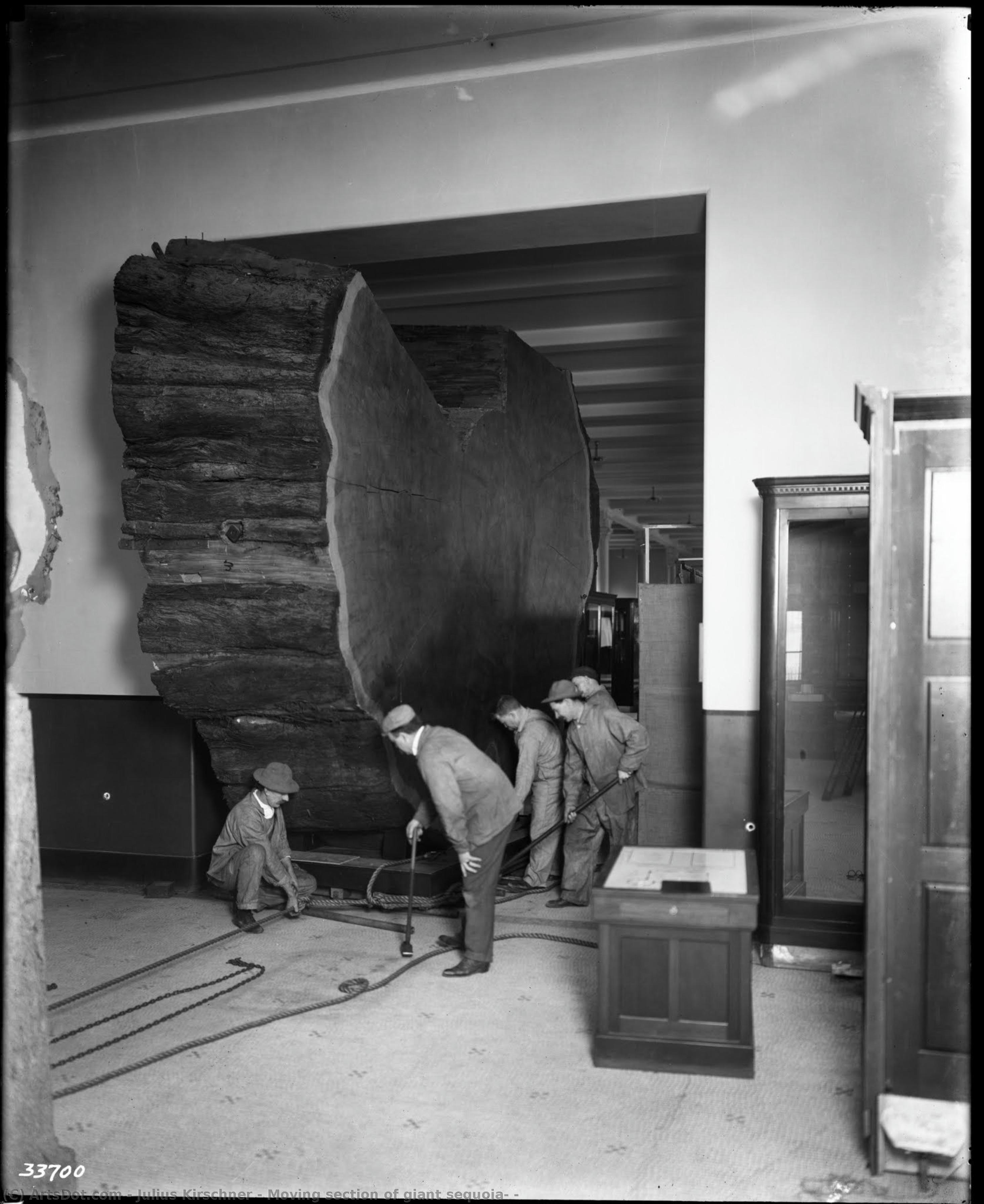
統計情報Moving section of giant sequoia,


 詳細を見る
詳細を見る
オンラインプレビューをはるかに凌ぐ、高解像度で鮮明なデジタル画像をご購入いただけます。
各ファイルは、社内の専門家が高度なツールと熟練した手作業によるレタッチを用いて、細心の注意を払って準備されています。すべての画像において、卓越した鮮明度、正確な色彩再現性、そして繊細なディテールを保証いたします。
最終ファイルは、プロフェッショナルな編集・印刷環境ですぐにご利用いただけるよう最適化された状態で、72時間以内にメールにてお届けいたします。これは、一流のデザインスタジオ、出版社、ギャラリーから信頼されているものと同等の品質です。
デジタルアート
個人での鑑賞、印刷、クリエイティブなプロジェクト用に、高解像度ファイルをダウンロードできます。 ( プリント版に切り替え 手描きの絵画を購入)
デジタル画像のご注文に付随する特典
高品質なデジタル画像配信を、確かな品質で。
ArtsDot.com を選ぶことは、単に画像を手に入れることではありません。それは、プロの手によって精密に仕上げられ、満足保証が付いた高品質なデジタルアートワークを受け取ることを意味します。ご注文いただいた際に自動的に付随する内容は、以下の通りです:

メールですぐにお届け
ご注文から72時間以内に、高解像度のデジタル画像ファイルがメールでお手元に届きます。すぐにそのままご利用いただけます。

AI技術で最適化されたデジタルファイル
お客様の作品は、高度なAIツールと専門家による手作業の編集を組み合わせてプロフェッショナルに最適化されており、細部のディテール、鮮明さ、そして正確な色再現性を最大限に引き出しています。

一生涯無料の再送サービス
ファイルを誤って削除したり、紛失してしまったりしましたか?ご安心ください。いつでも無料で再送いたします。

輸入手数料は一切かかりません
関税や手数料、配送料を気にすることなく、お気に入りのアートワークをすぐにお楽しみいただけます。デジタルダウンロードは常に免税です。

色彩再現の保証
プロ仕様のツールとカラーマネジメント技術を用いることで、デジタル画像が元の色を最大限に忠実に再現することを保証いたします。

100日間満足保証
ご購入いただいたデジタル画像にご満足いただけない場合は、100日以内であれば、理由を問わず修正または100%の返金対応をさせていただきます。

100% 返金保証
ご満足いただけない場合は、デジタルファイルを受け取ってから100日以内であれば、理由を問わず全額返金いたします。

まとめ買い割引
3枚購入で10%OFF - 5枚購入で15%OFF - 10枚以上購入で20%OFF。クリエイティブなプロジェクト、ギャラリー、エージェンシーに最適です。
関連作品
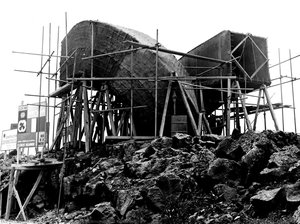
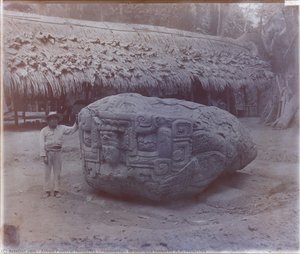
作家の略歴
The Architect of Natural Essence: The Life and Legacy of Julius Kirschner
In the grand tapestry of American art history, certain figures exist in the delicate intersection between scientific precision and poetic vision. Julius Mordecai Kirschner (1876–1953) was one such pioneer, a man whose hands did not merely paint light but physically reconstructed the very textures of the natural world. Born in Brooklyn, New York, Kirschner’s journey began far from the rugged landscapes that would later define his soul. Trained at the prestigious Pratt Institute, he initially mastered the disciplined art of architectural drafting—a skill that provided him with a foundational understanding of structure, scale, and proportion. While his early career as an illustrator allowed him to hone his observational eye, it was a profound fascination with the organic complexity of nature that would eventually lead him away from the flat surface of paper and toward the three-dimensional creation of life-like models.
Kirschner’s artistic evolution was deeply influenced by the dramatic narratives of Gustave Doré and the refined sculptural sensibilities of Alexandre Cabanel. From these masters, he inherited a profound respect for form and the ability to imbue a subject with a sense of monumental importance. However, unlike the Impressionists who sought to dissolve form into fleeting moments of light, Kirschner sought to solidify it. His expeditions to Yosemite National Park between 1908 and 1917 served as his most transformative period. During these years, he moved beyond mere documentation, attempting to capture the ancient, towering majesty of the giant sequoias. This was not achieved through traditional oils alone, but through a laborious, tactile process involving plaster, burlap, and pigment, creating models that breathed with the rugged texture of bark and the immense weight of history.
Mastery of Form and the Art of Reconstruction
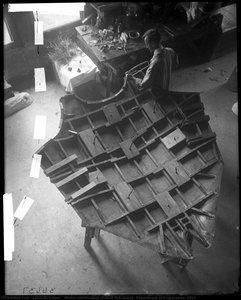
The true genius of Kirschner lay in his ability to bridge the gap between biological specimen and artistic masterpiece. His work was characterized by an almost obsessive dedication to accuracy, yet it never lost its sense of wonder. This is perhaps most vividly seen in his ambitious Devil Fish Manta project. Utilizing a specimen brought from the waters of Hawaii, Kirschner embarked on a monumental undertaking to recreate the ethereal grace of the manta ray. Through meticulous model construction, he was able to translate the fluid, undulating essence of marine life into a tangible form that could be studied and admired, showcasing a level of craftsmanship that blurred the lines between the laboratory and the studio.
His technical repertoire was as diverse as the subjects he chose to immortalize. The following elements defined his unique approach to model construction:
- Material Innovation: The use of unconventional materials like burlap and plaster to mimic organic textures such as tree bark and skin.
- Scientific Observation: A commitment to anatomical and botanical accuracy derived from direct field study and specimen analysis.
- Structural Integrity: Applying his architectural training to ensure that even the most complex natural forms possessed a sense of physical permanence and scale.
A Lasting Impression on Natural History
Though often overshadowed by the more famous painters of his era, Kirschner’s historical significance remains profound, particularly within the realms of scientific illustration and museum curation. His work contributed to a period where art served as a vital tool for public education and the preservation of natural wonders. By recreating the colossal scale of the sequoias and the alien beauty of deep-sea creatures, he allowed audiences to experience the grandeur of the world from within the halls of institutions like the American Museum of Natural History.
Today, the legacy of Julius Kirschner lives on in the way we perceive the intersection of art and science. He remains a singular figure—a creator who did not just observe the world, but painstakingly rebuilt it, piece by piece, to ensure that its most magnificent wonders would never be forgotten. His life stands as a testament to the idea that true art is found not only in what we see, but in how deeply we are willing to touch and understand the subjects of our devotion.
julius kirschner
United States of America
プロフィール概要
- Artistic Movement Or Style: Early American Impressionism
- Date Of Death: Living
- Full Name: Julius Mordecai Kirschner
- Nationality: American
- Notable Artworks:
- Devil Fish Manta
- Giant Sequoia
- Place Of Birth: United States