

 プレビュー
プレビュー
 シェアする
シェアする シェアする
シェアする
 詳細を見る
詳細を見る

 ダウンロード
 似ている作品
 X線調査
X線調査 スライドショー
 Stats
StatsLittle Girl


 詳細を見る
詳細を見る
オンラインプレビューをはるかに凌ぐ、高解像度で鮮明なデジタル画像をご購入いただけます。
各ファイルは、社内の専門家が高度なツールと熟練した手作業によるレタッチを用いて、細心の注意を払って準備されています。すべての画像において、卓越した鮮明度、正確な色彩再現性、そして繊細なディテールを保証いたします。
最終ファイルは、プロフェッショナルな編集・印刷環境ですぐにご利用いただけるよう最適化された状態で、72時間以内にメールにてお届けいたします。これは、一流のデザインスタジオ、出版社、ギャラリーから信頼されているものと同等の品質です。
デジタルアート
個人での鑑賞、印刷、クリエイティブなプロジェクト用に、高解像度ファイルをダウンロードできます。 ( Switch to Print 手描きの絵画を購入)
デジタル画像のご注文に付随する特典
高品質なデジタル画像配信を、確かな品質で。
ArtsDot.com を選ぶことは、単に画像を手に入れることではありません。それは、プロの手によって精密に仕上げられ、満足保証が付いた高品質なデジタルアートワークを受け取ることを意味します。ご注文いただいた際に自動的に付随する内容は、以下の通りです:

メールですぐにお届け
ご注文から72時間以内に、高解像度のデジタル画像ファイルがメールでお手元に届きます。すぐにそのままご利用いただけます。

AI技術で最適化されたデジタルファイル
お客様の作品は、高度なAIツールと専門家による手作業の編集を組み合わせてプロフェッショナルに最適化されており、細部のディテール、鮮明さ、そして正確な色再現性を最大限に引き出しています。

一生涯無料の再送サービス
ファイルを誤って削除したり、紛失してしまったりしましたか?ご安心ください。いつでも無料で再送いたします。

輸入手数料は一切かかりません
関税や手数料、配送料を気にすることなく、お気に入りのアートワークをすぐにお楽しみいただけます。デジタルダウンロードは常に免税です。

色彩再現の保証
プロ仕様のツールとカラーマネジメント技術を用いることで、デジタル画像が元の色を最大限に忠実に再現することを保証いたします。

100日間満足保証
ご購入いただいたデジタル画像にご満足いただけない場合は、100日以内であれば、理由を問わず修正または100%の返金対応をさせていただきます。

100% 返金保証
ご満足いただけない場合は、デジタルファイルを受け取ってから100日以内であれば、理由を問わず全額返金いたします。

まとめ買い割引
3枚購入で10%OFF - 5枚購入で15%OFF - 10枚以上購入で20%OFF。クリエイティブなプロジェクト、ギャラリー、エージェンシーに最適です。
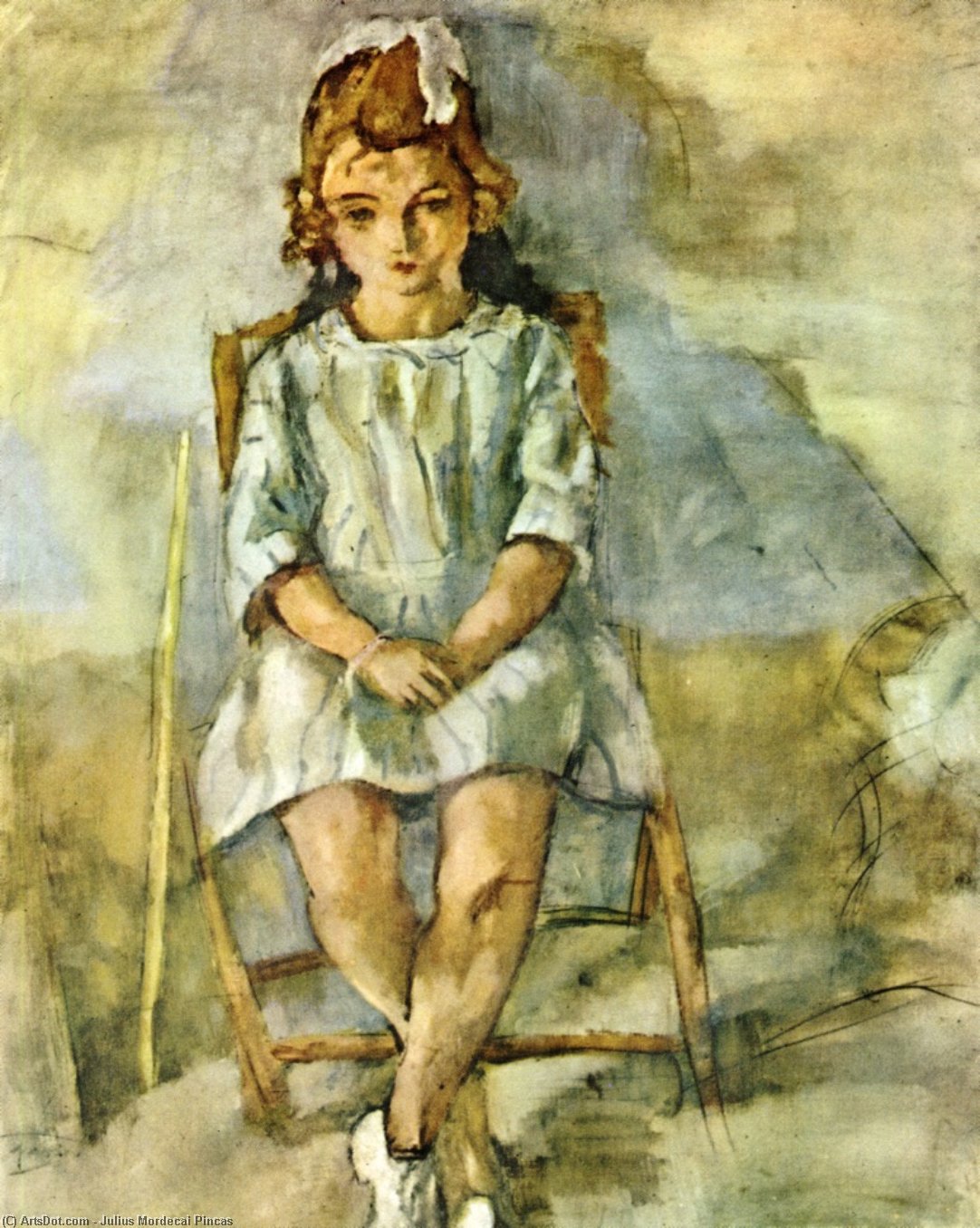
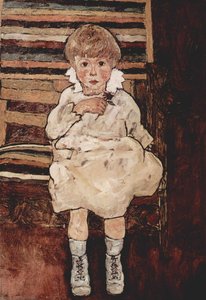
Little Girl with a Bouquet – A Portrait of Innocence Revisited
The painting “Little Girl with a Bouquet” by Julius Mordecai Pincas, completed in 1925, transcends mere representation; it’s an exquisitely crafted distillation of nostalgia and youthful vulnerability. Examining this artwork reveals not only the artist's masterful technique but also illuminates the broader cultural landscape of the Weimar Republic – a period marked by artistic experimentation alongside societal anxieties.Style and Technique: Impressionistic Echoes
Pincas, deeply influenced by Impressionism and Post-Impressionism, particularly Kandinsky’s exploration of color theory, employs an impressionistic style characterized by loose brushstrokes and vibrant hues. The artist eschews meticulous detail, prioritizing instead the conveyance of atmosphere and emotion. Notice how the dappled sunlight illuminates the girl's face and dress, creating a shimmering effect that captures fleeting moments of beauty. Thick impasto – applying paint in textured layers – contributes to the painting’s palpable physicality and reinforces its expressive power. The artist skillfully blends complementary colors—primarily yellows and blues—to heighten visual impact and imbue the scene with warmth and serenity.Historical Context: Weimar Germany's Artistic Renaissance
“Little Girl with a Bouquet” emerged during Weimar Germany’s “Golden Age,” a period of unprecedented artistic flourishing fueled by patronage from industrialists like Hugo Stempelmeyer and fuelled by a fervent embrace of avant-garde ideas. The painting reflects the optimism and idealism prevalent in intellectual circles at the time, yet it simultaneously hints at underlying tensions – anxieties about social upheaval and uncertainty regarding the future. Pincas’s work stands as testament to the era's willingness to explore both beauty and darkness within a single artistic vision.Symbolism: Flowers as Vessels of Emotion
The bouquet held by the girl is more than just decorative; it functions as a potent symbol representing purity, innocence, and springtime renewal. Flowers have long been associated with feminine virtues and spiritual contemplation – themes recurrent in Symbolist art movements. The artist’s careful selection of blossoms—likely lilies or roses—underscores these symbolic connotations, inviting viewers to contemplate the fragility of youth and the enduring power of beauty.Emotional Impact: A Moment Frozen in Time
Ultimately, “Little Girl with a Bouquet” succeeds in evoking a profound emotional response. Its serene composition and luminous palette instill a sense of tranquility and wistful longing—a yearning for simpler times and unburdened joy. The painting captures not just an image but also a feeling – the bittersweet remembrance of childhood summers and the enduring allure of unspoiled landscapes. It’s a piece that speaks to our deepest desires for connection with nature and with the beauty inherent in human experience.- Artist: Julius Mordecai Pincas
- Year: 1925
- Medium: Oil on Canvas
- Location: Hokkaido Museum


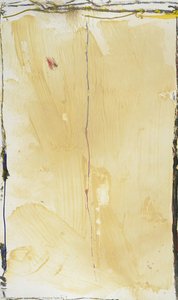
作家の略歴
ユリウス・モルデカイ・ピンカス(ジュール・パスチン):その生涯
幼少期と出自
- 誕生と家族:ジュール・パスチンとして知られるユリウス・モルデカイ・ピンカスは、1885年3月31日、ブルガリアのヴィディンに生まれました。彼は穀物貿易で財を成した裕福なセファルディム系ユダヤ人の家庭に育ちました。
- 初期のインスピレーション:1892年に家族はブカレストへと移住します。そこで若きユリウスは、地元の売春宿でスケッチを試みるなど、芸術への関心を初めて示しました。しかし、こうした初期の芸術的な傾向は、当初、父親からの不興を買うものでした。 十分な教育を受けるべく、彼はウィーン(1902年)やミュンヘン(1903年)で美術を学び、そこでパウル・クレーやヴァシリー・カンディンスキーといった巨匠たちとの繋がりを得ました。また、自身の風刺画が家族の恥となるのを避けるため、姓のアナグラムを用いて「パスチン」という偽名を採用したのです。
パリ時代と芸術的発展
- パリへの到来:1905年、パスチンはパリへと移り住み、活気あふれる芸術コミュニティの一員となりました。彼はカフェ・ド・ラ・ドームに集う「レ・ドミエ(ドームの常連たち)」のような社交界に、瞬く間に溶け込んでいきました。
- 初期の様式と影響:パリでの初期作品は、フォーヴィスムやセザンヌの影響を強く受け、肖像画や裸体画に焦点を当てていました。また、マティス・アカデミーで学び、グルーズやワトーといった18世紀の巨匠たちからもインスピレーションを得ていました。
- 独自の表現の確立:パスチンのスタイルは、次第に彼独自のものへと進化を遂げました。大胆な色彩、表情豊かな筆致、そして近代生活の親密な情景を描き出すその作風は、水彩画、素描、油彩のあらゆる媒体において卓越した才能を発揮しました。
主題と芸術的スタイル
- 繰り返される主題:パスチンの作品において、女性は中心的なテーマでした。さりげないポーズや、しばしば裸体、あるいは半裸の姿で描かれた女性たちの、脆さと官能性を、彼は驚くほど繊細な感性で捉えました。
- 大胆な色彩と構図:彼の絵画は、鮮やかなカラーパレットと緻密に計算された構図で知られています。光と影を巧みに操ることで、画面に奥行きと情緒的な雰囲気をもたらしました。
- 心理的な深み:単なる外見の描写に留まらず、パスチンの作品は、描かれた対象が抱える潜在的な心理的複雑さや感情の状態を、しばしば暗示しています。
主要作品と業績
- 緑の帽子を被った裸婦 (1925):色彩と形態の習熟を示す、彼の裸体研究の際立った例です。現在はシンシナティ美術館に収蔵されています。
- 肘掛け椅子に座る少女 (1925):家庭的な風景の中に、無垢さと美しさを見出す彼の能力を証明しています。
- 奔放な女たち (1911):20世紀初頭の変容する社会規範を反映した、挑発的な作品です。
- エルミーヌ・ダヴィッドの肖像 (1918):パリのポンピドゥー・センター、国立近代美術館に所蔵されている重要な肖像画です。
歴史的意義と遺産
- パリ派:パスチンは「パリ派」における重要人物でした。これは、20世紀初頭の近代美術を形作った、国外からパリに集まった芸術家たちの集団です。
- 後世への影響:その表現豊かなスタイルと人間感情への深い洞察は、後の世代の芸術家たちに多大な影響を与えました。
- 悲劇的な終焉:芸術的な成功の一方で、パスチンは生涯を通じて鬱病とアルコール依存症に苦しみました。1930年、彼は45歳という若さで、自ら命を絶つという悲劇的な最期を遂げました。
- 受け継がれる評価:今日、ジュール・パスチンの絵画は、その美しさ、繊細さ、そして歴史的価値において高く称賛されています。彼の作品は世界中の主要な美術館で見ることができ、ArtsDot.comのようなプラットフォームを通じて提供される複製画によって、今もなお多くの美術愛好家を魅了し続けています。
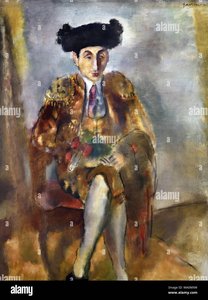
ジュール・パスチン
1885 - 1930 , ブルガリア
プロフィール概要
- Birth Date: 1885-03-31
- Birth Place: ブルガリア、ヴィディン
- Death Date: 1930-06-02
- Influenced By:
- 印象派
- セザンヌ
- フォーヴィスム
- Movement: パリ派, 表現主義
- Name: ユリウス・モルデカイ・ピンカス (ジュール・パスカン)
- Nationality: ブルガリア、アメリカ
- Notable Works:
- 緑の帽子を被った裸婦
- 肘掛け椅子に座る少女
- 奔放な女たち
- エルミーヌ・ダヴィッドの肖像