 プレビュー
プレビュー
 プリントを購入
 シェアする
シェアする シェアする
シェアする
 詳細を見る
詳細を見る

 ダウンロード
 似ている作品
 X線調査
X線調査 スライドショー
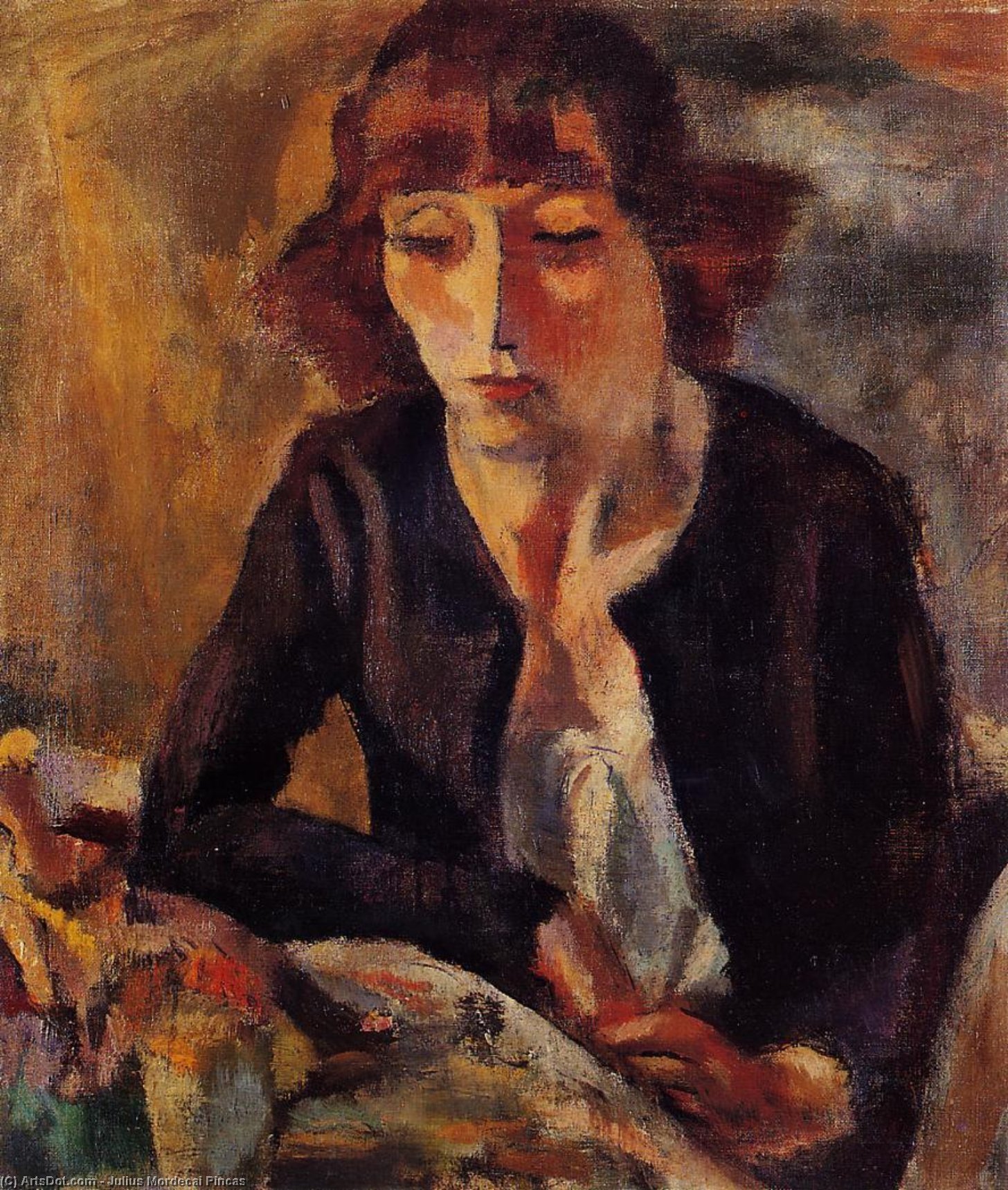
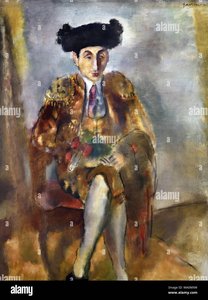
Portrait of Hermine David


 詳細を見る
詳細を見る




P118B $10

P118H $10

P118W $10

P438Z $10

P508JH $12

P508YH $12

P805H $10

P805Z $10

P919BZ $10

P919G $10

P919XJ $10

P959ZH $10

P968JZ $12

W106C $8

W218G $10

W218JH $8

W218Y $10

W307PJ $10

W316G $10

W316PJ $8

W316Y $10

W398PJ $8

W4111J $10

W500HY $15

W500JH $15

W692G $12

W849H $8

W940BG $15

W953PJ $8




作品のオリジナル比率に合わせた、当店の規定サイズからお選びください。

特定のフレームやスペースに合わせて、ご希望のサイズをご入力いただけます。選択されたサイズが元の画像の比率と異なる場合、アートワークをトリミングするか、手描きで要素を追加して絵画を拡張いたします。デジタルモックアップ を制作し、制作開始前にご確認(承認)をいただきます。
画面上のプレビューは、実際のトリミングや拡張を正確に反映しているものではありません。最終的な構図は、モックアップによってのみ正確にご確認いただけます。
カスタムサイズもご利用いただけますが、元の比率を維持するためには、あらかじめ用意されたリストからサイズを選択することをお勧めいたします。
ご注文後、ArtsDot.com チームより詳細な指示をお送りするとともに、仕上がりイメージ(モックアップ)をご提供いたします。


 ガラスオプションは、110cm未満のサイズでのみご利用いただけます。

Portrait of Hermine David
複製技法
複製画のサイズ
-


合計金額
$ 263
Portrait of Hermine David: A Study in Melancholy and Modernism
Julius Mordecai Pincas’s “Portrait of Hermine David,” painted in 1918, is more than a simple likeness; it's a poignant meditation on isolation, introspection, and the burgeoning anxieties of the early 20th century. Housed within the hallowed halls of the Musée National d'Art Moderne Centre Georges Pompidou in Paris, this oil-on-canvas masterpiece offers a glimpse into the artist’s unique vision – a blend of modernism’s bold experimentation with the expressive depth of expressionism. The painting immediately draws the viewer in with its muted palette and the subject’s profoundly melancholic gaze; it's a scene steeped in quiet contemplation, inviting us to consider the unspoken narratives held within her eyes.
Pincas, a key figure of the “School of Paris,” masterfully employs a restrained color scheme dominated by deep blues, grays, and browns. This deliberate choice contributes significantly to the painting’s somber mood, creating an atmosphere of subdued intensity. The background, deliberately blurred and indistinct, further isolates Hermine, emphasizing her solitary state. The subtle inclusion of two figures in the periphery – barely discernible yet undeniably present – hints at a past or a potential future, adding layers of complexity to the portrait's narrative. A small cup or bowl on the left side serves as an intriguing detail, acting as a grounding element and subtly drawing our attention to her hands, suggesting a quiet routine amidst the prevailing melancholy.
The Artist’s Vision: Pincas and the Modernist Spirit
Julius Mordecai Pincas was a truly singular artist, known for his distinctive style that seamlessly blended elements of modernism and expressionism. Born in Vidin, Bulgaria, in 1885, he initially faced resistance to his artistic pursuits from his family, who favored the stability of their grain trading business. His early training in Vienna and Munich exposed him to influential figures like Paul Klee and Wassily Kandinsky, shaping his approach to color, form, and composition. Pincas’s work often featured bold brushstrokes, a willingness to distort reality, and an exploration of psychological themes – qualities that are powerfully evident in the “Portrait of Hermine David.”
Unlike many portraitists of his time, Pincas wasn't interested in capturing mere physical likeness. Instead, he sought to convey the inner life of his subjects, their emotions, and their experiences. The painting’s composition – the downward gaze, the subtle tension in her posture – speaks volumes about Hermine’s state of mind. The use of oil on canvas allows for a rich, textured quality that enhances the emotional depth of the work; the brushstrokes themselves seem to vibrate with unspoken feelings.
Symbolism and Emotional Resonance
The symbolism within “Portrait of Hermine David” is layered and open to interpretation. Her downward gaze suggests introspection, perhaps even sadness or resignation. The muted colors contribute to a sense of quiet despair, while the indistinct background reinforces her isolation. Some art historians have suggested that the painting reflects the broader anxieties of the era – the uncertainties surrounding World War I, the rapid social changes sweeping across Europe, and the growing sense of alienation in modern urban life.
The portrait’s enduring power lies in its ability to evoke a profound emotional response. It's not merely a depiction of a woman; it’s an exploration of the human condition – our capacity for loneliness, our struggles with identity, and our yearning for connection. The painting invites us to contemplate the mysteries hidden beneath the surface, prompting us to consider the unspoken stories that shape our lives.
A Timeless Masterpiece: Reproductions Available
The “Portrait of Hermine David” remains a captivating work of art, offering a poignant glimpse into the artistic spirit of its time. High-quality reproductions are now available through ArtsDot.com, allowing art enthusiasts to bring this iconic image into their homes and offices. These meticulously crafted reproductions faithfully capture the painting’s rich colors, intricate details, and emotional depth, ensuring that Pincas's vision continues to resonate with audiences today. For those seeking a piece of art history, a reproduction of “Portrait of Hermine David” is an exceptional choice – a testament to the enduring power of artistic expression.
関連作品
アーティストの略歴
ユリウス・モルデカイ・ピンカス(ジュール・パスチン):その生涯
幼少期と出自
- 誕生と家族:ジュール・パスチンとして知られるユリウス・モルデカイ・ピンカスは、1885年3月31日、ブルガリアのヴィディンに生まれました。彼は穀物貿易で財を成した裕福なセファルディム系ユダヤ人の家庭に育ちました。
- 初期のインスピレーション:1892年に家族はブカレストへと移住します。そこで若きユリウスは、地元の売春宿でスケッチを試みるなど、芸術への関心を初めて示しました。しかし、こうした初期の芸術的な傾向は、当初、父親からの不興を買うものでした。 十分な教育を受けるべく、彼はウィーン(1902年)やミュンヘン(1903年)で美術を学び、そこでパウル・クレーやヴァシリー・カンディンスキーといった巨匠たちとの繋がりを得ました。また、自身の風刺画が家族の恥となるのを避けるため、姓のアナグラムを用いて「パスチン」という偽名を採用したのです。
パリ時代と芸術的発展
- パリへの到来:1905年、パスチンはパリへと移り住み、活気あふれる芸術コミュニティの一員となりました。彼はカフェ・ド・ラ・ドームに集う「レ・ドミエ(ドームの常連たち)」のような社交界に、瞬く間に溶け込んでいきました。
- 初期の様式と影響:パリでの初期作品は、フォーヴィスムやセザンヌの影響を強く受け、肖像画や裸体画に焦点を当てていました。また、マティス・アカデミーで学び、グルーズやワトーといった18世紀の巨匠たちからもインスピレーションを得ていました。
- 独自の表現の確立:パスチンのスタイルは、次第に彼独自のものへと進化を遂げました。大胆な色彩、表情豊かな筆致、そして近代生活の親密な情景を描き出すその作風は、水彩画、素描、油彩のあらゆる媒体において卓越した才能を発揮しました。
主題と芸術的スタイル
- 繰り返される主題:パスチンの作品において、女性は中心的なテーマでした。さりげないポーズや、しばしば裸体、あるいは半裸の姿で描かれた女性たちの、脆さと官能性を、彼は驚くほど繊細な感性で捉えました。
- 大胆な色彩と構図:彼の絵画は、鮮やかなカラーパレットと緻密に計算された構図で知られています。光と影を巧みに操ることで、画面に奥行きと情緒的な雰囲気をもたらしました。
- 心理的な深み:単なる外見の描写に留まらず、パスチンの作品は、描かれた対象が抱える潜在的な心理的複雑さや感情の状態を、しばしば暗示しています。
主要作品と業績
- 緑の帽子を被った裸婦 (1925):色彩と形態の習熟を示す、彼の裸体研究の際立った例です。現在はシンシナティ美術館に収蔵されています。
- 肘掛け椅子に座る少女 (1925):家庭的な風景の中に、無垢さと美しさを見出す彼の能力を証明しています。
- 奔放な女たち (1911):20世紀初頭の変容する社会規範を反映した、挑発的な作品です。
- エルミーヌ・ダヴィッドの肖像 (1918):パリのポンピドゥー・センター、国立近代美術館に所蔵されている重要な肖像画です。
歴史的意義と遺産
- パリ派:パスチンは「パリ派」における重要人物でした。これは、20世紀初頭の近代美術を形作った、国外からパリに集まった芸術家たちの集団です。
- 後世への影響:その表現豊かなスタイルと人間感情への深い洞察は、後の世代の芸術家たちに多大な影響を与えました。
- 悲劇的な終焉:芸術的な成功の一方で、パスチンは生涯を通じて鬱病とアルコール依存症に苦しみました。1930年、彼は45歳という若さで、自ら命を絶つという悲劇的な最期を遂げました。
- 受け継がれる評価:今日、ジュール・パスチンの絵画は、その美しさ、繊細さ、そして歴史的価値において高く称賛されています。彼の作品は世界中の主要な美術館で見ることができ、ArtsDot.comのようなプラットフォームを通じて提供される複製画によって、今もなお多くの美術愛好家を魅了し続けています。
ジュール・パスチン
1885 - 1930 , ブルガリア
基本情報
- Birth Date: 1885-03-31
- Birth Place: ブルガリア、ヴィディン
- Death Date: 1930-06-02
- Influenced By:
- 印象派
- セザンヌ
- フォーヴィスム
- Movement: パリ派, 表現主義
- Name: ユリウス・モルデカイ・ピンカス (ジュール・パスカン)
- Nationality: ブルガリア、アメリカ
- Notable Works:
- 緑の帽子を被った裸婦
- 肘掛け椅子に座る少女
- 奔放な女たち
- エルミーヌ・ダヴィッドの肖像
関連記事

The Enduring Legacy of Oil on Canvas: Technique, History & Aesthetic Impact
Explore the rich history & techniques of oil painting – from Renaissance masters to Impressionism. Discover pigments, layering methods, and why this timeless medium endures. Expert insights for artists & art enthusiasts.

Oil on Canvas: A Historical & Technical Exploration of a Timeless Artistic Medium
Explore the rich history & enduring techniques of oil painting on canvas. Discover the science behind its longevity, conservation practices, and contemporary relevance. Expert insights for art enthusiasts.

油彩のキャンバス:技法、歴史、そして現代の実践 - 古典美術愛好家へ
油彩の技法、歴史、巨匠たちの秘密を徹底解説。古典美術愛好家向けに、初期フランドル絵画から現代の実践まで深く掘り下げます。ArtsDotで高品質な複製画やカスタムオーダーも承ります。
Oil on Canvas Masters: 10 Paintings That Redefined Art History |
Journey through art history with our guide to 10 legendary oil on canvas masterpieces! Explore iconic works by Van Gogh, Monet & Rembrandt. Find museum-quality reproductions and elevate your home decor at . Discover all masterpieces online.

The Enduring Power of Painting: A Historical & Contemporary Exploration of Form and Emotion
Explore the rich history & enduring techniques of oil painting with ArtsDot. Discover masterpieces, learn about art collecting, and find authentic handmade reproductions crafted by skilled artists.