 プレビュー
プレビュー
 プリントを購入
 シェアする
シェアする シェアする
シェアする
 詳細を見る
詳細を見る

 ダウンロード
 似ている作品
 X線調査
X線調査 スライドショー
「セドナード・ガール・ウィズ・フローラ」


 詳細を見る
詳細を見る




P118B $10

P118H $10

P118W $10

P438Z $10

P508JH $12

P508YH $12

P805H $10

P805Z $10

P919BZ $10

P919G $10

P919XJ $10

P959ZH $10

P968JZ $12

W106C $8

W218G $10

W218JH $8

W218Y $10

W307PJ $10

W316G $10

W316PJ $8

W316Y $10

W398PJ $8

W4111J $10

W500HY $15

W500JH $15

W692G $12

W849H $8

W940BG $15

W953PJ $8




作品のオリジナル比率に合わせた、当店の規定サイズからお選びください。

特定のフレームやスペースに合わせて、ご希望のサイズをご入力いただけます。選択されたサイズが元の画像の比率と異なる場合、アートワークをトリミングするか、手描きで要素を追加して絵画を拡張いたします。デジタルモックアップ を制作し、制作開始前にご確認(承認)をいただきます。
画面上のプレビューは、実際のトリミングや拡張を正確に反映しているものではありません。最終的な構図は、モックアップによってのみ正確にご確認いただけます。
カスタムサイズもご利用いただけますが、元の比率を維持するためには、あらかじめ用意されたリストからサイズを選択することをお勧めいたします。
ご注文後、ArtsDot.com チームより詳細な指示をお送りするとともに、仕上がりイメージ(モックアップ)をご提供いたします。


 ガラスオプションは、110cm未満のサイズでのみご利用いただけます。

「セドナード・ガール・ウィズ・フローラ」
複製技法
複製画のサイズ
-


合計金額
$ 263
作品解説
Julius Mordecai Pincas: A Pioneer of Parisian Expressionism
Julius Mordecai Pincas (Jules Pascin), born March 31, 1885, in Vidin, Bulgaria, stands as a singular figure within the School of Paris—a movement that revolutionized modern art by prioritizing expressive color and delving into profound psychological explorations. His artistic trajectory began amidst familial reservations regarding his penchant for satirical sketches, yet he swiftly cultivated an extraordinary talent, honing his skills in Vienna and Munich before establishing himself in the vibrant bohemian atmosphere of Paris.
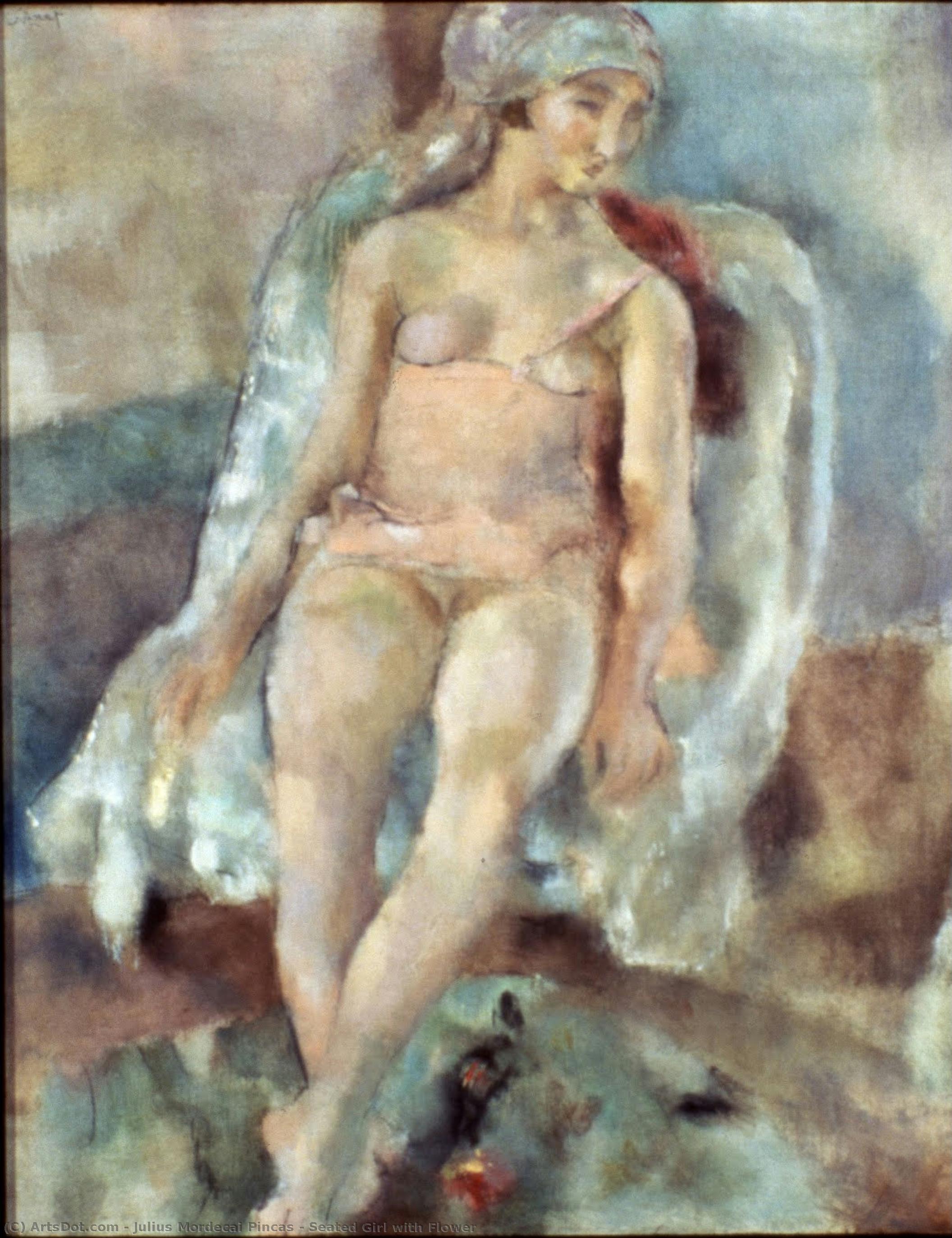
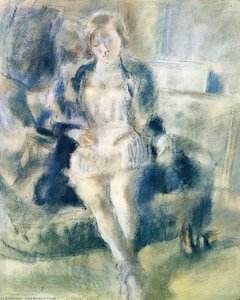
“Seated Girl with Flower,” created in 1927, embodies Pincas’s distinctive artistic vision—characterized by bold hues, dynamic brushstrokes, and a remarkable sensitivity to human emotion. This captivating portrait captures a young woman seated gracefully on a chair with her legs crossed, adorned in lingerie that subtly conveys vulnerability. The composition is meticulously balanced, featuring two birds perched strategically – one near the top left corner and another in the upper right—adding layers of visual interest and enriching the overall narrative.
The painting’s palette explodes with vibrant shades of crimson, ochre, and emerald green, skillfully blended to generate an ambiance of warmth and intimacy. Pincas’s technique employs loose brushwork, allowing for textural variation and conveying a palpable sense of movement—a departure from Impressionist approaches that prioritized capturing fleeting moments of light. Instead, he delves into the inner landscape of his subject, inviting viewers to contemplate her gaze—directed outwards with quiet contemplation and hinting at unspoken emotions.
More than just a visual representation, “Seated Girl with Flower” resonates with symbolic significance. The bird motifs represent freedom and aspiration, mirroring the youthful spirit embodied by the woman in the chair – a deliberate choice reflecting Pincas’s fascination with capturing psychological nuances within his subjects. Furthermore, the posture itself communicates repose and serenity—qualities that he consistently pursued in his artistic endeavors.
This artwork resides prominently within the Kunsthalle Bremen’s collection, cementing its enduring appeal to art connoisseurs and collectors alike. Its reproduction offers an unparalleled opportunity to experience the brilliance of Jules Pascin's vision—a testament to his mastery of color, composition, and psychological portrayal, securing his place as a cornerstone of early 20th-century artistic innovation.
The painting’s stylistic influences include Fauvism and Cézanne, demonstrating Pincas’s engagement with groundbreaking movements that challenged traditional conventions. His meticulous attention to detail—particularly in capturing the nuances of light and shadow—elevates “Seated Girl with Flower” beyond mere decorative beauty.
Considered a pivotal figure within the School of Paris, Pincas collaborated closely with artists like Paul Klee and Wassily Kandinsky, fostering an environment conducive to experimentation and artistic dialogue. His legacy continues to inspire contemporary artists who strive for expressive depth and visual impact—a testament to his enduring influence on the trajectory of modern art.
関連作品


アーティストの略歴
ユリウス・モルデカイ・ピンカス(ジュール・パスチン):その生涯
幼少期と出自
- 誕生と家族:ジュール・パスチンとして知られるユリウス・モルデカイ・ピンカスは、1885年3月31日、ブルガリアのヴィディンに生まれました。彼は穀物貿易で財を成した裕福なセファルディム系ユダヤ人の家庭に育ちました。
- 初期のインスピレーション:1892年に家族はブカレストへと移住します。そこで若きユリウスは、地元の売春宿でスケッチを試みるなど、芸術への関心を初めて示しました。しかし、こうした初期の芸術的な傾向は、当初、父親からの不興を買うものでした。 十分な教育を受けるべく、彼はウィーン(1902年)やミュンヘン(1903年)で美術を学び、そこでパウル・クレーやヴァシリー・カンディンスキーといった巨匠たちとの繋がりを得ました。また、自身の風刺画が家族の恥となるのを避けるため、姓のアナグラムを用いて「パスチン」という偽名を採用したのです。
パリ時代と芸術的発展
- パリへの到来:1905年、パスチンはパリへと移り住み、活気あふれる芸術コミュニティの一員となりました。彼はカフェ・ド・ラ・ドームに集う「レ・ドミエ(ドームの常連たち)」のような社交界に、瞬く間に溶け込んでいきました。
- 初期の様式と影響:パリでの初期作品は、フォーヴィスムやセザンヌの影響を強く受け、肖像画や裸体画に焦点を当てていました。また、マティス・アカデミーで学び、グルーズやワトーといった18世紀の巨匠たちからもインスピレーションを得ていました。
- 独自の表現の確立:パスチンのスタイルは、次第に彼独自のものへと進化を遂げました。大胆な色彩、表情豊かな筆致、そして近代生活の親密な情景を描き出すその作風は、水彩画、素描、油彩のあらゆる媒体において卓越した才能を発揮しました。
主題と芸術的スタイル
- 繰り返される主題:パスチンの作品において、女性は中心的なテーマでした。さりげないポーズや、しばしば裸体、あるいは半裸の姿で描かれた女性たちの、脆さと官能性を、彼は驚くほど繊細な感性で捉えました。
- 大胆な色彩と構図:彼の絵画は、鮮やかなカラーパレットと緻密に計算された構図で知られています。光と影を巧みに操ることで、画面に奥行きと情緒的な雰囲気をもたらしました。
- 心理的な深み:単なる外見の描写に留まらず、パスチンの作品は、描かれた対象が抱える潜在的な心理的複雑さや感情の状態を、しばしば暗示しています。
主要作品と業績
- 緑の帽子を被った裸婦 (1925):色彩と形態の習熟を示す、彼の裸体研究の際立った例です。現在はシンシナティ美術館に収蔵されています。
- 肘掛け椅子に座る少女 (1925):家庭的な風景の中に、無垢さと美しさを見出す彼の能力を証明しています。
- 奔放な女たち (1911):20世紀初頭の変容する社会規範を反映した、挑発的な作品です。
- エルミーヌ・ダヴィッドの肖像 (1918):パリのポンピドゥー・センター、国立近代美術館に所蔵されている重要な肖像画です。
歴史的意義と遺産
- パリ派:パスチンは「パリ派」における重要人物でした。これは、20世紀初頭の近代美術を形作った、国外からパリに集まった芸術家たちの集団です。
- 後世への影響:その表現豊かなスタイルと人間感情への深い洞察は、後の世代の芸術家たちに多大な影響を与えました。
- 悲劇的な終焉:芸術的な成功の一方で、パスチンは生涯を通じて鬱病とアルコール依存症に苦しみました。1930年、彼は45歳という若さで、自ら命を絶つという悲劇的な最期を遂げました。
- 受け継がれる評価:今日、ジュール・パスチンの絵画は、その美しさ、繊細さ、そして歴史的価値において高く称賛されています。彼の作品は世界中の主要な美術館で見ることができ、ArtsDot.comのようなプラットフォームを通じて提供される複製画によって、今もなお多くの美術愛好家を魅了し続けています。
ジュール・パスチン
1885 - 1930 , ブルガリア
基本情報
- Birth Date: 1885-03-31
- Birth Place: ブルガリア、ヴィディン
- Death Date: 1930-06-02
- Influenced By:
- 印象派
- セザンヌ
- フォーヴィスム
- Movement: パリ派, 表現主義
- Name: ユリウス・モルデカイ・ピンカス (ジュール・パスカン)
- Nationality: ブルガリア、アメリカ
- Notable Works:
- 緑の帽子を被った裸婦
- 肘掛け椅子に座る少女
- 奔放な女たち
- エルミーヌ・ダヴィッドの肖像
関連記事

ポール・セザンヌ:至高の25選 - 傑作と革新の軌跡 | ArtsDot
ポール・セザンヌの至高の25選。ポスト印象派を代表する画家、セザンヌの傑作と革新的な技法を紐解きます。ArtsDotで高品質な複製画やインテリアアートを見つけ、芸術の世界をご自宅に。今すぐコレクションをご覧ください。

Impressionism's Masterpieces: 10 Paintings That Defined a Movement | ArtsDot
Journey through Impressionism's heart with 10 iconic paintings by Monet, Renoir & Degas. Explore light, color & the stories behind these masterpieces. Find museum-quality art reproductions and elevate your home decor on ArtsDot.com.
The Enduring Allure of the Nude: A Historical & Artistic Exploration of the Human Form
Explore the captivating history of nude art! Discover iconic paintings & artists from classical to modern eras. Uncover symbolism, techniques & find museum-quality reproductions at ArtsDot.
The Enduring Legacy of French Art: Movements, Masters & Cultural Impact
Explore the rich history of French art, from the Salon to Impressionism & beyond. Discover iconic masters, key movements, and expert guidance for collecting timeless masterpieces. ArtsDot.
印象派を定義する至宝:時代を超えた10傑 – 美術、画家、そして洗練された空間演出
印象派を代表する10傑の世界へ。モネ、ルノワールら巨匠の技と色彩が織りなす至高の名作を紐解きます。美術、インテリアに新たなインスピレーションを。ArtsDot.comで、博物館品質のアート複製と洗練された空間演出を見つけましょう。