

 プレビュー
プレビュー
 プリントを購入
 シェアする
シェアする シェアする
シェアする
 詳細を見る
詳細を見る

 ダウンロード
 似ている作品
 X線調査
X線調査 スライドショー
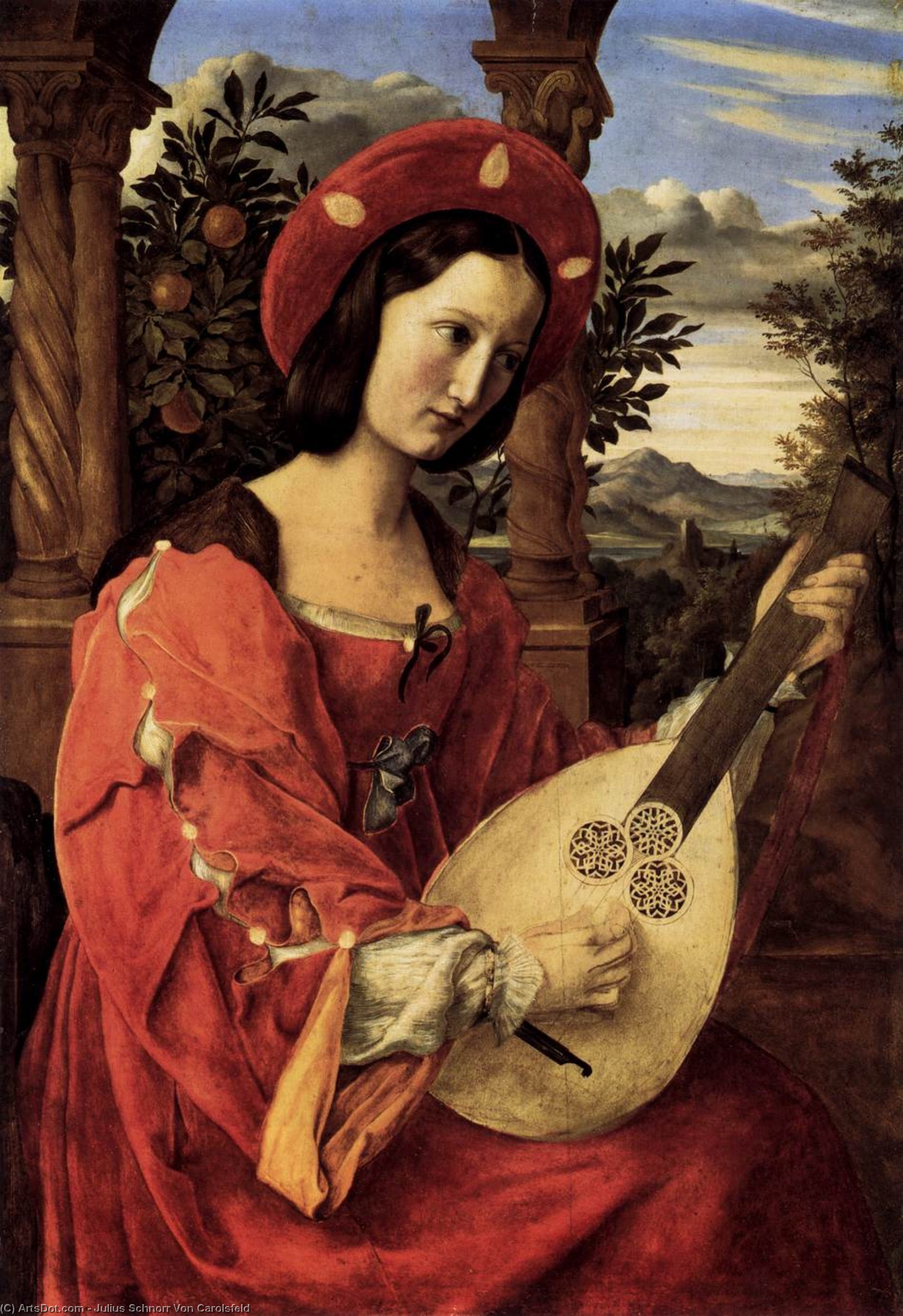
Clara Bianca von Quandt
 Oil On Canvas
- WallArt
- Renaissance
 1820
1820 37.0 x 26.0 cm
 ナショナル・ギャラリー
 詳細を見る
詳細を見る




P118B $10

P118H $10

P118W $10

P438Z $10

P508JH $12

P508YH $12

P805H $10

P805Z $10

P919BZ $10

P919G $10

P919XJ $10

P959ZH $10

P968JZ $12

W106C $8

W218G $10

W218JH $8

W218Y $10

W307PJ $10

W316G $10

W316PJ $8

W316Y $10

W398PJ $8

W4111J $10

W500HY $15

W500JH $15

W692G $12

W849H $8

W940BG $15

W953PJ $8




作品のオリジナル比率に合わせた、当店の規定サイズからお選びください。

特定のフレームやスペースに合わせて、ご希望のサイズをご入力いただけます。選択されたサイズが元の画像の比率と異なる場合、アートワークをトリミングするか、手描きで要素を追加して絵画を拡張いたします。デジタルモックアップ を制作し、制作開始前にご確認(承認)をいただきます。
画面上のプレビューは、実際のトリミングや拡張を正確に反映しているものではありません。最終的な構図は、モックアップによってのみ正確にご確認いただけます。
カスタムサイズもご利用いただけますが、元の比率を維持するためには、あらかじめ用意されたリストからサイズを選択することをお勧めいたします。
ご注文後、ArtsDot.com チームより詳細な指示をお送りするとともに、仕上がりイメージ(モックアップ)をご提供いたします。


 ガラスオプションは、110cm未満のサイズでのみご利用いただけます。

Clara Bianca von Quandt
複製技法
複製画のサイズ
-


合計金額
$ 263
作品解説
A Renaissance Reverie: Exploring Julius Schnorr von Carolsfeld’s ‘Clara Bianca von Quandt’
Julius Schnorr von Carolsfeld's “Clara Bianca von Quandt,” completed in 1820, stands as a testament to the enduring power of artistic revival and the Nazarene movement’s dedication to portraying biblical narratives with unparalleled realism. More than just a portrait, it embodies a profound meditation on beauty, piety, and the idealized vision of human form characteristic of Renaissance aesthetics—a vision that Schnorr von Carolsfeld meticulously resurrected from the stylistic conventions of his predecessors.Subject Matter and Composition: A Symbol of Virtue
The painting depicts Clara Bianca von Quandt, a prominent German philanthropist and patroness of the arts, seated gracefully before a lute. This choice of subject matter wasn’t accidental; Schnorr von Carolsfeld deliberately selected music as an emblem of spiritual contemplation and artistic excellence—values deeply cherished during the Romantic era. The central positioning of the figure against a meticulously crafted architectural backdrop reinforces this symbolic significance, elevating her status to that of a noble exemplar embodying moral virtue and refined sensibility. Columns adorned with foliage frame the scene, creating a harmonious visual dialogue between nature and human intellect.Stylistic Influences: Echoes of Classical Idealism
Schnorr von Carolsfeld’s style draws heavily from the neoclassical tradition championed by Flaxman and Michelangelo Buonarroti—artists who sought to recapture the grandeur and clarity of antiquity. The painting adheres to a rigorously observed perspective, receding into the background with subtle hillsides offering panoramic vistas. This technique lends depth and atmosphere to the composition, mirroring the humanist preoccupation with observation and rational understanding that defined the period. The artist’s masterful handling of chiaroscuro—the dramatic interplay between light and shadow—further enhances the painting's expressive power, sculpting form and conveying emotion with remarkable precision.Technique: Oil Paint Mastery – Detail and Texture
Executed in oil paint on canvas, “Clara Bianca von Quandt” exemplifies Schnorr von Carolsfeld’s unparalleled skill as a painter. The artist employed painstaking brushwork to achieve an astonishing level of textural detail—from the smooth sheen of Clara Bianca's skin to the intricate folds of her crimson gown and the textured surface of the lute’s wood. Careful blending ensures harmonious tonal transitions, creating a luminous effect that illuminates the subject’s face and clothing. The palette is dominated by rich reds and golds – colors associated with royalty and divine grace—underscoring the painting's spiritual aspirations. Lines delineate architectural elements with exacting accuracy, while shapes—oval for the face, rectangular for the columns—contribute to the overall balance and elegance of the composition.Historical Context: The Nazarene Revival
“Clara Bianca von Quandt” emerged during a fervent revival of Renaissance ideals within German art circles. Schnorr von Carolsfeld’s work represents a deliberate effort to recapture the artistic spirit of Michelangelo Buonarroti and Raphael—artists who had championed humanist principles and sought to elevate painting beyond mere decorative representation. This movement aimed to infuse religious art with classical grandeur, mirroring the spiritual fervor of the Romantic era and reaffirming the belief in beauty as an expression of divine truth.- Explore this stunning artwork at: https://www.wga.hu/html_m/s/schnorr/quandt.html
- Discover more about Julius Schnorr von Carolsfeld’s artistic legacy: /en/artists/julius-schnorr-von-carolsfeld-en/
Admire Julius Schnorr von Carolsfeld’s ‘Clara Bianca von Quandt,’ a captivating glimpse into the Renaissance spirit.
関連作品
アーティストの略歴
精神的なヴィジョンに捧げられた生涯
1794年、ライプツィヒに生を受けたユリウス・シュノル・フォン・カロルスフェルトは、ドイツの芸術的伝統に深く根ざした家庭に育ちました。尊敬を集める素描家、エングレーバー、そして画家であった父ヴァイト・ハンス・シュノル・フォン・カロルスフェルトは、幼いユリウスに最初期の芸術教育を施し、その内に基礎的な技術と視覚的表現への深い審美眼を植え付けました。この幼少期の経験は極めて重要な転換点となり、後に宗教画の代名詞となり、ルネサンスの理想を熱烈に復興させることになる彼のキャリアの軌道を決定づけました。形成期において、線と形態に対する鋭い感性はすでに育まれており、それはジョン・フラックスマンの新古典主義的な素描を模写するというユリウスの初期の修練にも顕著に表れていました。この規律正しい訓練が彼の観察力を研ぎ澄ませ、後の様式的な発展の礎となったのです。17歳で彼はウィーンへと渡り、美術アカデミーに入学しますが、この時期は芸術的な反逆精神が芽生えつつある時代でもありました。後にナザレ派運動の中心的存在となるヨハン・フリードリウス・オーバーベックらが追放されたことは、確立されたアカデミズムの規範から離れ、より精神性を重視した美学へと向かう時代のうねりを象徴していました。ナザレ派との邂逅とローマでの開花
1815年、シュノルの芸術的道筋は、オーバーベックや志を同じくする仲間たちと共にローマへ向かったことで、真に結晶化しました。これが彼のナザレ派運動への正式な参入となりました。ナザレ派とは、初期ルネサンスの巨匠たちが持っていた精神的な誠実さと様式的な明晰さに立ち返ることで、芸術を浄化しようと試みたドイツ人画家たちの集団です。彼らは当時主流であった新古典主義やロマン主義といった潮流を拒絶し、15世紀のイタリア人画家、特にフラ・アンジェリコにインスピズムを求めました。シュノルは当初、この影響を深く吸収し、そのスタイルはフラ・アンジェリコのフレスコ画を彷彿とさせる繊細な精密さと、光に満ちたパレットによって特徴づけられました。しかし、ローマでの滞在を通じて彼の芸術的ヴィジョンは次第に進化を遂げ、盛期ルネサンスのモデルが持つ壮大さと複雑さを包含するまでになりました。ナザレ派は記念碑的な芸術の究極の形態としてフレスコ画を支持しており、シュノルはラテラン近郊のヴィラ・マッシモの玄関ホールを装飾するという重要な任務を任されました。この大規模な依頼により、彼はアリオストの叙事詩を鮮やかな視覚的形態へと翻訳することに成功し、構図と物語性における才能を開花させ、運動の主要人物としての地位を確立したのです。ミュンヘンへの帰還と王室からの依頼
1825年、シュノル・フォン・カロルスフェルトはドイツへと戻り、ミュンヘンに定住してバイエルン国王ルートヴィヒ1世に仕えることとなりました。これは彼のキャリアにおける新たな章の始まりであり、大規模な装飾プロジェクトと王室の庇護によって定義される時代でした。芸術の熱狂的な擁護者であったルートヴィヒ1世は、バイエルン全土における壁画の復興を構想しており、シュノルはその野心的な事業の中核を担う人物として任命されました。彼の最も重大な依頼は、レジデンツ宮殿内の5つのホールを、ドイツの叙事詩『ニーベルングの歌』の場面を描いたフレスコ画で装飾することでした。当初、シュノルはドイツの歴史的要素と旧約聖書の物語を織り交わるような、複雑な象徴的プログラムを構想していました。それは、深遠で多層的な視覚体験を生み出すことを目的としたものでした。しかし、最終的にルートヴィヒ1世はより直接的な物語的手法を好んだため、シュノルの野心的な芸術的意図の一部は制限されることとなりました。こうした制約があったものの、完成したフレスコ画は彼の構図力と素描技術の卓越した技量を示すものであり、その緻密すぎる細部については時に批判の対象となることもありました。「絵入りの聖書」とその遺産
シュノルの後年のキャリアを支配したのは、壮大な事業である「絵入りの聖書(Picture Bible)」の制作でした。1852年から1860年にかけてライプツィヒで出版され、1861年には英語版も刊行されたこの野心的な著作は、旧約および新約聖書の場面を描いた数百にも及ぶ、細部まで精緻に作り込まれた挿絵で構成されていました。この「絵入りの聖書」は単なる図版集ではありませんでした。それはシュノルの深いルター派信仰と、広範な神学的知識の証でもあったのです。その学術的な正確さと芸術的な志の高さは称賛された一方で、一部の批評家からは、描線が複雑すぎ、調和のとれた均衡に欠けると指摘されることもありました。聖書の挿絵にとどまらず、シュノルはデザイナーとしての多才さも発揮し、グラスゴー大聖堂やロンドンのセント・ポール大聖堂といった著名な大聖堂のためにステンドグラスを制作しました。しかし、これらのデザインは、伝統的な中世の美学から逸脱していると感じる観測者もおり、評価は分かれました。1872年、ユリウス・シュノル・フォン・カロルスフェルトは、ナザレ派への貢献、膨大な宗教画の制作、そして歴史的な芸術伝統を復興させようとした揺るぎない献身という豊かな芸術的遺産を残してこの世を去りました。彼の作品は今なお芸術家や学者たちにインスピレーションを与え続け、信仰と芸術的ヴィジョンが持つ不朽の力を伝える力強い記憶として刻まれています。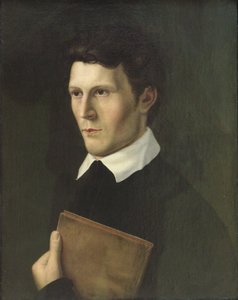
ユリウス・シュノール・フォン・カロルスフェルト
1794 - 1872 , ドイツ
基本情報
- Artistic Movement Or Style: ナザレ派
- Artists Or Movements Influenced By This Artist: ロマン主義、ルネサンス復興
- Artists Who Influenced This Artist:
- フラ・アンジェリコ
- アルブレヒト・デューラー
- Date Of Birth: 1794年
- Date Of Death: 1872年
- Full Name: ユリウス・シュノル・フォン・カロルスフェルト
- Nationality: ドイツ
- Notable Artworks:
- 聖母子
- 絵入り聖書
- Place Of Birth: ドイツ、ライプツィヒ
関連記事

The Enduring Legacy of Oil on Canvas: Technique, History & Aesthetic Impact
Explore the rich history & techniques of oil painting – from Renaissance masters to Impressionism. Discover pigments, layering methods, and why this timeless medium endures. Expert insights for artists & art enthusiasts.

Oil on Canvas: A Historical & Technical Exploration of a Timeless Artistic Medium
Explore the rich history & enduring techniques of oil painting on canvas. Discover the science behind its longevity, conservation practices, and contemporary relevance. Expert insights for art enthusiasts.
Neo-Classicism's Greatest Hits: 10 Masterpieces for Your Home |
Journey through Neo-Classicism's finest! Explore 10 iconic masterpieces by David, Ingres & Canova. Discover art history, techniques & timeless beauty – perfect for inspiring your home decor. Find museum-quality reproductions at
The Enduring Legacy of Classicism: Principles, Evolution & Influence in Western Art
Explore the enduring legacy of Classicism in Western art! Discover its historical context, key principles, iconic masterpieces & lasting influence. Learn about Renaissance and Neoclassical movements with ArtsDot.

油彩のキャンバス:技法、歴史、そして現代の実践 - 古典美術愛好家へ
油彩の技法、歴史、巨匠たちの秘密を徹底解説。古典美術愛好家向けに、初期フランドル絵画から現代の実践まで深く掘り下げます。ArtsDotで高品質な複製画やカスタムオーダーも承ります。

