

 プレビュー
プレビュー
 シェアする
シェアする シェアする
シェアする
 詳細を見る
詳細を見る

 ダウンロード
 似ている作品
 X線調査
X線調査 スライドショー
 統計情報
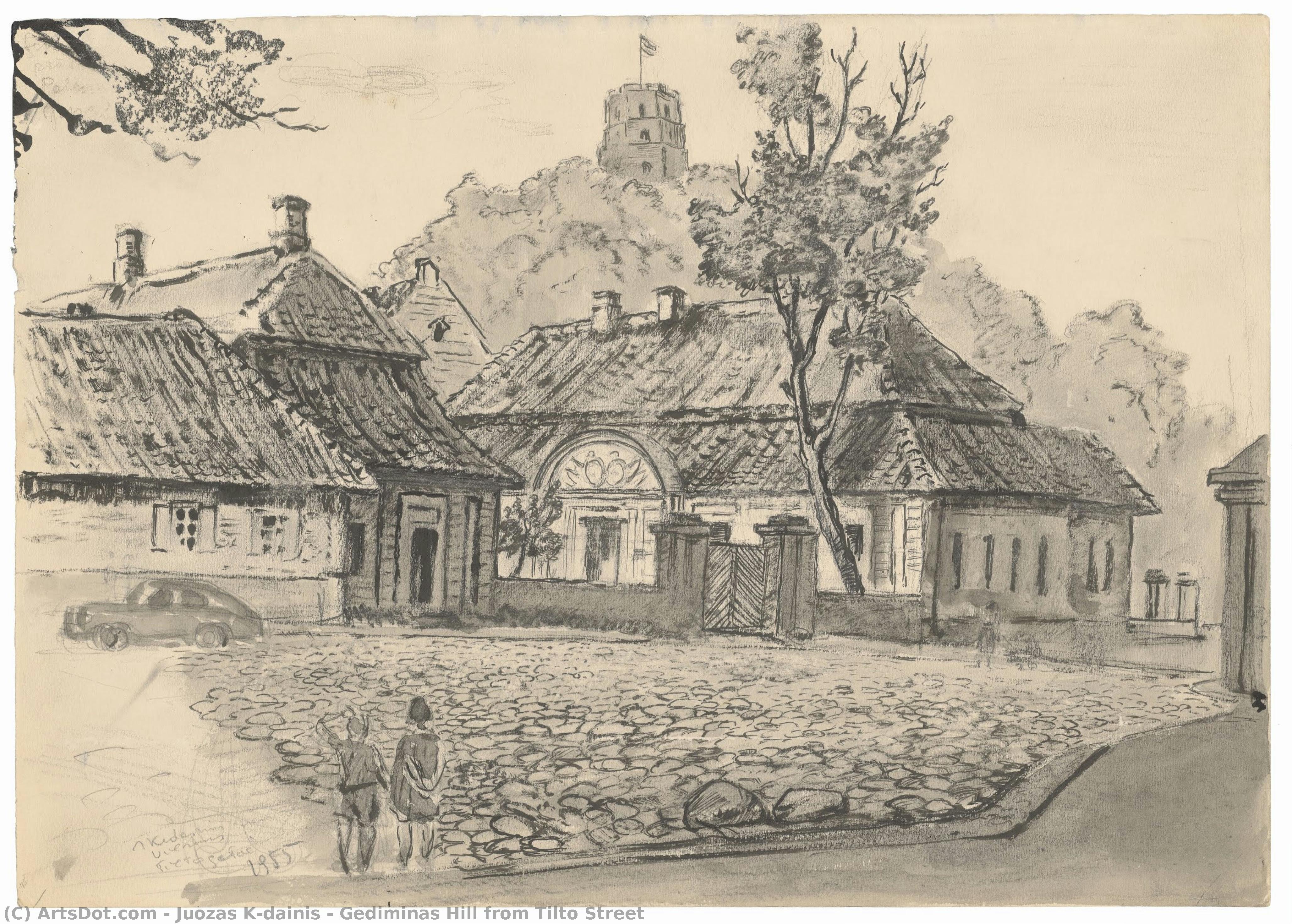
統計情報Gediminas Hill from Tilto Street


 詳細を見る
詳細を見る
オンラインプレビューをはるかに凌ぐ、高解像度で鮮明なデジタル画像をご購入いただけます。
各ファイルは、社内の専門家が高度なツールと熟練した手作業によるレタッチを用いて、細心の注意を払って準備されています。すべての画像において、卓越した鮮明度、正確な色彩再現性、そして繊細なディテールを保証いたします。
最終ファイルは、プロフェッショナルな編集・印刷環境ですぐにご利用いただけるよう最適化された状態で、72時間以内にメールにてお届けいたします。これは、一流のデザインスタジオ、出版社、ギャラリーから信頼されているものと同等の品質です。
デジタルアート
個人での鑑賞、印刷、クリエイティブなプロジェクト用に、高解像度ファイルをダウンロードできます。 ( プリント版に切り替え 手描きの絵画を購入)
デジタル画像のご注文に付随する特典
高品質なデジタル画像配信を、確かな品質で。
ArtsDot.com を選ぶことは、単に画像を手に入れることではありません。それは、プロの手によって精密に仕上げられ、満足保証が付いた高品質なデジタルアートワークを受け取ることを意味します。ご注文いただいた際に自動的に付随する内容は、以下の通りです:

メールですぐにお届け
ご注文から72時間以内に、高解像度のデジタル画像ファイルがメールでお手元に届きます。すぐにそのままご利用いただけます。

AI技術で最適化されたデジタルファイル
お客様の作品は、高度なAIツールと専門家による手作業の編集を組み合わせてプロフェッショナルに最適化されており、細部のディテール、鮮明さ、そして正確な色再現性を最大限に引き出しています。

一生涯無料の再送サービス
ファイルを誤って削除したり、紛失してしまったりしましたか?ご安心ください。いつでも無料で再送いたします。

輸入手数料は一切かかりません
関税や手数料、配送料を気にすることなく、お気に入りのアートワークをすぐにお楽しみいただけます。デジタルダウンロードは常に免税です。

色彩再現の保証
プロ仕様のツールとカラーマネジメント技術を用いることで、デジタル画像が元の色を最大限に忠実に再現することを保証いたします。

100日間満足保証
ご購入いただいたデジタル画像にご満足いただけない場合は、100日以内であれば、理由を問わず修正または100%の返金対応をさせていただきます。

100% 返金保証
ご満足いただけない場合は、デジタルファイルを受け取ってから100日以内であれば、理由を問わず全額返金いたします。

まとめ買い割引
3枚購入で10%OFF - 5枚購入で15%OFF - 10枚以上購入で20%OFF。クリエイティブなプロジェクト、ギャラリー、エージェンシーに最適です。
関連作品









作家の略歴
A Life Sculpted in Stone: The World of Juozas Kėdainis
Juozas Kėdainis, born on December 31st, 1915, in the small Lithuanian village of Karaliūniškis, emerged as a defining voice in post-war Lithuanian sculpture. His life story is one interwoven with the tumultuous currents of the 20th century, reflecting both the hardships and the enduring spirit of his nation. Kėdainis wasn’t merely an artist; he was a chronicler of everyday existence, a translator of human experience into tangible form. He passed away on November 12th, 1998, in Kaunas, leaving behind a legacy that continues to resonate within the Lithuanian art landscape and beyond. His early education at Kupiškio Gymnasium laid a foundation for his artistic pursuits, but it was his formal training at the Kauno Art School from 1933 to 1939 that truly ignited his passion for sculpture. This period proved pivotal, shaping his initial aesthetic sensibilities and providing him with the technical skills he would later refine throughout his career.From Educator to Master: Shaping a Generation
Kėdainis’s dedication extended beyond his own artistic practice; he was deeply committed to nurturing the next generation of sculptors. He began teaching at the Kauno Art School in 1945, and subsequently held positions at the Kauno Academy of Arts until 1951. This commitment culminated in his appointment as a professor at the Vilnius Academy of Fine Arts in 1970, a role he maintained with unwavering dedication until his death. His influence on Lithuanian sculpture is immeasurable, having guided countless students and fostered a vibrant artistic community. He wasn’t simply imparting technical skills; he was instilling a philosophy—a belief in the power of art to reflect life, to capture emotion, and to serve as a testament to the human condition.Themes of Daily Life: A Sculptural Narrative
Kėdainis's work is characterized by its profound connection to everyday life. He eschewed grand historical narratives or abstract explorations, instead focusing on the beauty and dignity found in ordinary moments and common people. His sculptures often depict scenes of rural existence – farmers at work, families sharing quiet intimacy, individuals engaged in simple tasks. Kolūkio arklininkas (*The Collective Farm Horseman*, 1957) and Arkliaganis (*Horse Herder*, 1957) are prime examples of this focus, celebrating the labor and resilience of Lithuanian agricultural workers. These weren’t idealized representations; they were honest portrayals of a life deeply rooted in the land. He also explored decorative themes, as seen in Poilsis (*Rest*, 1959) in Druskininku, creating harmonious forms that blended seamlessly with their surroundings.Materials and Technique: A Versatile Approach
Kėdainis demonstrated remarkable versatility in his choice of materials, working extensively with wood, granite, marble, aluminum, iron, copper, and terracotta. This willingness to experiment allowed him to fully express the nuances of each subject matter. He was particularly adept at capturing texture and form, imbuing his sculptures with a sense of warmth and vitality. His mastery extended beyond carving and modeling; he played a significant role in reviving the art of copper working in Lithuania, pushing the boundaries of traditional techniques and exploring new possibilities within the medium. The reljefs for Panevėžio dramos teatrui (*Panevėžys Drama Theatre*, 1968) showcase his skill in creating intricate details and dynamic compositions, further solidifying his reputation as a technically accomplished artist.Historical Significance: A Reflection of Post-War Lithuania
Juozas Kėdainis’s work stands as a poignant reflection of post-war Lithuania—a nation rebuilding itself after immense hardship. His sculptures weren't overtly political statements; rather, they were subtle yet powerful affirmations of human resilience and the enduring spirit of community. He captured the essence of a society striving to regain its identity and rebuild its cultural heritage. Awarded the LSSR State Prize in 1958, Kėdainis received recognition for his contributions to Lithuanian art. His sculptures continue to be held in prestigious collections, including the Lithuanian National Art Museum, ensuring that his legacy will endure for generations to come. He left behind a body of work that is not only aesthetically compelling but also deeply meaningful—a testament to the power of art to capture the human spirit and preserve the memory of a nation.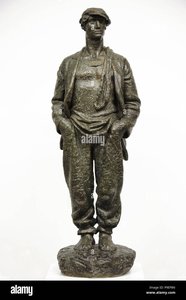
juozas kėdainis
1915 - 1998 , Lithuania
プロフィール概要
- Artistic Movement Or Style: Figurative sculpture
- Date Of Birth: December 31, 1915
- Date Of Death: November 12, 1998
- Full Name: Juozas Kėdainis
- Nationality: Lithuanian
- Notable Artworks:
- Gediminas Hill from Tilto Street
- Kolūkio arklininkas
- Arkliaganis
- Poilsis
- Place Of Birth: Karaliuiskis, Lithuania