

 プレビュー
プレビュー
 プリントを購入
 シェアする
シェアする シェアする
シェアする
 詳細を見る
詳細を見る

 ダウンロード
 似ている作品
 X線調査
X線調査 スライドショー
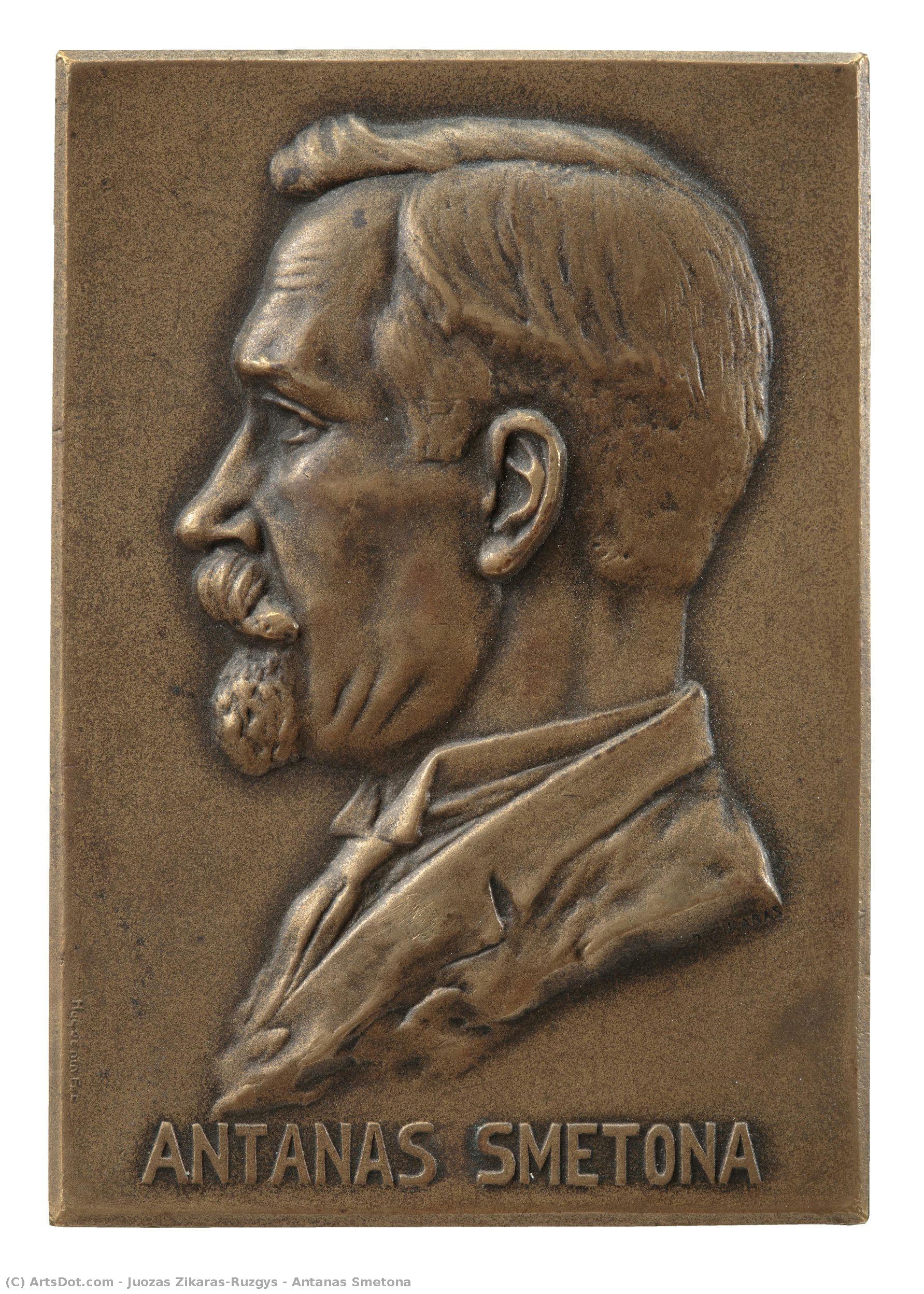
Antanas Smetona
 1940
1940 7.0 x 7.0 cm
 Lithuanian Art Fund
 詳細を見る
詳細を見る




































作品のオリジナル比率に合わせた、当店の規定サイズからお選びください。

特定のフレームやスペースに合わせて、ご希望のサイズをご入力いただけます。選択されたサイズが元の画像の比率と異なる場合、アートワークをトリミングするか、手描きで要素を追加して絵画を拡張いたします。デジタルモックアップ を制作し、制作開始前にご確認(承認)をいただきます。
画面上のプレビューは、実際のトリミングや拡張を正確に反映しているものではありません。最終的な構図は、モックアップによってのみ正確にご確認いただけます。
カスタムサイズもご利用いただけますが、元の比率を維持するためには、あらかじめ用意されたリストからサイズを選択することをお勧めいたします。
ご注文後、ArtsDot.com チームより詳細な指示をお送りするとともに、仕上がりイメージ(モックアップ)をご提供いたします。


 ガラスオプションは、110cm未満のサイズでのみご利用いただけます。

Antanas Smetona
複製技法
複製画のサイズ
-


合計金額
$ 263
関連作品








アーティストの略歴
Juozas Zikaras-Ruzgys: Echoes of Lithuania in Stone and Shadow
Born amidst the rolling hills of Paliūkai, near Panevėžys, in 1881, Juozas Zikaras-Ruzgys emerged from a landscape steeped in Lithuanian folklore and national identity. His early life, marked by the constraints of Tsarist Russia’s rule, would profoundly shape his artistic vision – a deep reverence for his homeland and a desire to capture its spirit through sculpture and painting. Zikaras wasn't merely an artist; he was a custodian of Lithuanian memory, meticulously crafting images that resonated with the nation’s yearning for independence.
Early Years and Artistic Training
Zikaras’ formal artistic education began in Vilnius at the Lev Trutnev Drawing School, followed by intensive studies under Józef Montwiłł in St. Petersburg. This exposure to both Baltic and Russian artistic traditions proved crucial, providing him with a technical foundation while simultaneously fueling his unique style – a synthesis of realism tempered by an intensely personal emotionality. His time in St. Petersburg wasn’t simply about acquiring skills; it was a period of self-discovery, as he wrestled with the complexities of identity within a larger empire.
- Vilnius (1904-1906): Initial training focused on drawing fundamentals and classical techniques.
- St. Petersburg (1907-1910): Study under Montwiłł exposed him to a more expressive, realist approach.
- Imperial Academy of Arts (1910-1915): Formal sculpting training culminated in his diploma work, setting the stage for his future career.
The Creation of Lithuania’s Currency and Beyond
Zikaras' most enduring legacy lies in his design for the pre-war Lithuanian lita coins – a powerful symbol of national pride and resilience. The iconic image, depicting a farmer tilling the land, became instantly recognizable and deeply ingrained in the collective consciousness of Lithuania. This commission wasn’t just about creating a monetary device; it was an act of artistic patriotism, imbuing a small coin with the essence of Lithuanian identity.
However, his contributions extended far beyond coinage. He also designed medals and other commemorative objects, consistently reflecting themes of national history, folklore, and rural life. His work during this period demonstrated a remarkable ability to translate complex historical narratives into accessible and emotionally resonant imagery.
A Turbulent Period and Tragic End
The turbulent years following World War I saw Zikaras grappling with the challenges of a newly independent Lithuania. He served as a teacher, imparting his knowledge to a generation of aspiring artists, while simultaneously navigating the political complexities of the era. Tragically, his commitment to his country ultimately led to his demise. Accused of harboring relatives involved in the Forest Brothers – resistance fighters battling Soviet forces – he was subjected to relentless interrogation and, on November 10, 1944, chose suicide over enduring further persecution.
This act of defiance cemented his status as a martyr for Lithuanian independence, a poignant symbol of sacrifice in the face of oppression.Legacy and Artistic Style
Juozas Zikaras-Ruzgys’s artistic style is characterized by a remarkable blend of realism and emotional depth. His portraits, particularly those depicting rural Lithuanians, are imbued with an intense sense of humanity – capturing not just physical likeness but also the spirit and dignity of his subjects. His landscapes often evoke a profound connection to the Lithuanian countryside, reflecting a deep appreciation for its natural beauty and cultural heritage.
- Realism: A grounding in classical techniques informed his meticulous attention to detail.
- Emotional Intensity: His works resonate with a palpable sense of longing, resilience, and national pride.
- Lithuanian Themes: Recurring motifs – rural life, folklore, historical figures – reflect his unwavering dedication to his homeland.
Today, Zikaras’s work continues to be celebrated as a cornerstone of Lithuanian art history, a testament to the enduring power of artistic expression in the face of adversity. His legacy lives on through the coins he designed and the evocative images that capture the soul of Lithuania.
juozas zikaras-ruzgys
1881 - 1944 , Lithuania
基本情報
- Artistic Movement Or Style: Portraiture, Lithuanian scenes
- Artists Or Movements Influenced By This Artist: ['Lithuanian art']
- Artists Who Influenced This Artist: ['Józef Montwiłł']
- Date Of Birth: November 18, 1881
- Date Of Death: November 10, 1944
- Full Name: Juozas Zikaras-Ruzgys
- Nationality: Lithuanian
- Notable Artworks:
- Litas coin design
- Various portraits
- Place Of Birth: Paliūkai, Lithuania

