

 プレビュー
プレビュー
 プリントを購入
 シェアする
シェアする シェアする
シェアする
 詳細を見る
詳細を見る

 ダウンロード
 似ている作品
 X線調査
X線調査 スライドショー
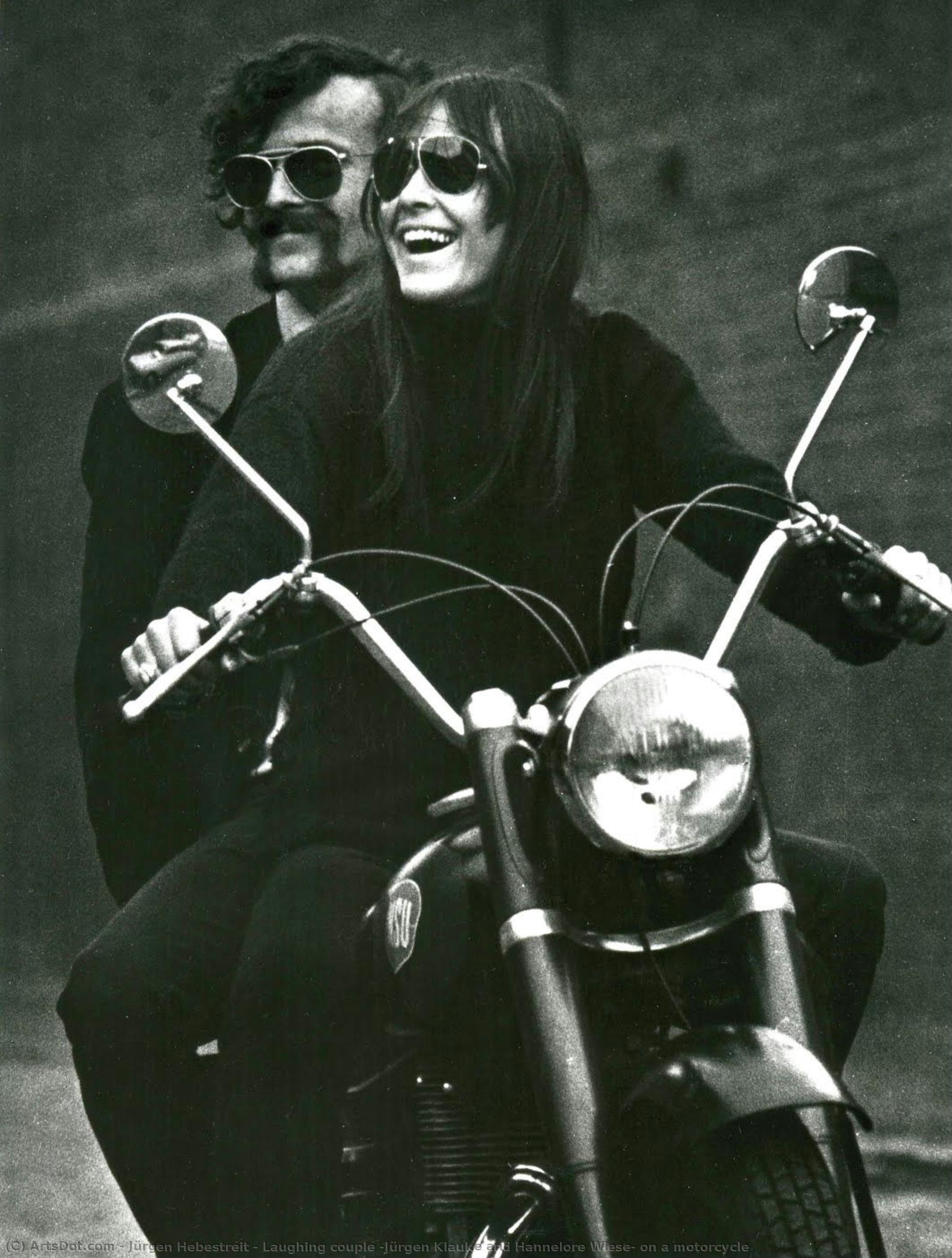
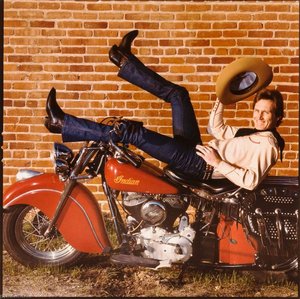
Laughing couple (Jürgen Klauke and Hannelore Wiese) on a motorcycle
 Acrylic On Canvas
- WallArt
- Contemporary Realism
 1968
1968- Modern
 24.0 x 18.0 cm
 ドイツ歴史博物館
 詳細を見る
詳細を見る
オンラインプレビューをはるかに凌ぐ、高解像度で鮮明なデジタル画像をご購入いただけます。
各ファイルは、社内の専門家が高度なツールと熟練した手作業によるレタッチを用いて、細心の注意を払って準備されています。すべての画像において、卓越した鮮明度、正確な色彩再現性、そして繊細なディテールを保証いたします。
最終ファイルは、プロフェッショナルな編集・印刷環境ですぐにご利用いただけるよう最適化された状態で、72時間以内にメールにてお届けいたします。これは、一流のデザインスタジオ、出版社、ギャラリーから信頼されているものと同等の品質です。
デジタル画像のご注文に付随する特典
高品質なデジタル画像配信を、確かな品質で。
ArtsDot.com を選ぶことは、単に画像を手に入れることではありません。それは、プロの手によって精密に仕上げられ、満足保証が付いた高品質なデジタルアートワークを受け取ることを意味します。ご注文いただいた際に自動的に付随する内容は、以下の通りです:

メールですぐにお届け
ご注文から72時間以内に、高解像度のデジタル画像ファイルがメールでお手元に届きます。すぐにそのままご利用いただけます。

AI技術で最適化されたデジタルファイル
お客様の作品は、高度なAIツールと専門家による手作業の編集を組み合わせてプロフェッショナルに最適化されており、細部のディテール、鮮明さ、そして正確な色再現性を最大限に引き出しています。

一生涯無料の再送サービス
ファイルを誤って削除したり、紛失してしまったりしましたか?ご安心ください。いつでも無料で再送いたします。

輸入手数料は一切かかりません
関税や手数料、配送料を気にすることなく、お気に入りのアートワークをすぐにお楽しみいただけます。デジタルダウンロードは常に免税です。

色彩再現の保証
プロ仕様のツールとカラーマネジメント技術を用いることで、デジタル画像が元の色を最大限に忠実に再現することを保証いたします。

60日間満足保証
ご購入いただいたデジタル画像にご満足いただけない場合は、60日以内であれば、修正または100%の返金(理由を問う必要はありません)をさせていただきます。

100% 返金保証
ご満足いただけない場合は、デジタルファイルを受け取ってから60日以内であれば、理由を問わず全額返金いたします。

まとめ買い割引
3枚購入で10%OFF - 5枚購入で15%OFF - 10枚以上購入で20%OFF。クリエイティブなプロジェクト、ギャラリー、エージェンシーに最適です。
A Moment of Shared Velocity: Jürgen Klauke's "Laughing Couple"
Jürgen Hebestreit’s 1968 photograph, “Laughing Couple (Jürgen Klauke and Hannelore Wiese) on a Motorcycle,” is more than just a snapshot of two individuals enjoying a ride; it’s a carefully constructed tableau brimming with the anxieties and aspirations of the late 1960s. The stark black and white palette immediately evokes the photographic styles prevalent at the time, reminiscent of documentary photography that sought to capture raw moments of everyday life – though here, the subject matter elevates it beyond simple observation.
- Subject Matter: The central focus is undeniably the couple, their relaxed postures suggesting a carefree existence. The man’s sunglasses and mustache add a touch of cool detachment, while the woman's expression hints at genuine amusement.
- Technical Execution: Hebestreit employs a classic photographic technique – likely utilizing a medium format camera – resulting in a sharp, detailed image with subtle tonal variations that enhance the sense of depth. The composition is deliberately balanced, drawing the eye to the motorcycle and the figures within.
- Historical Context: Created during a period of significant social and cultural upheaval, the photograph reflects the burgeoning counterculture movement’s desire for freedom, adventure, and escape from traditional norms. The motorcycle itself became a potent symbol of rebellion and youthful exuberance.
Symbolism of Movement and Liberation
The motorcycle is undeniably the key symbolic element within this image. It represents far more than just transportation; it embodies liberation, speed, and the pursuit of experience. In 1968, the motorcycle was a powerful emblem of youthful rebellion against societal constraints, mirroring the broader cultural shifts occurring globally. The couple's shared enjoyment of this mode of transport suggests a desire for companionship and a rejection of solitary pursuits. The inclusion of the clock on the wall subtly introduces an element of urgency and the fleeting nature of time – a common theme in art reflecting the anxieties of the era.
- Movement & Energy: The photograph captures a sense of kinetic energy, suggesting movement and forward momentum. This is crucial to understanding the work's emotional impact.
- The Backdrop: The blurred background adds to the feeling of speed and distance, further emphasizing the couple’s journey.
Art Decoration & Reproduction – A Legacy of Style
ArtsDot specializes in meticulously crafted hand-painted reproductions that capture not just the visual elements but also the spirit and historical context of iconic artworks like “Laughing Couple.” Our skilled artisans employ traditional techniques, including layering acrylics to achieve a depth and richness of color reminiscent of the original photograph. The result is a stunning piece of art decoration that will elevate any interior space.
- Size Options: Available in 24 x 18 cm, perfect for smaller spaces or as a captivating detail within a larger composition.
- Hand-Painted Precision: Each reproduction is individually crafted by experienced artists, ensuring exceptional quality and attention to detail.
- Material Quality: Printed on high-quality archival paper with fade-resistant inks, guaranteeing the longevity of your artwork.
Emotional Resonance & Collector’s Value
"Laughing Couple" transcends a simple portrait; it's an evocative meditation on freedom, companionship, and the allure of the open road. It speaks to our inherent desire for adventure and connection. As a piece from 1968, this photograph offers a unique window into a pivotal moment in history – a time of profound change and optimism. Investing in a hand-painted reproduction through ArtsDot ensures you own not just an image but a tangible piece of art history, destined to become a cherished addition to your collection.
関連作品
作家の略歴
Marina Abramović: A Pioneer of Pain and Presence
Born in Belgrade, Yugoslavia (now Serbia) on November 30, 1946, Marina Abramović is a figure whose work has irrevocably altered the landscape of contemporary art. Her journey began within a family steeped in Serbian Orthodox tradition – her great-uncle was Varnava, the Serbian Patriarch – an ancestry that would subtly inform her later explorations of spirituality and the human condition. From these early roots emerged an artist driven to confront the limits of both the body and perception, pushing boundaries with performances that often demand intense physical and psychological endurance from herself and her audience.
Abramović’s artistic education began at the Academy of Fine Arts in Belgrade (1970) and later continued at the Academy of Fine Arts in Zagreb (1972). These formative years exposed her to a burgeoning avant-garde scene, but it was her experiences with Ulay, a performance artist she met during her studies, that truly shaped her trajectory. Their collaborative work, particularly their long-term relationship and performances like “The Artist Is Present” (2010), became central to her practice, exploring themes of intimacy, vulnerability, and the dynamic between performer and observer.
Early Performances and Conceptual Foundations
Abramović’s early career was marked by a series of intensely physical and often unsettling performances. Beginning in the 1970s, she embarked on “Rhythm” (1973-1974), a grueling performance involving repetitive movements – walking back and forth across a stage for 72 hours – that served as a foundational exploration of endurance and the body’s capacity to withstand prolonged physical strain. This work established her reputation as an artist willing to push herself to extremes, laying the groundwork for her later explorations of pain and vulnerability.
Crucially, Abramović's early performances weren’t simply about physical exertion; they were deeply conceptual. She sought to disrupt conventional notions of art and the role of the audience. “Cleaning the Mirror” (1995), a performance in which she sat for hours each day, meticulously cleaning a mirror with a toothbrush, highlighted the performative nature of everyday actions and the potential for profound meaning within seemingly mundane tasks. This work demonstrated her ability to elevate the ordinary into the extraordinary, prompting viewers to question their own perceptions and behaviors.
The Body as Instrument and Canvas
At the core of Abramović’s practice lies a fascination with the body – not merely as an object of aesthetic contemplation, but as a dynamic instrument capable of expressing complex emotions, ideas, and even spiritual experiences. Her work frequently utilizes elements of body art and endurance art, demanding that both performer and audience confront uncomfortable truths about physicality, vulnerability, and the limits of human sensation.
Her performances often incorporate elements of ritual and symbolism, drawing on diverse cultural traditions – including Serbian Orthodox beliefs and practices – to create layered meanings. “Spirit Cooking” (1996), for example, involved Abramović consuming a meal prepared by a blind woman, symbolizing the act of relinquishing control and embracing vulnerability. These works are not simply about physical endurance; they are meditations on the interconnectedness of self, other, and the world.
Legacy and Influence
Marina Abramović’s impact on contemporary art is undeniable. She is widely considered a pioneer of performance art, having fundamentally shifted its boundaries and expanded its possibilities. Her willingness to expose herself – both physically and emotionally – has inspired countless artists to explore new forms of expression and challenge conventional notions of artistic practice.
The founding of the Marina Abramović Institute (MAI) in 2007 further solidified her legacy, establishing a vital resource for research, documentation, and support for performance art. The MAI serves as a testament to Abramović’s commitment to fostering dialogue and pushing the boundaries of artistic exploration. Her work continues to resonate with audiences worldwide, prompting reflection on the nature of human experience, the power of vulnerability, and the enduring capacity of art to transform both performer and observer.
jürgen hebestreit
1946 - , Germany
プロフィール概要
- Artistic Movement Or Style: Conceptual & Performance Art
- Artists Or Movements Influenced By This Artist: ['Performance Art']
- Artists Who Influenced This Artist:
- Ulay
- Varnava, Serbian Patriarch
- Date Of Birth: November 30, 1946
- Full Name: Marina Abramović
- Nationality: Serbian
- Notable Artworks:
- Rhythm
- Cleaning the Mirror
- Spirit Cooking
- Balkan Baroque
- Seven Easy Pieces
- The Artist Is Present
- Place Of Birth: Belgrade, Serbia

