

 プレビュー
プレビュー
 シェアする
シェアする シェアする
シェアする
 詳細を見る
詳細を見る

 ダウンロード
 似ている作品
 X線調査
X線調査 スライドショー
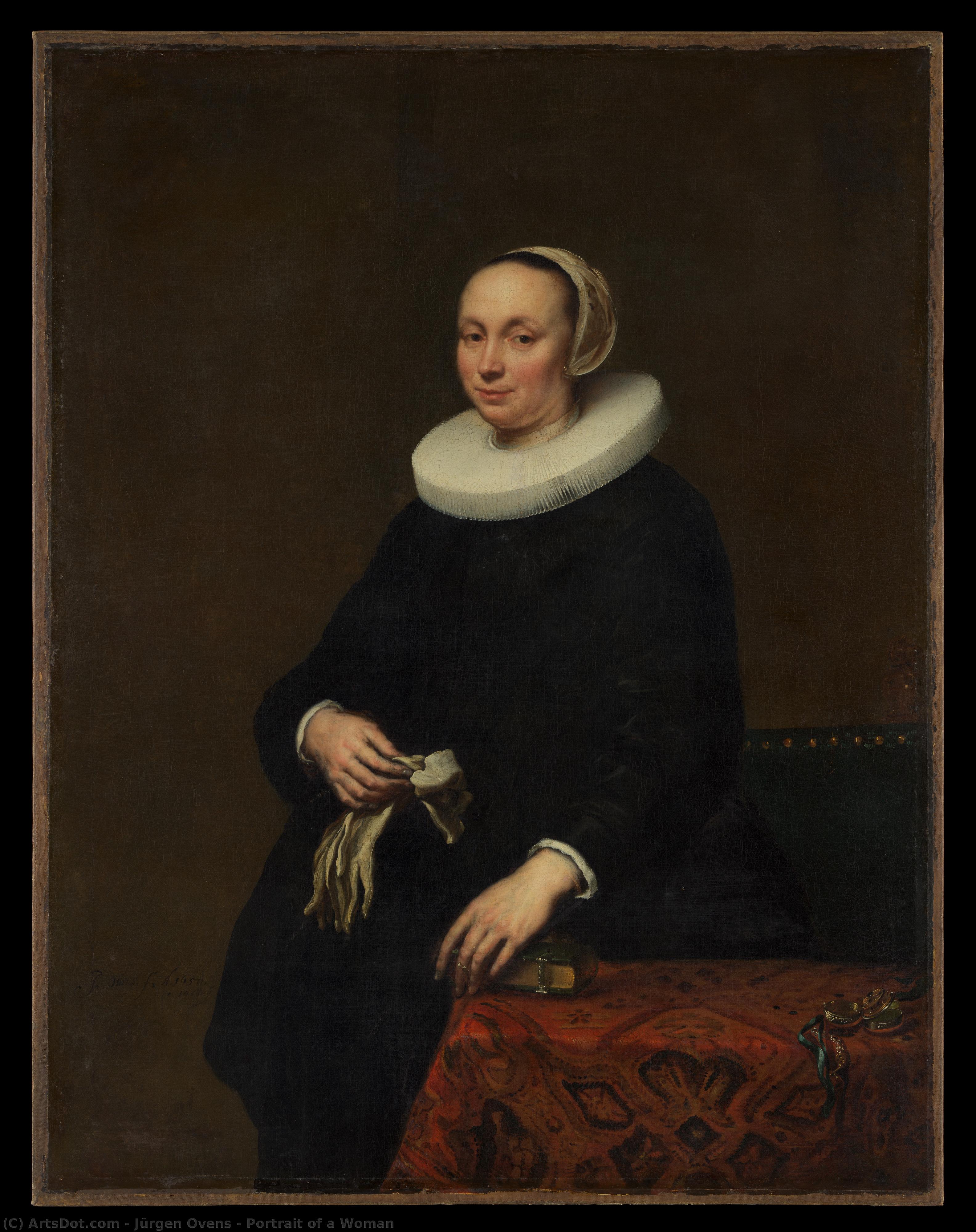
Portrait of a Woman
 Dutch Golden Age
 1650
1650 125.0 x 96.0 cm
 詳細を見る
詳細を見る
ジークレー/アートプリント
迅速な制作と多彩な仕上げオプションを備えた、ミュージアムクオリティのジークレーまたはキャンバスプリント。 ( 手描きの絵画を購入 画像を購入)




































作品のオリジナル比率に合わせた、当店の規定サイズからお選びください。

特定のフレームやスペースに合わせて、ご自身でサイズを指定することも可能です。選択されたサイズが元の画像の比率と一致しない場合、作品をトリミングするか、鏡面反射または単色での塗りつぶしによって画像を拡張いたします。制作を開始する前に、ご確認用のデジタルモックアップをお送りいたします。
画面上のプレビューには、実際のトリミングや拡張は反映されませんのでご注意ください。最終的な構図を正確に確認できるのは、モックアップのみとなります。
カスタムサイズも承っておりますが、元の比率を維持するためには、あらかじめ用意されたリストからサイズを選択することをお勧めいたします。


 ガラスオプションは、110cm未満のサイズでのみご利用いただけます。

Portrait of a Woman
ジークレー/アートプリント
複製画のサイズ
-


合計金額
$ 62
関連作品



アーティストの略歴
A Master of Light and Lineage: The Life of Jürgen Ovens
In the golden twilight of the seventeenth century, a period defined by unparalleled artistic flourishing and mercantile expansion, the name Jürgen Ovens emerged as a beacon of the Dutch Baroque. Born in 1623 in the quiet town of Tönning, within the Duchy of Schleswig, Ovens carried with him the industrious spirit of North Frisia. His early life was shaped by a unique intersection of familial fortune and artistic destiny; through his marriage, he became linked to a wealthy merchant whose substantial inheritance provided the stability necessary for Ovens to establish himself within the prestigious artistic circles of Northern Europe. This foundation allowed him to navigate the complex social landscapes of both Germany and the Netherlands, moving with ease between the courtly demands of nobility and the bustling commerce of Amsterdam.
Ovens’ journey was never a solitary one, but rather a tapestry woven from the threads of great influences. While historical accounts occasionally debate his formal training, many scholars point to the profound influence of Rembrandt, suggesting that Ovens may have been a pupil of the master himself. This connection is palpable in the way he approached the human form—not merely as a subject for documentation, but as a vessel for psychological depth. His ability to capture the subtle nuances of character, a hallmark of the Rembrandt school, allowed him to transcend simple likeness, imbuing his subjects with a sense of introspection and quiet contemplation that remains captivating centuries later.
The Grandeur of Patronage and the Amsterdam Years
As Ovens’ reputation grew, so did the scale of his ambitions. His career was marked by significant milestones that took him far beyond the borders of his homeland. In 1654, he found himself in Stockholm, tasked with the monumental commission to depict the marriage ceremony between Charles X Gustav and Hed_wig Eleonora of Holstein-Gottorp. This period of his life showcased his remarkable ability to handle large-scale historical narratives, blending meticulous detail with the dramatic flair characteristic of the Baroque era. Such high-profile work solidified his status as a painter capable of serving the highest echelons of European royalty.
The year 1657 marked a pivotal transition as Ovens relocated to Amsterdam, the beating heart of the Dutch Golden Age. Adhering to the strict regulations of the local guilds, he integrated himself into the city's vibrant economic and cultural fabric. In Amsterdam, Ovens was more than just a painter; he was an art dealer and a sophisticated participant in the global art market. His studio, a canalhouse located near that of his contemporary Govert Flink, became a hub of creative exchange. During this era, his work reflected the broader stylistic trends of the time, occasionally echoing the elegance of Anton van Dyck and the robust energy of Jacob Jordaens.
A Legacy Captured in Portraiture
The true enduring legacy of Jürgen Ovens lies in his mastery of the portrait, a genre through which he explored the social hierarchies and personal identities of his age. His oeuvre is a profound window into the seventeenth century, capturing the dignity of the merchant class and the regal poise of the aristocracy alike. Some of his most celebrated works include:
- The Portraits of Nicolaes Tulp: A remarkable feat where Ovens captured the likeness of the famed physician twice, demonstrating his ability to evolve with his subjects.
- Family Chronicles: His tender depictions of the Tulp family, including Margaretha and Dirk Tulp, which showcase a more intimate, domestic side of Baroque portraiture.
- Self-Portrait (1670): A deeply personal work that serves as an invitation into his own psyche, utilizing a rich palette of deep browns and ochres to convey a sense of profound introspection.
- Historical and Noble Commissions: His long-standing service to the Dukes of Holstein-Gottorp, for whom he worked for over three decades, bridging the gap between German nobility and Dutch artistry.
When Ovens passed away in 1678, he left behind a body of work that serves as a vital link between the Northern European traditions and the Dutch Golden Age. His ability to navigate the complexities of patronage, his skill in capturing the human soul through light and shadow, and his role as both an artist and a dealer ensure that his contribution to the history of art remains indelible. Through his brush, the faces of the past continue to gaze upon us with an unwavering intensity, bridging the centuries with every stroke.
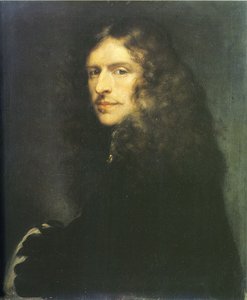
jürgen ovens
1623 - 1678 , Germany
基本情報
- Artistic Movement Or Style: Dutch Baroque
- Artists Or Movements Influenced By This Artist: ['Dutch Golden Age']
- Artists Who Influenced This Artist: ['Rembrandt']
- Date Of Birth: 1623
- Date Of Death: 1678
- Full Name: jürgen ovens
- Nationality: German
- Notable Artworks:
- A couple with six children
- Self-portrait
- Place Of Birth: Tönning, Germany
関連記事

黄金世紀の巨匠たち:バロック絵画が彩る10選|ArtsDot
オランダ黄金時代の10大傑作を紐解く!レンブラント、フェルメール…バロック絵画の魅力と時代背景を深く探求。ArtsDotで、至高のアートコレクションと空間演出のヒントを見つけよう。高品質なアートプリントで、お部屋を華やかに。

Golden Age Reflections: Dutch Baroque Painting & Cultural Innovation
Explore the Dutch Golden Age of painting! Discover key artists like Vermeer & ter Borch, their innovative techniques, and the rich cultural context behind these Baroque masterpieces. Learn about collecting & appreciating this iconic art period.

Illuminating Innovation: Exploring the Dutch Golden Age of Painting
Explore the Dutch Golden Age of painting with ArtsDot. Discover Rembrandt, Vermeer & other Masters. Learn about key characteristics, iconic artworks, and lasting influence. Expert insights for collectors & enthusiasts.
Illuminating Realism: Exploring the Dutch Golden Age of Painting (1600-1700)
Explore the Dutch Golden Age of painting (1600-1700) with ArtsDot. Discover Rembrandt, Vermeer & other masters. Learn about techniques, history & find museum-quality reproductions.
Golden Light & Dutch Skies: Bringing the Magic of Dutch Golden Age Landscapes into Your Home
Transform your home with the breathtaking light of Dutch Golden Age landscapes. Discover how hand-painted oil reproductions of masterworks like Ruisdael and Vermeer bring timeless elegance, atmosphere, and soulful texture to modern interiors. Elevate your space with museum-quality art.

