

 プレビュー
プレビュー
 プリントを購入
 シェアする
シェアする シェアする
シェアする
 詳細を見る
詳細を見る

 ダウンロード
 似ている作品
 X線調査
X線調査 スライドショー
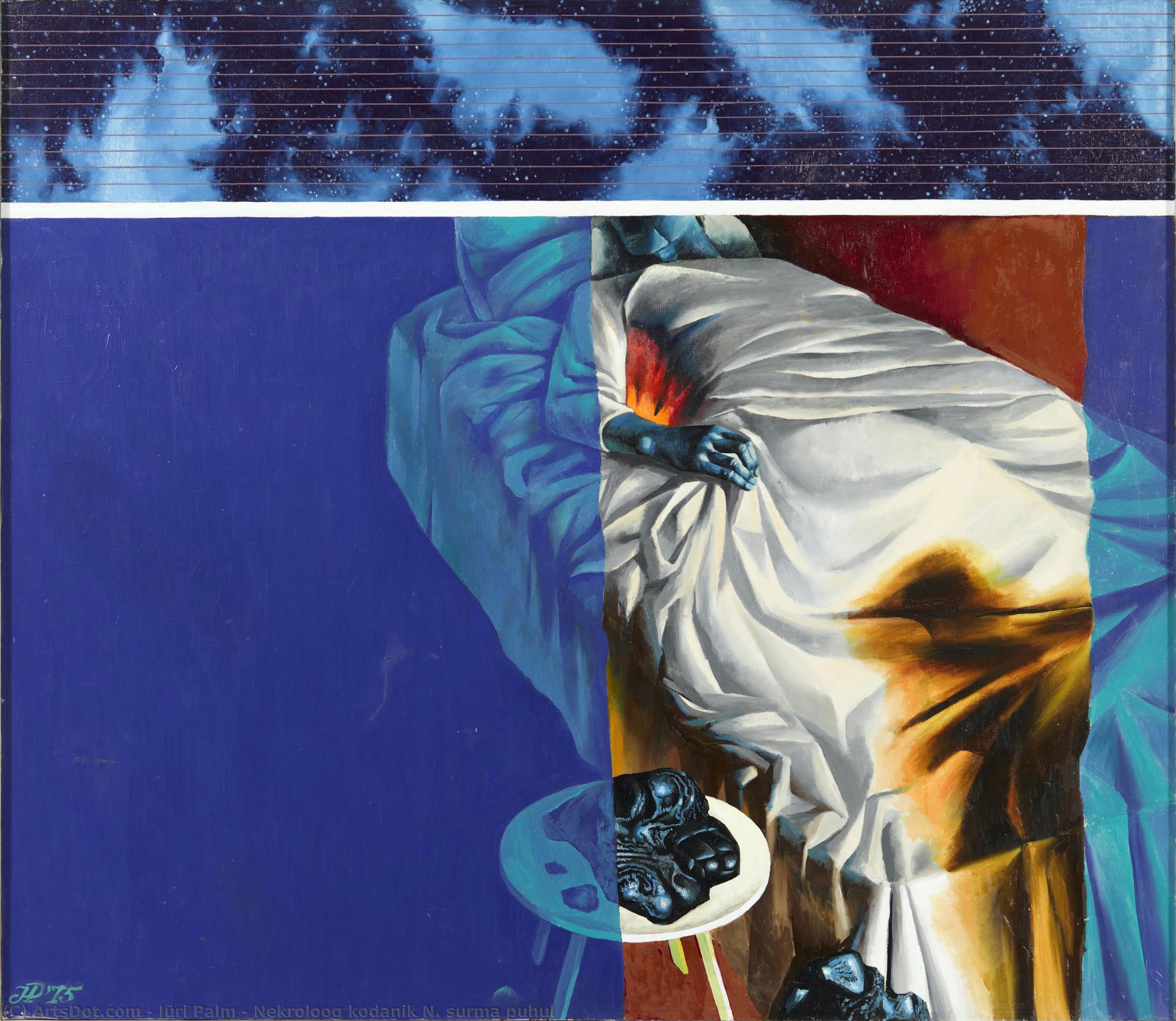
Nekroloog kodanik N. surma puhul


 詳細を見る
詳細を見る




































作品のオリジナル比率に合わせた、当店の規定サイズからお選びください。

特定のフレームやスペースに合わせて、ご希望のサイズをご入力いただけます。選択されたサイズが元の画像の比率と異なる場合、アートワークをトリミングするか、手描きで要素を追加して絵画を拡張いたします。デジタルモックアップ を制作し、制作開始前にご確認(承認)をいただきます。
画面上のプレビューは、実際のトリミングや拡張を正確に反映しているものではありません。最終的な構図は、モックアップによってのみ正確にご確認いただけます。
カスタムサイズもご利用いただけますが、元の比率を維持するためには、あらかじめ用意されたリストからサイズを選択することをお勧めいたします。
ご注文後、ArtsDot.com チームより詳細な指示をお送りするとともに、仕上がりイメージ(モックアップ)をご提供いたします。


 ガラスオプションは、110cm未満のサイズでのみご利用いただけます。

Nekroloog kodanik N. surma puhul
複製技法
複製画のサイズ
-


合計金額
$ 263
作品解説
関連作品





アーティストの略歴
The Nocturnal Soul of Tallinn: The Artistry of Jüri Palm
Jüri Palm (1937–2002) stands as a pivotal figure in the landscape of Estonian art history, a master whose brushstrokes captured the very pulse of Tallinn’s nocturnal existence. Born in Estonia during a period of profound artistic and social transformation, Palm developed a vision that was deeply intertwined with the intellectual currents of his time. His work is not merely a collection of landscapes but a psychological exploration of the urban experience, shaped significantly by the burgeoning urban literature of the 1960s. Notably, his creative journey was enriched by collaborations with influential writers such as Mati Unt, whose explorations of identity and societal change mirrored Palm’s own fascination with the shifting textures of city life.
The essence of Palm’s oeuvre lies in its ability to blend meticulous realism with a hauntingly beautiful symbolic representation. He possessed a rare gift for portraying the nocturnal cityscape not just as a collection of buildings and streets, but as a living, breathing entity. Through his eyes, the shadows of Tallinn became a canvas for exploring themes of memory, mortality, and the ephemeral nature of human connection. His technique often involved a sophisticated interplay of light and shadow, using subtle color palettes to evoke the mysterious, almost dreamlike atmosphere of the Estonian capital after dark.
Urban Visions and the Symphony of Light
Palm’s artistic output is characterized by an unwavering dedication to portraying the urban landscape with exceptional sensitivity. His works often function as a window into a world where the boundaries between reality and hallucination begin to dissolve. In his masterpiece Meie elufragment (Our Life Fragment), created in 1973, the viewer is swept into a kaleidoscopic energy that feels like a visual symphony. The painting utilizes vibrant hues and complex layering to distill the multifaceted experience of urban existence into a single, evocative image. Within this expansive canvas, one might encounter the rhythmic movement of a bustling carnival or the unexpected, surreal presence of an elephant, all serving to celebrate the beautiful unpredictability of life.
Beyond the celebratory, Palm was unafraid to delve into the more turbulent aspects of urban life. His work Tulede vool (Flow of Lights), produced between 1973 and 1974, presents a cinematic collision of light and chaos. Here, he captures a moment of violent intersection—a car and motorcycle collision—with a precision that recalls photojournalism, yet it is filtered through a lens of psychological depth. This ability to navigate between the visceral reality of an accident and the fever dream of a nocturnal city highlights his range as a storyteller. Similarly, pieces like Linn (City) act as psychological maps, using intricate compositions—such as a series of distinct window panes—to invite the viewer into a labyrinth of light and shadow.
Legacy and Historical Significance
The historical significance of Jüri Palm extends far beyond the borders of Estonia. He was an artist who successfully interrogated the profound existential questions of his era through the medium of the cityscape. His work provides a vital record of the aesthetic and intellectual shifts occurring in Estonian modernism, capturing a sense of identity that resonates with the mystery of the Baltic region. By confronting themes of mortality, as seen in Nekroloog kodanik N. surma puhul, he elevated the urban genre to a level of profound philosophical inquiry.
Today, Palm’s legacy is preserved within the hallowed halls of institutions such as the Tallinn City Museum, where his paintings continue to cast light on the city's identity. His ability to capture the ethereal essence of Tallinn’s streets ensures that his work remains a cornerstone of Estonian modern art. For collectors and historians alike, Palm offers more than just aesthetic beauty; he provides a profound emotional resonance, inviting every viewer to lose themselves in the enduring magic of the nocturnal city.
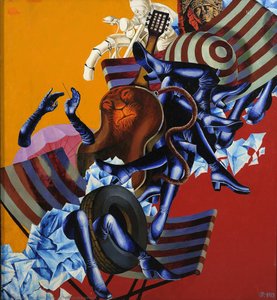
jüri palm
1937 - 2002 , Estonia
基本情報
- Artistic Movement Or Style: Urban Painting
- Artists Or Movements Influenced By This Artist: ['Urban Literature']
- Artists Who Influenced This Artist: ['Mati Unt']
- Date Of Birth: 1937
- Date Of Death: 2002
- Full Name: jüri palm
- Nationality: Estonian
- Notable Artworks:
- Lõunatund
- Meie elufragment
- Nekroloog kodanik N. surma puhul
- Place Of Birth: Estonia

