

 プレビュー
プレビュー
 プリントを購入
 シェアする
シェアする シェアする
シェアする
 詳細を見る
詳細を見る

 ダウンロード
 似ている作品
 X線調査
X線調査 スライドショー
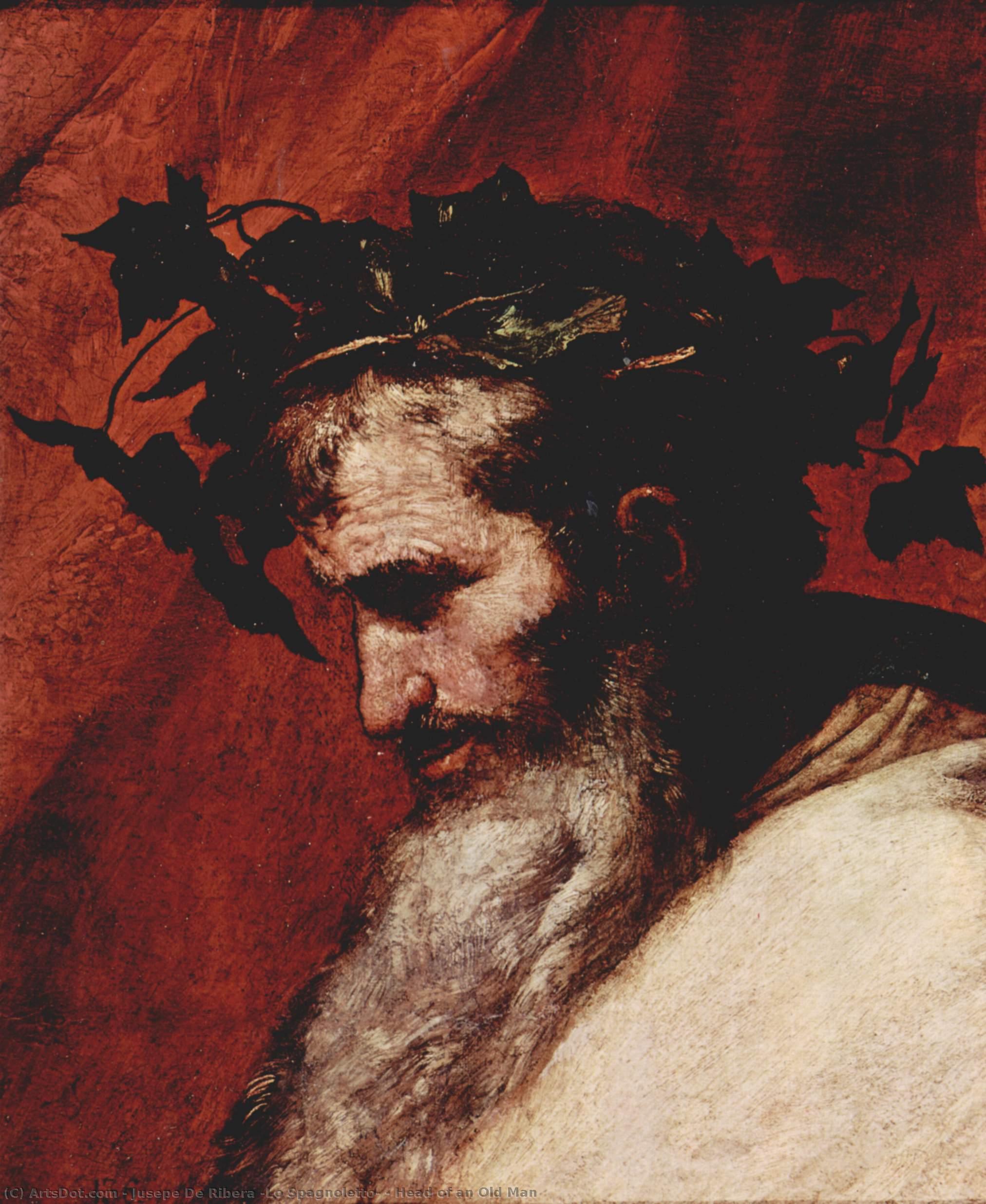
Head of an Old Man
 Oil On Canvas
- WallArt
- Baroque
 1635
1635- Early Modern
 46.0 x 55.0 cm
 プラド美術館
 詳細を見る
詳細を見る
オンラインプレビューをはるかに凌ぐ、高解像度で鮮明なデジタル画像をご購入いただけます。
各ファイルは、社内の専門家が高度なツールと熟練した手作業によるレタッチを用いて、細心の注意を払って準備されています。すべての画像において、卓越した鮮明度、正確な色彩再現性、そして繊細なディテールを保証いたします。
最終ファイルは、プロフェッショナルな編集・印刷環境ですぐにご利用いただけるよう最適化された状態で、72時間以内にメールにてお届けいたします。これは、一流のデザインスタジオ、出版社、ギャラリーから信頼されているものと同等の品質です。
デジタル画像のご注文に付随する特典
高品質なデジタル画像配信を、確かな品質で。
ArtsDot.com を選ぶことは、単に画像を手に入れることではありません。それは、プロの手によって精密に仕上げられ、満足保証が付いた高品質なデジタルアートワークを受け取ることを意味します。ご注文いただいた際に自動的に付随する内容は、以下の通りです:

メールですぐにお届け
ご注文から72時間以内に、高解像度のデジタル画像ファイルがメールでお手元に届きます。すぐにそのままご利用いただけます。

AI技術で最適化されたデジタルファイル
お客様の作品は、高度なAIツールと専門家による手作業の編集を組み合わせてプロフェッショナルに最適化されており、細部のディテール、鮮明さ、そして正確な色再現性を最大限に引き出しています。

一生涯無料の再送サービス
ファイルを誤って削除したり、紛失してしまったりしましたか?ご安心ください。いつでも無料で再送いたします。

輸入手数料は一切かかりません
関税や手数料、配送料を気にすることなく、お気に入りのアートワークをすぐにお楽しみいただけます。デジタルダウンロードは常に免税です。

色彩再現の保証
プロ仕様のツールとカラーマネジメント技術を用いることで、デジタル画像が元の色を最大限に忠実に再現することを保証いたします。

60日間満足保証
ご購入いただいたデジタル画像にご満足いただけない場合は、60日以内であれば、修正または100%の返金(理由を問う必要はありません)をさせていただきます。

100% 返金保証
ご満足いただけない場合は、デジタルファイルを受け取ってから60日以内であれば、理由を問わず全額返金いたします。

まとめ買い割引
3枚購入で10%OFF - 5枚購入で15%OFF - 10枚以上購入で20%OFF。クリエイティブなプロジェクト、ギャラリー、エージェンシーに最適です。
作品の詳細
A Soul Revealed in Shadow: The Mastery of Jusepe de Ribera
In the quiet, profound depths of Jusepe de Ribera’s “Head of an Old Man,” we encounter more than a mere portrait; we witness a visceral encounter with the passage of time itself. Created around 1635, this masterpiece serves as a breathtaking testament to the Spanish Baroque master’s ability to find divinity in the weathered and the worn. The subject, an elderly man crowned with a delicate wreath of leaves, gazes downward, lost in a moment of introspective silence. There is an undeniable gravity to his presence, a weight that pulls the viewer into his personal orbit of contemplation. Through Ribera’s lens, the aged face becomes a landscape of human experience, where every furrow and crease tells a story of survival, wisdom, and the inevitable march of mortality.
The painting is a triumph of tenebrism, that dramatic stylistic hallmark of the era characterized by an intense, theatrical interplay between light and impenetrable darkness. Ribera does not merely use shadow to obscure; he uses it to sculpt. From the void of the background, the man’s features emerge with startling clarity, illuminated by a singular, directional light source that mimics the harsh, honest light of a Mediterranean afternoon. This technique, often associated with Caravaggio, creates a profound sense of three-dimensionality, making the subject feel as though he is physically occupying the same space as the observer. The stark contrast serves to heighten the emotional stakes, stripping away all peripheral distractions to focus our gaze entirely on the psychological truth written upon the man's skin.
Texture, Realism, and the Beauty of Imperfection
For the discerning collector or interior designer, the true allure of this work lies in its extraordinary tactile quality. Ribera’s brushwork is a masterclass in hyper-realism; he painstakingly renders the coarse texture of the beard, the subtle sheen of perspiration on the brow, and the organic, fragile nature of the leafy wreath. This meticulous attention to detail transcends mere imitation, elevating the painting into a sensory experience. One can almost feel the roughness of the man's skin and the coolness of the shadows surrounding him. It is this level of craftsmanship that makes a high-quality reproduction of such a piece so impactful in a modern setting—it brings a sense of historical weight and organic complexity to any curated space.
Beyond its technical brilliance, the work carries a deep symbolic resonance. The inclusion of the leafy crown suggests a connection to classical antiquity or perhaps an allegorical representation of nature’s cycle of growth and decay. In the context of the Spanish Golden Age, such imagery often bridged the gap between the earthly and the spiritual. The man's downward gaze and somber expression invite a meditative response, making the painting an ideal centerpiece for environments designed for reflection, study, or quiet luxury. It is a piece that does not demand attention through loudness, but rather commands it through its profound, silent dignity.
Integrating a reproduction of “Head of an Old Man” into a contemporary interior offers a sophisticated way to introduce drama and soul. Whether placed in a minimalist gallery-style room or a richly textured traditional study, the painting acts as an anchor of authenticity. It provides a focal point that celebrates the beauty of the human condition, reminding us that there is immense splendor to be found in the shadows and a timeless elegance in the marks of age.
関連作品


作家の略歴
影と光の中で生きた生涯
ホセ・デ・リベラ、多くの人々が知るように「Lo Spagnoletto(小さなスペイン人)」は、バロック時代の傑出した人物であり、そのキャンバスは劇的な強さと容赦ないリアリズムを脈打っていました。1591年にスペインのシャティーバで生まれ、彼の旅はバレンシアの起源から遠く離れ、最終的には当時のスペイン統治下にあった17世紀ナポリの最も重要な画家の一人として確立されました。リベラの人生は単なる芸術的発展の年代記ではありませんでした。それは、苦難、野心、そして人間の状態をその生々しい複雑さで表現するという揺るぎない献身によって織りなされた物語でした。初期の伝記的な詳細は依然として謎に包まれていますが、1607年頃にイタリアに到着し、最初はローマに定住してから1616年にナポリに移り住んだことはわかっています。ナポリは彼の芸術的故郷となり、彼のユニークなスタイルのるつぼとなりました。地元の画家の娘であるカテリーナ・アッツォリーノとの結婚は、彼がナポリの美術界との絆をさらに強め、その活気に満ちた、しかししばしば激動的な雰囲気の中で繁栄することを可能にしました。テネブリズムとリアリズムの受容
リベラの芸術的形成は、イタリア絵画の主流によって深く形作られました。カラヴァッジョの影響は否定できません。リベラは巨匠の革命的なテネブリズム—光と影の劇的な相互作用—を取り入れ、感情的な力で満たされたシーンを作り出しました。しかし、彼は単に模倣したわけではありませんでした。彼はこの技術をグイド・レーニのような他の巨匠から得られた要素と合成し、カラヴァッジョのリアリズムの生々しいインパクトを維持しながら、彼の構成に古典的な感性を組み込みました。この融合の結果として生まれたのは、彼独自のスタイルです。それは、鮮明なコントラスト、強烈に焦点を当てた人物、そして人間の苦しみや精神的な恍惚を率直に描くことによって特徴付けられました。初期の作品である『聖バルトロメオの殉教』は、このアプローチの典型であり、痛みを容赦なく詳細に描写した恐ろしい表現です。彼は殉教の物理的現実から目を背けませんでした。ねじれた体、緊張した筋肉、肌と骨の質感さえも。このリアリズムへのコミットメントは宗教的な主題を超えて広がりました。乞食や庶民の肖像画—しばしば哲学者または聖人として描かれる—は、その時代において画期的なものであり、それまでではほとんど見られなかったレベルで疎外された人々を尊厳と重要性のレベルに高めました。ジャンルを超えたキャリアと進化するスタイル
リベラの芸術的アウトプットは驚くほど多様でした。彼は宗教画—殉教のシーン、聖人の描写、劇的な聖書の物語—で最もよく知られているかもしれませんが、肖像画、静物画、さらには風景画においても優れていました。たとえば、『聖ヒエロニムスと天使』は、彼の芸術のより柔らかく、内省的な側面を示していますが、彼の作品を定義する特徴的な劇的な照明を維持しています。キャリアを通じて、リベラのスタイルは微妙ではあるものの重要な進化を遂げました。初期の絵画は、ほぼ禁欲的なリアリズムとテネブリズムの鮮明な使用によって特徴付けられます。ナポリにしっかりと確立されるにつれて、彼のパレットはより豊かになり、構成はより複雑になり、照明はいくらか柔らかくなりました。しかし、彼のバロック的審美の中心要素—感情的な強さ、劇的な物語、そして人間の経験を正直に表現するという揺るぎないコミットメント—は常に一定でした。彼は驚くべき精度でテクスチャを描くことができる熟練した職人であり、乞食のローブの粗い生地から若き聖人の滑らかな肌まで。遺産と永続的な影響
ホセ・デ・リベラの芸術界への影響は、彼のナポリの工房を超えて広がりました。彼はスペインバロック絵画における重要な人物となり、ベラスケス、スルバラン、ムリーリョのような巨匠とともに。彼が革新的に使用したテネブリズムと容赦ないリアリズムは、ヨーロッパ中の世代の芸術家に影響を与えました。彼の作品は、ルネサンス美術の理想化された形態から脱却し、より生々しく感情的なスタイルを受け入れた人々にとって共鳴しました。後世の芸術家でさえも、彼の劇的な構成と人間の苦みの力強い描写からインスピレーションを得ました。今日、リベラの絵画はマドリードのプラド美術館やワシントンの国立美術館など、世界中の権威ある博物館に収蔵されており、彼の遺産が1652年の死後何世紀にもわたって人々に刺激を与え続けていることを保証しています。彼は芸術が困難な真実と向き合い、人間の深さを探求し、信仰と回復力の永続的な精神を照らす力であることの証です。巨匠の永続的な魅力
リベラの作品に対する継続的な魅惑は、時間と文化の境界を超越する能力にあります。彼の絵画は単なる歴史的遺物ではありません。それらは人間の状態に関する強力な声明であり—苦しみ、信仰、希望、絶望について。彼の容赦ないリアリズムは私たちに不快な真実と向き合うことを強制し、彼の劇的な構成と光と影の巧みな使用は強烈な感情的な共鳴の雰囲気を作り出します。彼が愛情を込めて知られていたように、「Lo Spagnoletto」は、深く感動的で知的に刺激的な作品を残しました—バロック時代の偉大な巨匠の一人としての彼の地位を確固たるものにする遺産です。彼の絵画は単に賞賛されるべきではありません。それらは体験されるべきであり—魂の奥深くに感じられるべきなのです。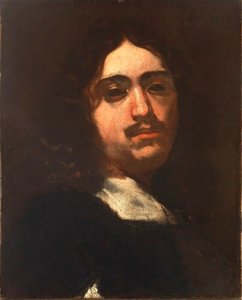
ホセ・デ・リベラ
1591 - 1652 , Spain
プロフィール概要
- Artistic Movement Or Style: バロック
- Artists Or Movements Influenced By This Artist:
- ホセ・デ・リベラ
- ヨーロッパの巨匠
- Artists Who Influenced This Artist:
- カラヴァッジョ
- グイド・レーニ
- Date Of Birth: 1591年
- Date Of Death: 1652年
- Full Name: Jusepe de Ribera
- Nationality: スペイン人
- Notable Artworks (List Of Titles):
- 聖バルソロメオの殉教
- 聖ヒエロニモと天使
- Place Of Birth (City And Country): Xàtiva, スペイン

