 プレビュー
プレビュー
 シェアする
シェアする シェアする
シェアする
 詳細を見る
詳細を見る

 ダウンロード
 似ている作品
 X線調査
X線調査 スライドショー
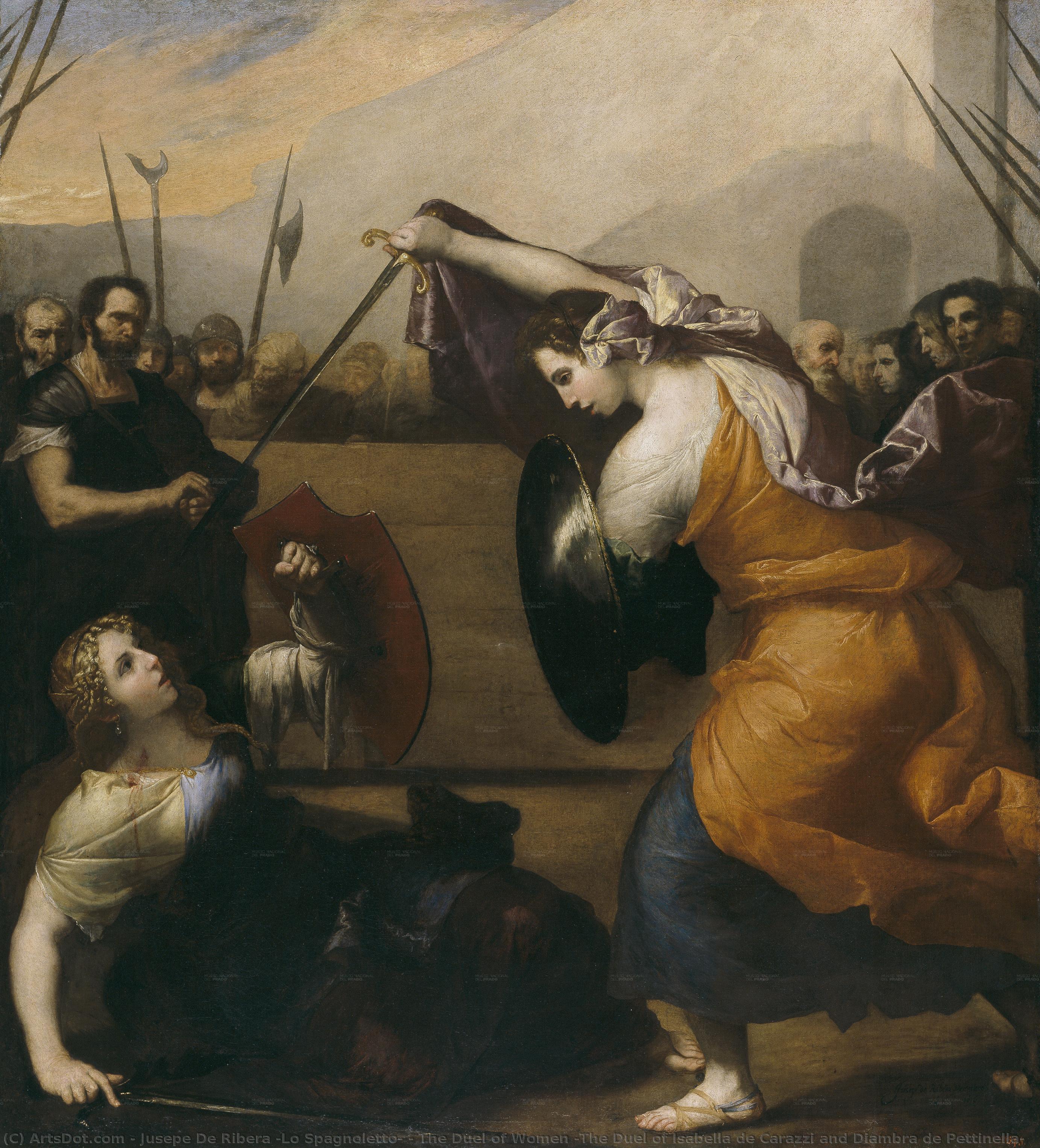
The Duel of Women (The Duel of Isabella de Carazzi and Diambra de Pettinella)
 Oil On Canvas
- WallArt
- Baroque
 1636
1636 212.0 x 235.0 cm
 プラド美術館
 詳細を見る
詳細を見る
ジークレー/アートプリント
迅速な制作と多彩な仕上げオプションを備えた、ミュージアムクオリティのジークレーまたはキャンバスプリント。 ( 手描きの絵画を購入 画像を購入)




P118B $10

P118H $10

P118W $10

P438Z $10

P508JH $12

P508YH $12

P805H $10

P805Z $10

P919BZ $10

P919G $10

P919XJ $10

P959ZH $10

P968JZ $12

W106C $8

W218G $10

W218JH $8

W218Y $10

W307PJ $10

W316G $10

W316PJ $8

W316Y $10

W398PJ $8

W4111J $10

W500HY $15

W500JH $15

W692G $12

W849H $8

W940BG $15

W953PJ $8




作品のオリジナル比率に合わせた、当店の規定サイズからお選びください。

特定のフレームやスペースに合わせて、ご自身でサイズを指定することも可能です。選択されたサイズが元の画像の比率と一致しない場合、作品をトリミングするか、鏡面反射または単色での塗りつぶしによって画像を拡張いたします。制作を開始する前に、ご確認用のデジタルモックアップをお送りいたします。
画面上のプレビューには、実際のトリミングや拡張は反映されませんのでご注意ください。最終的な構図を正確に確認できるのは、モックアップのみとなります。
カスタムサイズも承っておりますが、元の比率を維持するためには、あらかじめ用意されたリストからサイズを選択することをお勧めいたします。


 ガラスオプションは、110cm未満のサイズでのみご利用いただけます。

The Duel of Women (The Duel of Isabella de Carazzi and Diambra de Pettinella)
ジークレー/アートプリント
複製画のサイズ
-


合計金額
$ 62
The Dramatic Echoes of Conflict: Jusepe de Ribera’s “Duel of Women”
Jusepe de Ribera's "Duel of Women" – a monumental canvas from 1636 – isn’t merely a historical depiction; it’s a visceral embodiment of power, rivalry, and the brutal realities of honor in 16th-century Naples. Commissioned during a period when Spanish influence held firm over the city, this Baroque masterpiece plunges us into a chaotic battlefield scene where Isabella de Carazzi and Diandra de Pettinella engage in a deadly contest – a duel fought not just with swords, but with pride and social standing. Ribera, known as “Lo Spagnoletto,” masterfully captures the intensity of the moment, drawing upon Caravaggio’s dramatic chiaroscuro to create an atmosphere thick with tension and impending violence.
The painting immediately commands attention through its dynamic composition, a carefully orchestrated pyramid centered around Isabella. Her assertive posture, wielding a sword with practiced grace, draws the viewer's eye directly to her action – a pivotal moment of aggression. Diandra, defending herself with a shield, embodies a fierce resistance, mirroring Isabella’s determination. The surrounding chaos—soldiers scrambling for position, onlookers frozen in horrified anticipation—further amplifies the drama and underscores the gravity of the situation. Ribera’s use of bold lines, particularly evident in the sharply defined swords and shields, injects a sense of kinetic energy into the scene, as if we can almost hear the clash of steel.
A Baroque Masterclass: Technique and Artistic Choices
Ribera's technical prowess is immediately apparent. He employs an impasto technique – applying paint thickly to the canvas – creating a remarkably tactile surface. Close examination reveals layers of color, glazes, and meticulous brushwork that contribute to the painting’s rich texture and depth. The dramatic lighting, characteristic of Baroque art, plays a crucial role in shaping our perception. Strong highlights accentuate key figures and areas of action, while deep shadows heighten the sense of drama and mystery. Notice how Ribera uses light to sculpt the forms of the women, emphasizing their musculature and conveying a sense of raw power.
Beyond simple representation, Ribera demonstrates an astute understanding of geometric principles. The triangular shapes formed by the weapons and shields provide structural stability to the composition, while the rectangular forms of the buildings in the background create a sense of depth and perspective. This careful orchestration of shape and form contributes significantly to the painting’s overall visual impact. The flattened perspective, typical of Baroque art, is skillfully balanced with an attempt at atmospheric perspective – distant elements are rendered less distinct, subtly guiding our eye towards the central action.
Symbolism and Historical Context: More Than Just a Duel
While ostensibly depicting a historical duel between two noblewomen for the affections of a man, “Duel of Women” carries deeper symbolic weight. The event itself—a woman challenging another to combat—was remarkably rare in this era, making it a potent statement about social boundaries and the expectations placed upon women. The story behind the duel – Isabella’s challenge to Diandra after witnessing Fabio de Zeresola's attentions towards her friend – adds a layer of intrigue and highlights themes of jealousy, rivalry, and the pursuit of love.
Furthermore, the painting reflects the turbulent political landscape of Naples under Spanish rule. The presence of soldiers and onlookers speaks to the importance of honor and military prowess within this society. Ribera’s depiction of violence, while dramatic, also serves as a commentary on the brutal realities of power struggles and the often-arbitrary nature of justice. The choice of depicting such a controversial subject matter – a woman engaging in combat – was undoubtedly intended to provoke thought and challenge conventional notions of gender roles.
Bringing “Duel of Women” Home: Reproduction Possibilities
ArtsDot offers meticulously crafted, hand-painted reproductions of Jusepe de Ribera’s "Duel of Women," capturing the essence of this dramatic Baroque masterpiece. Our reproductions faithfully recreate the painting's rich textures, dynamic composition, and evocative lighting, allowing you to experience its power and beauty in your own space. Available in a range of sizes, from smaller prints suitable for intimate settings to large-scale canvases that command attention, our reproductions provide an authentic and affordable way to bring this iconic artwork into your home or office.
Explore the full details and high-resolution images on our website: The Duel of Women (The Duel of Isabella de Carazzi and Diambra de Pettinella). Let ArtsDot transform your space with the timeless drama of Ribera’s “Duel of Women.”
関連作品



アーティストの略歴
影と光の中で生きた生涯
ホセ・デ・リベラ、多くの人々が知るように「Lo Spagnoletto(小さなスペイン人)」は、バロック時代の傑出した人物であり、そのキャンバスは劇的な強さと容赦ないリアリズムを脈打っていました。1591年にスペインのシャティーバで生まれ、彼の旅はバレンシアの起源から遠く離れ、最終的には当時のスペイン統治下にあった17世紀ナポリの最も重要な画家の一人として確立されました。リベラの人生は単なる芸術的発展の年代記ではありませんでした。それは、苦難、野心、そして人間の状態をその生々しい複雑さで表現するという揺るぎない献身によって織りなされた物語でした。初期の伝記的な詳細は依然として謎に包まれていますが、1607年頃にイタリアに到着し、最初はローマに定住してから1616年にナポリに移り住んだことはわかっています。ナポリは彼の芸術的故郷となり、彼のユニークなスタイルのるつぼとなりました。地元の画家の娘であるカテリーナ・アッツォリーノとの結婚は、彼がナポリの美術界との絆をさらに強め、その活気に満ちた、しかししばしば激動的な雰囲気の中で繁栄することを可能にしました。テネブリズムとリアリズムの受容
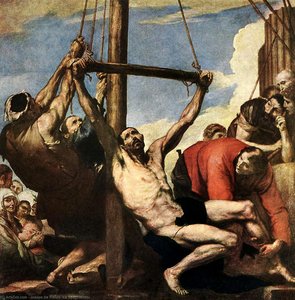
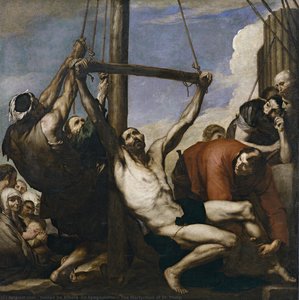
リベラの芸術的形成は、イタリア絵画の主流によって深く形作られました。カラヴァッジョの影響は否定できません。リベラは巨匠の革命的なテネブリズム—光と影の劇的な相互作用—を取り入れ、感情的な力で満たされたシーンを作り出しました。しかし、彼は単に模倣したわけではありませんでした。彼はこの技術をグイド・レーニのような他の巨匠から得られた要素と合成し、カラヴァッジョのリアリズムの生々しいインパクトを維持しながら、彼の構成に古典的な感性を組み込みました。この融合の結果として生まれたのは、彼独自のスタイルです。それは、鮮明なコントラスト、強烈に焦点を当てた人物、そして人間の苦しみや精神的な恍惚を率直に描くことによって特徴付けられました。初期の作品である『聖バルトロメオの殉教』は、このアプローチの典型であり、痛みを容赦なく詳細に描写した恐ろしい表現です。彼は殉教の物理的現実から目を背けませんでした。ねじれた体、緊張した筋肉、肌と骨の質感さえも。このリアリズムへのコミットメントは宗教的な主題を超えて広がりました。乞食や庶民の肖像画—しばしば哲学者または聖人として描かれる—は、その時代において画期的なものであり、それまでではほとんど見られなかったレベルで疎外された人々を尊厳と重要性のレベルに高めました。ジャンルを超えたキャリアと進化するスタイル
リベラの芸術的アウトプットは驚くほど多様でした。彼は宗教画—殉教のシーン、聖人の描写、劇的な聖書の物語—で最もよく知られているかもしれませんが、肖像画、静物画、さらには風景画においても優れていました。たとえば、『聖ヒエロニムスと天使』は、彼の芸術のより柔らかく、内省的な側面を示していますが、彼の作品を定義する特徴的な劇的な照明を維持しています。キャリアを通じて、リベラのスタイルは微妙ではあるものの重要な進化を遂げました。初期の絵画は、ほぼ禁欲的なリアリズムとテネブリズムの鮮明な使用によって特徴付けられます。ナポリにしっかりと確立されるにつれて、彼のパレットはより豊かになり、構成はより複雑になり、照明はいくらか柔らかくなりました。しかし、彼のバロック的審美の中心要素—感情的な強さ、劇的な物語、そして人間の経験を正直に表現するという揺るぎないコミットメント—は常に一定でした。彼は驚くべき精度でテクスチャを描くことができる熟練した職人であり、乞食のローブの粗い生地から若き聖人の滑らかな肌まで。遺産と永続的な影響
ホセ・デ・リベラの芸術界への影響は、彼のナポリの工房を超えて広がりました。彼はスペインバロック絵画における重要な人物となり、ベラスケス、スルバラン、ムリーリョのような巨匠とともに。彼が革新的に使用したテネブリズムと容赦ないリアリズムは、ヨーロッパ中の世代の芸術家に影響を与えました。彼の作品は、ルネサンス美術の理想化された形態から脱却し、より生々しく感情的なスタイルを受け入れた人々にとって共鳴しました。後世の芸術家でさえも、彼の劇的な構成と人間の苦みの力強い描写からインスピレーションを得ました。今日、リベラの絵画はマドリードのプラド美術館やワシントンの国立美術館など、世界中の権威ある博物館に収蔵されており、彼の遺産が1652年の死後何世紀にもわたって人々に刺激を与え続けていることを保証しています。彼は芸術が困難な真実と向き合い、人間の深さを探求し、信仰と回復力の永続的な精神を照らす力であることの証です。巨匠の永続的な魅力
リベラの作品に対する継続的な魅惑は、時間と文化の境界を超越する能力にあります。彼の絵画は単なる歴史的遺物ではありません。それらは人間の状態に関する強力な声明であり—苦しみ、信仰、希望、絶望について。彼の容赦ないリアリズムは私たちに不快な真実と向き合うことを強制し、彼の劇的な構成と光と影の巧みな使用は強烈な感情的な共鳴の雰囲気を作り出します。彼が愛情を込めて知られていたように、「Lo Spagnoletto」は、深く感動的で知的に刺激的な作品を残しました—バロック時代の偉大な巨匠の一人としての彼の地位を確固たるものにする遺産です。彼の絵画は単に賞賛されるべきではありません。それらは体験されるべきであり—魂の奥深くに感じられるべきなのです。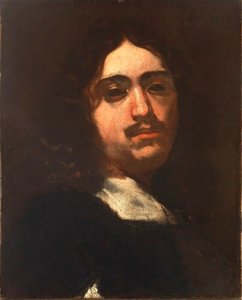
ホセ・デ・リベラ
1591 - 1652 , Spain
基本情報
- Artistic Movement Or Style: バロック
- Artists Or Movements Influenced By This Artist:
- ホセ・デ・リベラ
- ヨーロッパの巨匠
- Artists Who Influenced This Artist:
- カラヴァッジョ
- グイド・レーニ
- Date Of Birth: 1591年
- Date Of Death: 1652年
- Full Name: Jusepe de Ribera
- Nationality: スペイン人
- Notable Artworks (List Of Titles):
- 聖バルソロメオの殉教
- 聖ヒエロニモと天使
- Place Of Birth (City And Country): Xàtiva, スペイン
関連記事
Jusepe de Ribera: Dramatic Realism & Spiritual Intensity in the Spanish Golden Age
Explore the powerful Baroque paintings of Jusepe de Ribera, master of tenebrism and dramatic realism. Discover his spiritual intensity, influence on Spanish art, and considerations for collectors. Expert insights at ArtsDot.

ゴヤ傑作25選:スペインの魂を揺さぶる、深遠な芸術の世界 | ArtsDot
ゴヤ傑作25選:ロマン主義を代表するスペインの巨匠、フランシスコ・デ・ゴヤの世界へ。黒衣の女からマハまで、魂を揺さぶる絵画の物語と技法を紐解きます。ArtsDotで高品質なアートレプリカを見つけ、インテリアに深みと風格を。今すぐコレクションをご覧ください。

The Golden Age Reforged: Dramatic Realism & Religious Zeal in Spanish Baroque Art
Explore the dramatic world of Spanish Baroque art! Discover masters like Zurbarán & the powerful influence of religious zeal on painting techniques – a guide for collectors and enthusiasts.
Juan de Valdés Leal: Baroque Realism, Memento Mori & Theatricality of Spanish Grief
Explore the powerful Baroque realism of Juan de Valdés Leal (1622-1690). Discover his somber masterpieces, iconic 'In Ictu Oculi', and profound explorations of mortality. Museum-quality reproductions available at ArtsDot.