 プレビュー
プレビュー
 プリントを購入
 シェアする
シェアする シェアする
シェアする
 詳細を見る
詳細を見る

 ダウンロード
 似ている作品
 X線調査
X線調査 スライドショー
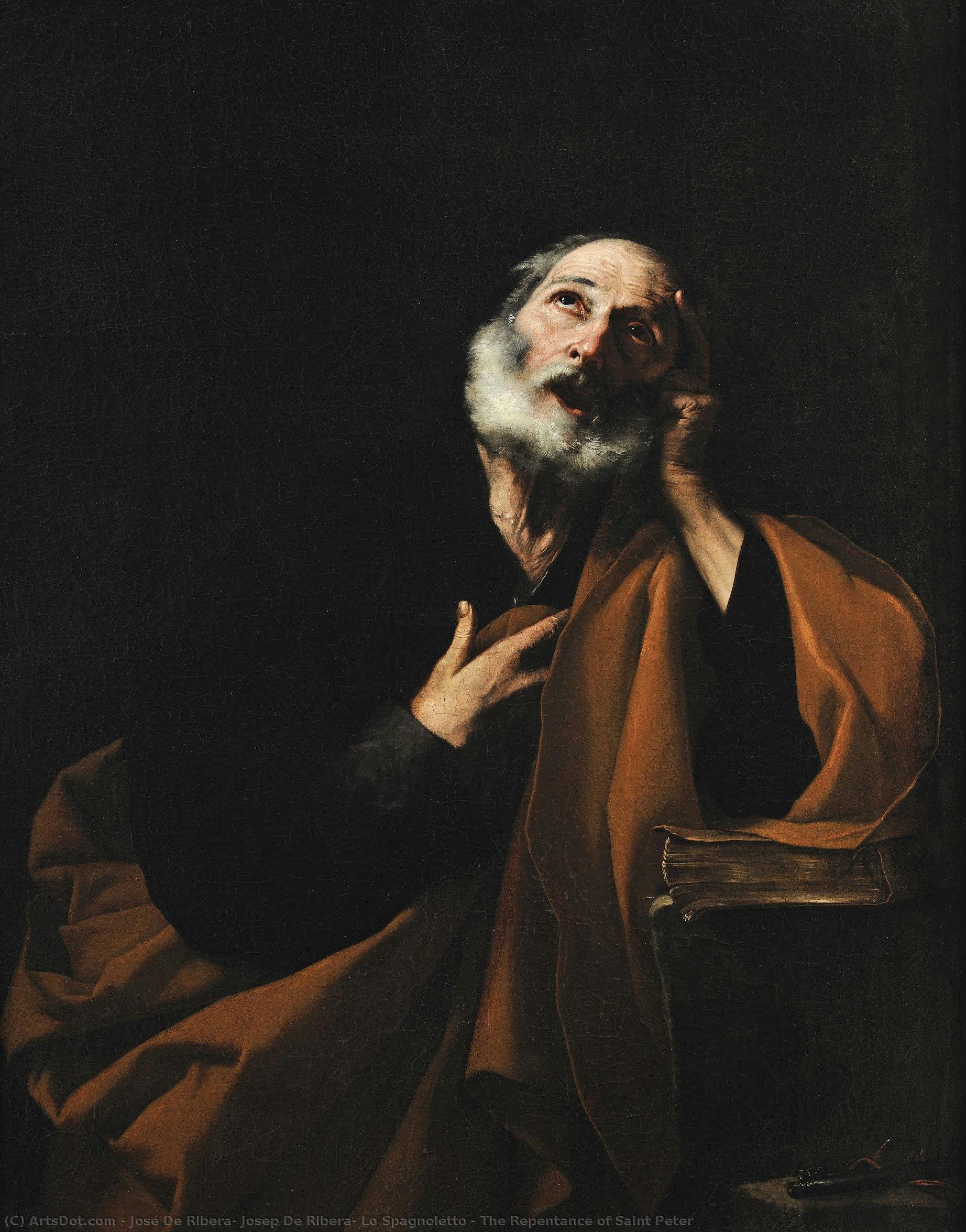
The Repentance of Saint Peter


 詳細を見る
詳細を見る




P118B $10

P118H $10

P118W $10

P438Z $10

P508JH $12

P508YH $12

P805H $10

P805Z $10

P919BZ $10

P919G $10

P919XJ $10

P959ZH $10

P968JZ $12

W106C $8

W218G $10

W218JH $8

W218Y $10

W307PJ $10

W316G $10

W316PJ $8

W316Y $10

W398PJ $8

W4111J $10

W500HY $15

W500JH $15

W692G $12

W849H $8

W940BG $15

W953PJ $8




作品のオリジナル比率に合わせた、当店の規定サイズからお選びください。

特定のフレームやスペースに合わせて、ご希望のサイズをご入力いただけます。選択されたサイズが元の画像の比率と異なる場合、アートワークをトリミングするか、手描きで要素を追加して絵画を拡張いたします。デジタルモックアップ を制作し、制作開始前にご確認(承認)をいただきます。
画面上のプレビューは、実際のトリミングや拡張を正確に反映しているものではありません。最終的な構図は、モックアップによってのみ正確にご確認いただけます。
カスタムサイズもご利用いただけますが、元の比率を維持するためには、あらかじめ用意されたリストからサイズを選択することをお勧めいたします。
ご注文後、ArtsDot.com チームより詳細な指示をお送りするとともに、仕上がりイメージ(モックアップ)をご提供いたします。


 ガラスオプションは、110cm未満のサイズでのみご利用いただけます。

The Repentance of Saint Peter
複製技法
複製画のサイズ
-


合計金額
$ 263
作品解説
The Repentance of Saint Peter: A Baroque Masterpiece Illuminated
Saint Peter Repentant by Jusepe de Ribera stands as a testament to the profound influence of Caravaggio on 17th-century Spanish painting, embodying both dramatic realism and spiritual contemplation. Executed around 1628, this oil painting resides within the Kelvingrove Art Gallery and Museum’s collection (Accession Number: 1075), offering visitors a glimpse into a pivotal moment in Christian iconography and artistic innovation.- Subject Matter & Narrative
- Style & Technique: Caravaggio's Shadow Play
- Symbolism & Composition
- Historical Context & Artistic Legacy
Subject Matter & Narrative
The artwork depicts Saint Peter in the immediate aftermath of his infamous denial of Christ before Pontius Pilate, as recounted in the Gospels. Ribera doesn’t portray a triumphant saint; instead, he captures him at the nadir of remorse—a figure slumped against a stone wall, bathed in an unsettling chiaroscuro that emphasizes his vulnerability and inner turmoil. The artist meticulously renders Peter's face with unflinching detail, conveying palpable anguish through furrowed brows and tearful eyes – a deliberate choice to confront viewers with the uncomfortable truth of human fallibility. This depiction transcends mere biblical narrative; it delves into the psychological complexities of repentance and seeks to evoke empathy for the saint’s profound regret.Style & Technique: Caravaggio's Shadow Play
Ribera’s artistic vision is firmly rooted in Caravaggio’s revolutionary technique, known as tenebrism – a dramatic interplay between light and darkness that dominates the composition. This masterful use of chiaroscuro isn’t merely stylistic ornamentation; it serves as an integral component of conveying emotion and highlighting key elements within the painting. Ribera painstakingly builds up layers of paint (glazing) to achieve remarkable textural depth, capturing the rough surface of stone and drapery with astonishing accuracy. The artist skillfully manipulates light to sculpt Peter's form, emphasizing musculature and creating a palpable sense of physicality—a characteristic hallmark of Baroque art that prioritizes realism and emotional impact.Symbolism & Composition
The painting’s symbolism is rich and layered. The stone wall represents the barrier erected by Peter’s denial, symbolizing his separation from divine grace. Simultaneously, the upward gaze of Saint Peter's eyes signifies a yearning for forgiveness—a desperate plea to God for redemption. Ribera’s compositional choices amplify these symbolic gestures: the tight framing focuses attention on Peter’s face and gesture, minimizing distractions and maximizing emotional resonance. The positioning of the stone book and key – attributes traditionally associated with St. Peter – reinforces his identity as a symbol of divine authority and salvation, subtly guiding the viewer's gaze toward the overarching theme of repentance and spiritual renewal.Historical Context & Artistic Legacy
Ribera’s work emerged during Spain’s Golden Age—a period marked by artistic flourishing fueled by royal patronage and intellectual curiosity. Caravaggio’s influence extended far beyond Ribera’s immediate circle, reshaping artistic conventions across Europe and establishing a new standard for dramatic realism. Saint Peter Repentant exemplifies this legacy, demonstrating the Baroque artist's commitment to portraying human emotion with uncompromising honesty—a stylistic approach that continues to inspire artists today. Its enduring presence in Kelvingrove Art Gallery and Museum ensures that Ribera’s masterpiece remains accessible to audiences worldwide, fostering appreciation for both artistic brilliance and profound spiritual contemplation.関連作品





アーティストの略歴
影と光の中で生きた生涯
ホセ・デ・リベラ、多くの人々が知るように「Lo Spagnoletto(小さなスペイン人)」は、バロック時代の傑出した人物であり、そのキャンバスは劇的な強さと容赦ないリアリズムを脈打っていました。1591年にスペインのシャティーバで生まれ、彼の旅はバレンシアの起源から遠く離れ、最終的には当時のスペイン統治下にあった17世紀ナポリの最も重要な画家の一人として確立されました。リベラの人生は単なる芸術的発展の年代記ではありませんでした。それは、苦難、野心、そして人間の状態をその生々しい複雑さで表現するという揺るぎない献身によって織りなされた物語でした。初期の伝記的な詳細は依然として謎に包まれていますが、1607年頃にイタリアに到着し、最初はローマに定住してから1616年にナポリに移り住んだことはわかっています。ナポリは彼の芸術的故郷となり、彼のユニークなスタイルのるつぼとなりました。地元の画家の娘であるカテリーナ・アッツォリーノとの結婚は、彼がナポリの美術界との絆をさらに強め、その活気に満ちた、しかししばしば激動的な雰囲気の中で繁栄することを可能にしました。テネブリズムとリアリズムの受容
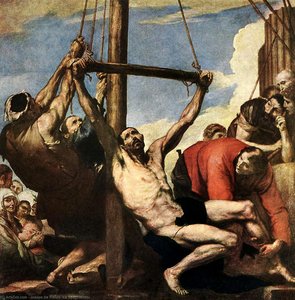
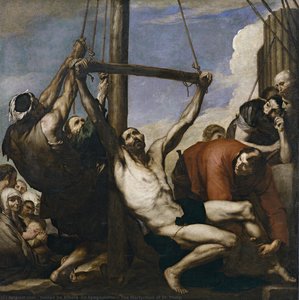
リベラの芸術的形成は、イタリア絵画の主流によって深く形作られました。カラヴァッジョの影響は否定できません。リベラは巨匠の革命的なテネブリズム—光と影の劇的な相互作用—を取り入れ、感情的な力で満たされたシーンを作り出しました。しかし、彼は単に模倣したわけではありませんでした。彼はこの技術をグイド・レーニのような他の巨匠から得られた要素と合成し、カラヴァッジョのリアリズムの生々しいインパクトを維持しながら、彼の構成に古典的な感性を組み込みました。この融合の結果として生まれたのは、彼独自のスタイルです。それは、鮮明なコントラスト、強烈に焦点を当てた人物、そして人間の苦しみや精神的な恍惚を率直に描くことによって特徴付けられました。初期の作品である『聖バルトロメオの殉教』は、このアプローチの典型であり、痛みを容赦なく詳細に描写した恐ろしい表現です。彼は殉教の物理的現実から目を背けませんでした。ねじれた体、緊張した筋肉、肌と骨の質感さえも。このリアリズムへのコミットメントは宗教的な主題を超えて広がりました。乞食や庶民の肖像画—しばしば哲学者または聖人として描かれる—は、その時代において画期的なものであり、それまでではほとんど見られなかったレベルで疎外された人々を尊厳と重要性のレベルに高めました。ジャンルを超えたキャリアと進化するスタイル
リベラの芸術的アウトプットは驚くほど多様でした。彼は宗教画—殉教のシーン、聖人の描写、劇的な聖書の物語—で最もよく知られているかもしれませんが、肖像画、静物画、さらには風景画においても優れていました。たとえば、『聖ヒエロニムスと天使』は、彼の芸術のより柔らかく、内省的な側面を示していますが、彼の作品を定義する特徴的な劇的な照明を維持しています。キャリアを通じて、リベラのスタイルは微妙ではあるものの重要な進化を遂げました。初期の絵画は、ほぼ禁欲的なリアリズムとテネブリズムの鮮明な使用によって特徴付けられます。ナポリにしっかりと確立されるにつれて、彼のパレットはより豊かになり、構成はより複雑になり、照明はいくらか柔らかくなりました。しかし、彼のバロック的審美の中心要素—感情的な強さ、劇的な物語、そして人間の経験を正直に表現するという揺るぎないコミットメント—は常に一定でした。彼は驚くべき精度でテクスチャを描くことができる熟練した職人であり、乞食のローブの粗い生地から若き聖人の滑らかな肌まで。遺産と永続的な影響
ホセ・デ・リベラの芸術界への影響は、彼のナポリの工房を超えて広がりました。彼はスペインバロック絵画における重要な人物となり、ベラスケス、スルバラン、ムリーリョのような巨匠とともに。彼が革新的に使用したテネブリズムと容赦ないリアリズムは、ヨーロッパ中の世代の芸術家に影響を与えました。彼の作品は、ルネサンス美術の理想化された形態から脱却し、より生々しく感情的なスタイルを受け入れた人々にとって共鳴しました。後世の芸術家でさえも、彼の劇的な構成と人間の苦みの力強い描写からインスピレーションを得ました。今日、リベラの絵画はマドリードのプラド美術館やワシントンの国立美術館など、世界中の権威ある博物館に収蔵されており、彼の遺産が1652年の死後何世紀にもわたって人々に刺激を与え続けていることを保証しています。彼は芸術が困難な真実と向き合い、人間の深さを探求し、信仰と回復力の永続的な精神を照らす力であることの証です。巨匠の永続的な魅力
リベラの作品に対する継続的な魅惑は、時間と文化の境界を超越する能力にあります。彼の絵画は単なる歴史的遺物ではありません。それらは人間の状態に関する強力な声明であり—苦しみ、信仰、希望、絶望について。彼の容赦ないリアリズムは私たちに不快な真実と向き合うことを強制し、彼の劇的な構成と光と影の巧みな使用は強烈な感情的な共鳴の雰囲気を作り出します。彼が愛情を込めて知られていたように、「Lo Spagnoletto」は、深く感動的で知的に刺激的な作品を残しました—バロック時代の偉大な巨匠の一人としての彼の地位を確固たるものにする遺産です。彼の絵画は単に賞賛されるべきではありません。それらは体験されるべきであり—魂の奥深くに感じられるべきなのです。
ホセ・デ・リベラ
1591 - 1652 , Spain
基本情報
- Artistic Movement Or Style: バロック
- Artists Or Movements Influenced By This Artist:
- ホセ・デ・リベラ
- ヨーロッパの巨匠
- Artists Who Influenced This Artist:
- カラヴァッジョ
- グイド・レーニ
- Date Of Birth: 1591年
- Date Of Death: 1652年
- Full Name: Jusepe de Ribera
- Nationality: スペイン人
- Notable Artworks (List Of Titles):
- 聖バルソロメオの殉教
- 聖ヒエロニモと天使
- Place Of Birth (City And Country): Xàtiva, スペイン
関連記事

The Golden Age Reforged: Dramatic Realism & Religious Zeal in Spanish Baroque Art
Explore the dramatic world of Spanish Baroque art! Discover masters like Zurbarán & the powerful influence of religious zeal on painting techniques – a guide for collectors and enthusiasts.
Discover the Divine: Inspiring Saint Anthony Artworks to Elevate Your Home Decor
Transform your home with the profound beauty of Saint Anthony artworks. Explore exquisite Baroque reproductions by Murillo and Zurbarán, hand-painted on 100% cotton canvas to bring divine serenity and timeless elegance to your interior design.

The Dramatic Flourish: Exploring the Baroque Movement's Enduring Legacy in Art History
Explore the dramatic world of Baroque art! Discover iconic artists like Caravaggio & Rubens, defining techniques, and its lasting impact on art history. Expert insights for collectors & enthusiasts at ArtsDot.

バロック美術を極めた至宝:時代を彩る10大名作の世界
バロック美術の華!カラヴァッジョ、ベルニーニら巨匠が創り上げた10大名作を徹底解剖。ドラマチックな色彩と豪華絢爛の世界観に触れ、至宝のアートプリントで空間を彩ろう。ArtsDot.comで美術館品質の複製と洗練されたインテリアを見つけましょう!

The Visceral Stage: Exploring Dramatic Narratives & Emotional Intensity in Baroque Art
Explore the dramatic world of Baroque art! Discover iconic masters like Caravaggio & Rembrandt, their techniques, and the movement's lasting impact. Expert insights for collectors & enthusiasts at ArtsDot.