

 プレビュー
プレビュー
 シェアする
シェアする シェアする
シェアする
 詳細を見る
詳細を見る

 ダウンロード
 似ている作品
 X線調査
X線調査 スライドショー
 Stats
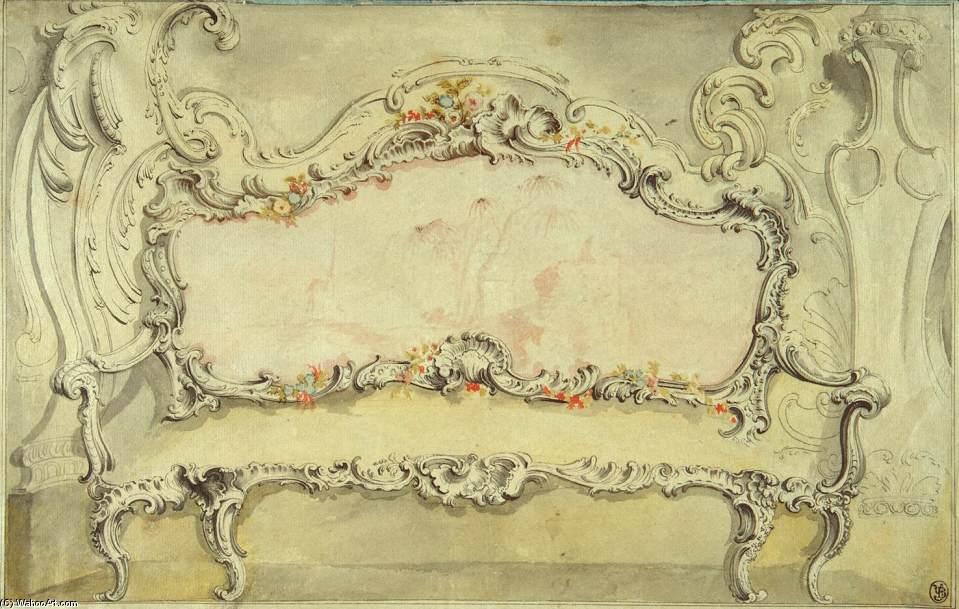
StatsDesign of a Couch for Count Bilenski
 1735
1735 233.0 x 367.0 cm
 エルミタージュ美術館
 詳細を見る
詳細を見る
手描き油彩複製画
当社のアーティストが、お客様のご希望のサイズと額縁に合わせて、キャンバスに手描きで制作する油彩画です。 ( Switch to Print Switch to Digital Image)




































作品のオリジナル比率に合わせた、当店の規定サイズからお選びください。

特定のフレームやスペースに合わせて、ご希望のサイズをご入力いただけます。選択されたサイズが元の画像の比率と異なる場合、アートワークをトリミングするか、手描きで要素を追加して絵画を拡張いたします。デジタルモックアップ を制作し、制作開始前にご確認(承認)をいただきます。
画面上のプレビューは、実際のトリミングや拡張を正確に反映しているものではありません。最終的な構図は、モックアップによってのみ正確にご確認いただけます。
カスタムサイズもご利用いただけますが、元の比率を維持するためには、あらかじめ用意されたリストからサイズを選択することをお勧めいたします。
ご注文後、ArtsDot.com チームより詳細な指示をお送りするとともに、仕上がりイメージ(モックアップ)をご提供いたします。


 ガラスオプションは、110cm未満のサイズでのみご利用いただけます。

Design of a Couch for Count Bilenski
複製技法
複製画のサイズ
-


合計金額
$ 263
Artistic Style and Technique
Meissonnier's design showcases his mastery of pen and brushwork, with delicate lines and subtle shading that bring the couch to life. The use of Indian ink and watercolor adds depth and texture to the piece, creating a sense of luxury and opulence. The Design of a Couch for Count Bilenski is a prime example of Meissonnier's ability to blend rococo and baroque styles, resulting in a unique and captivating work of art.Historical Context
The couch was designed for Count Bilenski, a prominent figure in 18th-century Poland. The piece reflects the era's emphasis on ornate decoration and comfort, with intricate carvings and plush upholstery. Meissonnier's design was likely influenced by his work as a goldsmith and sculptor, which is evident in the couch's elaborate details.- Meissonnier's use of floral motifs and scrollwork adds a touch of elegance to the design.
- The Design of a Couch for Count Bilenski is a significant example of Meissonnier's contribution to the development of rococo furniture design.
- The piece has been extensively studied and admired by art historians and enthusiasts, with many regarding it as one of Meissonnier's most notable works.
The Design of a Couch for Count Bilenski is a masterpiece that showcases Meissonnier's exceptional skill and artistic vision. As a testament to his enduring legacy, this piece continues to inspire and delight art lovers around the world.
関連作品
アーティストの略歴
Juste Aurèle Meissonnier: The Architect of Rococo Splendor
Juste Aurèle Meissonier (1695 – 1750) stands as a monumental figure in the decorative arts of the Enlightenment, recognized primarily for his transformative role in establishing and perfecting the Rococo style. Born in Turin, Italy, he embarked on an artistic journey that ultimately led him to Paris, where he achieved unparalleled renown as a goldsmith, sculptor, painter, architect, and furniture designer—a veritable polymath who embodied the spirit of his era. His influence extended far beyond mere craftsmanship; Meissonier fundamentally reshaped interior design and elevated decorative arts to new heights of extravagance and sophistication.- Early Life & Training: Meissonier’s formative years were spent honing his skills in Turin, absorbing the traditions of Italian Baroque art while simultaneously cultivating an appreciation for emerging stylistic trends. His training encompassed goldsmithing, sculpture, and drawing—disciplines that would prove crucial to his later artistic endeavors.
- Migration to Paris & Recognition: Recognizing the burgeoning artistic dynamism of Paris, Meissonier relocated in 1724, securing a royal warrant as master goldsmith from Louis XV. This appointment catapulted him into the epicenter of Parisian artistic life and cemented his reputation as a leading innovator.
- The Rococo Visionary: Meissonier’s contribution to art history lies principally in his unwavering devotion to the Rococo style—a movement characterized by delicate ornamentation, pastel hues, asymmetrical compositions, and an obsession with playful motifs like shells, scrolls, and floral garlands. He championed this aesthetic with uncompromising zeal, pushing its boundaries into realms of opulent grandeur.
A Multi-Disciplinary Artist: Beyond Goldsmithing
Meissonier’s artistic genius transcended the confines of his profession as a goldsmith; he approached design and decoration with an unparalleled breadth of vision. He didn't merely craft exquisite objects—he conceived entire environments, orchestrating harmonious ensembles that encompassed furniture, textiles, chandeliers, and wall coverings. This holistic approach distinguished him from many of his contemporaries and solidified his position as one of the foremost practitioners of integrated artistic expression.- Architectural Projects: Meissonier’s architectural commissions included notable residences for prominent figures—demonstrating his ability to translate aesthetic ideals into tangible structures. His designs prioritized elegance, fluidity, and a masterful integration of decorative elements with functional considerations.
- Furniture Design: He meticulously crafted furniture pieces that epitomized Rococo style’s curvilinear forms and lavish embellishments—employing techniques like marquetry, inlay, and gilded accents to achieve breathtaking visual impact.
- Decorative Arts Patronage: Meissonier actively collaborated with other artisans—such as Adam Brothers—to create immersive artistic experiences for aristocratic clients. His involvement spanned a diverse range of mediums—from silver tableware to candlesticks to embroidered fabrics—reflecting his mastery across multiple disciplines.
Notable Achievements & Legacy
Juste Aurèle Meissonier’s influence on 18th-century art and design is undeniable. His prolific output—including numerous architectural projects, furniture designs, and decorative artworks—established him as the undisputed champion of Rococo style. Furthermore, his meticulously documented sketchbook, “Livres d'ornements en trente pièces,” served as a seminal reference for subsequent generations of artists and craftsmen.- Royal Patronage: Louis XV recognized Meissonier’s artistic prowess and entrusted him with prestigious roles—serving as Designer for Funerals and Galante Events and Royal Goldsmith—underscoring the esteem in which he was held by the monarchy.
- Influence on Artistic Style: Meissonier's aesthetic principles profoundly impacted the stylistic trajectory of Rococo art, shaping its visual vocabulary and elevating its standards of craftsmanship. His legacy continues to inspire artists today.
Rediscovery & Recognition Today
Meissonier’s works are preserved in collections worldwide—most notably at the Cooper Hewitt Smithsonian National Design Museum—where they stand as testament to his unparalleled artistic achievement. Ongoing scholarly research illuminates new facets of his life and oeuvre, ensuring that Juste Aurèle Meissonier's contribution to art history remains vibrant and relevant for centuries to come.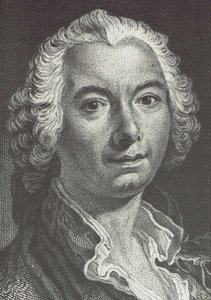
juste aurèle meissonnier
1695 - 1750 , Italy
基本情報
- Artistic Movement Or Style: Rococo
- Artists Or Movements Influenced By This Artist: ['Adam Brothers']
- Date Of Birth: 1695
- Date Of Death: 1750
- Full Name: Juste Aurèle Meissonnier
- Nationality: French
- Notable Artworks:
- Differents Desseins de Sallieres
- Design of a Couch for Count Bilenski
- Untitled
- Place Of Birth: Turin, Italy