
- ホーム

- キャンバスプリント用
- justus sustermans, joost sustermans or suttermans, his given name italianised to giusto
 プレビュー
プレビュー
 シェアする
シェアする シェアする
シェアする
 詳細を見る
詳細を見る

 ダウンロード
 似ている作品
 X線調査
X線調査 スライドショー
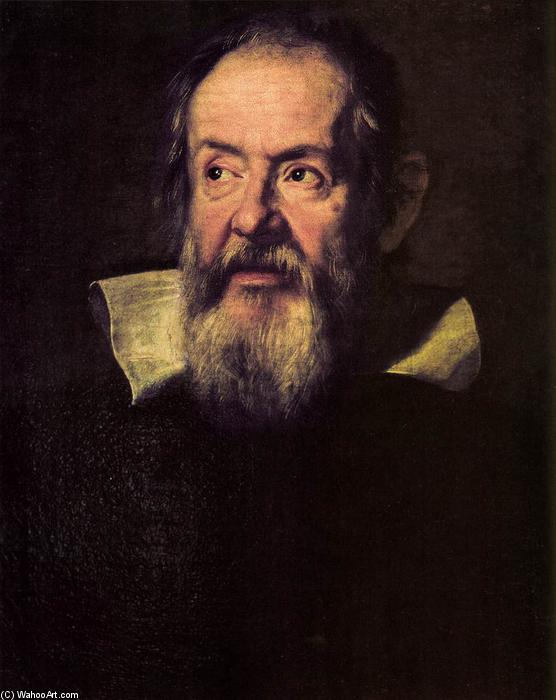
Portrait of Galileo Galilei
 Acrylic On Canvas
- WallArt
- Baroque
 1636
1636 66.0 x 56.0 cm
 ウフィツィ美術館
 詳細を見る
詳細を見る
ジークレー/アートプリント
迅速な制作と多彩な仕上げオプションを備えた、ミュージアムクオリティのジークレーまたはキャンバスプリント。 ( 手描きの絵画を購入 画像を購入)




P118B $10

P118H $10

P118W $10

P438Z $10

P508JH $12

P508YH $12

P805H $10

P805Z $10

P919BZ $10

P919G $10

P919XJ $10

P959ZH $10

P968JZ $12

W106C $8

W218G $10

W218JH $8

W218Y $10

W307PJ $10

W316G $10

W316PJ $8

W316Y $10

W398PJ $8

W4111J $10

W500HY $15

W500JH $15

W692G $12

W849H $8

W940BG $15

W953PJ $8




作品のオリジナル比率に合わせた、当店の規定サイズからお選びください。

特定のフレームやスペースに合わせて、ご自身でサイズを指定することも可能です。選択されたサイズが元の画像の比率と一致しない場合、作品をトリミングするか、鏡面反射または単色での塗りつぶしによって画像を拡張いたします。制作を開始する前に、ご確認用のデジタルモックアップをお送りいたします。
画面上のプレビューには、実際のトリミングや拡張は反映されませんのでご注意ください。最終的な構図を正確に確認できるのは、モックアップのみとなります。
カスタムサイズも承っておりますが、元の比率を維持するためには、あらかじめ用意されたリストからサイズを選択することをお勧めいたします。


 ガラスオプションは、110cm未満のサイズでのみご利用いただけます。

Portrait of Galileo Galilei
ジークレー/アートプリント
複製画のサイズ
-


合計金額
$ 62
Portrait of Galileo Galilei: A Window into Renaissance Genius
Justus Sustermans’s “Portrait of Galileo Galilei,” painted in 1636, is more than just a likeness; it's a carefully constructed tableau that encapsulates the intellectual and spiritual climate of the late Renaissance. This arresting image, now housed within the Uffizi Gallery in Florence, offers a profound glimpse into the mind of one of history’s most revolutionary figures – Galileo Galilei himself. The painting isn’t merely a representation of a man; it's an embodiment of his scientific spirit, his unwavering pursuit of knowledge, and the complex circumstances surrounding his life during a period of intense religious and political upheaval.
Sustermans, a master portraitist deeply influenced by the Baroque style prevalent in Antwerp and Florence, skillfully employs dramatic chiaroscuro – the masterful interplay of light and shadow – to draw the viewer’s eye directly to Galileo's face. The dark background serves not as mere backdrop but as a deliberate stage for highlighting the subject’s features: his piercing gaze, the meticulously rendered details of his beard and mustache, and the subtle wrinkles that speak volumes about a life dedicated to observation and contemplation. The artist’s attention to texture is remarkable; one can almost feel the rough wool of his robes, the sheen of his collar, and the delicate transparency of his skin.
A Man of Science in Turbulent Times
Galileo Galilei lived during a pivotal moment in European history – a time when established scientific thought was increasingly challenged by religious dogma. The painting itself reflects this tension. Galileo’s posture is dignified yet subtly defiant, suggesting a man aware of the risks he faced for his unorthodox views on astronomy and physics. The fact that he's depicted standing, rather than seated as in some other portraits commissioned during the same period, hints at a sense of urgency and forward momentum – a reflection of Galileo’s relentless drive to explore the universe.
The commission itself is fascinating. It was undertaken by Elia Diodati, a Genevan jurist and ardent supporter of Galileo who risked his own safety to disseminate the astronomer's revolutionary ideas throughout Europe. This personal connection imbues the portrait with an added layer of significance; it’s not simply a royal or aristocratic commission but a testament to a friendship forged amidst intellectual peril.
Baroque Techniques and Artistic Influences
Sustermans’s technique is deeply rooted in the Baroque tradition, drawing inspiration from masters like Peter Paul Rubens and Anthony van Dyck. The rich color palette – dominated by deep browns, reds, and golds – creates a sense of opulence and drama. The use of sfumato, a subtle blurring of lines and edges, softens Galileo’s features and contributes to the overall atmosphere of contemplative intensity. Notably, Sustermans' style is characterized by bold color palettes and dramatic chiaroscuro—the interplay between light and shadow.
Furthermore, the portrait demonstrates a keen understanding of anatomy and perspective, hallmarks of Renaissance art. The careful rendering of Galileo’s hands – resting lightly on his robes – adds to the sense of realism and immediacy. The composition itself is carefully balanced, with the figure occupying a central position within the frame, drawing the viewer's attention directly to his face.
Symbolism and Enduring Legacy
Beyond its technical brilliance, “Portrait of Galileo Galilei” carries symbolic weight. The astronomer’s gaze, directed slightly upward and outward, suggests a man looking beyond the confines of earthly concerns – contemplating the vastness of the cosmos and the mysteries it holds. The inclusion of his beard and mustache—signs of age and wisdom—underscores his status as a venerable figure of learning. This portrait serves as a powerful reminder of Galileo’s enduring legacy as a pioneer of scientific thought, whose groundbreaking discoveries continue to shape our understanding of the universe today.
Reproductions of this iconic artwork offer an exceptional opportunity to bring a piece of Renaissance history into your home or office. The dramatic lighting and intense gaze of Galileo will undoubtedly serve as a constant source of inspiration – a visual embodiment of intellectual curiosity, scientific rigor, and the pursuit of knowledge.


アーティストの略歴
Early Life and Training
Justus Sustermans, Joost Suttermans or Suttermans (born Antwerp, Belgium 1597 – died 1681 Florence) was a Flemish Baroque painter and draughtsman whose career spanned over six decades and cemented his reputation as the foremost portrait painter in Italy during his time. Born into an artistic family—his father, Frans Sutermans, was also a painter—Justus’s upbringing instilled within him a profound appreciation for visual art from a young age. He began his artistic journey in Antwerp, where he was profoundly influenced by the monumental canvases of Peter Paul Rubens and Anthony van Dyck, artists who epitomized the grandeur and dynamism of the Baroque aesthetic. This formative period equipped him with foundational skills and exposed him to stylistic innovations that would shape his distinctive oeuvre.Style and Technique
Sustermans’ artistic style is characterized by a bold embrace of color palettes and dramatic chiaroscuro—the interplay between light and shadow—techniques that were hallmarks of the Baroque era. Unlike some contemporaries who favored meticulous detail, Sustermans prioritized capturing the essence of his subjects through expressive brushstrokes and masterful use of tonal gradation. His canvases pulsated with vitality, conveying not merely likeness but also psychological depth and emotional resonance. He skillfully employed glazing techniques to achieve luminous surfaces and create a sense of atmospheric perspective, mirroring the artistic conventions prevalent in Antwerp and Florence during his lifetime. The meticulous observation of anatomy combined with an intuitive understanding of human emotion distinguished Sustermans’ work from many others of his time.Notable Works
Justus Sustermans achieved international acclaim primarily through his portraits of members of the Medici family, securing him a prestigious position as their court painter. His depictions of Cosimo III de' Medici and Margherita de' Medici stand as masterpieces of Baroque portraiture, showcasing remarkable realism and conveying an unparalleled sense of dignity and composure. These paintings exemplify Sustermans’ ability to distill complex character traits into visually arresting compositions—a testament to his artistic prowess. Beyond portraits, Sustermans produced a diverse range of artworks encompassing history paintings, genre scenes depicting everyday life, still lifes brimming with meticulous detail, and animal studies imbued with scientific observation. His monumental *The Florentine Senate's Pledge of Allegiance to Ferdinando II de’ Medici*, commissioned by the Grand Duke himself, exemplifies his ambition and technical mastery—a sprawling canvas that captures a pivotal moment in Florentine history. Furthermore, Sustermans’ portraits of Galileo Galilei are considered among the most psychologically astute representations of scientific genius of their era.Influence and Legacy
Justus Sustermans exerted considerable influence on subsequent generations of artists, particularly Anthony van Dyck, who admired Sustermans' bold style and expressive technique. His meticulous attention to detail and his masterful use of chiaroscuro served as inspiration for many painters working in the Dutch Golden Age. Sustermans’ legacy extends beyond individual artworks; he established a workshop that produced numerous copies of celebrated paintings—a practice common during the Baroque period—contributing to the dissemination of artistic ideas across Europe. His portraits of the Medici family continue to captivate audiences today, offering invaluable insights into the cultural and political landscape of 17th-century Italy. Sustermans’ contribution to art history is recognized as a cornerstone of Baroque portraiture, securing his place among the most revered artists of his time.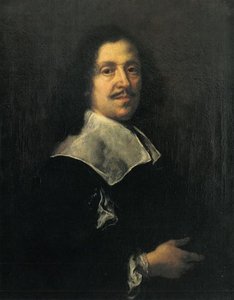
justus sustermans, joost sustermans or suttermans, his given name italianised to giusto
1597 - 1681 , Belgium
基本情報
- Artistic Movement Or Style: Baroque
- Artists Or Movements Influenced By This Artist: ['Anthony van Dyck']
- Artists Who Influenced This Artist:
- Peter Paul Rubens
- Anthony van Dyck
- Date Of Birth: September 28, 1597
- Date Of Death: April 23, 1681
- Full Name: Justus Sustermans
- Nationality: Flemish
- Notable Artworks:
- Domenica delle Cascine, la Cecca di Pratolino
- Portrait of Galileo Galilei
- Place Of Birth: Antwerp, Belgium
関連記事
The Grandeur of Baroque Portraiture: Power, Emotion & Artistic Innovation
Explore the grandeur of Baroque portraiture! Discover Rubens, Van Dyck & the masters of 17th-century art. Uncover symbolism, techniques & lasting influence. Expert insights for collectors and enthusiasts.

バロック美術を極めた至宝:時代を彩る10大名作の世界
バロック美術の華!カラヴァッジョ、ベルニーニら巨匠が創り上げた10大名作を徹底解剖。ドラマチックな色彩と豪華絢爛の世界観に触れ、至宝のアートプリントで空間を彩ろう。ArtsDot.comで美術館品質の複製と洗練されたインテリアを見つけましょう!

The Dramatic Flourish: Exploring the Baroque Movement's Enduring Legacy in Art History
Explore the dramatic world of Baroque art! Discover iconic artists like Caravaggio & Rubens, defining techniques, and its lasting impact on art history. Expert insights for collectors & enthusiasts at ArtsDot.

バロックのドラマ:現代のインテリアに壮麗さと情感を取り込む
バロック様式の歴史、絵画、家具の魅力をご紹介。ArtsDotでは、高品質な油絵複製やカスタムポートレートをご提供し、現代のインテリアに壮麗さと情感を取り入れます。アートコンサルテーションも承ります。

The Visceral Stage: Exploring Dramatic Narratives & Emotional Intensity in Baroque Art
Explore the dramatic world of Baroque art! Discover iconic masters like Caravaggio & Rembrandt, their techniques, and the movement's lasting impact. Expert insights for collectors & enthusiasts at ArtsDot.

