
- ホーム

- デジタル画像一覧
- justus sustermans, joost sustermans or suttermans, his given name italianised to giusto
 プレビュー
プレビュー
 プリントを購入
 シェアする
シェアする シェアする
シェアする
 詳細を見る
詳細を見る

 ダウンロード
 似ている作品
 X線調査
X線調査 スライドショー
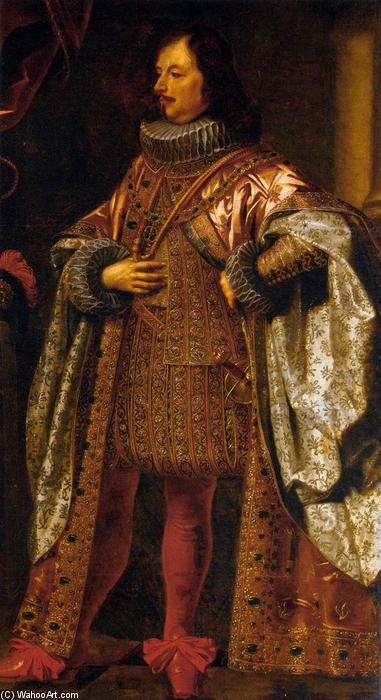
Portrait of Vincenzo II Gonzaga


 詳細を見る
詳細を見る
オンラインプレビューをはるかに凌ぐ、高解像度で鮮明なデジタル画像をご購入いただけます。
各ファイルは、社内の専門家が高度なツールと熟練した手作業によるレタッチを用いて、細心の注意を払って準備されています。すべての画像において、卓越した鮮明度、正確な色彩再現性、そして繊細なディテールを保証いたします。
最終ファイルは、プロフェッショナルな編集・印刷環境ですぐにご利用いただけるよう最適化された状態で、72時間以内にメールにてお届けいたします。これは、一流のデザインスタジオ、出版社、ギャラリーから信頼されているものと同等の品質です。
デジタル画像のご注文に付随する特典
高品質なデジタル画像配信を、確かな品質で。
ArtsDot.com を選ぶことは、単に画像を手に入れることではありません。それは、プロの手によって精密に仕上げられ、満足保証が付いた高品質なデジタルアートワークを受け取ることを意味します。ご注文いただいた際に自動的に付随する内容は、以下の通りです:

メールですぐにお届け
ご注文から72時間以内に、高解像度のデジタル画像ファイルがメールでお手元に届きます。すぐにそのままご利用いただけます。

AI技術で最適化されたデジタルファイル
お客様の作品は、高度なAIツールと専門家による手作業の編集を組み合わせてプロフェッショナルに最適化されており、細部のディテール、鮮明さ、そして正確な色再現性を最大限に引き出しています。

一生涯無料の再送サービス
ファイルを誤って削除したり、紛失してしまったりしましたか?ご安心ください。いつでも無料で再送いたします。

輸入手数料は一切かかりません
関税や手数料、配送料を気にすることなく、お気に入りのアートワークをすぐにお楽しみいただけます。デジタルダウンロードは常に免税です。

色彩再現の保証
プロ仕様のツールとカラーマネジメント技術を用いることで、デジタル画像が元の色を最大限に忠実に再現することを保証いたします。

60日間満足保証
ご購入いただいたデジタル画像にご満足いただけない場合は、60日以内であれば、修正または100%の返金(理由を問う必要はありません)をさせていただきます。

100% 返金保証
ご満足いただけない場合は、デジタルファイルを受け取ってから60日以内であれば、理由を問わず全額返金いたします。

まとめ買い割引
3枚購入で10%OFF - 5枚購入で15%OFF - 10枚以上購入で20%OFF。クリエイティブなプロジェクト、ギャラリー、エージェンシーに最適です。
Portrait of Vincenzo II Gonzaga: A Renaissance Masterpiece
Justus Sustermans’s “Portrait of Vincenzo II Gonzaga” is more than just a likeness; it's a meticulously crafted window into the heart of 17th-century Italian nobility. Painted between 1626 and 1627, this arresting portrait captures the youthful vigor and calculated composure of Vincenzo Gonzaga, Duke of Mantua – a man whose life was defined by strategic alliances, military prowess, and an enduring legacy of patronage. The painting resides within the Royal Collection of Fine Arts in Brussels, a testament to its historical significance and artistic merit.
Sustermans, a master portraitist who spent much of his career serving the Medici family, expertly employs the conventions of Renaissance portraiture while imbuing the image with a palpable sense of dynamism. He was deeply influenced by the grand style of Peter Paul Rubens, evident in the rich palette and dramatic chiaroscuro – the masterful interplay of light and shadow that sculpts Vincenzo’s features and imbues the scene with depth. The composition itself is carefully balanced, drawing the viewer's eye to the central figure while subtly incorporating elements of the surrounding environment.
The Duke’s Attire: A Symbol of Power and Status
Vincenzo II Gonzaga is depicted in a sumptuous ensemble that speaks volumes about his status and authority. He wears a richly embroidered doublet, adorned with intricate floral patterns – a hallmark of Florentine fashion at the time. The high collar, meticulously rendered with delicate lace detailing, signifies nobility and sophistication. Beneath the doublet, a closely fitted shirt reveals the contours of his physique, subtly suggesting strength and vitality. Notably, he is clad in the ceremonial robes of the Order of the Redeemer, a prestigious military order that Vincenzo himself founded, further reinforcing his position as a powerful ruler.
The inclusion of a rapier – prominently displayed at his side – is another crucial element. This wasn’t merely a weapon; it was a potent symbol of authority and protection, reflecting Vincenzo's role as a military leader and defender of his duchy. The style of the rapier itself—a transitional piece blending Italian and Spanish influences—hints at the complex political landscape of Renaissance Italy, where alliances were forged and rivalries simmered.
Technique and Artistic Detail
Sustermans’s technical skill is immediately apparent in the remarkably lifelike quality of the portrait. He demonstrates a keen understanding of anatomy, capturing Vincenzo's youthful features with astonishing accuracy. The subtle modeling of his face – the delicate curve of his cheekbones, the furrowed brow—creates a sense of three-dimensionality that draws the viewer into the scene. The artist’s use of sfumato—a technique involving subtle gradations of tone to soften outlines and create an atmospheric effect—further enhances the portrait's realism and depth.
Furthermore, Sustermans masterfully utilizes color to evoke a sense of luxury and opulence. The rich reds, blues, and golds of Vincenzo’s attire contrast beautifully with the darker background, creating a visually arresting composition. The careful attention to detail—the texture of the fabrics, the sheen of the metal, the subtle reflections in his eyes—demonstrates Sustermans's meticulous approach to portraiture.
A Window into Renaissance Italy
“Portrait of Vincenzo II Gonzaga” offers a captivating glimpse into the world of 17th-century Italian nobility. It’s not simply a representation of a single individual; it’s a reflection of the era's artistic, political, and social values. The portrait embodies the Renaissance ideals of humanism, emphasizing the importance of beauty, intellect, and civic virtue. Through his masterful brushwork and astute observation, Sustermans has created an enduring image that continues to fascinate and inspire art lovers today.
関連作品
作家の略歴
Early Life and Training
Justus Sustermans, Joost Suttermans or Suttermans (born Antwerp, Belgium 1597 – died 1681 Florence) was a Flemish Baroque painter and draughtsman whose career spanned over six decades and cemented his reputation as the foremost portrait painter in Italy during his time. Born into an artistic family—his father, Frans Sutermans, was also a painter—Justus’s upbringing instilled within him a profound appreciation for visual art from a young age. He began his artistic journey in Antwerp, where he was profoundly influenced by the monumental canvases of Peter Paul Rubens and Anthony van Dyck, artists who epitomized the grandeur and dynamism of the Baroque aesthetic. This formative period equipped him with foundational skills and exposed him to stylistic innovations that would shape his distinctive oeuvre.Style and Technique
Sustermans’ artistic style is characterized by a bold embrace of color palettes and dramatic chiaroscuro—the interplay between light and shadow—techniques that were hallmarks of the Baroque era. Unlike some contemporaries who favored meticulous detail, Sustermans prioritized capturing the essence of his subjects through expressive brushstrokes and masterful use of tonal gradation. His canvases pulsated with vitality, conveying not merely likeness but also psychological depth and emotional resonance. He skillfully employed glazing techniques to achieve luminous surfaces and create a sense of atmospheric perspective, mirroring the artistic conventions prevalent in Antwerp and Florence during his lifetime. The meticulous observation of anatomy combined with an intuitive understanding of human emotion distinguished Sustermans’ work from many others of his time.Notable Works
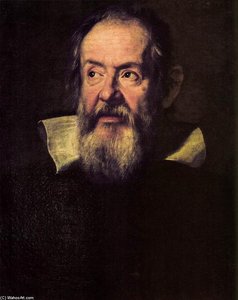
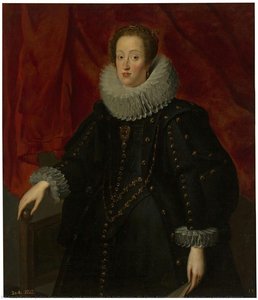
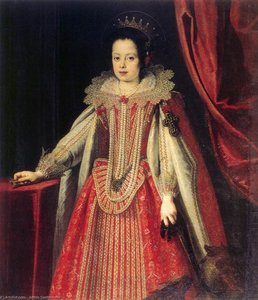
Justus Sustermans achieved international acclaim primarily through his portraits of members of the Medici family, securing him a prestigious position as their court painter. His depictions of Cosimo III de' Medici and Margherita de' Medici stand as masterpieces of Baroque portraiture, showcasing remarkable realism and conveying an unparalleled sense of dignity and composure. These paintings exemplify Sustermans’ ability to distill complex character traits into visually arresting compositions—a testament to his artistic prowess. Beyond portraits, Sustermans produced a diverse range of artworks encompassing history paintings, genre scenes depicting everyday life, still lifes brimming with meticulous detail, and animal studies imbued with scientific observation. His monumental *The Florentine Senate's Pledge of Allegiance to Ferdinando II de’ Medici*, commissioned by the Grand Duke himself, exemplifies his ambition and technical mastery—a sprawling canvas that captures a pivotal moment in Florentine history. Furthermore, Sustermans’ portraits of Galileo Galilei are considered among the most psychologically astute representations of scientific genius of their era.Influence and Legacy
Justus Sustermans exerted considerable influence on subsequent generations of artists, particularly Anthony van Dyck, who admired Sustermans' bold style and expressive technique. His meticulous attention to detail and his masterful use of chiaroscuro served as inspiration for many painters working in the Dutch Golden Age. Sustermans’ legacy extends beyond individual artworks; he established a workshop that produced numerous copies of celebrated paintings—a practice common during the Baroque period—contributing to the dissemination of artistic ideas across Europe. His portraits of the Medici family continue to captivate audiences today, offering invaluable insights into the cultural and political landscape of 17th-century Italy. Sustermans’ contribution to art history is recognized as a cornerstone of Baroque portraiture, securing his place among the most revered artists of his time.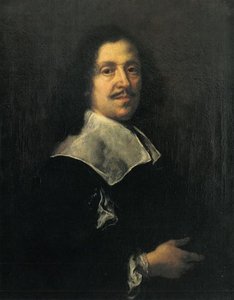
justus sustermans, joost sustermans or suttermans, his given name italianised to giusto
1597 - 1681 , Belgium
プロフィール概要
- Artistic Movement Or Style: Baroque
- Artists Or Movements Influenced By This Artist: ['Anthony van Dyck']
- Artists Who Influenced This Artist:
- Peter Paul Rubens
- Anthony van Dyck
- Date Of Birth: September 28, 1597
- Date Of Death: April 23, 1681
- Full Name: Justus Sustermans
- Nationality: Flemish
- Notable Artworks:
- Domenica delle Cascine, la Cecca di Pratolino
- Portrait of Galileo Galilei
- Place Of Birth: Antwerp, Belgium

