

 プレビュー
プレビュー
 プリントを購入
 シェアする
シェアする シェアする
シェアする
 詳細を見る
詳細を見る

 ダウンロード
 似ている作品
 X線調査
X線調査 スライドショー
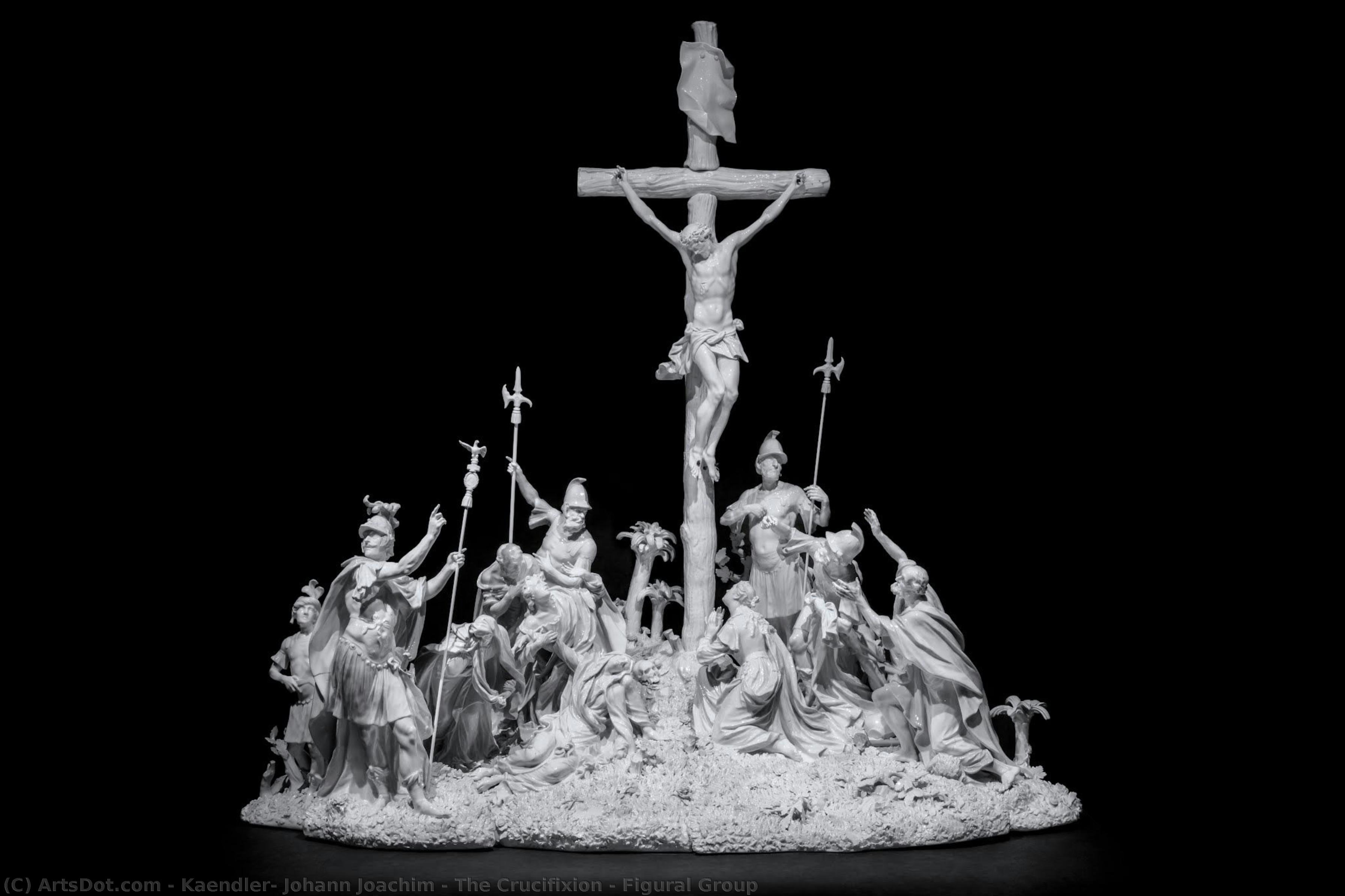
The Crucifixion - Figural Group


 詳細を見る
詳細を見る
オンラインプレビューをはるかに凌ぐ、高解像度で鮮明なデジタル画像をご購入いただけます。
各ファイルは、社内の専門家が高度なツールと熟練した手作業によるレタッチを用いて、細心の注意を払って準備されています。すべての画像において、卓越した鮮明度、正確な色彩再現性、そして繊細なディテールを保証いたします。
最終ファイルは、プロフェッショナルな編集・印刷環境ですぐにご利用いただけるよう最適化された状態で、72時間以内にメールにてお届けいたします。これは、一流のデザインスタジオ、出版社、ギャラリーから信頼されているものと同等の品質です。
デジタル画像のご注文に付随する特典
高品質なデジタル画像配信を、確かな品質で。
ArtsDot.com を選ぶことは、単に画像を手に入れることではありません。それは、プロの手によって精密に仕上げられ、満足保証が付いた高品質なデジタルアートワークを受け取ることを意味します。ご注文いただいた際に自動的に付随する内容は、以下の通りです:

メールですぐにお届け
ご注文から72時間以内に、高解像度のデジタル画像ファイルがメールでお手元に届きます。すぐにそのままご利用いただけます。

AI技術で最適化されたデジタルファイル
お客様の作品は、高度なAIツールと専門家による手作業の編集を組み合わせてプロフェッショナルに最適化されており、細部のディテール、鮮明さ、そして正確な色再現性を最大限に引き出しています。

一生涯無料の再送サービス
ファイルを誤って削除したり、紛失してしまったりしましたか?ご安心ください。いつでも無料で再送いたします。

輸入手数料は一切かかりません
関税や手数料、配送料を気にすることなく、お気に入りのアートワークをすぐにお楽しみいただけます。デジタルダウンロードは常に免税です。

色彩再現の保証
プロ仕様のツールとカラーマネジメント技術を用いることで、デジタル画像が元の色を最大限に忠実に再現することを保証いたします。

60日間満足保証
ご購入いただいたデジタル画像にご満足いただけない場合は、60日以内であれば、修正または100%の返金(理由を問う必要はありません)をさせていただきます。

100% 返金保証
ご満足いただけない場合は、デジタルファイルを受け取ってから60日以内であれば、理由を問わず全額返金いたします。

まとめ買い割引
3枚購入で10%OFF - 5枚購入で15%OFF - 10枚以上購入で20%OFF。クリエイティブなプロジェクト、ギャラリー、エージェンシーに最適です。
関連作品








作家の略歴
Johann Joachim Kändler: The Soul of Meissen Porcelain
The world of eighteenth-century European art is often dominated by grand narratives – the rise of Rococo, the dominance of French courtly style, and the revolutionary fervor of Neoclassicism. Yet, within this larger context, a quieter, more intimate story unfolds: the meticulous artistry of Johann Joachim Kändler, the most influential modeller at Meissen porcelain manufactory. For over four decades, from 1731 until his death in 1775, Kändler shaped not just porcelain, but an entire aesthetic sensibility, imbuing the delicate white surfaces with a remarkable vitality and emotional depth rarely seen in contemporary ceramics.
Kändler’s journey to Meissen began as an apprentice under Johann Benjamin Thomae, a respected court sculptor in Dresden. This early training instilled in him a profound understanding of classical forms and a mastery of three-dimensional modeling – skills that would prove invaluable when he transitioned to the demanding world of porcelain. His appointment to Meissen in 1731 was a pivotal moment, marking the beginning of an era of unparalleled innovation for the fledgling factory. Initially, Kändler’s work reflected the prevailing trends of the time: elegant animal groups – pastoral scenes populated by deer, rabbits, and birds – rendered with a charming blend of realism and stylized grace. These pieces, often commissioned by wealthy European courts, showcased Meissen's technical prowess but lacked a distinct personality.
A turning point arrived when Kändler assumed the role of ‘modelmaster’ in 1733, succeeding Johann Jacob Kirchner. This position demanded not only exceptional modeling skills but also an understanding of the entire production process – from initial design to firing and glazing. Crucially, Kändler gained access to the ‘secrets’ of porcelain making, a closely guarded knowledge known as ‘Arcanist,’ allowing him to refine the formula for achieving that coveted translucent quality and delicate texture. This mastery extended beyond mere technical expertise; Kändler possessed an innate ability to imbue his creations with a sense of life – a subtle play of light and shadow, expressive gestures, and carefully rendered details that captured the essence of his subjects.
Kändler’s later works represent a significant shift in style. He moved beyond simple depictions of animals and mythological scenes, exploring more complex narratives and psychological portraits. His ‘She-Wolf with Three Wolf Cubs,’ for example, is not merely a charming illustration of motherhood but a powerful meditation on instinct, vulnerability, and the primal bond between mother and child. Similarly, his figures from classical mythology – Venus, Cupid, Mercury – are imbued with an emotional resonance that transcends mere decorative appeal. These pieces demonstrate Kändler’s growing sophistication as a storyteller, utilizing porcelain not just to represent subjects but to evoke feelings and ideas.
The Influence of Dresden Sculpture
Kändler's artistic development was inextricably linked to the rich sculptural tradition of Dresden. His early training under Thomae exposed him to the principles of Baroque sculpture – dynamic compositions, dramatic lighting, and a focus on conveying emotion through gesture and expression. This influence is evident in his porcelain figures, which often retain a sense of theatricality and movement reminiscent of classical sculptures. The strong musculature of his animals, the alert postures of his mythological figures, and the subtle nuances of their facial expressions all testify to Kändler’s deep understanding of three-dimensional form.
Furthermore, Kändler's work demonstrates a remarkable ability to synthesize disparate influences. He skillfully blended classical ideals with contemporary trends, creating a style that was both timeless and relevant. The elegance of his designs reflects the prevailing Rococo aesthetic, while the emotional depth of his figures draws upon the expressive power of Baroque sculpture. This synthesis – this careful balancing act between tradition and innovation – is what ultimately defines Kändler’s unique artistic vision.
Technique and Innovation at Meissen
Kändler's success as a modeller was not solely due to his artistic talent but also to his meticulous attention to detail and his innovative approach to porcelain production. He understood that the quality of the final product depended on every step in the process, from the initial modeling to the final firing. He experimented with different techniques – varying the thickness of the clay, manipulating the surface texture, and carefully controlling the temperature of the kiln – to achieve the desired effects.
Kändler’s role as ‘Arcanist’ granted him privileged access to the secrets of porcelain making, allowing him to refine the formula for achieving that coveted translucent quality and delicate texture. He was also instrumental in developing new glazing techniques, experimenting with different colors and finishes to create a wide range of effects. His work at Meissen helped establish the factory as a leader in porcelain production, renowned for its technical excellence and artistic innovation.
Legacy and Historical Significance
Johann Joachim Kändler’s contribution to the world of art is immense. He elevated Meissen porcelain from a mere decorative object to an expression of sophisticated artistry and cultural significance. His figures are not simply beautiful; they are imbued with meaning, emotion, and a profound understanding of human nature. Kändler's influence can be seen in countless subsequent works of art – from paintings and prints to other ceramic designs.
Today, Kändler’s porcelain is highly prized by collectors and museums around the world. His work represents a remarkable achievement in the history of ceramics, demonstrating the power of artistry to transform a humble material into an object of enduring beauty and cultural significance. The delicate elegance of his figures continues to captivate audiences centuries after their creation, reminding us of the genius of this extraordinary artist.
kaendler, johann joachim
1706 - 1775 , Germany
プロフィール概要
- Artistic Movement Or Style: Meissen porcelain
- Artists Or Movements Influenced By This Artist: ['Neoclassicism']
- Artists Who Influenced This Artist: ['Johann Benjamin Thomae']
- Date Of Birth: June 15, 1706
- Date Of Death: May 18, 1775
- Full Name: Johann Joachim Kändler
- Nationality: German
- Notable Artworks:
- Bird of paradise
- She-wolf cubs
- Place Of Birth: Meissen, Germany

