

 プレビュー
プレビュー
 プリントを購入
 シェアする
シェアする シェアする
シェアする
 詳細を見る
詳細を見る

 ダウンロード
 似ている作品
 X線調査
X線調査 スライドショー
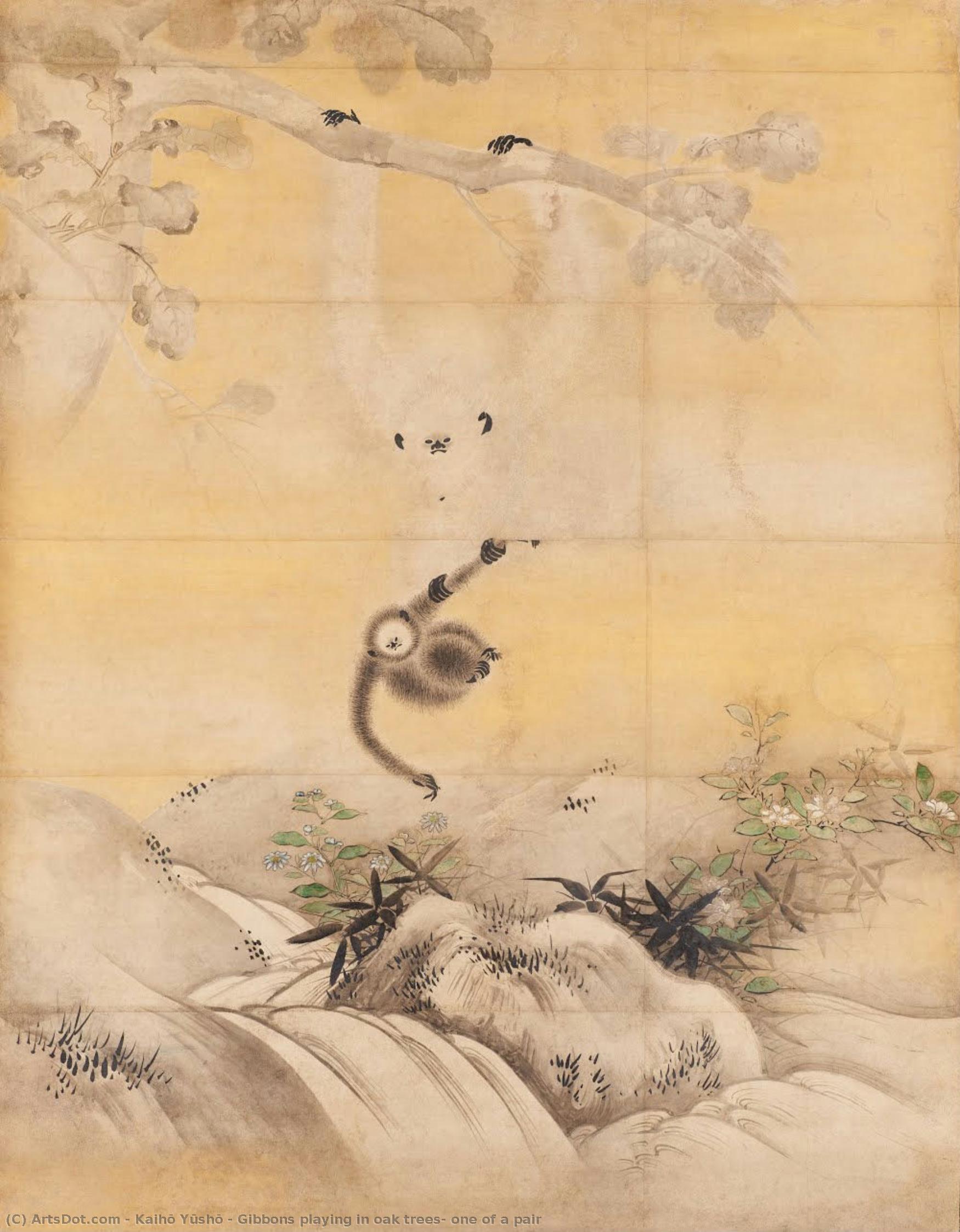
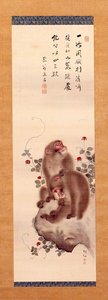
Gibbons playing in oak trees, one of a pair

 詳細を見る
詳細を見る
オンラインプレビューをはるかに凌ぐ、高解像度で鮮明なデジタル画像をご購入いただけます。
各ファイルは、社内の専門家が高度なツールと熟練した手作業によるレタッチを用いて、細心の注意を払って準備されています。すべての画像において、卓越した鮮明度、正確な色彩再現性、そして繊細なディテールを保証いたします。
最終ファイルは、プロフェッショナルな編集・印刷環境ですぐにご利用いただけるよう最適化された状態で、72時間以内にメールにてお届けいたします。これは、一流のデザインスタジオ、出版社、ギャラリーから信頼されているものと同等の品質です。
デジタル画像のご注文に付随する特典
高品質なデジタル画像配信を、確かな品質で。
ArtsDot.com を選ぶことは、単に画像を手に入れることではありません。それは、プロの手によって精密に仕上げられ、満足保証が付いた高品質なデジタルアートワークを受け取ることを意味します。ご注文いただいた際に自動的に付随する内容は、以下の通りです:

メールですぐにお届け
ご注文から72時間以内に、高解像度のデジタル画像ファイルがメールでお手元に届きます。すぐにそのままご利用いただけます。

AI技術で最適化されたデジタルファイル
お客様の作品は、高度なAIツールと専門家による手作業の編集を組み合わせてプロフェッショナルに最適化されており、細部のディテール、鮮明さ、そして正確な色再現性を最大限に引き出しています。

一生涯無料の再送サービス
ファイルを誤って削除したり、紛失してしまったりしましたか?ご安心ください。いつでも無料で再送いたします。

輸入手数料は一切かかりません
関税や手数料、配送料を気にすることなく、お気に入りのアートワークをすぐにお楽しみいただけます。デジタルダウンロードは常に免税です。

色彩再現の保証
プロ仕様のツールとカラーマネジメント技術を用いることで、デジタル画像が元の色を最大限に忠実に再現することを保証いたします。

60日間満足保証
ご購入いただいたデジタル画像にご満足いただけない場合は、60日以内であれば、修正または100%の返金(理由を問う必要はありません)をさせていただきます。

100% 返金保証
ご満足いただけない場合は、デジタルファイルを受け取ってから60日以内であれば、理由を問わず全額返金いたします。

まとめ買い割引
3枚購入で10%OFF - 5枚購入で15%OFF - 10枚以上購入で20%OFF。クリエイティブなプロジェクト、ギャラリー、エージェンシーに最適です。
作品の詳細
関連作品

作家の略歴
A Life Bridging Samurai Lineage and Artistic Serenity
Kaihō Yūshō, a name resonant within the annals of Japanese art history, was born Kaiho Shōeki in 1533 amidst the turbulent landscape of Omi Province. His origins were steeped in the traditions of the samurai class, being the fifth son of Kaihō Tsunachika, a loyal vassal to the powerful Azai Nagamasa. This early connection to a warrior lineage would subtly inform his life, even as he ultimately embraced a path far removed from the battlefield. The shadow of conflict fell upon young Shōeki when his father perished in battle during Oda Nobunaga’s relentless campaigns—a loss that profoundly shaped his destiny. Remarkably, spared the fate of many sons of fallen samurai, he was entrusted to the monks of Tōfuku-ji temple in Kyoto as a child novice. This immersion within the serene world of Zen Buddhism proved pivotal, laying the spiritual and aesthetic foundations for his future artistic endeavors. The rigorous discipline and contemplative atmosphere of the monastery fostered an inner tranquility that would permeate his art, imbuing it with a distinctive sense of calm and introspection.From Ink Monochrome to Opulent Color
Yūshō’s journey as an artist began with formal training within the esteemed Kanō School, likely under the tutelage of either Kanō Motonobu or his grandson, Kanō Eitoku. The Kanō school was then the dominant force in Japanese painting, renowned for its adherence to established themes and techniques. Initially, Yūshō’s work mirrored the style of Song Dynasty master Liang Kai, characterized by a striking monochrome ink wash technique. He employed what was known as *gempitsu*, or “reduced brush stroke,” emphasizing subtle gradations of ink to create atmospheric depth and evocative imagery. These early pieces were exercises in restraint, focusing on capturing essence through minimal means. However, Yūshō’s artistic path wasn't one of rigid adherence. As he matured, and as the Momoyama period ushered in an era of opulent display, his palette expanded dramatically. He embraced vibrant colors and incorporated lavish gold leaf into his compositions, reflecting the prevailing aesthetic tastes of the time. This shift wasn’t merely a stylistic adaptation; it was a testament to Yūshō's ability to synthesize tradition with contemporary sensibilities, creating a unique visual language that resonated with both connoisseurs and patrons.Influences Woven into a Unique Style
The artistic tapestry of Kaihō Yūshō’s work is richly interwoven with diverse influences. The foundational impact of Liang Kai instilled in him an appreciation for the power of monochrome ink and the expressive potential of minimalist forms. His training within the Kanō School provided a solid grounding in traditional Japanese painting techniques, compositional principles, and established themes. Yet, perhaps the most profound influence was Zen Buddhism. This spiritual discipline permeated his artistic sensibilities, fostering a contemplative approach to both subject matter and execution. His landscapes, in particular, often evoke a sense of serene detachment, inviting viewers to immerse themselves in the tranquility of nature. Beyond these direct influences, Yūshō’s style also bears comparison to that of contemporaries like Hasegawa Tōhaku and Kanō Eitoku—artists who shared his mastery of technique and his ability to capture both the physical beauty and spiritual essence of their subjects. He wasn't simply imitating; he was engaging in a dialogue with the artistic currents of his time, forging a distinctive voice that set him apart.Landscapes of Contemplation and Lasting Legacy
Kaihō Yūshō is celebrated for his serene landscapes—often mist-filled scenes featuring pavilions nestled amongst trees, boats gliding across tranquil waters, and figures engaged in quiet contemplation. These paintings aren’t merely depictions of physical locations; they are invitations to enter a state of mindful awareness. His mastery of atmospheric perspective and subtle ink washes creates an illusion of depth and distance, drawing the viewer into the scene. Notable works include “Landscape with pavilions,” demonstrating his skill in creating mood through delicate tonal variations, and the paintings produced for Kennin-ji temple—a significant body of work showcasing his mature style. The "Four Accomplishments," a pair of six-fold screens depicting scenes related to the scholarly pursuits of music, painting, calligraphy, and chess, exemplifies his ability to blend narrative detail with aesthetic refinement. Several of Yūshō’s works have been designated as Registered Important Cultural Property by Japan, acknowledging their historical and artistic significance. He is rightfully regarded as a representative painter of the Azuchi-Momoyama period, and as the founder of the Kaihō School—a lineage of artists who continued to practice his distinctive style for generations. His enduring appeal lies in his ability to capture not just what he saw, but how it *felt* – a testament to the profound connection between art, spirituality, and the human experience.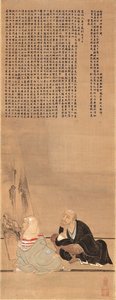
Kaihō Yūshō
1533 - 1615 , Japan
プロフィール概要
- Artistic Movement Or Style: Kanō school, Ink wash
- Artists Or Movements Influenced By This Artist:
- Kaihō School
- Japanese landscape art
- Artists Who Influenced This Artist:
- Liang Kai
- Kanō Motonobu
- Kanō Eitoku
- Date Of Birth: 1533
- Date Of Death: 1615
- Full Name: Kaihō Yūshō
- Nationality: Japanese
- Notable Artworks:
- Landscape with pavilions
- Paintings for Kennin-ji
- The Four Accomplishments
- Place Of Birth: Omi Province, Japan

