

 プレビュー
プレビュー
 プリントを購入
 シェアする
シェアする シェアする
シェアする
 詳細を見る
詳細を見る

 ダウンロード
 似ている作品
 X線調査
X線調査 スライドショー
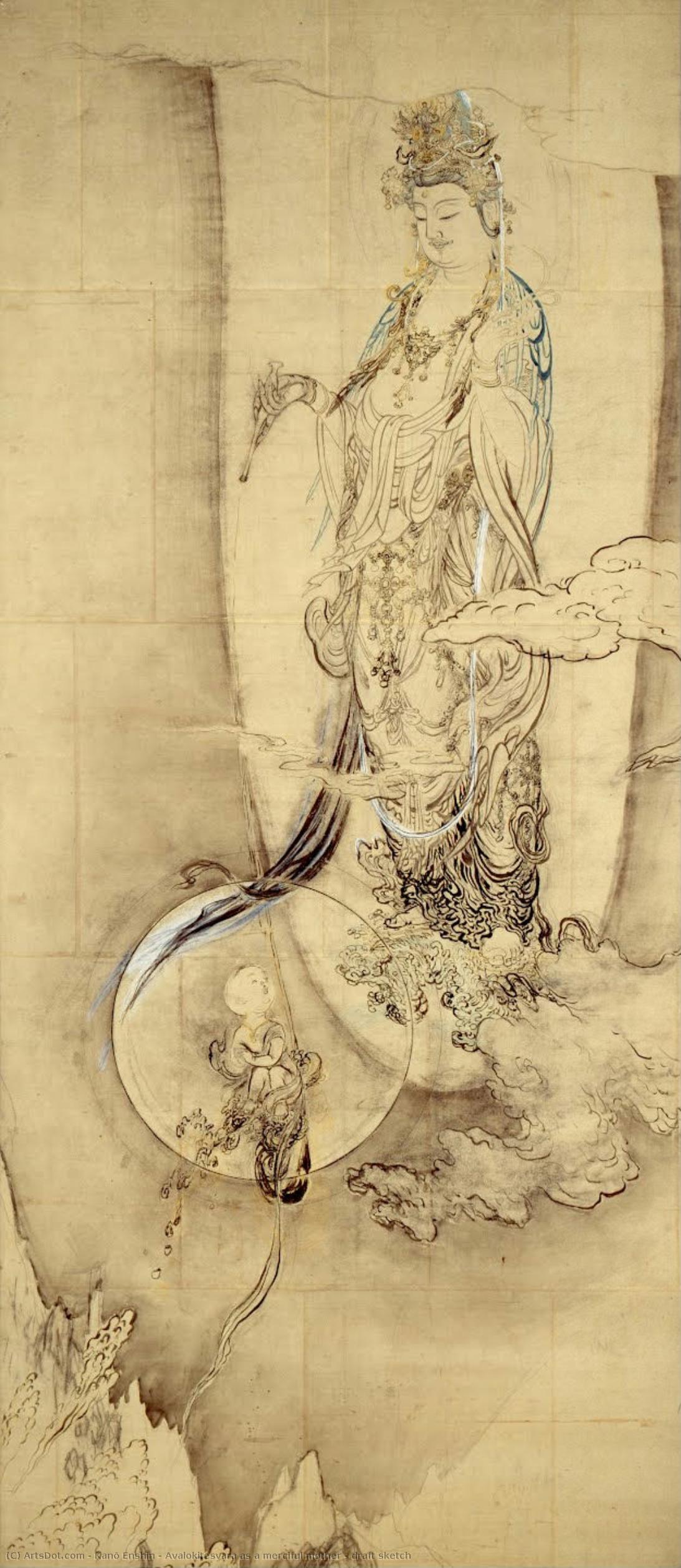
Avalokitesvara as a merciful mother / draft sketch
 Japanese Traditional Painting
 1888
1888 197.0 x 85.0 cm
 詳細を見る
詳細を見る




































作品のオリジナル比率に合わせた、当店の規定サイズからお選びください。

特定のフレームやスペースに合わせて、ご希望のサイズをご入力いただけます。選択されたサイズが元の画像の比率と異なる場合、アートワークをトリミングするか、手描きで要素を追加して絵画を拡張いたします。デジタルモックアップ を制作し、制作開始前にご確認(承認)をいただきます。
画面上のプレビューは、実際のトリミングや拡張を正確に反映しているものではありません。最終的な構図は、モックアップによってのみ正確にご確認いただけます。
カスタムサイズもご利用いただけますが、元の比率を維持するためには、あらかじめ用意されたリストからサイズを選択することをお勧めいたします。
ご注文後、ArtsDot.com チームより詳細な指示をお送りするとともに、仕上がりイメージ(モックアップ)をご提供いたします。


 ガラスオプションは、110cm未満のサイズでのみご利用いただけます。

Avalokitesvara as a merciful mother / draft sketch
複製技法
複製画のサイズ
-


合計金額
$ 263
関連作品
アーティストの略歴
Kanō Enshin (狩野芳崖) – A Legacy of Serenity and Tradition
Kanō Hōgai (狩野芳崖, February 27, 1828 – October 5, 1888) stands as one of the final luminaries of the Kanō school, a movement that profoundly shaped Japanese art history. Born in Shimonoseki, Japan, he descended from a lineage steeped in artistic excellence—his father served as chief painter to the daimyo, granting him early exposure to the highest echelon of artistic patronage and training. Recognizing his innate talent, he was dispatched to Edo (now Tokyo) at eighteen to pursue formal studies under Kanō Shōsen’in and other masters of the era, immersing himself in the techniques and philosophies that would define his artistic vision.- Early Training & Influences: Hōgai's formative years were marked by rigorous instruction in brushwork, pigment preparation, and compositional principles—elements central to the Kanō school’s distinctive aesthetic. He absorbed the teachings of prominent figures like Sesshū and Sesson, inheriting their dedication to capturing spiritual essence through meticulous observation and understated elegance.
- Commissioned Masterpieces & Recognition: Hōgai swiftly gained renown for his ability to execute monumental ceiling paintings commissioned by Edo Castle, demonstrating mastery over scale and perspective—skills honed during a period of intense artistic experimentation. His work was showcased at the Paris International Exposition of 1876, securing international acclaim and establishing him as a pivotal voice in Japanese art discourse.
The Turbulent Years & Adaptations Amidst Change
Following the Meiji Restoration in 1868, Japan underwent dramatic transformations—economic instability disrupted traditional artistic endeavors, forcing Hōgai to diversify his income streams beyond painting commissions. He ventured into iron casting, reclaimed land for agricultural use, and operated a writing instrument shop – pragmatic steps necessitated by circumstance yet reflecting an enduring spirit of innovation. Notably, he returned to Edo in 1877 and dedicated himself to studying the works of Japan’s artistic giants, including Sesshū and Sesson, furthering his understanding of classical aesthetics.- Shimazu Patronage & Artistic Refinement: His association with the Shimazu clan provided invaluable opportunities for scholarly pursuits and access to masterpieces of Japanese art history.
The Painting Appreciation Society & Rediscovering Tradition
Recognizing the growing neglect of Japan’s classical arts—particularly Heian and Nara paintings—Kanō Hōgai spearheaded the establishment of the Painting Appreciation Society (観画会, kangakai). This collective aimed to revitalize interest in these foundational artistic traditions, fostering dialogue between artists and scholars alike. Collaborating with Ernest Fenollosa, Okakura Kakuzō, and Hashimoto Gahō, he championed a renewed appreciation for subtlety and spiritual depth—values that resonated deeply within the broader artistic community.Legacy & Enduring Influence
Kanō Hōgai passed away in 1888, leaving behind a remarkable oeuvre characterized by serene landscapes, idealized depictions of Buddhist deities (particularly Avalokitesvara), and masterful execution of Kanō school techniques. His work continues to inspire artists today, embodying the enduring power of tradition—a testament to his unwavering commitment to preserving Japan’s artistic heritage. He is remembered as one of the last great masters of the Kanō school, whose legacy persists in the meticulous beauty and spiritual contemplation found within his paintings.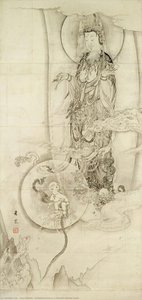
kanō enshin
1828 - 1888 , Japan
基本情報
- Artistic Movement Or Style: Kanō School
- Artists Or Movements Influenced By This Artist: ['Buddhist Art']
- Artists Who Influenced This Artist: ["Kanō Shōsen'in"]
- Date Of Birth: February 27, 1828
- Date Of Death: October 5, 1888
- Full Name: Kanō Hōgai
- Nationality: Japanese
- Notable Artworks:
- Avalokitesvara as a Merciful Mother
- Avalokitesvara/Draft Sketch
- Place Of Birth: Shimonoseki, Japan
関連記事

葛飾北斎:25の傑作が語る浮世絵の世界 - ArtsDot
葛飾北斎の25選:『神奈川沖浪裏』や『富嶽三十六景』など、浮世絵の世界を深く探求。木版画の技法と日本美術の美をArtsDotで。高品質なアートプリントで空間に感動を。コレクションはこちら。
Ephemeral Expressions: Exploring the Nuances of Ink on Paper Through History & Contemporary Art
Explore the captivating world of ink wash painting – from its ancient origins to contemporary masters. Discover techniques, symbolism & conservation insights with ArtsDot.com.
Ephemeral Lines: Exploring Emotional Resonance in Ink Sketching Traditions
Explore the profound art of ink sketching! Discover techniques to express emotion, master line work, and cultivate artistic sensitivity. Learn from historical masters & unlock your creative potential.
Serenity on Canvas: A Guide to the Timeless Beauty of Japanese Landscape Painting
Discover the serene beauty of Japanese landscape painting. From Hokusai's iconic woodblock prints to meditative sumi-e ink washes, explore a visual journey through the 'floating world' and learn how to bring this timeless Zen aesthetic into your modern home decor.
The Beauty of Ink Wash: Discover Serene & Soulful Art for Your Home
Discover the tranquil beauty of ink wash painting. Explore how Sumi-e and monochrome landscapes bring Zen-inspired serenity and soulful elegance to your home decor through expert curation and timeless East Asian aesthetics.

