

 プレビュー
プレビュー
 プリントを購入
 シェアする
シェアする シェアする
シェアする
 詳細を見る
詳細を見る

 ダウンロード
 似ている作品
 X線調査
X線調査 スライドショー
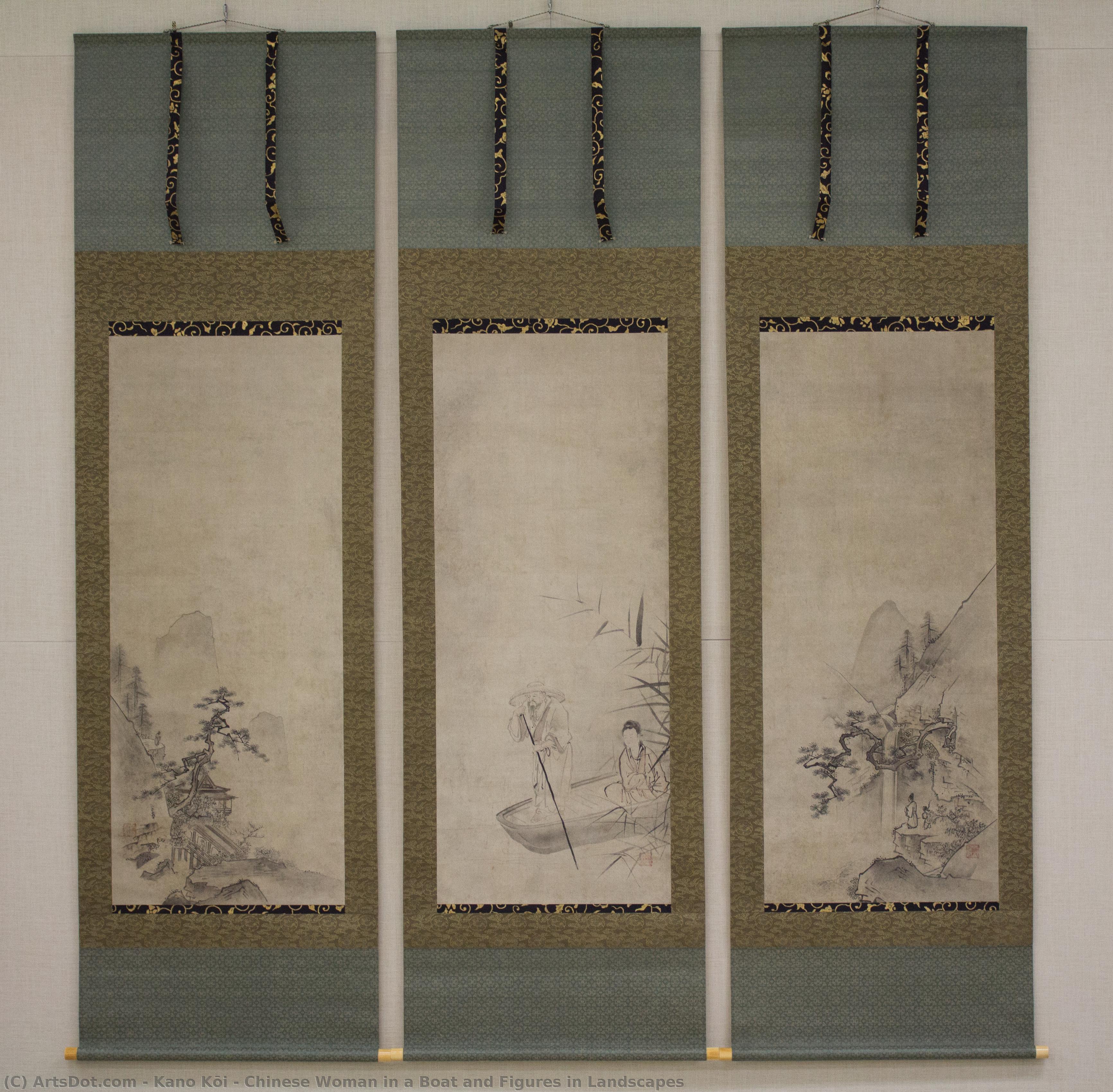
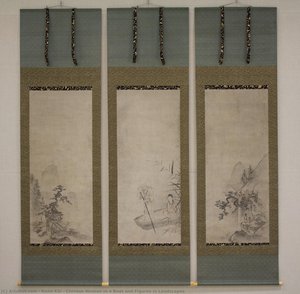
Chinese Woman in a Boat and Figures in Landscapes


 詳細を見る
詳細を見る
オンラインプレビューをはるかに凌ぐ、高解像度で鮮明なデジタル画像をご購入いただけます。
各ファイルは、社内の専門家が高度なツールと熟練した手作業によるレタッチを用いて、細心の注意を払って準備されています。すべての画像において、卓越した鮮明度、正確な色彩再現性、そして繊細なディテールを保証いたします。
最終ファイルは、プロフェッショナルな編集・印刷環境ですぐにご利用いただけるよう最適化された状態で、72時間以内にメールにてお届けいたします。これは、一流のデザインスタジオ、出版社、ギャラリーから信頼されているものと同等の品質です。
デジタル画像のご注文に付随する特典
高品質なデジタル画像配信を、確かな品質で。
ArtsDot.com を選ぶことは、単に画像を手に入れることではありません。それは、プロの手によって精密に仕上げられ、満足保証が付いた高品質なデジタルアートワークを受け取ることを意味します。ご注文いただいた際に自動的に付随する内容は、以下の通りです:

メールですぐにお届け
ご注文から72時間以内に、高解像度のデジタル画像ファイルがメールでお手元に届きます。すぐにそのままご利用いただけます。

AI技術で最適化されたデジタルファイル
お客様の作品は、高度なAIツールと専門家による手作業の編集を組み合わせてプロフェッショナルに最適化されており、細部のディテール、鮮明さ、そして正確な色再現性を最大限に引き出しています。

一生涯無料の再送サービス
ファイルを誤って削除したり、紛失してしまったりしましたか?ご安心ください。いつでも無料で再送いたします。

輸入手数料は一切かかりません
関税や手数料、配送料を気にすることなく、お気に入りのアートワークをすぐにお楽しみいただけます。デジタルダウンロードは常に免税です。

色彩再現の保証
プロ仕様のツールとカラーマネジメント技術を用いることで、デジタル画像が元の色を最大限に忠実に再現することを保証いたします。

100日間満足保証
ご購入いただいたデジタル画像にご満足いただけない場合は、100日以内であれば、理由を問わず修正または100%の返金対応をさせていただきます。

100% 返金保証
ご満足いただけない場合は、デジタルファイルを受け取ってから100日以内であれば、理由を問わず全額返金いたします。

まとめ買い割引
3枚購入で10%OFF - 5枚購入で15%OFF - 10枚以上購入で20%OFF。クリエイティブなプロジェクト、ギャラリー、エージェンシーに最適です。
Introduction to Ukiyo-e Art Movement
Ukiyo-e, a genre of Japanese art that flourished from the 17th through 19th centuries, is renowned for its woodblock prints and paintings depicting various subjects such as female beauties, kabuki actors, sumo wrestlers, historical scenes, folk tales, travel landscapes, flora, fauna, and erotica. The term Ukiyo-e (浮世絵) translates to 'picture[s] of the floating world', reflecting the hedonistic lifestyle of Edo's chōnin class (merchants, craftsmen, and workers).Artist: Kano Kōi
Kano Kōi was a prominent Japanese painter who lived from 1801 to 1865. He belonged to the prestigious Kano school, which dominated Japanese painting for over four centuries. The Kano school was known for its refined and elegant style, often depicting traditional subjects in a decorative manner.Painting: Chinese Woman in a Boat and Figures in Landscapes
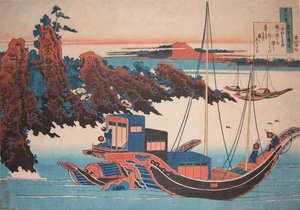
'Chinese Woman in a Boat and Figures in Landscapes' is an exquisite painting by Kano Kōi, showcasing his mastery of the Ukiyo-e style. The artwork features a Chinese woman gracefully rowing a boat amidst a serene landscape. The artist's use of vibrant colors and fluid brushwork creates a captivating scene that invites the viewer to explore the beauty of nature and the elegance of human figures.Historical Context
In 1603, Edo (present-day Tokyo) became the seat of the ruling Tokugawa shogunate, leading to rapid economic growth and the emergence of a new social class: the chōnin. The chōnin indulged in entertainment such as kabuki theatre, geisha, and courtesans, creating demand for ukiyo-e artworks that depicted their hedonistic lifestyle.Artistic Style and Techniques
Ukiyo-e artists used woodblock prints and paintings to create intricate compositions with a wide range of subjects. The printing process involved multiple woodblocks, each dedicated to a specific color or detail, resulting in richly layered images. Artists rarely carved their own woodblocks; instead, production was divided among the artist, carver, printer, and publisher.Conclusion
'Chinese Woman in a Boat and Figures in Landscapes' by Kano Kōi is an exceptional example of Ukiyo-e artistry. The painting showcases the artist's skillful use of color, composition, and subject matter to create a captivating work that embodies the essence of the floating world. To learn more about ukiyo-e or explore other masterpieces, visit ArtsDot.com.- Reference: The Ukiyo-e Art Movement
- Related Painting: Chinese Woman in a Boat and Figures in Landscapes
- Artist: Kano Kōi
関連作品

作家の略歴
A Legacy of Ink and Serenity: The Life of Kanō Kōi
In the delicate dance of brush against paper, few artists captured the profound stillness of the Edo period as masterfully as Kanō Kōi. Born around 1598 in Wenzhou, China, Kōi’s very origins suggest a bridge between worlds, bringing an Eastern sensibility that would eventually become a cornerstone of Japanese art history. As a prominent practitioner of the prestigious Kanō school, his life and work were defined by a pursuit of tranquility, where every stroke of ink served to harmonize the physical landscape with the spiritual realm. Though his early years are shrouded in the mists of time, his lineage is unmistakable; as the son of the renowned painter Kanō Hansui, Kōi was immersed from birth in a tradition dedicated to the elevation of Buddhist aesthetics and the meticulous application of mineral pigments.
The training Kōi underwent was far more than mere technical instruction; it was an initiation into a philosophical way of seeing. Under his father’s guidance, he mastered the rigorous demands of the Kanō lineage, learning to balance the bold, structural strength of Chinese landscape conventions with the subtle, understated elegance prized in Japanese culture. This synthesis allowed him to create works that were not merely representations of nature, but meditative windows into a deeper reality. His development was deeply influenced by the masters of the Tang Dynasty, particularly Wang Wei, whose poetic approach to landscape inspired Kō i to utilize interlocking vistas and atmospheric depth to evoke a sense of infinite space and quiet contemplation.
Mastery of Style and the Floating World
Kōi’s artistic repertoire is characterized by an exquisite command over both ink and color. While his roots lay in the classical traditions of the Kanō school, his work often touched upon the burgeoning sensibilities of the Ukiyo-e movement—the "pictures of the floating world." This era, marked by the rise of the chōnin merchant class in Edo, demanded art that could capture both the grandeur of nature and the fleeting beauty of human life. In masterpieces such as "Chinese Woman in a Boat and Figures in Landscapes," Kōi demonstrates a breathtaking ability to blend these worlds. Through fluid brushwork and a vibrant yet harmonious palette, he depicts scenes where human figures move gracefully through serene environments, suggesting a seamless connection between the individual and the cosmos.
The technical brilliance of his work can be observed in several key areas:
- Compositional Harmony: The use of complex, layered landscapes that guide the viewer's eye through winding rivers and distant mountains.
- Pigment Application: A sophisticated use of mineral pigments that provides a luminous quality to his subjects, contrasting beautifully with deep, soulful ink washes.
- Symbolic Depth: The integration of natural elements—such as water, mist, and flora—to represent the ephemeral nature of existence and the permanence of the spirit.
Historical Significance and Enduring Influence
The passing of Kanō Kōi around 1636 marked the end of a significant chapter in the evolution of Japanese painting, yet his influence remained etched into the fabric of the Kanō school for generations. He stood at a pivotal historical juncture, helping to navigate the transition from the heavy influences of imported Chinese styles to a uniquely Japanese aesthetic that would define the Edo period. By successfully bridging the gap between the monumental and the intimate, Kōi provided a blueprint for future artists to explore the intersection of tradition and innovation.
Today, the works of Kanō Kōi are revered not just as historical artifacts, but as living embodiments of tranquility. His ability to capture the "breath" of a landscape—the subtle movement of wind through trees or the quiet ripple of a boat on a lake—continues to resonate with modern viewers. He remains a master of the ephemeral, reminding us that within the meticulous detail of a single brushstroke lies the capacity to touch the infinite.
kanō kōi
1636 , China
プロフィール概要
- Artistic Movement Or Style: Kanō school painter
- Artists Or Movements Influenced By This Artist: ['Japanese ink painting']
- Artists Who Influenced This Artist: ['Unknown Artist']
- Date Of Death: 1636
- Full Name: kanō kōi
- Nationality: Japanese
- Notable Artworks: ['Chinese Woman in a Boat and Figures in Landscapes']
- Place Of Birth: Wenzhou, China