

 プリントを購入
 シェアする
シェアする シェアする
シェアする
 詳細を見る
詳細を見る

 ダウンロード
 似ている作品
 スライドショー
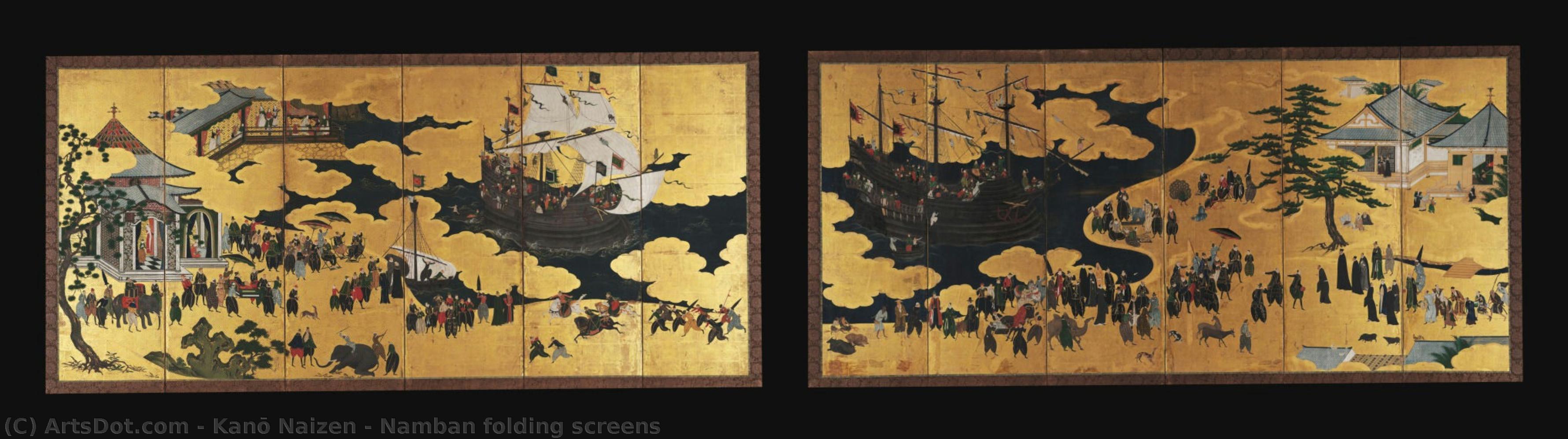
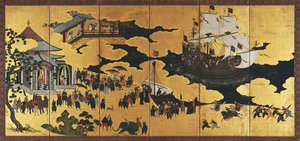
Namban folding screens
 Gold Leaf
- Sculpture
- Kanō School
 1600
1600- Early Modern
 178.0 x 366.0 cm
 国立古美術館
 詳細を見る
詳細を見る
オンラインプレビューをはるかに凌ぐ、高解像度で鮮明なデジタル画像をご購入いただけます。
各ファイルは、社内の専門家が高度なツールと熟練した手作業によるレタッチを用いて、細心の注意を払って準備されています。すべての画像において、卓越した鮮明度、正確な色彩再現性、そして繊細なディテールを保証いたします。
最終ファイルは、プロフェッショナルな編集・印刷環境ですぐにご利用いただけるよう最適化された状態で、72時間以内にメールにてお届けいたします。これは、一流のデザインスタジオ、出版社、ギャラリーから信頼されているものと同等の品質です。
デジタル画像のご注文に付随する特典
高品質なデジタル画像配信を、確かな品質で。
ArtsDot.com を選ぶことは、単に画像を手に入れることではありません。それは、プロの手によって精密に仕上げられ、満足保証が付いた高品質なデジタルアートワークを受け取ることを意味します。ご注文いただいた際に自動的に付随する内容は、以下の通りです:

メールですぐにお届け
ご注文から72時間以内に、高解像度のデジタル画像ファイルがメールでお手元に届きます。すぐにそのままご利用いただけます。

AI技術で最適化されたデジタルファイル
お客様の作品は、高度なAIツールと専門家による手作業の編集を組み合わせてプロフェッショナルに最適化されており、細部のディテール、鮮明さ、そして正確な色再現性を最大限に引き出しています。

一生涯無料の再送サービス
ファイルを誤って削除したり、紛失してしまったりしましたか?ご安心ください。いつでも無料で再送いたします。

輸入手数料は一切かかりません
関税や手数料、配送料を気にすることなく、お気に入りのアートワークをすぐにお楽しみいただけます。デジタルダウンロードは常に免税です。

色彩再現の保証
プロ仕様のツールとカラーマネジメント技術を用いることで、デジタル画像が元の色を最大限に忠実に再現することを保証いたします。

60日間満足保証
ご購入いただいたデジタル画像にご満足いただけない場合は、60日以内であれば、修正または100%の返金(理由を問う必要はありません)をさせていただきます。

100% 返金保証
ご満足いただけない場合は、デジタルファイルを受け取ってから60日以内であれば、理由を問わず全額返金いたします。

まとめ買い割引
3枚購入で10%OFF - 5枚購入で15%OFF - 10枚以上購入で20%OFF。クリエイティブなプロジェクト、ギャラリー、エージェンシーに最適です。
A Golden Encounter: The Grandeur of the Namban Folding Screens
In the quiet majesty of the Kanō Naizen masterpiece, Namban folding screens, we are transported to a pivotal moment in global history—a time when the shores of Japan first felt the profound impact of the West. These breathtaking diptychs serve as more than mere decorative objects; they are vibrant, gilded windows into the year 1543 and beyond, capturing the electric atmosphere of the arrival of the Portuguese vessels in the port of Nagasaki. As the viewer gazes upon the expansive 178 x 366 cm surface, they are immediately enveloped by a luminous, golden world that celebrates the collision of two vastly different civilizations. The screens depict the "black ships" and the namban jin—the southern barbarians—with a meticulousness that borders on the cinematic, documenting the arrival of Jesuit missionaries and the influx of exotic cargo with an eye for both wonder and ceremonial precision.
The artistry of Kanō Naizen, a prominent figure within the prestigious Kanō school, is displayed through a masterful command of line and light. Utilizing the traditional technique of applying layers of gold leaf over sumi ink and rich mineral pigments, Naizen creates a sense of divine opulence that radiates from within the paper. The composition is a dense, rhythmic tapestry of human activity; musicians, officials, and curious onlookers are arranged in a stylized landscape that prioritizes narrative clarity over strict realism. There is a fascinating tension in the technique—the flattened perspective characteristic of Japanese screen painting allows every detail, from the intricate rigging of the Portuguese ships to the fine textures of the attendants' garments, to be presented with equal importance. This creates a sense of "ordered chaos," where the grandeur of the procession is balanced by the structured, rectangular geometry of the folding leaves.
Beyond their visual splendor, these screens are profound historical documents laden with symbolism. The use of gold does not merely signify wealth; it elevates the historical event to a level of mythic significance, casting the cultural exchange as a monumental epoch in Japanese history. The presence of the Jesuit missionaries and the detailed depiction of foreign goods symbolize the dawn of a new era of global commerce and religious influence. For the discerning collector or interior designer, these works offer an unparalleled sense of prestige and narrative depth. A high-quality reproduction of such a piece brings a sophisticated, scholarly elegance to any space, acting as a conversation piece that invites contemplation on themes of exploration, encounter, and the enduring beauty of the Muromachi and Edo periods.
To possess or display an homage to these screens is to invite the spirit of the Kanō school into one's environment. The emotional impact is one of awe—a feeling of witnessing a world in transition. Whether placed in a grand hall or a curated study, the warm, diffused light reflected by the golden tones provides a sense of warmth and historical gravity. These screens are not merely decorations; they are epic poems written in gold and ink, offering a timeless connection to the moment when the horizons of Japan first expanded to meet the distant, unknown West.
関連作品

作家の略歴
biography of a noted artist
kanō naizen, a prominent figure in the kanō school of painting, lived from 1570 to 1616. as a member of this esteemed family of painters, he was known for his captivating works, particularly his byōbu screen paintings of nanban (southern barbarians, i.e., europeans).early life and training
born in 1570, kanō naizen was the middle son of kanō eitoku, the head of the school. he was younger brother to kanō mitsunobu, the heir to the kano school, and older brother to kanō takanobu. naizen also had an adopted brother, the renowned kanō sanraku. naizen's training took place within the head kanō workshop in kyoto, where he worked alongside his family members to restore numerous imperial buildings, buddhist temples, and shinto shrines that were destroyed during the kamakura period and the genpei wars.notable works and style
in 1610-15, naizen moved to edo (modern-day tokyo), the new administration capital, at the behest of the tokugawa shogunate. his style, while often overshadowed by his father and brothers, is particularly notable for its byōbu screen paintings of nanban. one of his more famous works, "festivals of toyokuni", was produced in 1605 for the seventh anniversary of the death of kampaku toyotomi hideyoshi, whose posthumous name was toyokuni daimyōjin. this piece is a prime example of his skill in capturing the essence of nanban.- view kanō naizen's artworks on ArtsDot.com
- read more about kanō naizen on wikipedia
- explore the kanō school and its influence on japanese painting at the kanō school style art movement
legacy
naizen's personal name was shigesato, which he acquired upon officially entering the kanō school. his legacy, though sometimes overshadowed by his family members, remains significant in the realm of japanese painting, particularly in the context of byōbu screen paintings.
kanō naizen
1570 - 1616 , Japan
プロフィール概要
- Artistic Movement Or Style: Kanō School
- Artists Or Movements Influenced By This Artist: ['Tosa School']
- Artists Who Influenced This Artist: ['Kanō Eitoku']
- Date Of Birth: Kyoto, Japan (1570)
- Date Of Death: 1616
- Full Name: Kanō Naizen
- Nationality: Japanese
- Notable Artworks:
- Festivals of Toyokuni
- Namban folding screens
- Place Of Birth: Kyoto

