

 プレビュー
プレビュー
 プリントを購入
 シェアする
シェアする シェアする
シェアする
 詳細を見る
詳細を見る

 ダウンロード
 似ている作品
 X線調査
X線調査 スライドショー
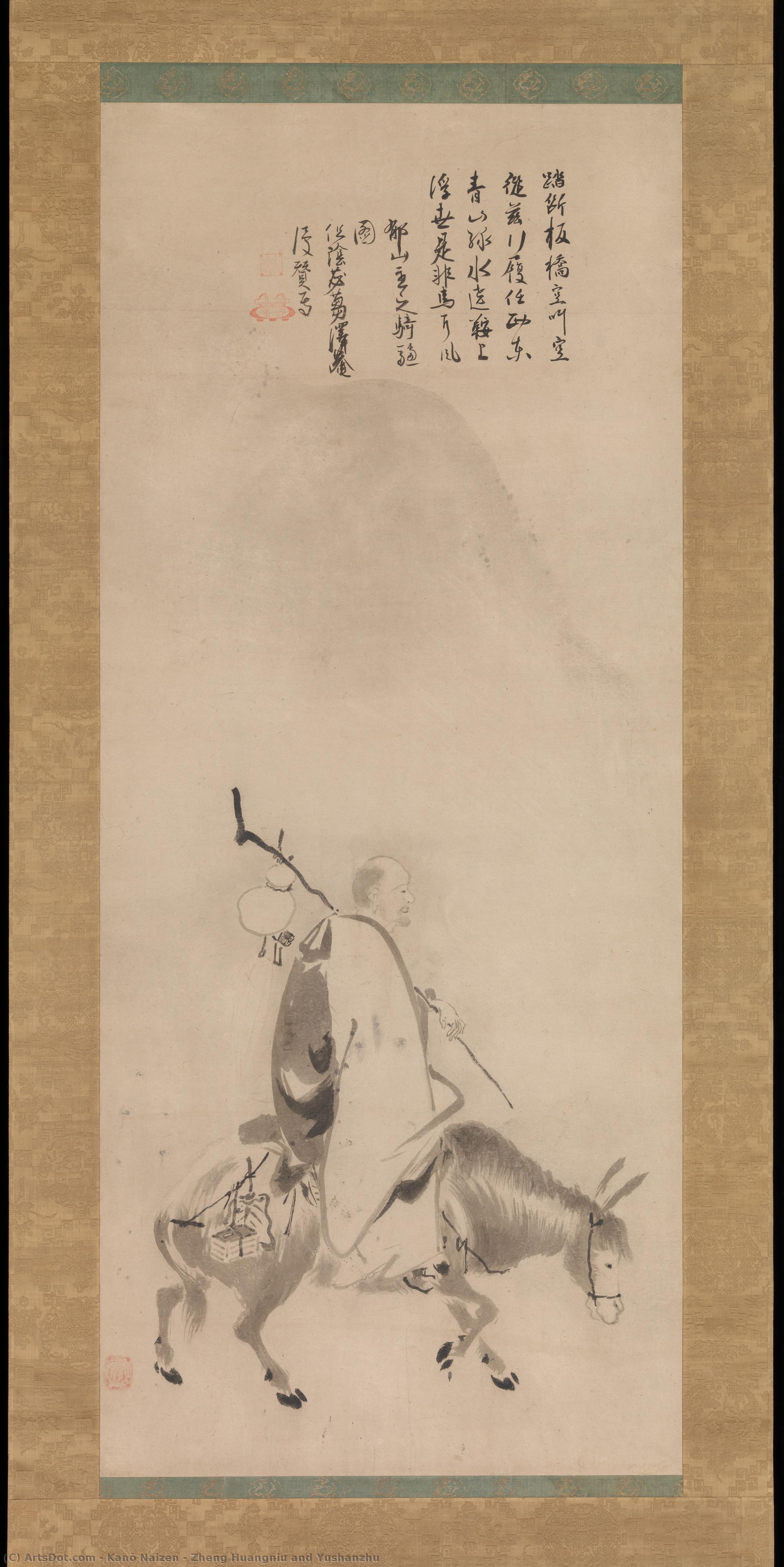
Zheng Huangniu and Yushanzhu
 Japanese Traditional Painting
 601
601 112.0cm x 47.0cm
 詳細を見る
詳細を見る
オンラインプレビューをはるかに凌ぐ、高解像度で鮮明なデジタル画像をご購入いただけます。
各ファイルは、社内の専門家が高度なツールと熟練した手作業によるレタッチを用いて、細心の注意を払って準備されています。すべての画像において、卓越した鮮明度、正確な色彩再現性、そして繊細なディテールを保証いたします。
最終ファイルは、プロフェッショナルな編集・印刷環境ですぐにご利用いただけるよう最適化された状態で、72時間以内にメールにてお届けいたします。これは、一流のデザインスタジオ、出版社、ギャラリーから信頼されているものと同等の品質です。
デジタル画像のご注文に付随する特典
高品質なデジタル画像配信を、確かな品質で。
ArtsDot.com を選ぶことは、単に画像を手に入れることではありません。それは、プロの手によって精密に仕上げられ、満足保証が付いた高品質なデジタルアートワークを受け取ることを意味します。ご注文いただいた際に自動的に付随する内容は、以下の通りです:

メールですぐにお届け
ご注文から72時間以内に、高解像度のデジタル画像ファイルがメールでお手元に届きます。すぐにそのままご利用いただけます。

AI技術で最適化されたデジタルファイル
お客様の作品は、高度なAIツールと専門家による手作業の編集を組み合わせてプロフェッショナルに最適化されており、細部のディテール、鮮明さ、そして正確な色再現性を最大限に引き出しています。

一生涯無料の再送サービス
ファイルを誤って削除したり、紛失してしまったりしましたか?ご安心ください。いつでも無料で再送いたします。

輸入手数料は一切かかりません
関税や手数料、配送料を気にすることなく、お気に入りのアートワークをすぐにお楽しみいただけます。デジタルダウンロードは常に免税です。

色彩再現の保証
プロ仕様のツールとカラーマネジメント技術を用いることで、デジタル画像が元の色を最大限に忠実に再現することを保証いたします。

60日間満足保証
ご購入いただいたデジタル画像にご満足いただけない場合は、60日以内であれば、修正または100%の返金(理由を問う必要はありません)をさせていただきます。

100% 返金保証
ご満足いただけない場合は、デジタルファイルを受け取ってから60日以内であれば、理由を問わず全額返金いたします。

まとめ買い割引
3枚購入で10%OFF - 5枚購入で15%OFF - 10枚以上購入で20%OFF。クリエイティブなプロジェクト、ギャラリー、エージェンシーに最適です。
関連作品
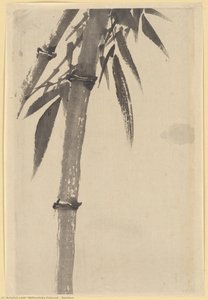
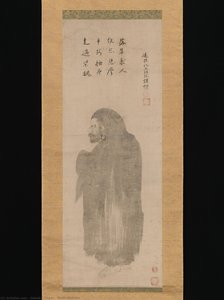
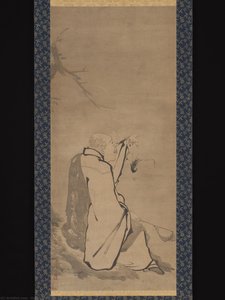
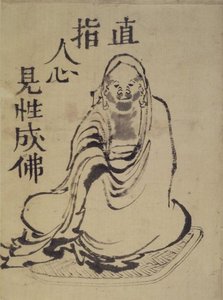
作家の略歴
biography of a noted artist
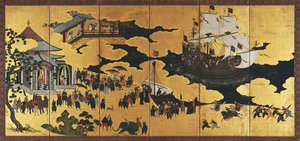
kanō naizen, a prominent figure in the kanō school of painting, lived from 1570 to 1616. as a member of this esteemed family of painters, he was known for his captivating works, particularly his byōbu screen paintings of nanban (southern barbarians, i.e., europeans).early life and training
born in 1570, kanō naizen was the middle son of kanō eitoku, the head of the school. he was younger brother to kanō mitsunobu, the heir to the kano school, and older brother to kanō takanobu. naizen also had an adopted brother, the renowned kanō sanraku. naizen's training took place within the head kanō workshop in kyoto, where he worked alongside his family members to restore numerous imperial buildings, buddhist temples, and shinto shrines that were destroyed during the kamakura period and the genpei wars.notable works and style
in 1610-15, naizen moved to edo (modern-day tokyo), the new administration capital, at the behest of the tokugawa shogunate. his style, while often overshadowed by his father and brothers, is particularly notable for its byōbu screen paintings of nanban. one of his more famous works, "festivals of toyokuni", was produced in 1605 for the seventh anniversary of the death of kampaku toyotomi hideyoshi, whose posthumous name was toyokuni daimyōjin. this piece is a prime example of his skill in capturing the essence of nanban.- view kanō naizen's artworks on ArtsDot.com
- read more about kanō naizen on wikipedia
- explore the kanō school and its influence on japanese painting at the kanō school style art movement
legacy
naizen's personal name was shigesato, which he acquired upon officially entering the kanō school. his legacy, though sometimes overshadowed by his family members, remains significant in the realm of japanese painting, particularly in the context of byōbu screen paintings.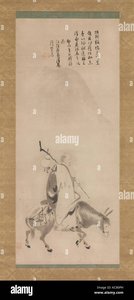
kanō naizen
1570 - 1616 , Japan
プロフィール概要
- Artistic Movement Or Style: Kanō School
- Artists Or Movements Influenced By This Artist: ['Tosa School']
- Artists Who Influenced This Artist: ['Kanō Eitoku']
- Date Of Birth: Kyoto, Japan (1570)
- Date Of Death: 1616
- Full Name: Kanō Naizen
- Nationality: Japanese
- Notable Artworks:
- Festivals of Toyokuni
- Namban folding screens
- Place Of Birth: Kyoto

