

 プレビュー
プレビュー
 プリントを購入
 シェアする
シェアする シェアする
シェアする
 詳細を見る
詳細を見る

 ダウンロード
 似ている作品
 X線調査
X線調査 スライドショー
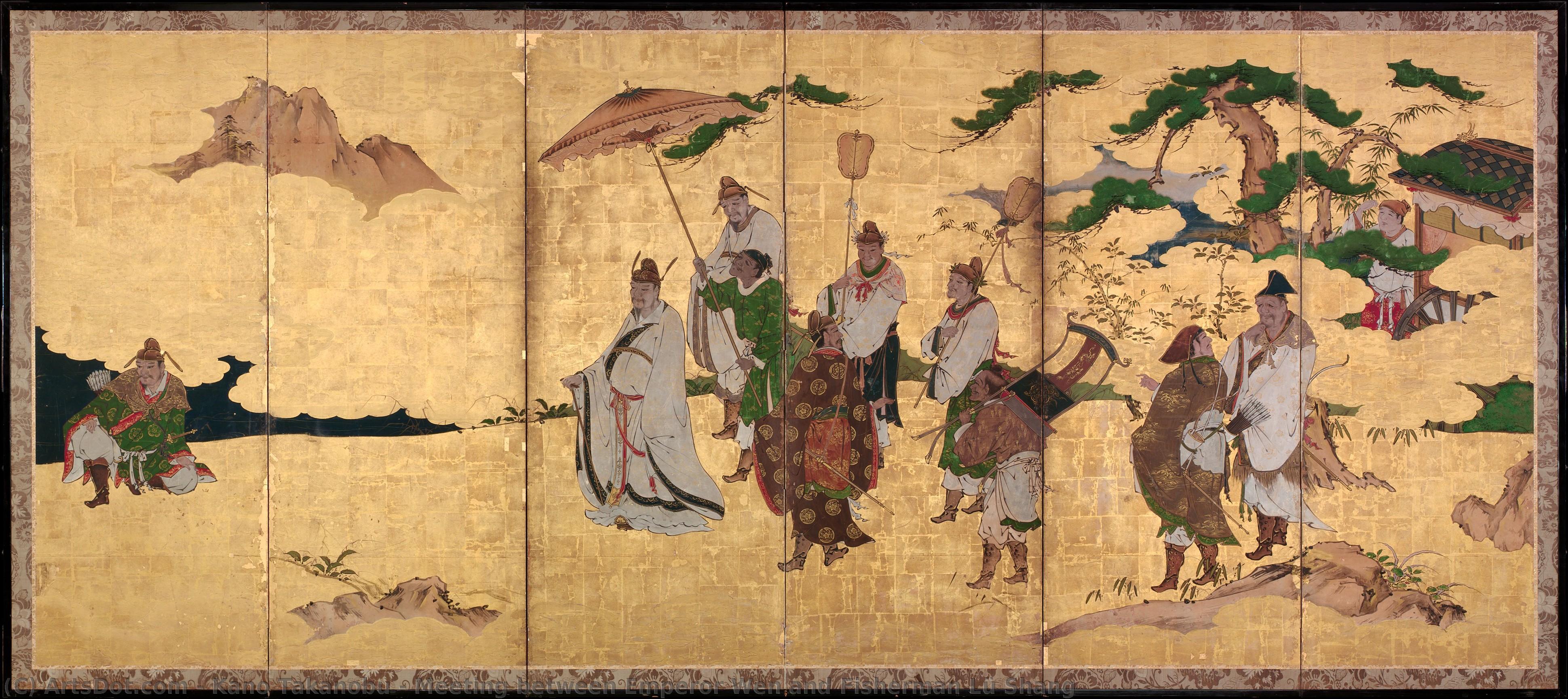
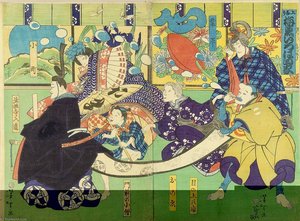
Meeting between Emperor Wen and Fisherman Lü Shang
 1600
1600 169.0 x 380.0 cm
 詳細を見る
詳細を見る
オンラインプレビューをはるかに凌ぐ、高解像度で鮮明なデジタル画像をご購入いただけます。
各ファイルは、社内の専門家が高度なツールと熟練した手作業によるレタッチを用いて、細心の注意を払って準備されています。すべての画像において、卓越した鮮明度、正確な色彩再現性、そして繊細なディテールを保証いたします。
最終ファイルは、プロフェッショナルな編集・印刷環境ですぐにご利用いただけるよう最適化された状態で、72時間以内にメールにてお届けいたします。これは、一流のデザインスタジオ、出版社、ギャラリーから信頼されているものと同等の品質です。
デジタル画像のご注文に付随する特典
高品質なデジタル画像配信を、確かな品質で。
ArtsDot.com を選ぶことは、単に画像を手に入れることではありません。それは、プロの手によって精密に仕上げられ、満足保証が付いた高品質なデジタルアートワークを受け取ることを意味します。ご注文いただいた際に自動的に付随する内容は、以下の通りです:

メールですぐにお届け
ご注文から72時間以内に、高解像度のデジタル画像ファイルがメールでお手元に届きます。すぐにそのままご利用いただけます。

AI技術で最適化されたデジタルファイル
お客様の作品は、高度なAIツールと専門家による手作業の編集を組み合わせてプロフェッショナルに最適化されており、細部のディテール、鮮明さ、そして正確な色再現性を最大限に引き出しています。

一生涯無料の再送サービス
ファイルを誤って削除したり、紛失してしまったりしましたか?ご安心ください。いつでも無料で再送いたします。

輸入手数料は一切かかりません
関税や手数料、配送料を気にすることなく、お気に入りのアートワークをすぐにお楽しみいただけます。デジタルダウンロードは常に免税です。

色彩再現の保証
プロ仕様のツールとカラーマネジメント技術を用いることで、デジタル画像が元の色を最大限に忠実に再現することを保証いたします。

60日間満足保証
ご購入いただいたデジタル画像にご満足いただけない場合は、60日以内であれば、修正または100%の返金(理由を問う必要はありません)をさせていただきます。

100% 返金保証
ご満足いただけない場合は、デジタルファイルを受け取ってから60日以内であれば、理由を問わず全額返金いたします。

まとめ買い割引
3枚購入で10%OFF - 5枚購入で15%OFF - 10枚以上購入で20%OFF。クリエイティブなプロジェクト、ギャラリー、エージェンシーに最適です。
関連作品


作家の略歴
Michelangelo Merisi da Caravaggio: A Revolutionary Light
Michelangelo Merisi, more famously known as Caravaggio, remains one of the most compelling and controversial figures in art history. Born in Milan around 1571, his life was a whirlwind of artistic brilliance, violent outbursts, and ultimately, premature death at the age of thirty-eight. His impact on European painting is immeasurable; he shattered established conventions, introducing a radical new approach to realism, dramatic lighting, and psychological depth that profoundly influenced generations of artists. Caravaggio’s story isn't just about his paintings—it’s a tale of ambition, struggle, and a volatile personality forever intertwined with the masterpieces he created.Early Life and Training
Caravaggio’s early life remains somewhat shrouded in mystery. He was born into a modest family – his father, Fermo Merisi, was a household administrator for the Marchese of Caravaggio, a small town in Lombardy. The family moved to Caravaggio itself shortly after Michelangelo's birth, likely seeking refuge from a plague that ravaged Milan. His father’s death when he was just eleven left him and his mother impoverished. He received an apprenticeship with Simone Peterzano, a painter working in the style of Titian, a highly influential figure in Venetian art. This training provided a foundation in traditional techniques but it was during this period that Caravaggio began to develop his own distinctive approach – one characterized by a keen observation of human nature and a willingness to break from established artistic norms. He spent several years honing his skills in Milan before fleeing to Rome in 1592, driven by a combination of restlessness and perhaps a desire for greater opportunity.Rome: Innovation and Controversy
Caravaggio’s arrival in Rome marked the beginning of his meteoric rise as an artist. Initially struggling to find work, he quickly gained recognition for his strikingly realistic depictions of everyday life, particularly his scenes of street life and gambling. His innovative use of *chiaroscuro* – a dramatic contrast between light and dark – became his signature style. He didn’t simply paint light; he used it to sculpt forms, create mood, and draw the viewer directly into the scene. This technique, often described as “tenebrism,” was revolutionary at the time, moving away from the soft, diffused lighting favored by many of his contemporaries. His early works, such as *The Cardsharps* and *Boy Bitten by a Lizard*, demonstrated this mastery, capturing the immediacy and psychological complexity of his subjects with unprecedented intensity. However, Caravaggio’s artistic genius was matched only by his turbulent personality. He was known for his volatile temper, engaging in frequent brawls and earning a reputation as a dangerous man. His life took a dramatic turn when he killed Ranuccio Tommasoni in a street fight in 1599, leading to a death sentence. Fleeing Rome, he found patronage with Cardinal Francesco Maria del Monte, who provided him with lodging and commissions. This period produced some of his most celebrated works – intimate chamber paintings featuring young models, including *The Musicians* and *The Lute Player*. These pieces showcased his ability to capture the beauty and vulnerability of youth while simultaneously exploring themes of sensuality and mortality.Later Travels and Final Years
Caravaggio’s time in Rome was ultimately short-lived. In 1606, he became embroiled in another violent altercation, resulting in a serious injury to his face. Fearing retribution, he fled to Naples, where he continued to paint prolifically, producing works such as *The Entombment of Christ* and *Death of Saint Matthew*. His style evolved somewhat during this period, becoming darker and more dramatic. In 1609, he traveled to Malta, seeking papal pardon for his past crimes. His stay was marked by further violence and ultimately led to his expulsion from the Knights of Malta. He returned to Naples, where a final brawl resulted in severe injuries to his face – an injury that would haunt him until his death. Caravaggio died in Porto Ercole, Tuscany, in 1610, reportedly from fever, though rumors persisted about murder or poisoning.Legacy and Influence
Despite his tragically short life, Caravaggio’s influence on the course of Western art is undeniable. His innovations in realism, dramatic lighting, and psychological portrayal profoundly impacted subsequent generations of painters. Artists such as Peter Paul Rubens, Jusepe de Ribera, Gian Lorenzo Bernini, Diego Velázquez, and Rembrandt – figures separated by time and geography – all acknowledged his profound influence. The term “Caravaggisti” (or “Caravagesques”) was coined to describe the artists who followed in his wake, adopting his distinctive style and techniques. Caravaggio’s work continues to captivate audiences today, not only for its artistic merit but also for its raw emotional power and unsettling realism. He remains a symbol of artistic genius, turbulent passion, and the enduring mystery of the human condition.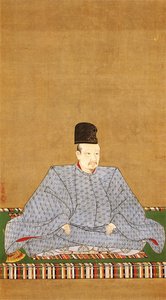
kano takanobu
1571 - 1618 , Japan
プロフィール概要
- Artistic Movement Or Style: Baroque, Tenebrism
- Artists Or Movements Influenced By This Artist:
- Rubens
- Rembrandt
- Velázquez
- Artists Who Influenced This Artist:
- Titian
- Giorgione
- Date Of Birth: September 29, 1571
- Date Of Death: July 18, 1610
- Full Name: Michelangelo Merisi da Caravaggio
- Nationality: Italian
- Notable Artworks:
- The Calling of Saint Matthew
- Supper at Emmaus
- David and Goliath
- Death of the Virgin
- Place Of Birth: Milan, Italy

