

 プレビュー
プレビュー
 プリントを購入
 シェアする
シェアする シェアする
シェアする
 詳細を見る
詳細を見る

 ダウンロード
 似ている作品
 X線調査
X線調査 スライドショー
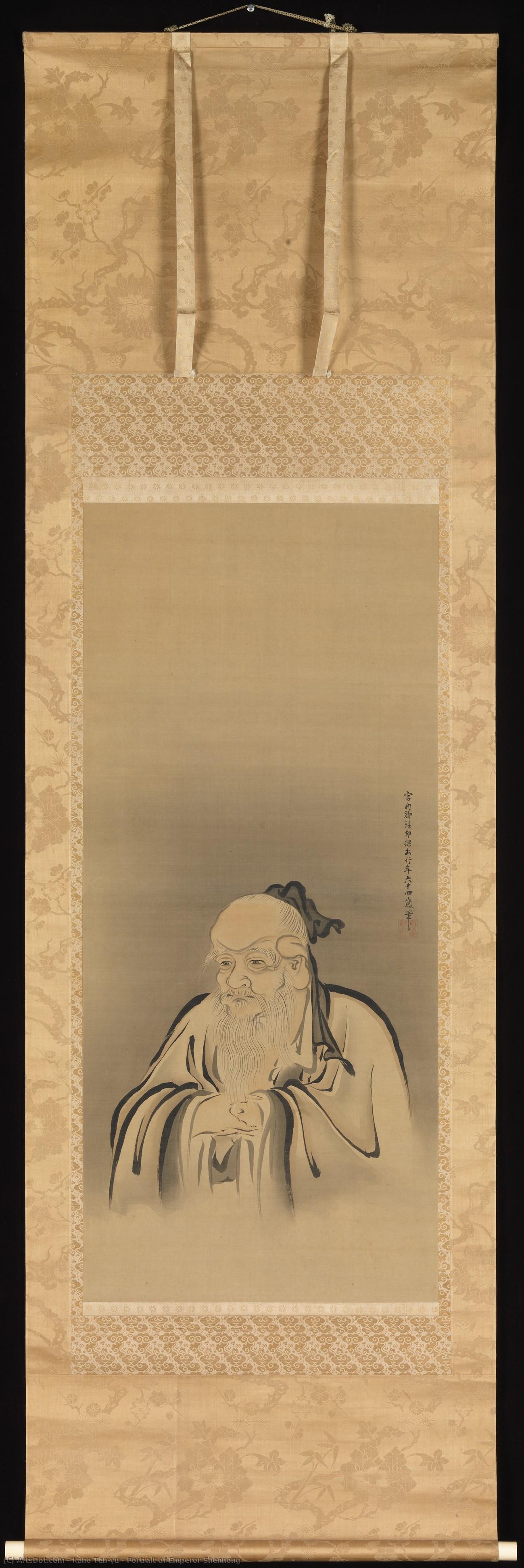
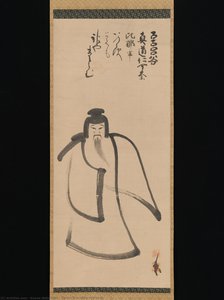
Portrait of Emperor Shennong
 1665
1665 105.0 x 46.0 cm
 詳細を見る
詳細を見る
オンラインプレビューをはるかに凌ぐ、高解像度で鮮明なデジタル画像をご購入いただけます。
各ファイルは、社内の専門家が高度なツールと熟練した手作業によるレタッチを用いて、細心の注意を払って準備されています。すべての画像において、卓越した鮮明度、正確な色彩再現性、そして繊細なディテールを保証いたします。
最終ファイルは、プロフェッショナルな編集・印刷環境ですぐにご利用いただけるよう最適化された状態で、72時間以内にメールにてお届けいたします。これは、一流のデザインスタジオ、出版社、ギャラリーから信頼されているものと同等の品質です。
デジタル画像のご注文に付随する特典
高品質なデジタル画像配信を、確かな品質で。
ArtsDot.com を選ぶことは、単に画像を手に入れることではありません。それは、プロの手によって精密に仕上げられ、満足保証が付いた高品質なデジタルアートワークを受け取ることを意味します。ご注文いただいた際に自動的に付随する内容は、以下の通りです:

メールですぐにお届け
ご注文から72時間以内に、高解像度のデジタル画像ファイルがメールでお手元に届きます。すぐにそのままご利用いただけます。

AI技術で最適化されたデジタルファイル
お客様の作品は、高度なAIツールと専門家による手作業の編集を組み合わせてプロフェッショナルに最適化されており、細部のディテール、鮮明さ、そして正確な色再現性を最大限に引き出しています。

一生涯無料の再送サービス
ファイルを誤って削除したり、紛失してしまったりしましたか?ご安心ください。いつでも無料で再送いたします。

輸入手数料は一切かかりません
関税や手数料、配送料を気にすることなく、お気に入りのアートワークをすぐにお楽しみいただけます。デジタルダウンロードは常に免税です。

色彩再現の保証
プロ仕様のツールとカラーマネジメント技術を用いることで、デジタル画像が元の色を最大限に忠実に再現することを保証いたします。

60日間満足保証
ご購入いただいたデジタル画像にご満足いただけない場合は、60日以内であれば、修正または100%の返金(理由を問う必要はありません)をさせていただきます。

100% 返金保証
ご満足いただけない場合は、デジタルファイルを受け取ってから60日以内であれば、理由を問わず全額返金いたします。

まとめ買い割引
3枚購入で10%OFF - 5枚購入で15%OFF - 10枚以上購入で20%OFF。クリエイティブなプロジェクト、ギャラリー、エージェンシーに最適です。
作品の詳細
関連作品


作家の略歴
Early Life and Lineage
Kanō Tan’yū, born in Kyoto in 1602, emerged from a lineage steeped in the traditions of the Kanō school—the most influential force in Japanese painting for centuries. His father, Kano Takanobu, was a prominent artist within this established system, and Tan’yū inherited not only his artistic skill but also a profound understanding of the aesthetic principles that had defined generations of painters. The Kanō school, originating with Kanō Masanobu in the 15th century, blended elements of Zen Buddhism, Chinese landscape painting, and classical Japanese styles. Tan'yū’s early training would have been rigorous, focusing on meticulous brushwork, an understanding of compositional balance, and a deep respect for historical precedents. However, he wasn’t simply destined to replicate the past; his career would be marked by a unique synthesis of tradition and innovation.
The Kajibashi Style and Shogunate Patronage
At the remarkably young age of seventeen, Tan’yū received an appointment as painter to the Tokugawa shogunate. This pivotal moment dramatically altered the course of his artistic development. He was granted an estate in Edo (modern-day Tokyo) called Kajibashi, and it became synonymous with a distinct branch of the Kanō school—the Kajibashi-Kano style. This patronage wasn’t merely financial; it came with the responsibility of establishing a new visual language that reflected the power and authority of the shogunate. Tan'yū responded by deliberately returning to earlier, more restrained forms of Kanō painting, eschewing some of the flamboyant excesses that had crept into the style during the late 16th century. He favored historical subjects—particularly those embodying Confucian ethical precepts—and landscapes imbued with a sense of solemn dignity.
Large-Scale Commissions and Architectural Decoration
Tan’yū's influence extended far beyond individual paintings; he became renowned for his large-scale decorative projects within the castles and palaces of the Tokugawa regime. He left an indelible mark on Nijō Castle in Kyoto, decorating its walls with scenes that celebrated the shogunate’s authority and legitimacy. Similar commissions followed at Nagoya Castle and the Kyoto Imperial Palace. These weren't isolated artistic endeavors; they were integral to the political messaging of the era. The paintings served as powerful visual statements, reinforcing the shogun’s position and projecting an image of stability and cultural refinement. His approach involved not only his own hand but also that of a growing workshop—a testament to the scale of these undertakings and his role as a master organizer.
Themes and Techniques: A Synthesis of Tradition
Tan'yū’s paintings are characterized by a remarkable balance between technical virtuosity and philosophical depth. He excelled in both monochrome ink wash painting (sumi-e) and colorful, detailed compositions. His subject matter often revolved around historical figures—Confucius and his disciples being particularly favored—and scenes from nature, such as landscapes populated with tigers, birds, and bamboo. The tiger motif, for example, wasn’t simply a display of artistic skill; it symbolized courage, strength, and protection—qualities highly valued by the warrior class. His technique involved meticulous brushwork, subtle gradations of tone, and a masterful use of negative space. He was also known for his numerous sketches of flora and fauna, demonstrating an acute observational ability that informed his larger compositions. His style is often described as conservative, but this conservatism wasn’t stagnation; it was a deliberate effort to revive the core principles of the Kanō school while adapting them to the needs of his time.
Legacy and Historical Significance
Kanō Tan’yū died in Edo in 1674, leaving behind a legacy that profoundly shaped Japanese painting for generations. He established the dominant style of Edo-period art, laying the foundation for a vast organization of official shogunate painters. His emphasis on historical subjects and Confucian values resonated with the ruling class, solidifying his position as a cultural icon. While later artists would explore new avenues of expression, Tan’yū's influence remained pervasive. He is remembered not only as a skilled painter but also as a master collector, a shrewd administrator, and a pivotal figure in the development of Japanese art history. His work continues to be admired for its technical brilliance, philosophical depth, and enduring aesthetic appeal.

kano tan'yū
1602 - 1674
プロフィール概要
- Artistic Movement Or Style: Kanō school, Momoyama style
- Artists Or Movements Influenced By This Artist: ['Later Kanō artists']
- Artists Who Influenced This Artist: ['Kano Takanobu']
- Date Of Birth: 1602
- Date Of Death: 1674
- Full Name: Kanō Tan'yū
- Nationality: Japanese
- Notable Artworks:
- Bluish-Green Fish Scales
- Summer Landscape
- Squirrel on Bamboo
- Confucius and Two Disciples

