

 プレビュー
プレビュー
 プリントを購入
 シェアする
シェアする シェアする
シェアする
 詳細を見る
詳細を見る

 ダウンロード
 似ている作品
 X線調査
X線調査 スライドショー
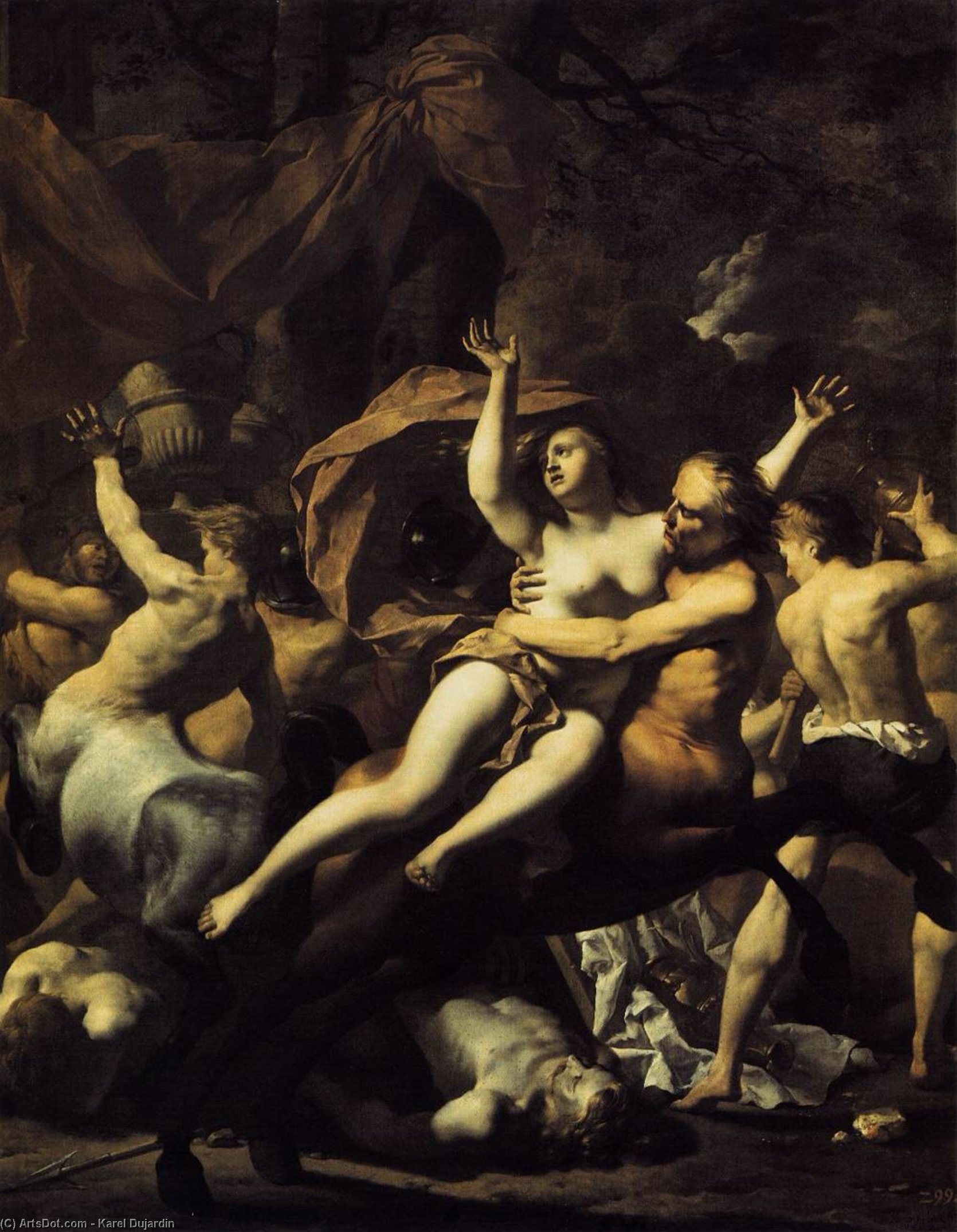
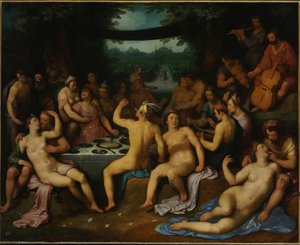
The Battle of Centaurs and Lapiths at Hippodamia's Wedding
 Acrylic On Canvas
- WallArt
- Baroque
 1667
1667 177.0 x 139.0 cm
 サンススーシ宮殿
 詳細を見る
詳細を見る




P118B $10

P118H $10

P118W $10

P438Z $10

P508JH $12

P508YH $12

P805H $10

P805Z $10

P919BZ $10

P919G $10

P919XJ $10

P959ZH $10

P968JZ $12

W106C $8

W218G $10

W218JH $8

W218Y $10

W307PJ $10

W316G $10

W316PJ $8

W316Y $10

W398PJ $8

W4111J $10

W500HY $15

W500JH $15

W692G $12

W849H $8

W940BG $15

W953PJ $8




作品のオリジナル比率に合わせた、当店の規定サイズからお選びください。

特定のフレームやスペースに合わせて、ご希望のサイズをご入力いただけます。選択されたサイズが元の画像の比率と異なる場合、アートワークをトリミングするか、手描きで要素を追加して絵画を拡張いたします。デジタルモックアップ を制作し、制作開始前にご確認(承認)をいただきます。
画面上のプレビューは、実際のトリミングや拡張を正確に反映しているものではありません。最終的な構図は、モックアップによってのみ正確にご確認いただけます。
カスタムサイズもご利用いただけますが、元の比率を維持するためには、あらかじめ用意されたリストからサイズを選択することをお勧めいたします。
ご注文後、ArtsDot.com チームより詳細な指示をお送りするとともに、仕上がりイメージ(モックアップ)をご提供いたします。


 ガラスオプションは、110cm未満のサイズでのみご利用いただけます。

The Battle of Centaurs and Lapiths at Hippodamia's Wedding
複製技法
複製画のサイズ
-


合計金額
$ 263
作品解説
A Symphony of Light and Myth: Exploring Karel Dujardin’s “The Battle of Centaurs and Lapiths at Hippodamia's Wedding”
Karel Dujardin, born in Amsterdam around 1626 – though some scholars debate the precise year – stands as a testament to the quiet brilliance that often characterizes Dutch Golden Age artistry. Unlike many contemporaries who achieved immediate fame, Dujardin’s reputation grew organically through diligent study and extensive travels, cementing his place among the luminaries of his era. His formative artistic education occurred under the watchful eye of Nicolaes Berchem, a painter celebrated for his serene landscapes brimming with pastoral animals; this mentorship instilled in Dujardin an unwavering devotion to naturalism and a masterful understanding of how light sculpts form and imbues scenes with palpable emotion. “The Battle of Centaurs and Lapiths at Hippodamia’s Wedding,” completed in 1667, exemplifies these principles beautifully. This monumental canvas depicts the legendary conflict between the centaur tribe and the Lapith clan over the marriage of Hippodamia, daughter of King Amphion and Electra of Thessaly – a tale recounted by Apollodoros and Virgil, resonating deeply within Greek mythology. The painting isn’t merely a visual retelling; it's an immersive experience designed to transport the viewer into the heart of the drama.Style and Technique: Baroque Drama Rendered with Precision
Dujardin’s approach aligns squarely with the tenets of Baroque art, characterized by dynamism, theatricality, and opulent ornamentation. However, unlike some Baroque painters who prioritized grandeur above all else, Dujardin maintains a remarkable level of detail and realism. He employs chiaroscuro – dramatic contrasts between light and dark – to heighten the emotional intensity of the scene. Notice how the spotlight illuminates the central figures, emphasizing their expressions of anguish and determination while plunging the surrounding areas into shadow, creating an atmosphere of palpable tension. The artist’s meticulous brushwork captures the textures of flesh, muscle, and horsehair with astonishing accuracy, demonstrating a profound respect for observation and anatomical understanding.Historical Context: Reflecting Enlightenment Ideals Amidst Mythological Narrative
The painting emerged during a period marked by intellectual ferment – the burgeoning Enlightenment – where artists sought to elevate moral instruction alongside aesthetic beauty. While ostensibly depicting a fantastical mythological episode, “The Battle of Centaurs and Lapiths” subtly conveys themes of heroism, courage, and divine intervention. The inclusion of an umbrella adds another layer of symbolic significance; it represents protection from adversity and foreshadows the triumph of good over evil – mirroring prevalent philosophical concepts of the time.Symbolism: Beyond Mythical Conflict
Beyond its narrative core, the artwork is rich in visual symbolism. The nude figures represent vulnerability and purity, juxtaposed against the muscular strength of the male warriors. Their poses convey a sense of struggle and resilience, embodying the human spirit’s capacity to endure hardship for noble ideals. Furthermore, the horses themselves symbolize nobility, power, and untamed nature – mirroring the primal forces at play in the conflict depicted. The artist skillfully utilizes color palettes—primarily reds and golds—to evoke feelings of passion and majesty, reinforcing the painting's dramatic impact.Emotional Impact: Capturing the Essence of Human Experience
“The Battle of Centaurs and Lapiths” transcends mere storytelling; it aspires to elicit profound emotional responses from its audience. Dujardin’s masterful manipulation of light and shadow compels viewers to confront themes of conflict, sacrifice, and ultimately, victory. The painting's enduring appeal lies in its ability to capture the visceral experience of witnessing a pivotal moment – a confrontation between opposing forces where courage and determination prevail. It serves as a powerful reminder that even amidst chaos and uncertainty, beauty and nobility can endure—a timeless testament to Dujardin’s artistic vision.関連作品




アーティストの略歴
光と風景に浸された生涯
オランダ黄金時代の巨匠たちの殿堂において、静かに、しかし確かな響きを持って語り継がれる名、カレル・デュヤルディン。彼は1626年(記録によっては1622年とも)にアムステルダムで生を受けました。彼の人生は、オランダがかつてない芸術的繁栄を謳歌していた時代の中にありました。しかし、その歩みは決して即座の喝采を浴びるものではなく、入念な研鑽と広範な旅を通じて、才能がゆっくりと開花していく過程そのものでした。若き日の詳細は時の霧に包まれ、いくぶん謎めいていますが、彼がニコラス・ベルヘムという画家の門下で基礎を学んだことは広く知られています。動物たちが息づく牧歌的な風景画で名を馳せたベルヘムによる指導は、デュヤル精神にとって極めて重要な転換点となりました。この師との出会いが、自然主義への深い敬愛と、光や大気の微細なニュアンスを捉える鋭い眼差しを彼に授けたのです。しかし、デュヤルディンの芸術的探求はアムステルダムの工房に留まりませんでした。彼の冒険心は彼をローマへと導き、そこで彼は「ベントヴーフヘルス」の一員となります。それはボヘミアンな生活を送り、しばしば風刺的なニックネームを用いる、主にオランダやフランドルの画家たちによる結社でした。ローマにおいて、彼はその特徴的な髭にちなんで「バルバ・ディ・ベッコ(山羊髭)」として知られるようになり、まさにこの地で、彼の芸術的な声は真の成熟を迎え始めたのです。イタリアの影響と独自の画風
イタリアでの日々は、デュヤルディンの画風を決定づけるほど深い影響を与えました。彼は単に目にした風景を模倣したわけではありません。むしろ、それらをオランダの風俗画の伝統と融合させ、アルプスを挟んだ両側の観衆を魅了する独自のスタイルを創り上げたのです。彼の作品は、緻密な細部描写と、日常の一場面を描き出す驚くべき能力によって特徴づけられます。動物たちが溢れる田園風景、日々の営みに勤しむ農民たち、そして静謐な牧歌的情景。彼は光と影の戯れを捉える類まれな才能を持ち、キャンバスに温もりとリアリズムを吹き込みました。イタリアの巨匠たちの影響を受けながらも、デュヤルディンは単なる模倣に陥ることはありませんでした。彼はそれらの影響を自らのオランレルギー的な感性というフィルターに通し、情緒豊かでありながら、観察に基づいた確かな実在感を持つ作品へと昇華させたのです。例えば、赤い牛を乳搾りする女は、田園生活を驚くべき精度で描き出す彼の技量を見事に示しています。また、樹の陰の家畜たちは、人間と自然との調和のとれた関係を際立たせ、静かな情景を捉える手腕を披露しています。イタリア文化への接触は、イタリアの宿での休息といった作品にも顕著に表れており、そこではオランダ風俗画の伝統と、情緒的なイタリア的風景が見事に融合しています。風俗画を超えて:肖像画と自己への眼差し
デュヤルディンは風景画や風俗画で最もよく知られていますが、その芸術的レパートリーはそれらの主題に留まりませんでした。彼は肖像画にも取り組み、画家としての多才さを証明しています。アムステルダム、スピーンハイスおよびニューウェルクハイスの摂政たち(1669年)という見事な群像肖像画には、大きな構図の中に個々の人物の面影を捉える技術が示されており、そこには技術的な熟練だけでなく、人物の性格に対する繊細な感受性さえも見て取ることができます。そして、おそらく最も親密に画家の内なる世界を覗かせてくれるのが、自画像(166れる)でしょう。この作品は、鑑賞者をデュヤルディン自身へと直接結びつけ、筆跡の背後にいる一人の人間を深く考察させ、彼の個性や芸術的ビジョンへの洞察を与えてくれます。それは静かな瞑想の記録であり、自らの技術に深く没頭し、時代の芸術的風景における自らの立ち位置を自覚していた画家の姿を浮き彫りにしています。遺産と歴史的意義
カレル・デュヤルディンの遺産は、オランダ黄金時代の枠組みを遥かに超えて広がっています。彼の作品は、その技術的な輝き、情緒的な雰囲気、そして日常の生活に対する洞察に満ちた描写によって、今なお称賛され続けています。彼はレンブラントやフェルメールのような革命児ではありませんでしたが、その貢献は極めて重大なものでした。彼は特定のジャンルを洗練させ、完成へと導き、緻密な観察と卓越した技法によってその地位を高めたのです。彼の絵画は、ハーグのマウリッツハイス王立絵画館やロンドンのナショナル・ギャラリーを含む、世界中の権威あるコレクションに収蔵されており、それは彼らの不朽の魅力と芸術的価値の証となっています。自然界の美しさや、ありふれた人々の尊厳を捉えようとした後世の画家たちの作品の中にも、デュヤルディンの影響を見出すことができます。彼は、観察、職人技、そして人生の静かな瞬間を祝福した時代の象徴的な人物として、今日においても観衆の心に響き続けています。細部への執着と日常の存在への賛美というオランダ黄金時代の精神を体現する彼の作品群は、過ぎ去りし世界へと続く魅惑的な窓を、私たちに開いてくれているのです。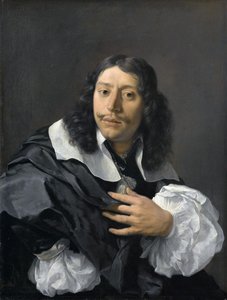
カレル・デュイハルディン
1626 - 1678 , オランダ
基本情報
- Artistic Movement Or Style: オランダ黄金時代絵画
- Artists Who Influenced This Artist:
- ニコラス・ベルヘム
- レンブラント・ファン・レイン
- Date Of Birth: 1626年9月27日
- Date Of Death: 1678年
- Full Name: カレル・デュヤルダン
- Nationality: オランダ
- Notable Artworks:
- 赤い牛の乳を搾る女
- 木陰の家畜...
- イタリアの宿での休息
- 自画像 (1662)
- スピンスハイスとニーウェ・ヴェルクハイスの摂政...
- Place Of Birth: オランダ、アムステルダム
関連記事

Golden Age Reflections: Dutch Baroque Painting & Cultural Innovation
Explore the Dutch Golden Age of painting! Discover key artists like Vermeer & ter Borch, their innovative techniques, and the rich cultural context behind these Baroque masterpieces. Learn about collecting & appreciating this iconic art period.

黄金世紀の巨匠たち:バロック絵画が彩る10選|ArtsDot
オランダ黄金時代の10大傑作を紐解く!レンブラント、フェルメール…バロック絵画の魅力と時代背景を深く探求。ArtsDotで、至高のアートコレクションと空間演出のヒントを見つけよう。高品質なアートプリントで、お部屋を華やかに。
Nicolaes Berchem: Dutch Golden Age Pastoralism & the Evolution of Landscape Painting
Explore the captivating world of Nicolaes Berchem, a leading Dutch Golden Age painter. Discover his idyllic landscapes, masterful technique & lasting influence on art history. Learn more at ArtsDot.
Golden Light & Dutch Skies: Bringing the Magic of Dutch Golden Age Landscapes into Your Home
Transform your home with the breathtaking light of Dutch Golden Age landscapes. Discover how hand-painted oil reproductions of masterworks like Ruisdael and Vermeer bring timeless elegance, atmosphere, and soulful texture to modern interiors. Elevate your space with museum-quality art.
Charles Leickert: Capturing the Dutch Golden Age Light – A Comprehensive Study of Technique, Context, and Legacy
Explore the captivating winter landscapes of Charles Leickert, a master of Dutch Golden Age light & atmosphere. Discover his techniques, symbolism, and lasting legacy – a comprehensive study for art enthusiasts and collectors.

