 プレビュー
プレビュー
 シェアする
シェアする シェアする
シェアする
 詳細を見る
詳細を見る

 ダウンロード
 似ている作品
 X線調査
X線調査 スライドショー
 統計情報
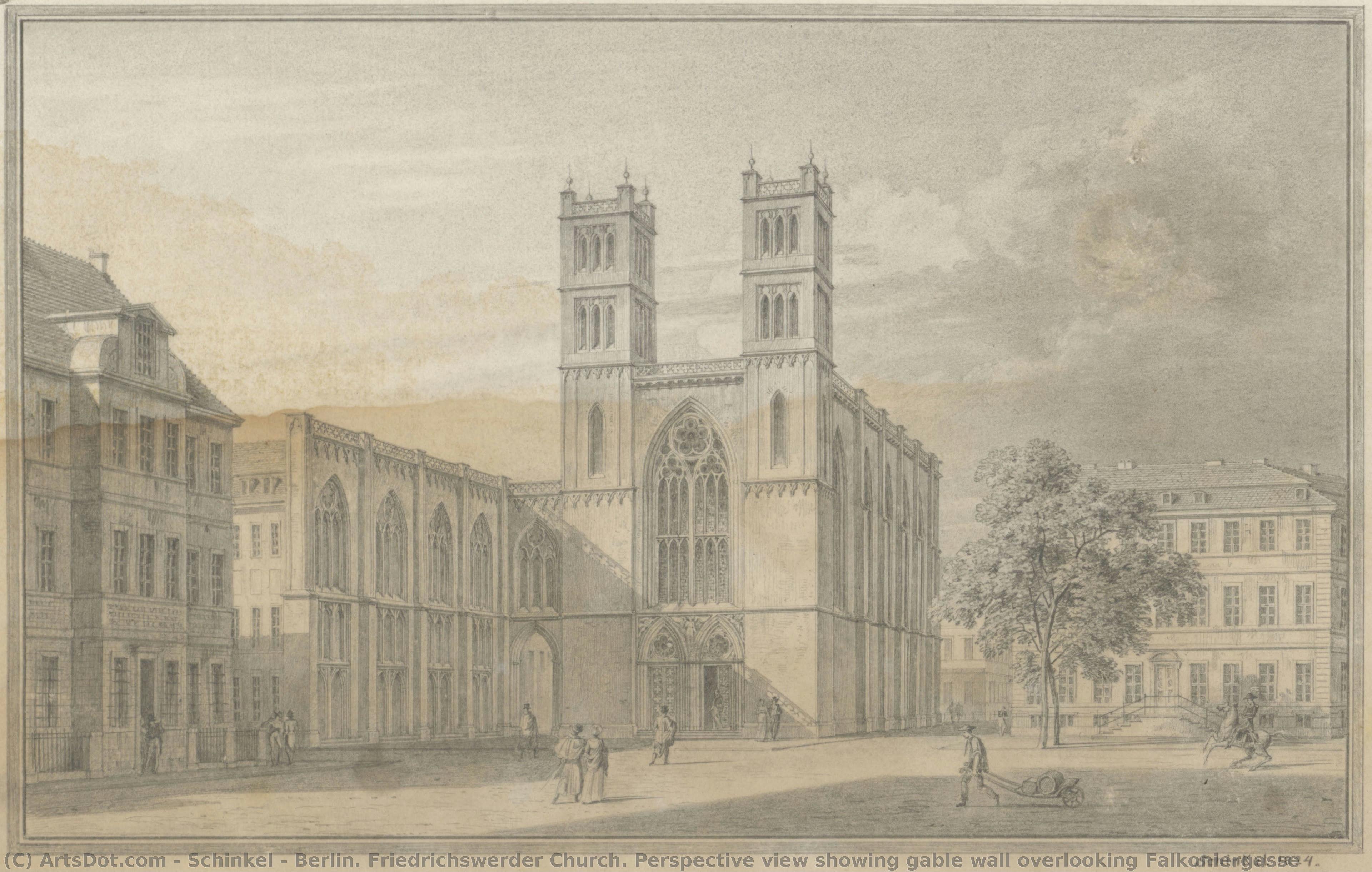
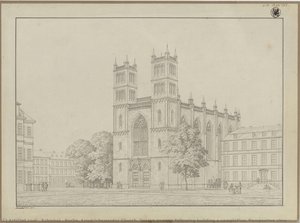
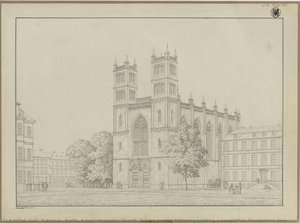
統計情報Berlin. Friedrichswerder Church. Perspective view showing gable wall overlooking Falkoniergasse
 Graphite
- Neoclassicism
 19th Century
 55.0 x 41.0 cm
 クーパーシュチッヒカビネット
 詳細を見る
詳細を見る
手描き油彩複製画
当社のアーティストが、お客様のご希望のサイズと額縁に合わせて、キャンバスに手描きで制作する油彩画です。 ( プリント版に切り替え デジタル画像販売へ切り替え)




P118B $10

P118H $10

P118W $10

P438Z $10

P508JH $12

P508YH $12

P805H $10

P805Z $10

P919BZ $10

P919G $10

P919XJ $10

P959ZH $10

P968JZ $12

W106C $8

W218G $10

W218JH $8

W218Y $10

W307PJ $10

W316G $10

W316PJ $8

W316Y $10

W398PJ $8

W4111J $10

W500HY $15

W500JH $15

W692G $12

W849H $8

W940BG $15

W953PJ $8




作品のオリジナル比率に合わせた、当店の規定サイズからお選びください。

特定のフレームやスペースに合わせて、ご希望のサイズをご入力いただけます。選択されたサイズが元の画像の比率と異なる場合、アートワークをトリミングするか、手描きで要素を追加して絵画を拡張いたします。デジタルモックアップ を制作し、制作開始前にご確認(承認)をいただきます。
画面上のプレビューは、実際のトリミングや拡張を正確に反映しているものではありません。最終的な構図は、モックアップによってのみ正確にご確認いただけます。
カスタムサイズもご利用いただけますが、元の比率を維持するためには、あらかじめ用意されたリストからサイズを選択することをお勧めいたします。
ご注文後、ArtsDot.com チームより詳細な指示をお送りするとともに、仕上がりイメージ(モックアップ)をご提供いたします。


 ガラスオプションは、110cm未満のサイズでのみご利用いただけます。

Berlin. Friedrichswerder Church. Perspective view showing gable wall overlooking Falkoniergasse
複製技法
複製画のサイズ
-


合計金額
$ 313
The Enduring Majesty of Berlin's Architectural Spirit
To gaze upon this depiction of the Friedrichswerder Church in Berlin is to step directly into the meticulous, ordered world envisioned by Karl Friedrich Schinkel himself. This artwork transcends mere architectural documentation; it captures a moment of civic permanence against the backdrop of an evolving metropolis. The composition centers with undeniable gravity on the church’s imposing gable wall, a structure that speaks volumes about Neoclassical ideals—a yearning for classical order and enduring beauty amidst the flux of urban life. Flanking this central monument, the surrounding buildings establish a palpable sense of place, grounding the spiritual grandeur within the tangible reality of an active streetscape.
A Masterclass in Tonal Depth and Line Work
Technically, the piece is a breathtaking study in monochrome mastery. Executed with what appears to be graphite or charcoal on paper, the artist has achieved a remarkable depth using only shades of gray, beige, and brown. Observe how the lines themselves become narrative tools; they are precise where defining the sharp edges of the facade, yet soften exquisitely as they recede into the background. The skillful employment of hatching and cross-hatching does not merely shade; it builds texture—you can almost feel the cool, rough grain of ancient stone under your fingertips. Furthermore, Schinkel’s command of linear perspective is evident in every receding line, drawing the viewer deep into the heart of Falkoniergasse, while atmospheric perspective gently blurs the distance, lending an ethereal quality to the furthest reaches.
Historical Echoes and Neoclassical Reverence
This work connects us intimately with the cultural zenith of early 19th-century Berlin. Karl Friedrich Schinkel was not just a draftsman; he was a visionary whose career mirrored the intellectual currents of his time. His dedication to classical forms, evident here in the church’s stately proportions, reflects the broader European embrace of Neoclassicism—a style that sought refuge and inspiration in the perceived purity and logic of antiquity. Owning a reproduction of this piece is to possess a tangible link to that era of profound cultural self-definition, suggesting an appreciation for enduring artistic principles over fleeting trends.
Symbolism of Order and Urban Life
Beyond the structural elements, the artwork carries subtle symbolic weight. The church itself stands as a symbol of unwavering community and spiritual order. This sense of grandeur is beautifully counterbalanced by the human element—the figures populating the foreground street. They provide scale, reminding us that this monumental architecture exists for, and within, the rhythm of daily life. Even the inclusion of the solitary tree on the right offers a necessary organic contrast to the rigid geometry, suggesting nature’s persistent, gentle encroachment upon man's grandest constructions. It is a harmonious dialogue between the eternal and the ephemeral.
Bringing the Salon Home
For the discerning collector or designer, this reproduction offers more than just wall art; it offers an atmosphere. Imagine this piece gracing a study or drawing-room—it lends immediate intellectual weight and sophisticated gravitas to any space. Its restrained palette ensures that it complements, rather than competes with, exquisite furnishings. It invites contemplation, encouraging the viewer to pause, look closer at the interplay of shadow and light, and feel the quiet, enduring majesty of Berlin’s architectural soul.
関連作品
アーティストの略歴
プロイセンの先見の明:カール・フリードリヒ・シンケルの生涯と遺産
1781年にドイツのノイロープピンで生まれたカール・フリードリヒ・シンケルは、19世紀の芸術と建築の記録において比類なき地位を占めています。彼の人生は、個人的な苦難と職業上の成功という糸が織りなす感動的な物語であり、移り変わる政治情勢と勃興する芸術運動という背景の中で展開しました。1787年にノイロープピンを襲った壊滅的な火災は、シンケルがまだ幼い少年であった頃に彼の父の命を奪い去り、彼の形成期に長く影を落としました。この初期の経験は、おそらく彼の中に秩序、永続性、そして形態の不朽の力に対する深い認識を植え付けたのでしょう。それは後に彼の芸術的ビジョンを決定づける資質となりました。それは間違いなく、彼の成熟した作品に特徴的な緻密な精度と感情的な共鳴に貢献しました。彼はベルリンで影響力のある建築家であったフリードリヒ・ギリーと、その父デイヴィッド・ギリーから初期の指導を受け、彼らの古典的な原則を吸収すると同時に、より実験的なアイデアにも触れるという、決定的に重要な融合を経験し、それが彼の発展する美意識を形作りました。これらの基礎的な年月は、シンケルに建築史と技術に関する確固たる理解を与え、彼が前に立つことになる重大な決断へと彼を準備させたのです。絵画への憧れから建築の巨匠へ
当初、シンケルは風景画や肖像画においてかなりの才能を発揮し、画家としてキャリアを追求しました。しかし、転機が訪れたのは1810年にベルリンで開催された展覧会で、そこで彼はカスパール・ダーヴィト・フリードリヒの象徴的な作品『霧の海原をさまよう人』に出会った時でした。フリードリヒの作品が持つ純粋な感情の深さと熟練した実行力は、シンケルの中に深い自己評価の瞬間を引き起こしました。自身の芸術的関心が絵画においてこれほどの高みに達するものではないと悟り、彼は決断をもって建築へと軸足を移したのです。これは単なる職業の変更ではなく、シンケルの知的な誠実さと、真の才能がどこにあるかを追求するという献身の証でした。特筆すべきは、彼が絵画で得た初期の経験が、彼の建築設計に深く影響を与え、純粋に技術的なアプローチではしばしば欠けている雰囲気、空間認識、そして感情的な深みという感覚を吹き込んだ点です。彼は視覚的な物語の力を理解し、その理解を構築された環境へと翻訳しようと努め、機能性と同じくらい感情に響く空間を創造したのです。様式の統合:新古典主義、ゴシック・リバイバル、そしてそれ以上へ
シンケルの建築様式は、きれいに分類することが極めて難しいものであり、むしろ様々な影響が洗練された形で融合したものです。バロックやロココの過剰な装飾に対する反動として新古典主義の原則にしっかりと根ざしながらも、彼は支配的な帝政ローマ様式の強調から離れ、より洗練されたギリシャに着想を得た美学を選択しました。このギリシャ・リバイバルへの傾倒は単なる様式論的ものではなく、建築には構造的な完全性と詩的な響きの両方が備わっているべきだというシンケルの信念を反映していました。歴史と関わりながらも同時に感情を呼び起こすことこそが重要だと考えていたのです。しかし、彼は新古典主義に留まりませんでした。ロゼナウ宮殿やフリードリヒスヴェルダー教会のような作品に見られるように、ゴシック・リバイバル様式に対する目覚ましい適性も示しました。異なる歴史様式を探求し、それらを現代のニーズや感性に適応させるこの意欲は、彼を同時代の多くの人々と一線を画するものにしました。彼の設計は、細部への緻密な配慮、革新的な素材の使用、そして空間的関係に対する深い理解によって特徴づけられていました。彼は単に過去の形態を複製していたのではなく、自らの芸術的ビジョンのレンズを通してそれらを再解釈していたのです。記念碑的作品:ベルリンとその先を形作る
シンケルの遺産は、彼の数々の記念碑的な創造物を通じて、ベルリンとその周辺の都市景観に消しがたい形で刻まれています。初期の作品であるノイエ・ヴァーヘ(1816年~1818年)は、その抑制された優雅さと威厳ある存在感を持つ、彼の台頭する新古典主義様式を示しています。解放戦争記念碑(1818年~1821年)は、プロイセンの回復力と国民的誇りの力強い証となっています。大火災の後、ゲンダルメンマルクトに再建されたショーパウルハウス(1819年~1821年)は、彼の洗練された劇場設計を体現しています。しかし、おそらく博物館島にあるアルテス・ミュゼウム(1823年~1830年)こそが、彼にとって最も象徴的な功績であり、世界中の国立美術館の模範となった古典建築の傑作です。ベルリンの外では、バウアカデーミー(1832年~1836年)は、そのクリーンなラインと機能的なデザインによってモダニズム建築の原則を予見させる、シンケルの最も革新的な作品を代表しています。アテネのアクロポリスの改修やクリミアのオリアンダ宮殿の設計といった未実現の計画は、具現化されたプロジェクトを遥かに超えた無限の想像力と野心を物語っています。これらの未実現のビジョンは、彼の創造的な可能性の全範囲を垣間見せてくれます。永続する影響:伝統とモダニティの架け橋
カール・フリードリヒ・シンケルの影響力は、彼が作り出した物理的な構造物だけにとどまりません。彼はまた、『建築設計集』(1820年~1837年)や『高等建築作品』(1840年~1846年)といった出版物を通じて自らのアイデアを広めた、多作な理論家であり製図家でもありました。これらの著作は、彼の設計原則と建設技術に関する貴重な洞察を提供し、何世代もの建築家に影響を与えました。政治的な制約と1841年の早すぎる死が、彼にすべての野心的なビジョンを完全に実現することを妨げましたが、シンケルはドイツの建築史における極めて重要な人物であり続けています。彼は新古典主義とモダニズムの出現との間のギャップを埋め、今日なおインスピレーションを与え、共鳴し続ける遺産を残しました。彼の建物は単なる過去の記念碑ではなく、思慮深いデザインと永続する芸術的ビジョンの力の生きた証であり、まさにその時代の美的な景観を真に形作った男への証なのです。- 主な功績: アルテス・ミュゼウム、ノイエ・ヴァーヘ、バウアカデーミー、ショーパウルハウス。
- 影響源: フリードリヒ・ギリー、デイヴィッド・ギリー、カスパール・ダーヴィト・フリードリヒ、ギリシャ様式とゴシック様式の伝統。
- 遺産: ドイツ建築における極めて重要な人物であり、新古典主義とモダニズムを架橋した存在。
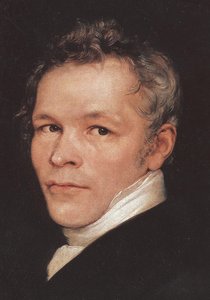
カール・フリードリヒ・シンケル
1781 - 1841 , ドイツ
基本情報
- Artistic Movement Or Style: 新古典主義、ゴシック・リバイバル
- Artists Or Movements Influenced By This Artist:
- モダニズム建築
- ドイツの建築家
- Artists Who Influenced This Artist:
- フリードリヒ・ギリー
- カスパー・ダーヴィト・フリードリヒ
- Date Of Birth: 1781年
- Date Of Death: 1841年
- Full Name: カール・フリードリヒ・シンケル
- Nationality: プロイセン
- Notable Artworks:
- ノイエ・ヴァーヘ
- アルテ博物館
- バウアカデーミー
- ボートの旅
- Place Of Birth: ノイルピン(ドイツ)
関連記事
The Nuances of Graphite: Exploring Emotional Depth & Technical Mastery in Pencil Drawing
Explore the captivating world of graphite drawing! Discover its rich history, master essential techniques like chiaroscuro, and learn how artists evoke emotion through this timeless medium. Expert insights for art enthusiasts.
Graphite Masters: 10 Iconic Paintings & Timeless Art for Your Home
Explore 10 iconic paintings dominated by graphite tones – from Rembrandt's chiaroscuro to Goya’s drama. Discover art history, techniques & find museum-quality reproductions for your home at . Explore the full collection online.
ベルリン国立美術館の至宝25選:名画と芸術の物語 | ArtsDot
ベルリン国立美術館の至宝25選。ネフェルティティ像、ペルガモン祭壇など、名画と芸術作品の物語を紐解きます。シンケルの建築美も堪能。ArtsDot.comで高品質な複製画やインテリアアートを探求し、お部屋に永遠の輝きを。
至高の芸術:新古典主義を象徴する10選 – 華麗なる巨匠と時代を彩る傑作の世界
新古典主義を代表する10選!ダビッド、アンジェリカーら巨匠の傑作を紐解き、時代を超えた美と知性を探求。油絵、版画など高精細なアートプリントで、お部屋を華やかに彩りませんか?ArtsDot.comで至高の芸術を体験してください。

Caspar David Friedrich: Romanticism's Master of Landscape & the Sublimity of Inner Experience
Explore the profound landscapes of Caspar David Friedrich, a master of German Romanticism. Discover the symbolism, themes & enduring influence of this iconic artist. A deep dive into his life and work.