

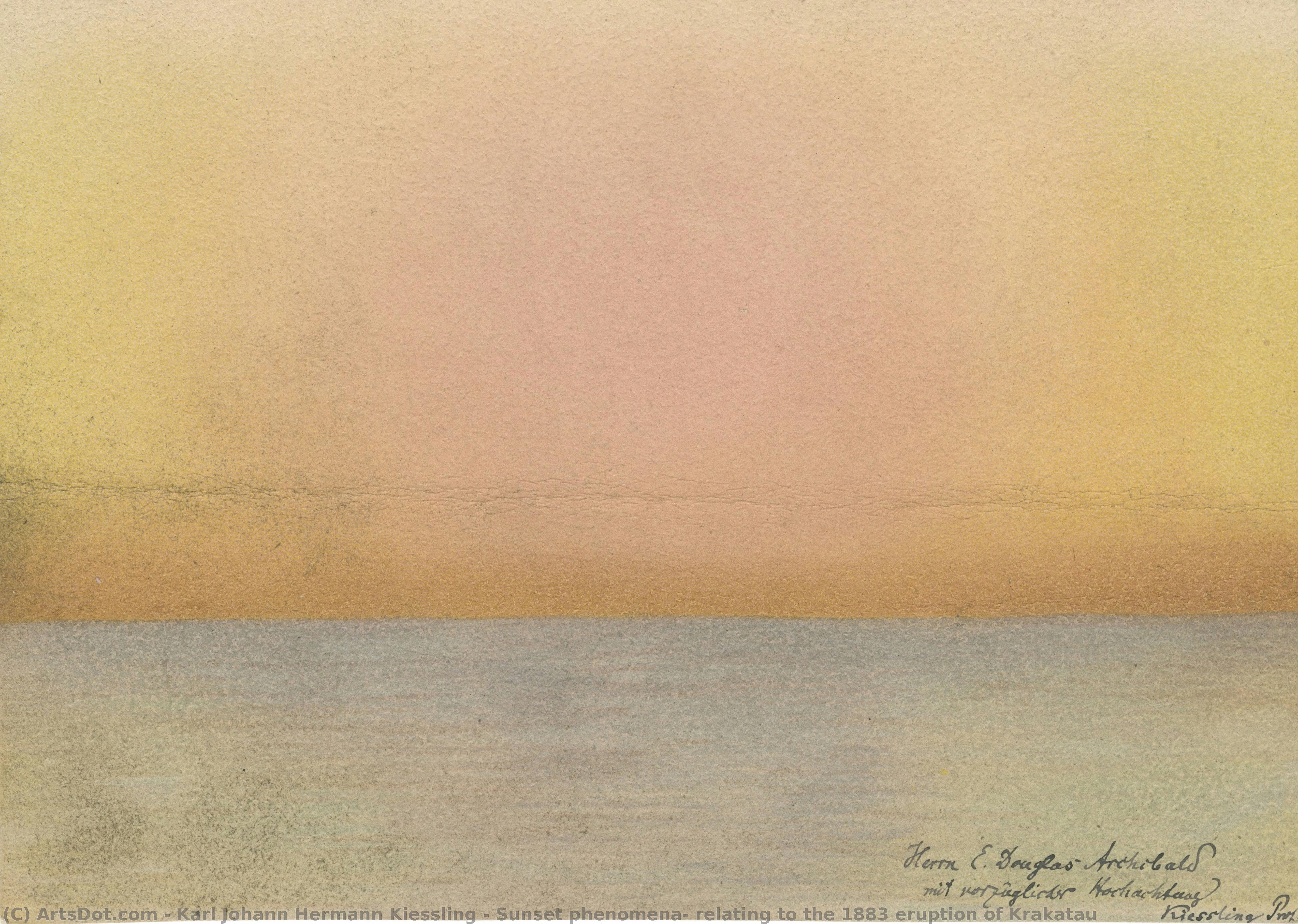
 プレビュー
プレビュー
 シェアする
シェアする シェアする
シェアする
 詳細を見る
詳細を見る

 ダウンロード
 似ている作品
 X線調査
X線調査 スライドショー
 統計情報
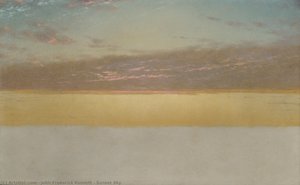
統計情報Sunset phenomena, relating to the 1883 eruption of Krakatau

 詳細を見る
詳細を見る
ジークレー/アートプリント
迅速な制作と多彩な仕上げオプションを備えた、ミュージアムクオリティのジークレーまたはキャンバスプリント。 ( 手描きの絵画を購入 デジタル画像販売へ切り替え)




































作品のオリジナル比率に合わせた、当店の規定サイズからお選びください。

特定のフレームやスペースに合わせて、ご自身でサイズを指定することも可能です。選択されたサイズが元の画像の比率と一致しない場合、作品をトリミングするか、鏡面反射または単色での塗りつぶしによって画像を拡張いたします。制作を開始する前に、ご確認用のデジタルモックアップをお送りいたします。
画面上のプレビューには、実際のトリミングや拡張は反映されませんのでご注意ください。最終的な構図を正確に確認できるのは、モックアップのみとなります。
カスタムサイズも承っておりますが、元の比率を維持するためには、あらかじめ用意されたリストからサイズを選択することをお勧めいたします。


 ガラスオプションは、110cm未満のサイズでのみご利用いただけます。

Sunset phenomena, relating to the 1883 eruption of Krakatau
ジークレー/アートプリント
複製画のサイズ
-


合計金額
$ 62
関連作品

アーティストの略歴
Paul Cézanne: The Architect of Modern Vision
Paul Cézanne, born in Aix-en-Provence in 1839, wasn’t merely a painter; he was a revolutionary architect of modern vision. His life and work represent a pivotal shift in the history of art, bridging the ephemeral world of Impressionism with the nascent explorations of form and structure that would define the 20th century. He didn't seek to replicate reality as it appeared before the eye but rather to distill its essence—its underlying geometry and spatial relationships—onto the canvas. This pursuit, driven by an intense intellectual curiosity and a profound connection to the natural world, cemented his legacy as one of the most influential artists of all time.Early Influences and Artistic Beginnings
Cézanne’s early artistic education was marked by a deliberate rejection of the prevailing academic styles. Initially, he studied law, displaying a methodical approach to learning that would later inform his meticulous painting technique. However, drawn to art, he enrolled in Paris at the age of 24, studying under Jean-Léon Gérôme and later with Gustave Boulanger, absorbing elements of both classical realism and academic tradition. It was during this period that he encountered the Impressionists—Monet, Renoir, Pissarro—and their revolutionary approach to capturing light and color. While initially hesitant to fully embrace the Impressionist’s focus on fleeting impressions, Cézanne gradually absorbed their techniques, particularly the use of *plein air* painting – working outdoors directly from nature. Crucially, he began to question the Impressionists' emphasis on optical perception, recognizing that a deeper understanding of form was essential.The Analytical Phase: Deconstructing Nature
Around 1870, Cézanne embarked on what is often referred to as his “analytical” phase. This period saw him systematically dismantling the traditional methods of representation. He abandoned the blending and softening of colors characteristic of Impressionism, instead employing a technique of broken brushstrokes—short, distinct marks that built up layers of color. He meticulously observed objects from multiple viewpoints, dissecting them into their fundamental geometric components: cylinders, spheres, and cones. This process wasn’t about creating illusions of depth but rather about constructing a new visual language based on the underlying structure of reality. As he famously stated, “I am trying to make my painting represent something real.” Works like *Mont Sainte-Victoire* series demonstrate this approach—the mountain is not simply depicted; it's broken down into its constituent parts and reassembled on the canvas, creating a sense of both solidity and dynamism.The Synthetic Phase: Bridging Reality and Memory
Following his analytical period, Cézanne entered a “synthetic” phase, marked by a renewed interest in depicting recognizable subjects—landscapes, still lifes, portraits. However, this wasn’t a return to traditional representation. Instead, he combined elements of observation with memory and imagination, often layering forms and colors in a way that created an ambiguous, dreamlike quality. He utilized techniques borrowed from Japanese prints – flattened perspectives and bold outlines – to heighten the sense of spatial ambiguity. This phase culminated in works like *The Basket of Apples*, where the objects are rendered with remarkable clarity but arranged within a space that defies conventional perspective, suggesting a world both familiar and strangely altered.Legacy and Historical Significance
Paul Cézanne’s influence on 20th-century art is immeasurable. His systematic approach to form—his insistence on analyzing objects into their geometric components—laid the groundwork for Cubism, pioneered by Picasso and Braque. His exploration of color and brushstroke techniques profoundly influenced Fauvism and Expressionism. Beyond these specific movements, Cézanne’s work fundamentally altered our understanding of what painting could be – shifting the focus from merely representing appearances to constructing a new visual reality. He demonstrated that art could be both descriptive and structural, capturing not just what we see but also how we perceive and understand the world around us. His legacy continues to inspire artists today, reminding us of the power of observation, analysis, and imagination in the creation of meaningful art.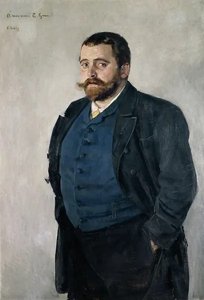
karl johann hermann kiessling
1839 - 1905 , Germany
基本情報
- Artistic Movement Or Style: Post-Impressionism
- Artists Or Movements Influenced By This Artist:
- Cubism
- Fauvism
- Artists Who Influenced This Artist:
- Eugène Delacroix
- Jean-Auguste Domingué
- Date Of Birth: January 19, 1839
- Date Of Death: October 22, 1906
- Full Name: Paul Cézanne
- Nationality: French
- Notable Artworks:
- The Bathers
- Still Life with Apples
- Self-Portrait with Straw Hat
- Place Of Birth: Aix-en-Provence, France