 プレビュー
プレビュー
 プリントを購入
 シェアする
シェアする シェアする
シェアする
 詳細を見る
詳細を見る

 ダウンロード
 似ている作品
 X線調査
X線調査 スライドショー
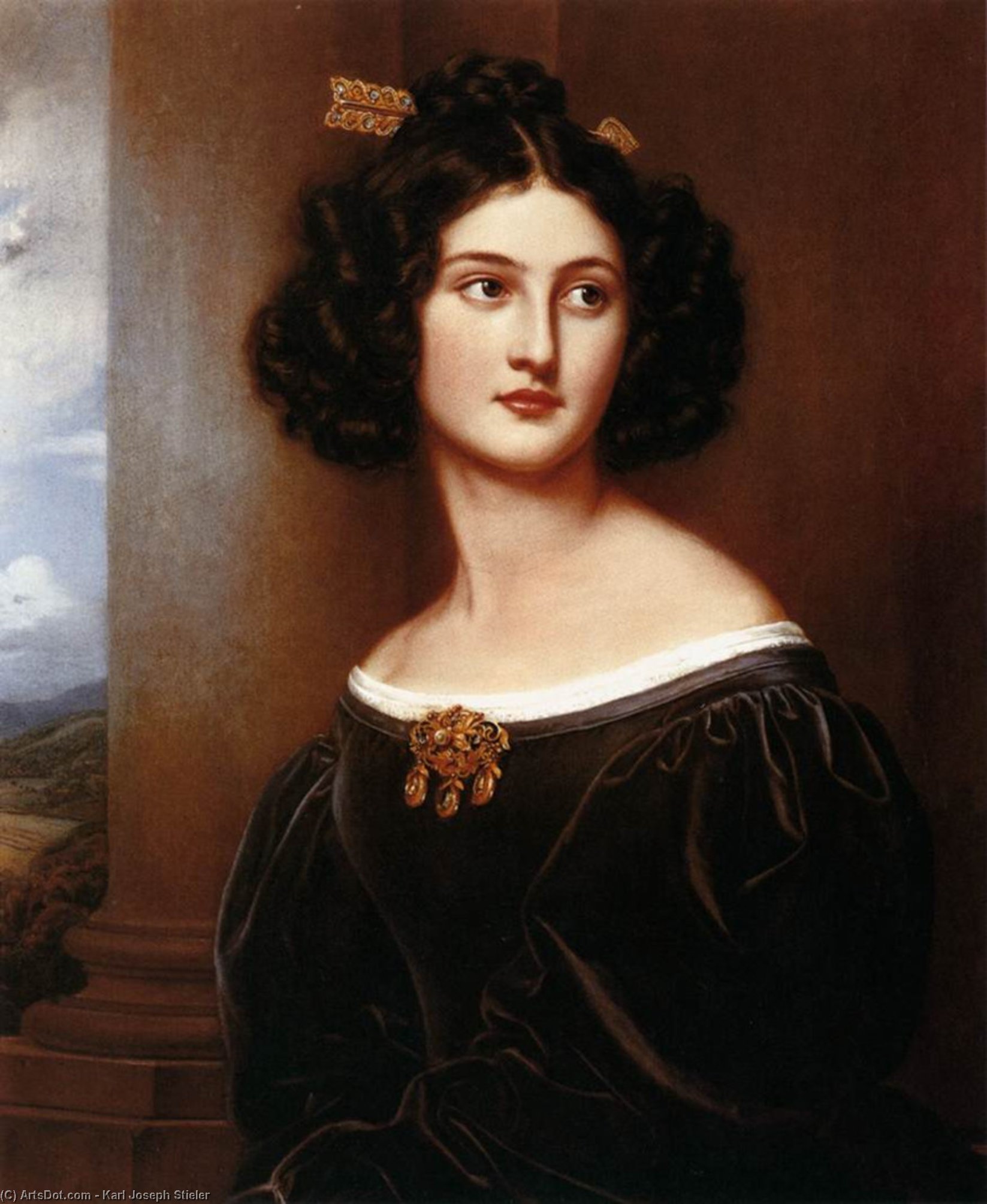
ナネット・ハイネ、 née カウラ


 詳細を見る
詳細を見る




P118B $10

P118H $10

P118W $10

P438Z $10

P508JH $12

P508YH $12

P805H $10

P805Z $10

P919BZ $10

P919G $10

P919XJ $10

P959ZH $10

P968JZ $12

W106C $8

W218G $10

W218JH $8

W218Y $10

W307PJ $10

W316G $10

W316PJ $8

W316Y $10

W398PJ $8

W4111J $10

W500HY $15

W500JH $15

W692G $12

W849H $8

W940BG $15

W953PJ $8




作品のオリジナル比率に合わせた、当店の規定サイズからお選びください。

特定のフレームやスペースに合わせて、ご希望のサイズをご入力いただけます。選択されたサイズが元の画像の比率と異なる場合、アートワークをトリミングするか、手描きで要素を追加して絵画を拡張いたします。デジタルモックアップ を制作し、制作開始前にご確認(承認)をいただきます。
画面上のプレビューは、実際のトリミングや拡張を正確に反映しているものではありません。最終的な構図は、モックアップによってのみ正確にご確認いただけます。
カスタムサイズもご利用いただけますが、元の比率を維持するためには、あらかじめ用意されたリストからサイズを選択することをお勧めいたします。
ご注文後、ArtsDot.com チームより詳細な指示をお送りするとともに、仕上がりイメージ(モックアップ)をご提供いたします。


 ガラスオプションは、110cm未満のサイズでのみご利用いただけます。

ナネット・ハイネ、 née カウラ
複製技法
複製画のサイズ
-


合計金額
$ 263
ナネット・ハイネ、 née カウラ:バアヴァリア宮廷画家 スティエラーの傑作
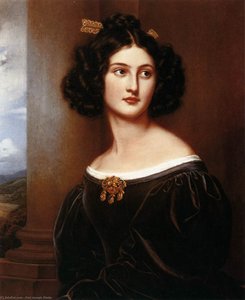
ナネット・ハイネ、 née カウラは、ドイツの画家カール・ヨゼフ・スティエールが制作した1829年の作品です。この絵画は、長い茶色の髪を持つ女性のポートレートであり、黒いドレスを着ています。彼女はネックレスを身につけており、そのネックレスは金色です。女性は見る人に視線を向けているように見え、ポーズをとっていると考えられます。背景には柱と遠くに見える山があります。この絵画は女性の顔をクローズアップしており、彼女の特徴と表情を捉えています。
スティエラーはバアヴァリア宮廷画家として知られるドイツ美術における重要な人物であり、特にバアヴァリア王室から依頼されたネオクラスシックな肖像画で圧倒的な数の作品を生み出しました。彼の父親であるオーギュスト・フリードリヒ・スティエラーは尊敬される彫刻家であり、スティエラーの芸術的旅立ちは父親からの指導を受けた基礎訓練を経て始まりました。その後、彼はアッシャーフェンブルクに移住し、カール・テオドール・アントン・マリア・フォン・ダールベック司教と出会い、ダールベックは彼の最も重要な保護者であり支援者となりました。ダールベックの庇護により、スティエラーはミニチュア画家としての技術を磨きながら、バアヴァリア美術界で確固たる地位を築きました。
フランス革命の影響を受けた1792年にマインツがフランスの支配下に置かれた時期にスティエラーは父親と共に移動しました。この経験は彼の芸術的な視点を形成し、ミニチュア画家の技術と細部へのこだわりを確立しました。ダールベックの支援のもと、彼はバアヴァリア美術界で重要な役割を果たし続けました。
スティエラーの作品はネオクラスシックなスタイルに特徴付けられ、バアヴァリア王室からの依頼によって制作された肖像画が数多くあります。彼の絵画技法は緻密な観察と正確な描写に基づき、古典的な美学を追求しています。特に女性のポートレートでは、彼女の表情や姿勢を繊細に表現することで、見る人に感動を与えます。
この作品は単なる美しい絵画ではありません。それはバアヴァリア王室の芸術家としてのスティエラーのキャリアにおける重要な一歩であり、当時の社会情勢と文化的な価値観を反映しています。ナネット・ハイネの肖像画は、バアヴァリア美術史に燦然と輝く傑作として後世に語り継がれています。
関連作品
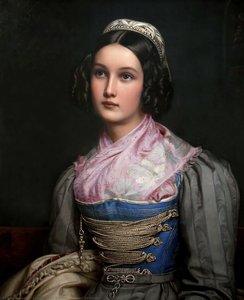
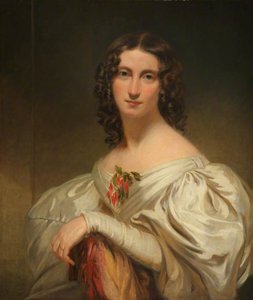
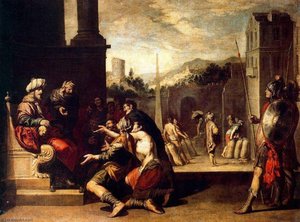
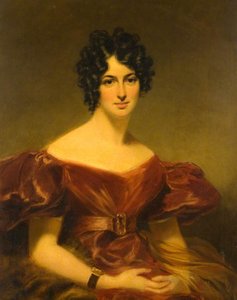
アーティストの略歴
The Master of Bavarian Elegance
Joseph Karl Stieler stands as a pivotal figure in the grand tapestry of nineteenth-century German art, a painter whose brush captured the very essence of Neoclassical refinement. Born in 1781 in the historic city of Mainz, Stieler was destined for a life steeped in the meticulous traditions of craftsmanship. He was born into a family deeply rooted in the precision of engraving and printmaking; his father, August Friedrich Stieler, was a respected engraver and punchcutter. This early exposure to the delicate art of fine lines and intricate detail provided the young artist with an foundational education in precision, instilling a stylistic sensibility that would later become the hallmark of his monumental portraiture.
The trajectory of Stieler’s life was irrevocably altered by the political tremors of the era. Following the French revolutionary upheaval of 1792, which saw Mainz fall under French control, Stieler relocated to Aschaffenburg. It was here that he encountered Archbishop Karl Theodor Anton Maria von Dalberg, a figure who would become his most influential patron. Under Dalberg’s benevolent support, Stieler’s artistic ambitions were fueled, allowing him to pursue formal training at the Academy of Fine Arts in Vienna under the tutelage of Heinrich Füger. In the halls of the Viennese Academy, he absorbed the stylistic precepts of Neoclassicism, a movement that emphasized clarity, order, and an idealized grace.
A Journey Through the Heart of Europe
Stieler’s artistic evolution was not confined to the classroom; it was forged through extensive travel and the pursuit of masters across the continent. In 1808, after establishing a studio in Frankfurt, he embarked on a profound pilgrimage to Italy, an experience that breathed new life into his vision. His travels further led him to encounter the grandeur of Parisian art, where he honed his technique under François Gérard, a student of the legendary Jacques-Louis David. This connection to the French Neoclassical tradition infused Stieler’s work with a certain dynamism and monumental scale, blending German precision with a sophisticated, international elegance.
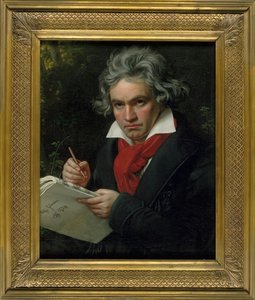
As his reputation grew, so did his proximity to power. From 1820 until 1855, Stieler served as the royal court painter for the Bavarian kings, a position that placed him at the very center of European aristocratic life. His studio became a site of significant historical encounters, where he translated the dignity of the monarchy into enduring visual legacies. Perhaps his most enduring contribution to musical iconography is his 1820 portrait of Ludwig van Beethoven. In this masterpiece, Stieler moved beyond mere likeness to capture the composer's intellectual intensity and palpable emotional depth, creating an image that remains a cornerstone of biographical art.
Legacy of the Gallery of Beauties
The zenith of Stieler’s career is perhaps most beautifully realized in his celebrated Gallery of Beauties at Nymphenburg Palace in Munich. This collection of portraits, commissioned by King Ludwig I, showcases Stieler's unparalleled ability to blend idealized Neoclassical beauty with a profound sense of individual character. Through these works, he achieved a level of technical mastery that allowed him to render luminous skin tones, intricate textures of silk and lace, and the subtle play of light with breathtaking realism.
Stieler’s significance extends far beyond the borders of Bavaria. His work represents a bridge between the rigid structures of early Neoclassicism and the more emotive, detailed portraiture that would follow. His achievements can be summarized through several key pillars of his career:
- Technical Precision: A lifelong dedication to detail inherited from his engraver lineage, allowing for exquisite textures in fabric and jewelry.
- Royal Patronage: His long-standing role as the Bavarian court painter, which allowed him to document the nobility of his era with unparalleled access.
- Iconic Imagery: The creation of world-renowned portraits, most notably the Beethoven portrait and the Gallery of Beauties.
- Stylistic Synthesis: The successful blending of German meticulousness with the grand, dynamic influences of French and Italian Neoclassicism.
When Joseph Karl Stieler passed away in 1858, he left behind a visual record of an era defined by elegance, hierarchy, and the pursuit of classical perfection. His portraits remain more than mere historical documents; they are windows into a vanished world of regal dignity and refined grace.

Karl Joseph Stieler
1781 - 1858 , Germany
基本情報
- Artistic Movement Or Style: Neoclassical
- Artists Or Movements Influenced By This Artist: ['Jacques-Louis David']
- Artists Who Influenced This Artist: ['Heinrich Füger']
- Date Of Birth: 1781 Mainz Germany
- Date Of Death: 1858 Munich Germany
- Full Name: Joseph Karl Stieler
- Nationality: German
- Notable Artworks:
- Gallery of Beauties
- Portrait of Beethoven
- Place Of Birth: Mainz Germany
関連記事

The Bespoke Canvas: Commissioned Art as Unique Expression & Investment
Discover the art of commissioning unique masterpieces. Explore the investment potential & personal storytelling behind bespoke artwork with expert guidance. Elevate your collection today.

From Concept to Canvas: A Comprehensive Guide to Commissioning Bespoke Paintings for Personal Expression and Artistic Legacy
Commission bespoke paintings with ArtsDot.com! Expert artists create unique artworks tailored to your vision. Secure investment, lasting legacy & 100% satisfaction guaranteed.

From Inspiration to Creation: A Collaborative Journey in Custom Art Commissioning – Exploring the Client-Artist Partnership at ArtsDot
Commission unique, handmade art with skilled artists at . Transform your vision into a lasting heirloom. Expert consultations, personalized service & guaranteed quality. Explore bespoke portraits, paintings & more.
Beyond Reproduction: The Aesthetic and Emotional Value of Commissioned Art in Contemporary Interior Spaces
Discover the art of commissioning bespoke paintings & portraits. Expert guidance from artist selection to final placement. Elevate your space with unique, emotionally resonant artwork – a lasting investment in artistry and personal expression.

From Fan Favorite to Fine Art: A Comprehensive Guide to Commissioning Custom Pop Culture Paintings
Transform your fandom into stunning art! Our guide covers commissioning custom pop culture paintings – from artist selection & copyright to care tips. Get expert advice and create a unique masterpiece today!