

 プレビュー
プレビュー
 プリントを購入
 シェアする
シェアする シェアする
シェアする
 詳細を見る
詳細を見る

 ダウンロード
 似ている作品
 X線調査
X線調査 スライドショー
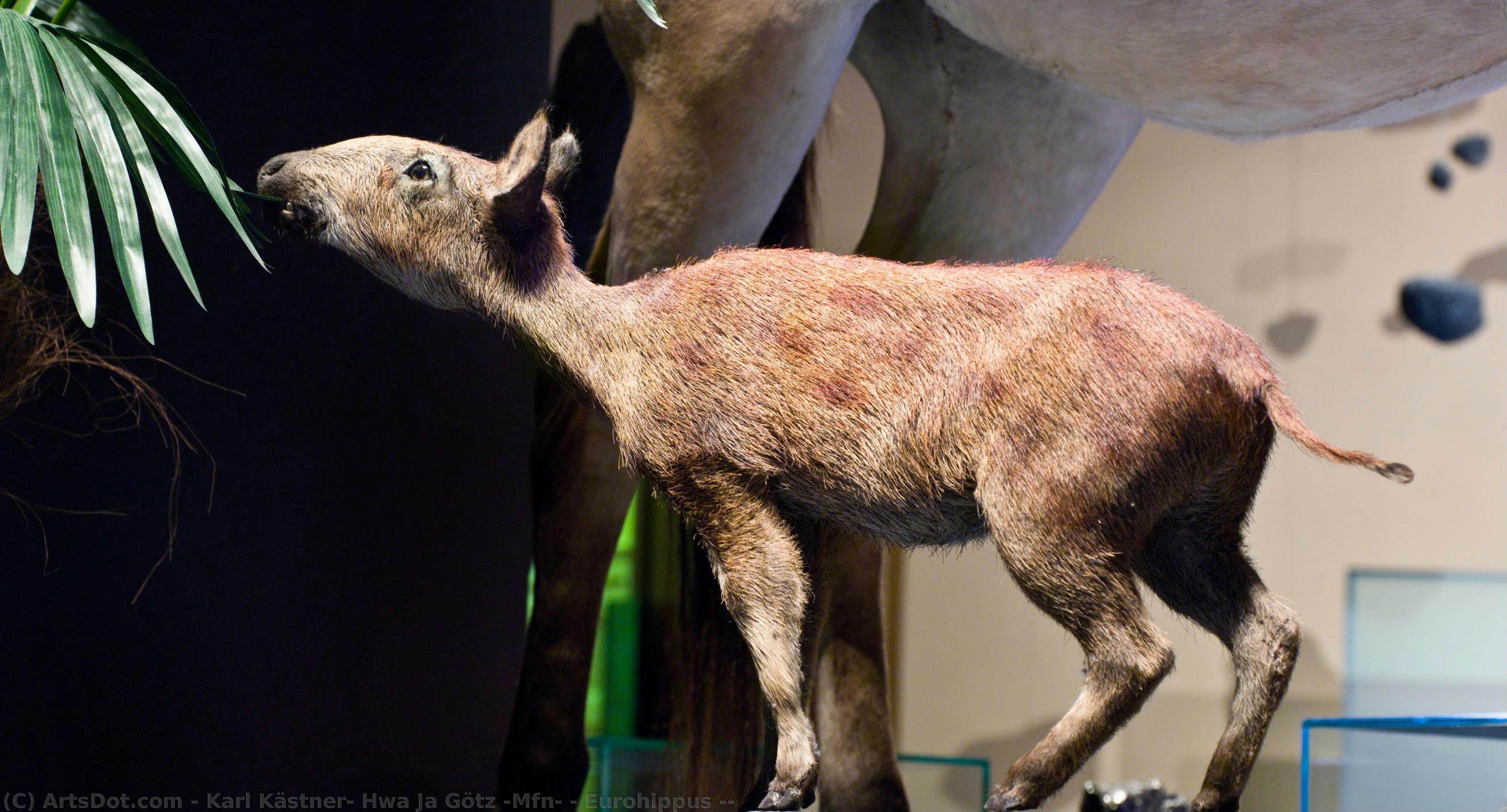
Eurohippus (

 詳細を見る
詳細を見る




































作品のオリジナル比率に合わせた、当店の規定サイズからお選びください。

特定のフレームやスペースに合わせて、ご希望のサイズをご入力いただけます。選択されたサイズが元の画像の比率と異なる場合、アートワークをトリミングするか、手描きで要素を追加して絵画を拡張いたします。デジタルモックアップ を制作し、制作開始前にご確認(承認)をいただきます。
画面上のプレビューは、実際のトリミングや拡張を正確に反映しているものではありません。最終的な構図は、モックアップによってのみ正確にご確認いただけます。
カスタムサイズもご利用いただけますが、元の比率を維持するためには、あらかじめ用意されたリストからサイズを選択することをお勧めいたします。
ご注文後、ArtsDot.com チームより詳細な指示をお送りするとともに、仕上がりイメージ(モックアップ)をご提供いたします。


 ガラスオプションは、110cm未満のサイズでのみご利用いただけます。

Eurohippus (
複製技法
複製画のサイズ
-


合計金額
$ 263
関連作品







アーティストの略歴
Karl Kästner & Hwa Ja Gotz: Sculpting the Lost World
The collaborative work of Karl Kästner and Hwa Ja Gotz represents a fascinating intersection of artistic vision, scientific curiosity, and meticulous craftsmanship. Operating primarily within the walls of Berlin’s Museum für Naturkunde, this dynamic duo has redefined how we perceive extinct creatures, blending traditional sculpture with innovative techniques to bring vanished worlds back into sharp focus. Their partnership isn't merely about recreating fossils; it’s a testament to the power of art to illuminate scientific understanding and evoke a profound sense of wonder at the history of life on Earth.
Karl Kästner, born in Berlin, brings a deep-seated expertise in plastic sculpting – a medium he has skillfully employed for decades. His work is characterized by an astonishing level of detail and a remarkable ability to capture the texture and form of even the most delicate anatomical features. Hwa Ja Gotz, on the other hand, contributes his photographic eye and artistic sensibility, often working alongside Kästner to document and refine the sculptural process. Born in Seoul, South Korea, Gotz’s background in photography and his involvement with the museum's Animal Sound Archive demonstrate a broader engagement with sensory experience and the documentation of natural phenomena – elements that profoundly inform his collaborative work.
The Dodo Reconstruction: A Monument to Extinction
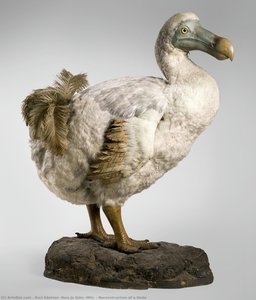
Perhaps their most celebrated achievement is the ambitious reconstruction of the dodo bird for the Museum für Naturkunde Berlin. This project, undertaken in collaboration with paleontologists and museum staff, stands as a powerful symbol of both scientific discovery and the devastating consequences of human impact. Kästner’s meticulous plastic sculpture, based on extensive fossil evidence, captures not just the physical appearance of this iconic extinct bird but also an aura of melancholy – a poignant reminder of its vulnerability and ultimate demise.
The process involved painstaking research into dodo anatomy, utilizing skeletal remains and comparative studies with modern birds. Kästner’s skill is evident in every feather, every subtle curve of the beak, reflecting years of dedicated study and an almost obsessive attention to detail. The resulting sculpture isn't simply a representation; it’s an embodiment of a lost species, inviting viewers to contemplate its story and the factors that led to its extinction.
Beyond Fossils: Sculptures of Wonder
Kästner and Gotz’s artistic explorations extend beyond single specimens. Their series of sculptures, notably ‘Terrible Wonder,’ showcases their ability to translate complex scientific concepts into visually arresting forms. These pieces often depict extinct animals alongside elements that hint at the forces shaping their world – volcanic eruptions, shifting landscapes, or even human influence. The sculptures are not didactic; instead, they invite viewers to engage with the broader context of extinction and the interconnectedness of life.
Furthermore, Gotz’s work on the museum's Animal Sound Archive highlights his commitment to capturing the sensory world of extinct creatures. By analyzing fossilized remains and reconstructing potential vocalizations, he adds another layer of depth to Kästner’s sculptural representations, creating a multi-sensory experience that brings these lost animals closer to life.
A Legacy in Collaboration
The work of Karl Kästner and Hwa Ja Gotz represents more than just artistic talent; it's a testament to the power of interdisciplinary collaboration. Their partnership with the Museum für Naturkunde Berlin has not only resulted in stunning sculptures but also contributed significantly to public understanding of paleontology and conservation. Their ongoing projects, including reconstructions like ‘Eurohippus,’ demonstrate a continued dedication to exploring the mysteries of the past and sharing those discoveries with the world.
While Kästner’s background includes work as a chemist and natural scientist, his artistic pursuits have allowed him to bridge the gap between scientific rigor and creative expression. Together, they are shaping our perception of extinct life, reminding us of both its beauty and its fragility – a vital message in an era facing unprecedented environmental challenges.
karl kästner, hwa ja götz (mfn)
Germany
基本情報
- Artistic Movement Or Style: Expressionist/Plastic Art
- Artists Or Movements Influenced By This Artist: ['Museum für Naturkunde Berlin']
- Artists Who Influenced This Artist: ['Justus Liebig']
- Date Of Birth: Living
- Full Name: Karl Kästner & Hwa Ja Gotz
- Nationality: German/Korean
- Notable Artworks:
- Dodo Reconstruction
- Eurohippus
- Terrible Wonder
- Place Of Birth: Berlin, Germany