

 プレビュー
プレビュー
 シェアする
シェアする シェアする
シェアする
 詳細を見る
詳細を見る

 ダウンロード
 似ている作品
 X線調査
X線調査 スライドショー
 Stats
StatsPassementerie Workshop


 詳細を見る
詳細を見る
手描き油彩複製画
当社のアーティストが、お客様のご希望のサイズと額縁に合わせて、キャンバスに手描きで制作する油彩画です。 ( Switch to Print Switch to Digital Image)




P118B $10

P118H $10

P118W $10

P438Z $10

P508JH $12

P508YH $12

P805H $10

P805Z $10

P919BZ $10

P919G $10

P919XJ $10

P959ZH $10

P968JZ $12

W106C $8

W218G $10

W218JH $8

W218Y $10

W307PJ $10

W316G $10

W316PJ $8

W316Y $10

W398PJ $8

W4111J $10

W500HY $15

W500JH $15

W692G $12

W849H $8

W940BG $15

W953PJ $8




作品のオリジナル比率に合わせた、当店の規定サイズからお選びください。

特定のフレームやスペースに合わせて、ご希望のサイズをご入力いただけます。選択されたサイズが元の画像の比率と異なる場合、アートワークをトリミングするか、手描きで要素を追加して絵画を拡張いたします。デジタルモックアップ を制作し、制作開始前にご確認(承認)をいただきます。
画面上のプレビューは、実際のトリミングや拡張を正確に反映しているものではありません。最終的な構図は、モックアップによってのみ正確にご確認いただけます。
カスタムサイズもご利用いただけますが、元の比率を維持するためには、あらかじめ用意されたリストからサイズを選択することをお勧めいたします。
ご注文後、ArtsDot.com チームより詳細な指示をお送りするとともに、仕上がりイメージ(モックアップ)をご提供いたします。


 ガラスオプションは、110cm未満のサイズでのみご利用いただけます。

Passementerie Workshop
複製技法
複製画のサイズ
-


合計金額
$ 263
A Tapestry of Diligence: The Soul of the Workshop
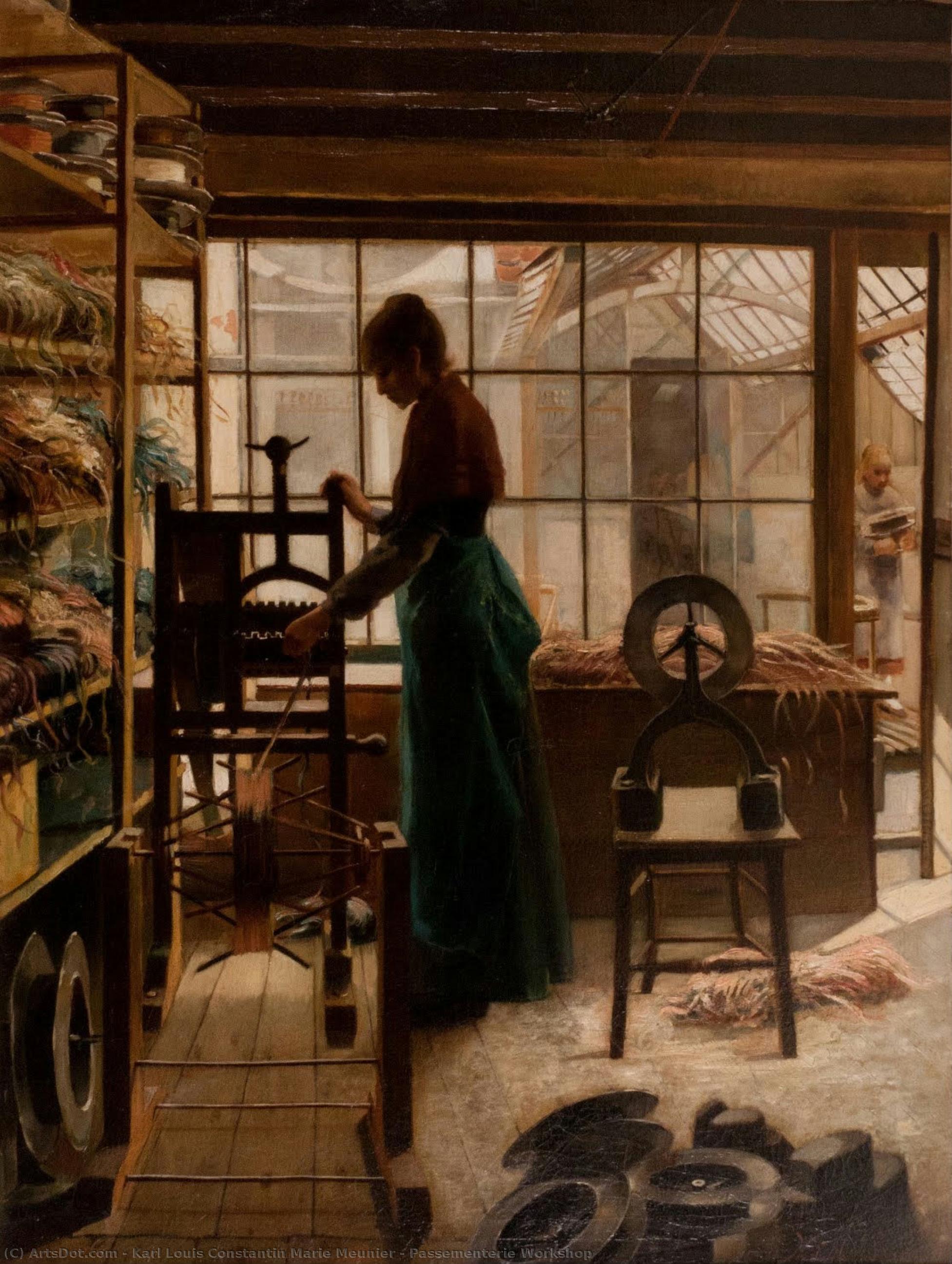
In the quiet, industrious atmosphere of Passementerie Workshop, painted in 1884, we are invited into a world where time is measured not by the ticking of a clock, but by the rhythmic movement of the loom. This evocative masterpiece by the Belgian artist Karl Louis Constantin Marie Meunier captures a moment of profound dedication. At the heart of the composition stands a woman, her figure anchored by the intricate machinery of her craft. The loom serves as the central protagonist of the scene, its wooden frame draped with spools of thread that suggest a continuous, flowing narrative of creation. As she works, the presence of others in the background hints at a shared communal effort, a collective pulse of labor that defines the era's industrial and artisanal spirit.
The painting is more than a mere depiction of manual labor; it is an intimate study of focus and the beauty found within repetitive, skilled motion. Every element, from the subtle placement of the chairs to the small bowl containing essential tools, contributes to a sense of lived-in reality. There is a quiet dignity in her posture, a testament to the artistry required to transform raw thread into exquisite fabric. For the collector or interior designer, this piece offers a window into a bygone era of craftsmanship, providing a focal point that radiates warmth, stability, and a deep respect for the human touch.
Impressionistic Light and Belgian Heritage
Meunier, the son of the renowned Constantin Meunier, brought a unique perspective to his work, blending the gritty realism of industrial life with the luminous, expressive qualities of the Impressionist movement. In this workshop scene, we see his mastery of light and color. The artist utilizes bold, confident brushstrokes to capture the interplay of light as it filters through the workspace, illuminating the textures of the threads and the weathered surfaces of the loom. This technique does not merely describe the scene; it breathes life into it, creating a palpable atmosphere that feels both nostalgic and immediate.
The historical context of the late 19th century is woven into the very fabric of the painting. As Belgium navigated the complexities of the industrial revolution, artists like Meunier sought to document the changing landscape of labor. Through his lens, the workshop becomes a sacred space of production. The use of color—ranging from the earthy tones of the wooden furniture to the vibrant pops of color from the spools—creates a visual rhythm that guides the eye across the canvas. This piece serves as an exquisite example of how Meunier could elevate a scene of everyday toil into a profound meditation on the beauty of persistence.
An Elegant Addition to the Modern Interior
For those seeking to curate a space that evokes sophistication and soulful depth, Passementerie Workshop offers unparalleled inspiration. Its rich textures and warm, muted palette make it an ideal centerpiece for a variety of interior styles, from classic European estates to contemporary lofts that value historical resonance. The painting’s ability to command attention through its subject matter rather than through sheer scale allows it to integrate seamlessly into a room, providing a sense of calm and intellectual engagement.
Owning a high-quality reproduction of this work means bringing a piece of Belgian art history into one's personal sanctuary. It is an invitation to pause and appreciate the meticulous beauty of the handmade. Whether placed in a study, a library, or a grand living area, this artwork acts as a conversation starter, prompting reflections on the enduring value of skill, patience, and the quiet majesty of the creative process.
関連作品

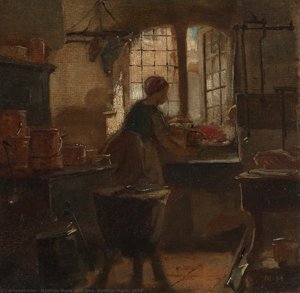
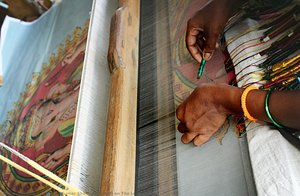
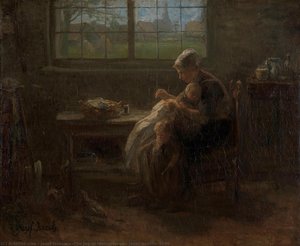



アーティストの略歴
The Brief but Brilliant Life of Karl Meunier
In the annals of Belgian art history, few names evoke such a poignant sense of lost potential as Karl Louis Constantin Marie Meunier. Born in 1864 in Saint-Josse-ten-Noode, Belgium, Karl was destined to be part of an artistic dynasty. As the son of the legendary sculptor and painter Constantin Meunier, his very existence was steeped in the rich, textured atmosphere of the Belgian art scene. His early years were shaped by a lineage of profound creativity, yet he sought to carve out a distinct identity that moved beyond the shadow of his father’s monumental social realism.
Karl's formal education took place at the prestigious Académie de Bruxelles, where he studied under the guidance of Ernest Blanc-Garin from 1881 until his untimely death in 1894. This period of intense training allowed him to master the delicate balance between technical precision and emotional expression. While his father often focused on the heavy, muscular dignity of the working class, Karl’s development saw him gravitating toward a more atmospheric approach, blending the structural lessons of the academy with the burgeoning light and color of the Impressionist movement.
A Vision of Landscapes and Industrial Soul
The work of Karl Meunier is characterized by a remarkable ability to capture the ephemeral qualities of the natural world. He was particularly adept at landscapes that felt alive, breathing with the moisture of the Belgian countryside and the shifting light of the seasons. His technique often utilized bold colors and expressive brushstrokes, a hallmark of his Impressionist influence, which allowed him to convey not just the sight of a scene, but its very temperament.
One of his most significant contributions to the art world was his series of engravings known as 'Le Pays Noir' (The Black Country). In these works, Meunier explored the industrial landscapes of Belgium, capturing the somber beauty of coal-mining regions. Through his mastery of engraving, he could translate the grit and smoke of industrial life into hauntingly beautiful compositions. This series stands as a testament to his ability to find aesthetic grace within the rugged, often harsh realities of the industrial age.
Beyond landscapes, Meunier’s repertoire included evocative figure paintings and still lifes that showcased his versatility:
- The Ford: A landscape painting that serves as a masterclass in capturing the essence of the natural world through light and water.
- Banquet: A rich still life that demonstrates his ability to handle abundance, texture, and the interplay of shadow and light.
- Figure Studies: Works that bridged the gap between the human form and the surrounding environment, often echoing the social themes present in his father's oeuvre but with a more personal, lyrical touch.
Legacy and Historical Significance
Though his life was tragically short, ending in Louvain at the age of only thirty, Karl Meunier left an indelible mark on the Belgian landscape. His ability to synthesize the heavy themes of Social Realism with the luminous freedom of Impressionism provided a unique bridge between two major movements of the late 19th century. His work does not merely document a period of history; it captures the soul of a nation in transition from agrarian roots to industrial power.
Today, his contributions are preserved in esteemed institutions such as the Musées Royaux des Beaux-Arts in Brussels, where his pieces sit alongside the masters of his era. To study Karl Meunier is to witness a fleeting moment of artistic brilliance—a life that, while brief, burned with an intensity that continues to resonate with collectors and historians alike. His legacy lives on through the enduring beauty of his landscapes and the profound emotional depth found within his strokes.
karl louis constantin marie meunier
1864 - 1894 , Belgium
基本情報
- Artistic Movement Or Style: Impressionism
- Artists Who Influenced This Artist:
- Constantin Meunier
- Ernest Blanc-Garin
- Date Of Birth: 1864
- Date Of Death: 1894
- Full Name: Karl Louis Constantin Marie Meunier
- Nationality: Belgian
- Notable Artworks:
- The Ford
- Banquet
- Le Pays Noir series
- Place Of Birth: Saint-Josse-ten-Noode, Belgium
関連記事
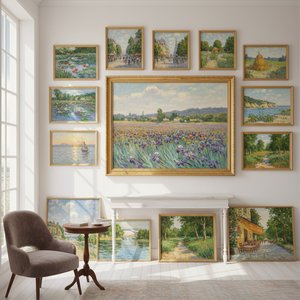
印象派風景を彩った至宝:アート史に名を刻む10選
印象派風景の革新を彩った10選。モネ、ルノワールら巨匠の名作を紐解き、色彩と光が生み出す感動の世界へ。アートの歴史とインテリアのインスピレーションをArtsDot.comで。高品質な複製画で、あなただけの空間を創造しましょう。
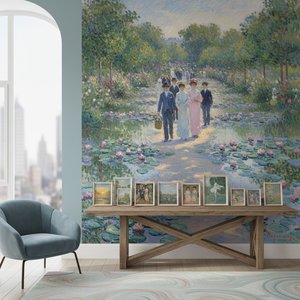
印象派を定義する至宝:時代を超えた10傑 – 美術、画家、そして洗練された空間演出
印象派を代表する10傑の世界へ。モネ、ルノワールら巨匠の技と色彩が織りなす至高の名作を紐解きます。美術、インテリアに新たなインスピレーションを。ArtsDot.comで、博物館品質のアート複製と洗練された空間演出を見つけましょう。

Impressionism's Masterpieces: 10 Paintings That Defined a Movement | ArtsDot
Journey through Impressionism's heart with 10 iconic paintings by Monet, Renoir & Degas. Explore light, color & the stories behind these masterpieces. Find museum-quality art reproductions and elevate your home decor on ArtsDot.com.

Impressionistic Landscapes: 10 Masterpieces That Changed Art & Decor
Journey into the heart of Impressionism! Explore 10 masterpieces by Monet, Renoir & Degas that revolutionized landscape art. Discover their stories, techniques & find museum-quality reproductions to elevate your home decor on ArtsDot.com.

印象派を定義した傑作10選:名画の物語と、空間を彩るアート | ArtsDot
モネ、ルノワール…印象派を代表する傑作10選。🎨 色彩と光の魔法、芸術家の物語を紐解き、空間に深みを与える絵画の世界へ。ArtsDotで複製画やキャンバスアートを見つけ、あなただけのインテリアを実現しましょう。🖼️ 詳細はこちら