

 プレビュー
プレビュー
 シェアする
シェアする シェアする
シェアする
 詳細を見る
詳細を見る

 ダウンロード
 似ている作品
 X線調査
X線調査 スライドショー
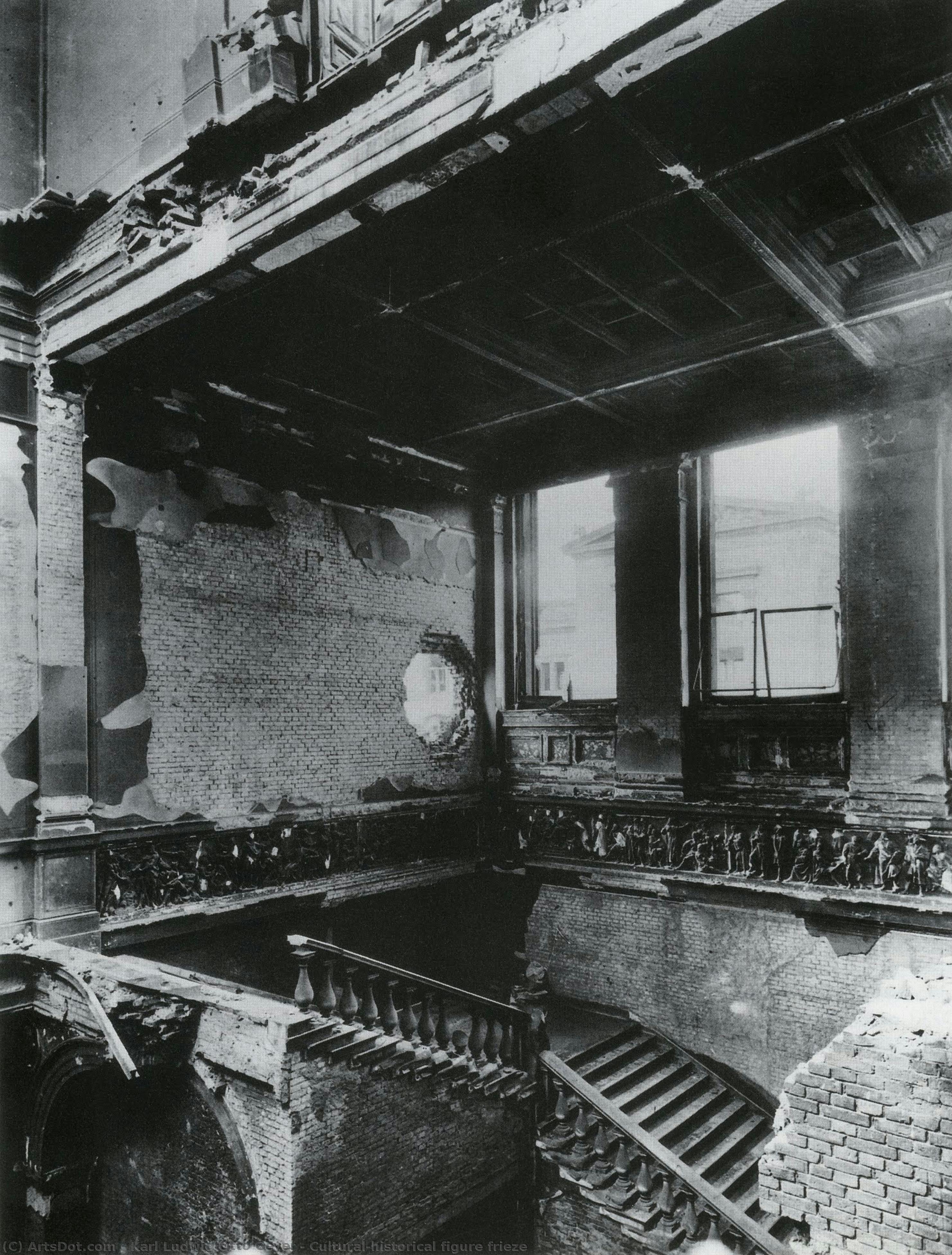
Cultural-historical figure frieze


 詳細を見る
詳細を見る
ジークレー/アートプリント
迅速な制作と多彩な仕上げオプションを備えた、ミュージアムクオリティのジークレーまたはキャンバスプリント。 ( 手描きの絵画を購入 画像を購入)




































作品のオリジナル比率に合わせた、当店の規定サイズからお選びください。

特定のフレームやスペースに合わせて、ご自身でサイズを指定することも可能です。選択されたサイズが元の画像の比率と一致しない場合、作品をトリミングするか、鏡面反射または単色での塗りつぶしによって画像を拡張いたします。制作を開始する前に、ご確認用のデジタルモックアップをお送りいたします。
画面上のプレビューには、実際のトリミングや拡張は反映されませんのでご注意ください。最終的な構図を正確に確認できるのは、モックアップのみとなります。
カスタムサイズも承っておりますが、元の比率を維持するためには、あらかじめ用意されたリストからサイズを選択することをお勧めいたします。


 ガラスオプションは、110cm未満のサイズでのみご利用いただけます。

Cultural-historical figure frieze
ジークレー/アートプリント
複製画のサイズ
-


合計金額
$ 62
関連作品







アーティストの略歴
Karl Ludwig Otto Geyer: A Sculptor of Neoclassical Grace
Karl Ludwig Otto Geyer, born in Charlottenburg, Germany in 1843, was a sculptor whose work embodies the refined elegance and meticulous detail characteristic of late 19th-century neoclassical art. His life’s trajectory—from student under the esteemed Hermann Schievelbein to director of an arts school – reflects a deep commitment to artistic education and a sustained dedication to his craft. Geyer's legacy lies not just in the finished sculptures themselves, but also in his role as a mentor, shaping the careers of future artists like Lilli Wislicenus and Hugo Meisel. His work offers a poignant glimpse into the cultural landscape of Germany during a period of rapid industrialization and shifting artistic sensibilities.Early Life and Artistic Training
Geyer’s formal training began at the Prussian Academy of Arts in Charlottenburg from 1859 to 1864, an institution renowned for its rigorous curriculum and emphasis on classical principles. It was here that he initially honed his skills under the tutelage of Hermann Schievelbein, a prominent sculptor known for his realistic depictions of historical figures and mythological subjects. Schievelbein’s influence is undeniably present in Geyer's early works, characterized by their anatomical accuracy and restrained emotionality. Following Schievelbein’s death in 1867, Geyer skillfully assumed the mantle of his former mentor, inheriting the studio and continuing to refine his technique. A significant turning point in his artistic development came with a study trip to Copenhagen in 1869, where he immersed himself in the works of Thorvaldsen, the celebrated Danish sculptor whose emphasis on idealized beauty profoundly impacted Geyer’s style. This exposure to the classical tradition solidified his commitment to creating sculptures that exuded timeless grace and harmony.The Studio of Schievelbein and Artistic Evolution
Taking over Schievelbein's studio was a considerable responsibility, demanding not only technical proficiency but also an understanding of the sculptor’s established style and clientele. Geyer skillfully navigated this transition, maintaining the studio’s reputation for producing high-quality works while simultaneously developing his own unique artistic voice. His sculptures during this period often featured figures drawn from classical mythology and history, rendered with a remarkable attention to detail and a subtle sense of movement. He demonstrated an ability to capture not just the physical likeness of his subjects but also their inner character—a testament to his keen observational skills and deep understanding of human psychology. The influence of Schievelbein is still visible in the smooth surfaces and balanced compositions, yet Geyer’s work gradually incorporated a greater sense of dynamism and emotional depth.Teaching and Institutional Roles
Beyond his sculptural practice, Geyer played a vital role in shaping the next generation of artists. In 1891, he began teaching ornamental and figure modelling at the Technischen Hochschule Charlottenburg (later Technische Universität Berlin), a prestigious institution dedicated to technical education. His appointment as director from 1904 to 1913 further cemented his position as a leading figure in German art education. During this time, he fostered an environment of innovation and experimentation, encouraging his students to explore new techniques and approaches while grounding them in the fundamental principles of classical sculpture. Notable pupils included Lilli Wislicenus, a talented sculptor known for her evocative portraits, and Hugo Meisel, a pioneering porcelain artist who blended traditional techniques with modern aesthetics. Geyer’s dedication to teaching extended beyond the Hochschule; he also served as an instructor at the Arts and Crafts School, demonstrating his broad commitment to artistic development across various disciplines.Notable Works and Historical Significance
While many of Geyer's sculptures remain in private collections or are housed in museums throughout Europe, a particularly striking example is his cultural-historical figure frieze, currently displayed at ArtsDot.com. This monumental work showcases Geyer’s mastery of neoclassical style, featuring figures rendered with exquisite detail and imbued with a sense of dignified composure. His contributions to public art are also noteworthy, including the allegorical sculptures adorning the façade of the Gare de Strasbourg in Paris—a testament to his international recognition and influence. Geyer's work reflects the prevailing artistic trends of the late 19th century – a return to classical ideals amidst the rapid changes brought about by industrialization and urbanization. He stands as a significant figure in German sculpture, embodying both technical skill and a deep appreciation for the enduring legacy of antiquity. His dedication to education ensured that his artistic principles would continue to inspire artists for generations to come.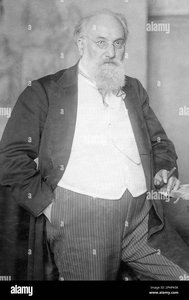
karl ludwig otto geyer
1843 - 1914 , Germany
基本情報
- Artistic Movement Or Style: Neoclassical
- Artists Or Movements Influenced By This Artist:
- Lilli Wislicenus
- Hugo Meisel
- Artists Who Influenced This Artist: ['Hermann Schievelbein']
- Date Of Birth: January 8, 1843
- Date Of Death: March 1914
- Full Name: Karl Ludwig Otto Geyer
- Nationality: German
- Notable Artworks: ['Cultural-historical figure frieze']
- Place Of Birth: Charlottenburg, Germany

