

 プレビュー
プレビュー
 プリントを購入
 シェアする
シェアする シェアする
シェアする
 詳細を見る
詳細を見る

 ダウンロード
 似ている作品
 X線調査
X線調査 スライドショー
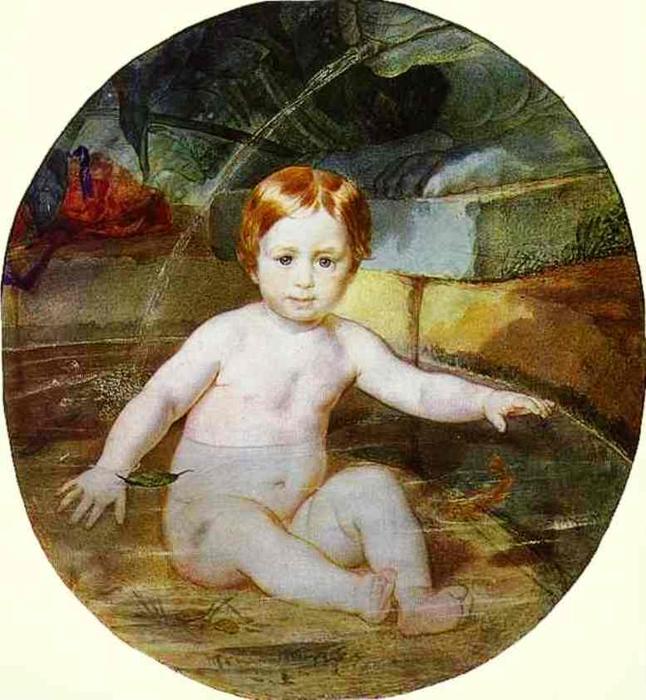
Child in a Swimming Pool (Portrait of Prince A.G. Gagarin in Childhood)


 詳細を見る
詳細を見る




P118B $10

P118H $10

P118W $10

P438Z $10

P508JH $12

P508YH $12

P805H $10

P805Z $10

P919BZ $10

P919G $10

P919XJ $10

P959ZH $10

P968JZ $12

W106C $8

W218G $10

W218JH $8

W218Y $10

W307PJ $10

W316G $10

W316PJ $8

W316Y $10

W398PJ $8

W4111J $10

W500HY $15

W500JH $15

W692G $12

W849H $8

W940BG $15

W953PJ $8




作品のオリジナル比率に合わせた、当店の規定サイズからお選びください。

特定のフレームやスペースに合わせて、ご希望のサイズをご入力いただけます。選択されたサイズが元の画像の比率と異なる場合、アートワークをトリミングするか、手描きで要素を追加して絵画を拡張いたします。デジタルモックアップ を制作し、制作開始前にご確認(承認)をいただきます。
画面上のプレビューは、実際のトリミングや拡張を正確に反映しているものではありません。最終的な構図は、モックアップによってのみ正確にご確認いただけます。
カスタムサイズもご利用いただけますが、元の比率を維持するためには、あらかじめ用意されたリストからサイズを選択することをお勧めいたします。
ご注文後、ArtsDot.com チームより詳細な指示をお送りするとともに、仕上がりイメージ(モックアップ)をご提供いたします。


 ガラスオプションは、110cm未満のサイズでのみご利用いただけます。

Child in a Swimming Pool (Portrait of Prince A.G. Gagarin in Childhood)
複製技法
複製画のサイズ
-


合計金額
$ 263
A Moment Frozen in Time: Karl Bryullov’s “Child in a Swimming Pool”
Karl Pavlovich Bryullov's "Child in a Swimming Pool," painted in 1829, is more than just a charming pastoral scene; it’s a poignant meditation on innocence, fleeting beauty, and the ephemeral nature of childhood. This watercolor masterpiece, currently residing within the hallowed halls of the Tretyakov Gallery in Moscow, captures a young boy – widely believed to be Prince Alexander Gagarin, a future figure in Russian history – immersed in a tranquil pool surrounded by lush greenery. Bryullov’s skill isn't merely technical; it lies in his ability to imbue this simple tableau with an almost unbearable sense of serenity and vulnerability.
The painting immediately draws the eye to the boy, seated comfortably on the edge of the water, his hands resting gently on his knees. His posture is relaxed, suggesting a profound contentment – a state of blissful detachment from the world outside. The light, rendered with Bryullov’s characteristic mastery of watercolor, filters through the leaves, casting dappled shadows and highlighting the boy's youthful features. Notice how the artist uses subtle gradations of color to create an atmosphere of hazy warmth, evoking a feeling of summer afternoon tranquility.
Romanticism and the Power of Observation
Bryullov was a pivotal figure in Russian Romanticism, a movement that prioritized emotion, imagination, and the beauty of nature. Unlike the rigid formalism of Neoclassicism, Bryullov embraced spontaneity and emotional intensity. He found inspiration not just in grand historical narratives but also in everyday life – as evidenced by this intimate portrait. His training at the Imperial School for the Arts, while providing a foundation in classical techniques, ultimately led him to reject those constraints, forging his own distinctive style.
The painting’s genesis is intertwined with Bryullov's fascination with Italy and its artistic heritage. He deeply admired the works of Raphael and Michelangelo, particularly their ability to capture human emotion and create a sense of drama through light and shadow. This influence is evident in "Child in a Swimming Pool," where Bryullov skillfully employs chiaroscuro – the dramatic contrast between light and dark – to heighten the painting’s emotional impact.
Symbolism and the Fleeting Nature of Youth
Beyond its surface beauty, “Child in a Swimming Pool” is rich with symbolism. The swimming pool itself represents innocence and purity, while the surrounding greenery symbolizes growth and vitality. The boy's relaxed posture suggests a state of contentment and freedom from worldly concerns – qualities often associated with childhood. However, there’s also an undercurrent of melancholy, a recognition that this idyllic moment is fleeting.
Some art historians have suggested that the painting subtly alludes to mortality. The boy’s youthful appearance juxtaposed against the backdrop of nature's cyclical rhythms – the changing seasons, the growth and decay of plants – serves as a poignant reminder of the transience of life. The bird soaring overhead could be interpreted as a symbol of freedom or perhaps even foreshadowing, hinting at the boy’s future destiny.
A Legacy in Watercolor
“Child in a Swimming Pool” stands as a testament to Bryullov's artistic genius and his ability to capture the essence of human emotion. The delicate washes of watercolor create a luminous effect that is both captivating and deeply moving. The painting’s enduring appeal lies not only in its technical brilliance but also in its profound exploration of universal themes – innocence, beauty, and the bittersweet passage of time. It remains a cherished masterpiece within the Tretyakov Gallery, inviting viewers to pause and contemplate the simple joys of childhood and the fleeting nature of life itself.
For those seeking a high-quality reproduction of this iconic artwork, ArtsDot.com offers meticulously crafted oil painting reproductions that faithfully capture the original’s beauty and detail.
関連作品
アーティストの略歴
カール・パヴロヴィチ・ブリューロフ:ロマン主義を彩った生涯
カール・パヴロヴィチ・ブリューロフ(Karl Pavlovich Bryullov、旧名:カール・ブリュッロ)は、18世紀末のロシア、サンクトペテルブルクに生まれ、19世紀の芸術界を大きく揺るがした画家です。彼の父、パヴェル・イワノヴィチ・ブリューロフはアカデミー会員であり、木彫家、版画家として名声を馳せていました。幼いカールは父から芸術への愛情を育み、その才能を開花させていくことになります。1809年、帝国美術学校に入学し、正式な教育を受ける中で、彼の芸術的素質が徐々に明らかになっていきました。
古典とロマン主義の狭間で
ブリューロフは、古典的な枠組みの中で教育を受けながらも、その厳格さに常に葛藤していました。幼少の頃からイタリアへの強い憧れを抱き、彼の芸術的発展はイタリア・ルネサンス期の巨匠たちからの影響を深く受けています。特にラファエロ、ミケランジェロ、カラヴァッジョといった画家たちの作品から、光と影の劇的な表現や解剖学的な正確さへの探求心を学びました。彼の作品には、これらの巨匠たちの影響が色濃く表れており、古典主義の堅実さとロマン主義の情熱が融合した独特の世界観を構築していきました。
「ポンペイ最期の日の光」と国際的な名声
ブリューロフの名声を決定づけたのは、1830年から1833年にかけて制作された壮大な歴史画「ポンペイ最期の日の光」です。ヴェスヴィオ火山の噴火という混沌とした状況を描いたこの作品は、その劇的な構図、感情の激しさ、そして卓越した技術力によって、瞬く間に国際的な賞賛を集めました。プーシキンやゴーゴリといった同時代の文豪たちからも絶大な評価を受け、彼の地位を不動のものとしました。
多様な表現への挑戦
「ポンペイ最期の日の光」以降、ブリューロフは様々なテーマに挑戦し、その芸術的才能を発揮していきました。「ツァーリの命奪取」(1827年)は初期の作品であり、歴史的な出来事を巧みに描写した技術が際立っています。また、「聖墳墓を守護する」 (1846年)では、感情と歴史的正確さのバランスを追求し、彼の円熟期における表現力を示しました。さらに、「ユリヤ・パヴロヴナ・サモイロワ夫人の舞踏会からの退場」(1832年)は、肖像画における彼の卓越した才能を示す傑作です。そして、「ガイスリックのローマ侵攻」(1835年)は、バロック様式の影響を受けたもう一つのドラマチックな歴史的場面を描いています。
晩年の苦悩と芸術への献身
「ポンペイ最期の日の光」の成功の後、ブリューロフはロシアに帰国し、1836年に帝国美術アカデミーの教授として迎えられました。彼はそこで次世代のロシア人アーティストたちを指導し、その才能を育んでいきました。しかし、健康状態は徐々に悪化していき、サン・イサーク大聖堂の天井画制作中に深刻な病に苦しむことになります。1849年、健康回復を目指してロシアを離れ、マデイラ島を経てイタリアに移住し、ローマ近郊で静かな生活を送りました。
ロマン主義におけるブリューロフの功績
カール・パヴロヴィチ・ブリューロフは、ロシア・ロマン主義を代表する画家の一人として、その歴史に大きな足跡を残しました。彼の作品は、古典主義的な形式美から脱却し、より感情的でドラマチックな表現へと向かうロシア美術の転換点となりました。彼は新古典主義の堅実さとロマン主義の情熱を融合させ、ガヴリール・ゴレロフをはじめとする後進のアーティストたちに多大な影響を与えました。ブリューロフは、単なる画家としてだけでなく、尊敬される教育者であり、芸術革新の推進者としても知られています。1852年6月23日、彼はローマ近郊で生涯を閉じましたが、その功績はロシア文化遺産の中で永遠に輝き続けるでしょう。
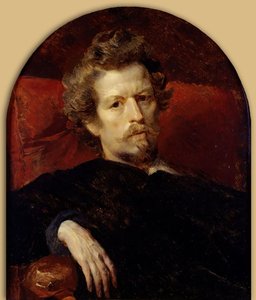
カール・パヴロヴィチ・ブリューロフ
1799 - 1852 , ロシア
基本情報
- 主な作品:
- ポンペイの最期の日
- ツァーリ暗殺
- 聖墳墓の防衛
- 出生地: サンクトペテルブルク、ロシア
- 国籍: ロシア
- 影響を与えた画家・運動: ['ガヴリール・ゴレロフ']
- 影響を受けた画家:
- ラファエロ
- ミケランジェロ
- カラヴァッジョ
- 氏名: カール・パヴロヴィチ・ブリューロフ
- 没年月日: 1852年6月23日
- 生年月日: 1799年12月23日
- 芸術運動・様式: ロマン主義
関連記事

Watercolor Wonders: 10 Masterpieces That Redefined Art History | ArtsDot
Journey through 10 legendary watercolor masterpieces by Sargent, Turner & Homer! Explore iconic landscapes, portraits & floral art that redefined history. Find museum-quality reproductions and curated decor ideas at ArtsDot.com.

Ephemeral Visions: Exploring the Artistic Legacy & Contemporary Practice of Watercolor Painting
Explore the captivating world of watercolor painting! Discover its rich history, essential techniques, influential artists & collecting tips. A comprehensive guide for art enthusiasts from ArtsDot.

Ephemeral Visions: Exploring the History & Emotional Resonance of Watercolor Painting
Explore the captivating history of watercolor painting, from ancient techniques to modern masters like Kandinsky & Blake. Discover essential artists, collecting tips & the emotional power of this luminous medium. Expert insights for art enthusiasts.

Ephemeral Visions: Exploring the Artistic Legacy & Nuances of Watercolor Painting
Explore the captivating world of watercolor painting! Discover its rich history, essential techniques, influential artists & collecting tips from art experts. A comprehensive guide for enthusiasts.
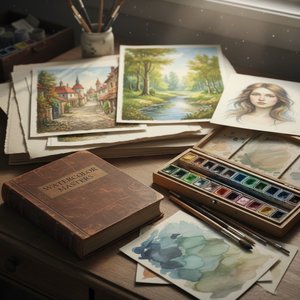
水彩の永続的な魅力:歴史、技法、そして現代の実践
水彩画の歴史、技法、現代の実践を深く探求。巨匠たちの名画から初心者向けテクニックまで解説。ArtsDot.comでは高品質な複製画やカスタムポートレートをご提供します。アートコンサルテーションも受付中。

