

 プレビュー
プレビュー
 シェアする
シェアする シェアする
シェアする
 詳細を見る
詳細を見る

 ダウンロード
 似ている作品
 X線調査
X線調査 スライドショー
 統計情報
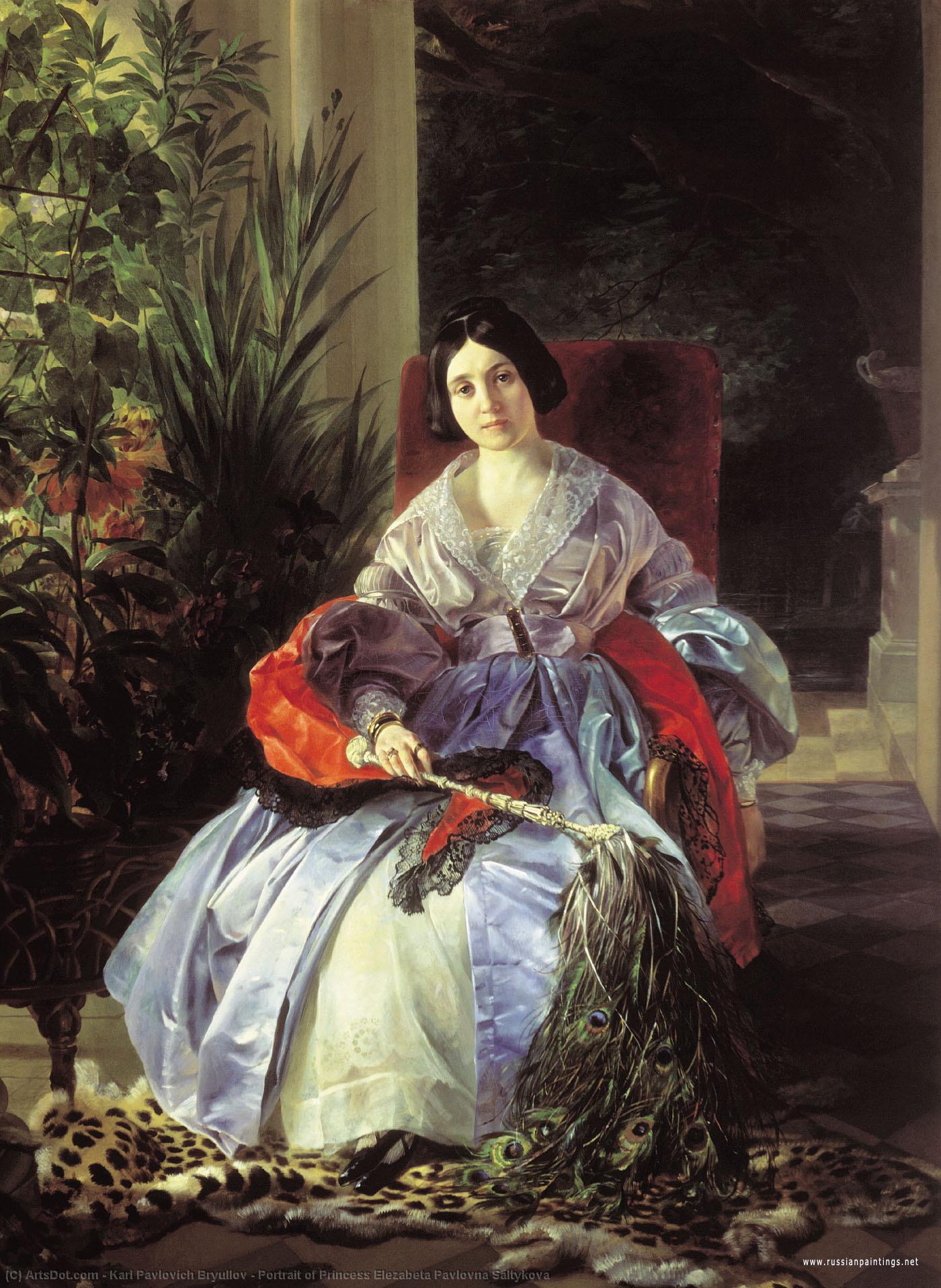
統計情報Portrait of Princess Elezabeta Pavlovna Saltykova
 Acrylic
- WallArt
- Romanticism
 1841
1841 200.0 x 142.0 cm
 国立ロシア美術館
 詳細を見る
詳細を見る
手描き油彩複製画
当社のアーティストが、お客様のご希望のサイズと額縁に合わせて、キャンバスに手描きで制作する油彩画です。 ( プリント版に切り替え デジタル画像販売へ切り替え)




P118B $10

P118H $10

P118W $10

P438Z $10

P508JH $12

P508YH $12

P805H $10

P805Z $10

P919BZ $10

P919G $10

P919XJ $10

P959ZH $10

P968JZ $12

W106C $8

W218G $10

W218JH $8

W218Y $10

W307PJ $10

W316G $10

W316PJ $8

W316Y $10

W398PJ $8

W4111J $10

W500HY $15

W500JH $15

W692G $12

W849H $8

W940BG $15

W953PJ $8




作品のオリジナル比率に合わせた、当店の規定サイズからお選びください。

特定のフレームやスペースに合わせて、ご希望のサイズをご入力いただけます。選択されたサイズが元の画像の比率と異なる場合、アートワークをトリミングするか、手描きで要素を追加して絵画を拡張いたします。デジタルモックアップ を制作し、制作開始前にご確認(承認)をいただきます。
画面上のプレビューは、実際のトリミングや拡張を正確に反映しているものではありません。最終的な構図は、モックアップによってのみ正確にご確認いただけます。
カスタムサイズもご利用いただけますが、元の比率を維持するためには、あらかじめ用意されたリストからサイズを選択することをお勧めいたします。
ご注文後、ArtsDot.com チームより詳細な指示をお送りするとともに、仕上がりイメージ(モックアップ)をご提供いたします。


 ガラスオプションは、110cm未満のサイズでのみご利用いただけます。

Portrait of Princess Elezabeta Pavlovna Saltykova
複製技法
複製画のサイズ
-


合計金額
$ 263
Portrait of Princess Elezabeta Pavlovna Saltykova – A Symphony of Light and Grace
Karl Pavlovich Bryullov’s “Portrait of Princess Elezabeta Pavlovna Saltykova” stands as a testament to Romanticism's fascination with capturing the essence of human emotion within meticulously rendered detail. Painted in 1841, this masterpiece resides within the State Russian Museum’s collection and embodies Bryullov’s signature style—a masterful blend of classical precision and dramatic chiaroscuro that elevates the subject beyond mere likeness into a symbol of aristocratic refinement and inner contemplation. The painting depicts Princess Elezabeta seated gracefully on a chair with her legs crossed, radiating an aura of serene dignity. Her attire is sumptuous – a lilac gown adorned with intricate lace trim—reflecting the opulent tastes of the Russian aristocracy during Bryullov’s time. However, it's not merely visual splendor that commands attention; rather, it’s Bryullov’s masterful manipulation of light and shadow that imbues the portrait with profound emotional resonance. The diffused sunlight illuminates Elezabeta’s face, highlighting her delicate features—a high forehead, translucent skin, and penetrating gray eyes—revealing a gaze imbued with thoughtfulness and perhaps melancholy. This subtle expression speaks volumes about the princess's inner life, hinting at complexities beneath the surface of aristocratic composure.- Style: Romanticism – Bryullov’s work exemplifies the movement’s emphasis on emotion, imagination, and dramatic lighting effects.
- Technique: Oil on Canvas – Bryullov employed traditional oil painting techniques to achieve remarkable textural detail and luminous color palettes.
- Historical Context: The portrait was created during a period of significant social and political change in Russia—the reign of Tsar Nicholas I—characterized by conservative values and an idealized vision of aristocratic life.
Symbolism Within Elegance – Layers of Meaning
Beyond its aesthetic beauty, “Portrait of Princess Saltykova” is rich in symbolic elements that contribute to its overall impact. The chair upon which Elezabeta sits symbolizes stability and authority—reflecting the princess’s position within the royal family. Her crossed legs convey a sense of poise and control, reinforcing her regal bearing. Furthermore, Bryullov's use of light – specifically the soft illumination bathing Elezabeta’s face – serves as a powerful metaphor for inner radiance and spiritual contemplation. The subtle shading around her eyes suggests introspection and conveys an unspoken depth of emotion. The delicate fan held in her hand is not merely an accessory but represents refinement, grace, and perhaps even a veiled gesture of modesty—a characteristic often associated with aristocratic women during the Romantic era.- The Fan: Represents elegance, grace, and subtle modesty – a hallmark of aristocratic femininity.
- Light & Shadow: Symbolizes inner contemplation and spiritual illumination – conveying Bryullov’s masterful use of chiaroscuro to evoke emotion.
A Masterpiece Revisited – Reproduction Considerations
Today, reproductions of “Portrait of Princess Saltykova” are available in various formats—ranging from high-resolution prints to framed canvases—allowing art enthusiasts worldwide to experience Bryullov’s artistic vision firsthand. When selecting a reproduction, prioritize archival quality materials and printing techniques to ensure that the artwork retains its vibrancy and luminosity for generations to come. Consider framing options that complement the painting's aesthetic—a simple white mat enhances its elegance without distracting from the central image. The State Russian Museum’s original canvas offers unparalleled visual fidelity, capturing Bryullov’s nuanced brushstrokes and masterful use of light with breathtaking accuracy.- Recommended Reproduction Materials: Archival Quality Canvas & Ink
- Framing Suggestions: White Mat – Enhances Elegance Without Distraction
Further Exploration – Connecting to Bryullov’s Legacy
Karl Pavlovich Bryullov's influence extends far beyond “Portrait of Princess Saltykova,” shaping the course of Russian Romantic art and establishing him as one of the era’s foremost painters. His exploration of psychological realism—combined with his dramatic rendering of light and shadow—continues to inspire artists today. To delve deeper into Bryullov’s oeuvre, explore works such as “Italian Midday” and “Pompei,” which showcase his unparalleled ability to convey emotion through visual storytelling. These paintings stand alongside "Portrait of Princess Saltykova" as enduring symbols of Romantic artistic achievement.関連作品



アーティストの略歴
カール・パヴロヴィチ・ブリューロフ:ロマン主義を彩った生涯
カール・パヴロヴィチ・ブリューロフ(Karl Pavlovich Bryullov、旧名:カール・ブリュッロ)は、18世紀末のロシア、サンクトペテルブルクに生まれ、19世紀の芸術界を大きく揺るがした画家です。彼の父、パヴェル・イワノヴィチ・ブリューロフはアカデミー会員であり、木彫家、版画家として名声を馳せていました。幼いカールは父から芸術への愛情を育み、その才能を開花させていくことになります。1809年、帝国美術学校に入学し、正式な教育を受ける中で、彼の芸術的素質が徐々に明らかになっていきました。
古典とロマン主義の狭間で
ブリューロフは、古典的な枠組みの中で教育を受けながらも、その厳格さに常に葛藤していました。幼少の頃からイタリアへの強い憧れを抱き、彼の芸術的発展はイタリア・ルネサンス期の巨匠たちからの影響を深く受けています。特にラファエロ、ミケランジェロ、カラヴァッジョといった画家たちの作品から、光と影の劇的な表現や解剖学的な正確さへの探求心を学びました。彼の作品には、これらの巨匠たちの影響が色濃く表れており、古典主義の堅実さとロマン主義の情熱が融合した独特の世界観を構築していきました。
「ポンペイ最期の日の光」と国際的な名声
ブリューロフの名声を決定づけたのは、1830年から1833年にかけて制作された壮大な歴史画「ポンペイ最期の日の光」です。ヴェスヴィオ火山の噴火という混沌とした状況を描いたこの作品は、その劇的な構図、感情の激しさ、そして卓越した技術力によって、瞬く間に国際的な賞賛を集めました。プーシキンやゴーゴリといった同時代の文豪たちからも絶大な評価を受け、彼の地位を不動のものとしました。
多様な表現への挑戦
「ポンペイ最期の日の光」以降、ブリューロフは様々なテーマに挑戦し、その芸術的才能を発揮していきました。「ツァーリの命奪取」(1827年)は初期の作品であり、歴史的な出来事を巧みに描写した技術が際立っています。また、「聖墳墓を守護する」 (1846年)では、感情と歴史的正確さのバランスを追求し、彼の円熟期における表現力を示しました。さらに、「ユリヤ・パヴロヴナ・サモイロワ夫人の舞踏会からの退場」(1832年)は、肖像画における彼の卓越した才能を示す傑作です。そして、「ガイスリックのローマ侵攻」(1835年)は、バロック様式の影響を受けたもう一つのドラマチックな歴史的場面を描いています。
晩年の苦悩と芸術への献身
「ポンペイ最期の日の光」の成功の後、ブリューロフはロシアに帰国し、1836年に帝国美術アカデミーの教授として迎えられました。彼はそこで次世代のロシア人アーティストたちを指導し、その才能を育んでいきました。しかし、健康状態は徐々に悪化していき、サン・イサーク大聖堂の天井画制作中に深刻な病に苦しむことになります。1849年、健康回復を目指してロシアを離れ、マデイラ島を経てイタリアに移住し、ローマ近郊で静かな生活を送りました。
ロマン主義におけるブリューロフの功績
カール・パヴロヴィチ・ブリューロフは、ロシア・ロマン主義を代表する画家の一人として、その歴史に大きな足跡を残しました。彼の作品は、古典主義的な形式美から脱却し、より感情的でドラマチックな表現へと向かうロシア美術の転換点となりました。彼は新古典主義の堅実さとロマン主義の情熱を融合させ、ガヴリール・ゴレロフをはじめとする後進のアーティストたちに多大な影響を与えました。ブリューロフは、単なる画家としてだけでなく、尊敬される教育者であり、芸術革新の推進者としても知られています。1852年6月23日、彼はローマ近郊で生涯を閉じましたが、その功績はロシア文化遺産の中で永遠に輝き続けるでしょう。
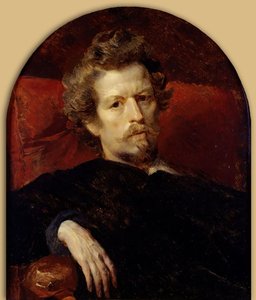
カール・パヴロヴィチ・ブリューロフ
1799 - 1852 , ロシア
基本情報
- 主な作品:
- ポンペイの最期の日
- ツァーリ暗殺
- 聖墳墓の防衛
- 出生地: サンクトペテルブルク、ロシア
- 国籍: ロシア
- 影響を与えた画家・運動: ['ガヴリール・ゴレロフ']
- 影響を受けた画家:
- ラファエロ
- ミケランジェロ
- カラヴァッジョ
- 氏名: カール・パヴロヴィチ・ブリューロフ
- 没年月日: 1852年6月23日
- 生年月日: 1799年12月23日
- 芸術運動・様式: ロマン主義
関連記事
Karl Bryullov: Romanticism's Dramatic Vision & Shaping Russian Historical Painting
Explore the dramatic world of Karl Bryullov, a pivotal figure in Russian Romanticism. Discover his masterpieces like 'The Last Day of Pompeii' and learn about his lasting influence on 19th-century art history.
Oil on Canvas Masters: 10 Paintings That Redefined Art History |
Journey through art history with our guide to 10 legendary oil on canvas masterpieces! Explore iconic works by Van Gogh, Monet & Rembrandt. Find museum-quality reproductions and elevate your home decor at . Discover all masterpieces online.

The Enduring Legacy of Oil on Canvas: Technique, History & Aesthetic Impact
Explore the rich history & techniques of oil painting – from Renaissance masters to Impressionism. Discover pigments, layering methods, and why this timeless medium endures. Expert insights for artists & art enthusiasts.

油彩のキャンバス:技法、歴史、そして現代の実践 - 古典美術愛好家へ
油彩の技法、歴史、巨匠たちの秘密を徹底解説。古典美術愛好家向けに、初期フランドル絵画から現代の実践まで深く掘り下げます。ArtsDotで高品質な複製画やカスタムオーダーも承ります。

Oil on Canvas: A Historical & Technical Exploration of a Timeless Artistic Medium
Explore the rich history & enduring techniques of oil painting on canvas. Discover the science behind its longevity, conservation practices, and contemporary relevance. Expert insights for art enthusiasts.