

 プレビュー
プレビュー
 プリントを購入
 シェアする
シェアする シェアする
シェアする
 詳細を見る
詳細を見る

 ダウンロード
 似ている作品
 X線調査
X線調査 スライドショー
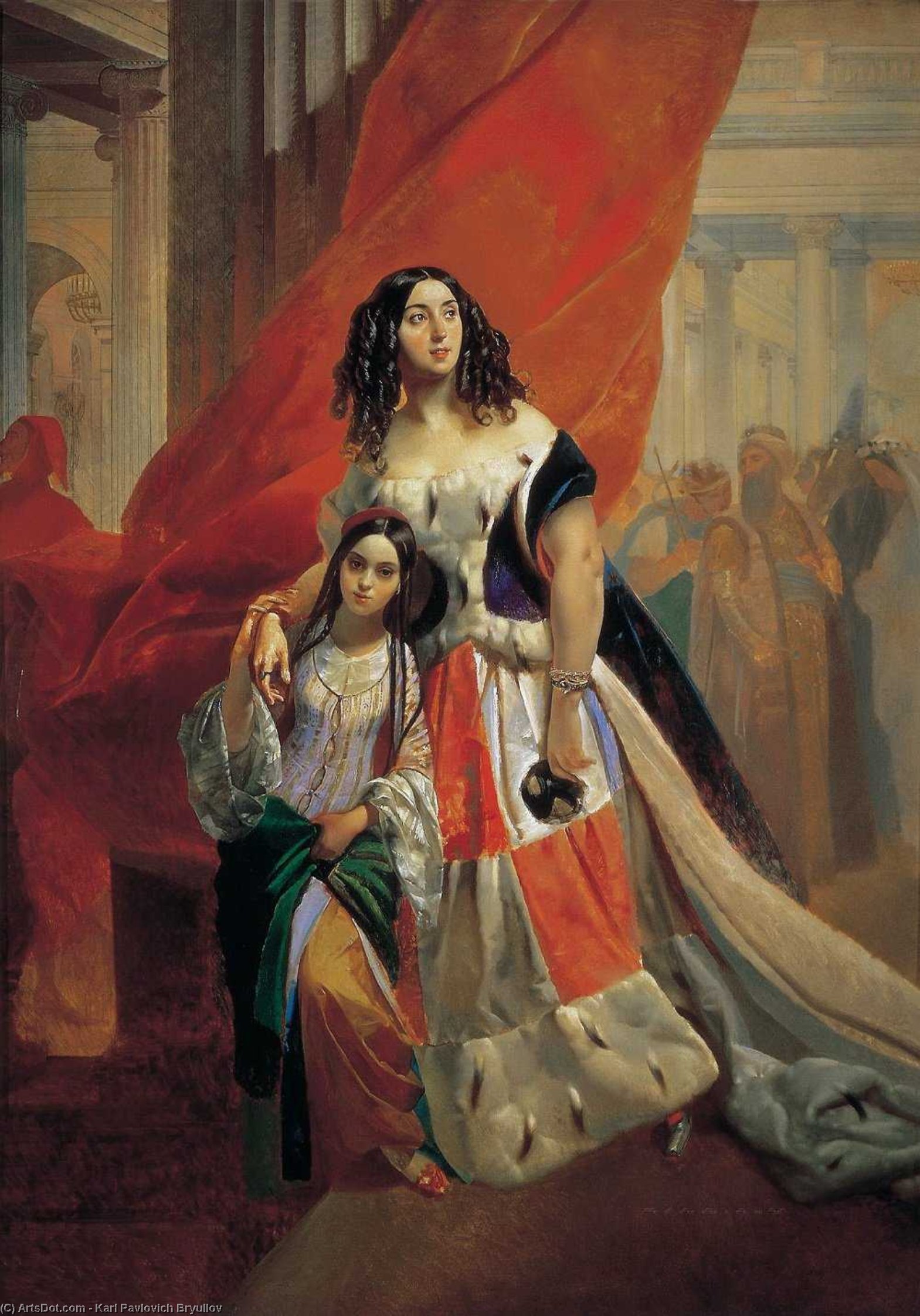
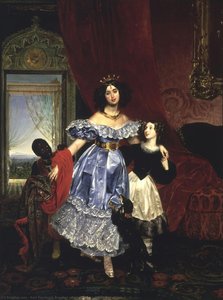
Princess Yuliya Pavlovna Samoilova Leaving a Ball with Adopted Daughter Amacilia Pacini
 Oil On Canvas
- WallArt
- Romanticism
 249.0 x 176.0 cm
 国立ロシア美術館
 詳細を見る
詳細を見る
オンラインプレビューをはるかに凌ぐ、高解像度で鮮明なデジタル画像をご購入いただけます。
各ファイルは、社内の専門家が高度なツールと熟練した手作業によるレタッチを用いて、細心の注意を払って準備されています。すべての画像において、卓越した鮮明度、正確な色彩再現性、そして繊細なディテールを保証いたします。
最終ファイルは、プロフェッショナルな編集・印刷環境ですぐにご利用いただけるよう最適化された状態で、72時間以内にメールにてお届けいたします。これは、一流のデザインスタジオ、出版社、ギャラリーから信頼されているものと同等の品質です。
デジタル画像のご注文に付随する特典
高品質なデジタル画像配信を、確かな品質で。
ArtsDot.com を選ぶことは、単に画像を手に入れることではありません。それは、プロの手によって精密に仕上げられ、満足保証が付いた高品質なデジタルアートワークを受け取ることを意味します。ご注文いただいた際に自動的に付随する内容は、以下の通りです:

メールですぐにお届け
ご注文から72時間以内に、高解像度のデジタル画像ファイルがメールでお手元に届きます。すぐにそのままご利用いただけます。

AI技術で最適化されたデジタルファイル
お客様の作品は、高度なAIツールと専門家による手作業の編集を組み合わせてプロフェッショナルに最適化されており、細部のディテール、鮮明さ、そして正確な色再現性を最大限に引き出しています。

一生涯無料の再送サービス
ファイルを誤って削除したり、紛失してしまったりしましたか?ご安心ください。いつでも無料で再送いたします。

輸入手数料は一切かかりません
関税や手数料、配送料を気にすることなく、お気に入りのアートワークをすぐにお楽しみいただけます。デジタルダウンロードは常に免税です。

色彩再現の保証
プロ仕様のツールとカラーマネジメント技術を用いることで、デジタル画像が元の色を最大限に忠実に再現することを保証いたします。

60日間満足保証
ご購入いただいたデジタル画像にご満足いただけない場合は、60日以内であれば、修正または100%の返金(理由を問う必要はありません)をさせていただきます。

100% 返金保証
ご満足いただけない場合は、デジタルファイルを受け取ってから60日以内であれば、理由を問わず全額返金いたします。

まとめ買い割引
3枚購入で10%OFF - 5枚購入で15%OFF - 10枚以上購入で20%OFF。クリエイティブなプロジェクト、ギャラリー、エージェンシーに最適です。
A Portrait Steeped in Romantic Grandeur: Bryullov’s “Horsewoman”
The canvas breathes with an immediacy rarely achieved by artists of its era—a testament to Karl Pavlovich Bryullov's masterful command of Romanticism. Completed around 1840, "Horsewoman," housed prominently within the Tretyakov Gallery in Moscow, transcends mere depiction; it’s a carefully constructed narrative designed to evoke profound emotion and celebrate idealized beauty. Bryullov wasn’t simply capturing an image; he was striving to embody a spirit—a spirit of youthful vigor, aristocratic refinement, and unwavering faith in artistic expression itself.The Subject Matter: Beyond Mere Representation
At first glance, the painting presents a seemingly simple scene: a young woman astride a magnificent horse, bathed in dappled sunlight. However, Bryullov’s genius lies in elevating this commonplace subject to something extraordinary. The horsewoman isn't merely a rider; she embodies grace and nobility—a symbol of feminine strength tempered by elegance. Her posture exudes confidence, yet her gaze holds a hint of melancholy, suggesting an awareness of the fleeting nature of beauty and youth. Bryullov meticulously rendered every detail, from the horse’s muscular physique to the woman's flowing gown, demonstrating his unparalleled skill in anatomical accuracy and textural representation. This wasn’t merely about portraying what was seen; it was about conveying a deeper truth—the sublime power of observation and artistic interpretation.Romantic Technique: Light and Shadow as Emotional Drivers
Bryullov’s technique exemplifies the core tenets of Romanticism, prioritizing expressive color and dramatic lighting over strict adherence to classical conventions. He employed glazing – applying thin layers of translucent pigment over previous coats – to achieve luminous effects that illuminate the woman's face and dress with an ethereal glow. The artist skillfully manipulated shadows to sculpt form and create a sense of depth, emphasizing the grandeur of the horse’s surroundings and enhancing the emotional impact of the scene. Bryullov’s brushwork is loose and fluid, conveying movement and dynamism—a deliberate departure from the smooth surfaces favored by Neoclassical painters. This textural richness contributes significantly to the painting's immersive quality, inviting viewers into a world brimming with sensory experience.Historical Context: A Celebration of Artistic Idealism
“Horsewoman” emerged during a period marked by significant intellectual and artistic ferment—the Romantic era’s reaction against Enlightenment rationalism. Bryullov sought inspiration from artists like Michelangelo and Caravaggio, embracing their dramatic use of light and shadow to convey emotion and spiritual significance. The painting reflects the Romantic preoccupation with sublime landscapes and heroic figures—a desire to recapture the grandeur of antiquity and express profound feelings of awe and wonder. It served as a powerful affirmation of artistic idealism, demonstrating Bryullov’s conviction that art could elevate humanity and inspire moral contemplation.Symbolism: Echoes of Mythic Beauty
Beyond its visual splendor, “Horsewoman” is laden with symbolic meaning. The horse itself represents nobility, freedom, and untamed passion—qualities admired by Romantic artists as emblems of human potential. The woman’s attire—a flowing gown adorned with shimmering embellishments—symbolizes femininity, grace, and spiritual purity. Bryullov's masterful composition reinforces these themes, creating a harmonious balance between light and darkness, strength and vulnerability. He invites viewers to contemplate the enduring beauty of nature and the transformative power of artistic vision—a legacy that continues to resonate powerfully today.Emotional Impact: A Timeless Resonance
Ultimately, “Horsewoman” succeeds in capturing a profound emotional resonance—a feeling of sublime beauty mingled with poignant melancholy. Bryullov’s evocative use of color and light transports viewers back to 19th-century Russia, immersing them in an atmosphere of aristocratic splendor and artistic fervor. The painting's enduring appeal lies in its ability to evoke universal themes of youth, passion, and the contemplation of mortality—a testament to Bryullov’s genius as a storyteller and his unwavering commitment to capturing the essence of human experience.関連作品
作家の略歴
カール・パヴロヴィチ・ブリューロフ:ロマン主義を彩った生涯
カール・パヴロヴィチ・ブリューロフ(Karl Pavlovich Bryullov、旧名:カール・ブリュッロ)は、18世紀末のロシア、サンクトペテルブルクに生まれ、19世紀の芸術界を大きく揺るがした画家です。彼の父、パヴェル・イワノヴィチ・ブリューロフはアカデミー会員であり、木彫家、版画家として名声を馳せていました。幼いカールは父から芸術への愛情を育み、その才能を開花させていくことになります。1809年、帝国美術学校に入学し、正式な教育を受ける中で、彼の芸術的素質が徐々に明らかになっていきました。
古典とロマン主義の狭間で
ブリューロフは、古典的な枠組みの中で教育を受けながらも、その厳格さに常に葛藤していました。幼少の頃からイタリアへの強い憧れを抱き、彼の芸術的発展はイタリア・ルネサンス期の巨匠たちからの影響を深く受けています。特にラファエロ、ミケランジェロ、カラヴァッジョといった画家たちの作品から、光と影の劇的な表現や解剖学的な正確さへの探求心を学びました。彼の作品には、これらの巨匠たちの影響が色濃く表れており、古典主義の堅実さとロマン主義の情熱が融合した独特の世界観を構築していきました。
「ポンペイ最期の日の光」と国際的な名声
ブリューロフの名声を決定づけたのは、1830年から1833年にかけて制作された壮大な歴史画「ポンペイ最期の日の光」です。ヴェスヴィオ火山の噴火という混沌とした状況を描いたこの作品は、その劇的な構図、感情の激しさ、そして卓越した技術力によって、瞬く間に国際的な賞賛を集めました。プーシキンやゴーゴリといった同時代の文豪たちからも絶大な評価を受け、彼の地位を不動のものとしました。
多様な表現への挑戦
「ポンペイ最期の日の光」以降、ブリューロフは様々なテーマに挑戦し、その芸術的才能を発揮していきました。「ツァーリの命奪取」(1827年)は初期の作品であり、歴史的な出来事を巧みに描写した技術が際立っています。また、「聖墳墓を守護する」 (1846年)では、感情と歴史的正確さのバランスを追求し、彼の円熟期における表現力を示しました。さらに、「ユリヤ・パヴロヴナ・サモイロワ夫人の舞踏会からの退場」(1832年)は、肖像画における彼の卓越した才能を示す傑作です。そして、「ガイスリックのローマ侵攻」(1835年)は、バロック様式の影響を受けたもう一つのドラマチックな歴史的場面を描いています。
晩年の苦悩と芸術への献身
「ポンペイ最期の日の光」の成功の後、ブリューロフはロシアに帰国し、1836年に帝国美術アカデミーの教授として迎えられました。彼はそこで次世代のロシア人アーティストたちを指導し、その才能を育んでいきました。しかし、健康状態は徐々に悪化していき、サン・イサーク大聖堂の天井画制作中に深刻な病に苦しむことになります。1849年、健康回復を目指してロシアを離れ、マデイラ島を経てイタリアに移住し、ローマ近郊で静かな生活を送りました。
ロマン主義におけるブリューロフの功績
カール・パヴロヴィチ・ブリューロフは、ロシア・ロマン主義を代表する画家の一人として、その歴史に大きな足跡を残しました。彼の作品は、古典主義的な形式美から脱却し、より感情的でドラマチックな表現へと向かうロシア美術の転換点となりました。彼は新古典主義の堅実さとロマン主義の情熱を融合させ、ガヴリール・ゴレロフをはじめとする後進のアーティストたちに多大な影響を与えました。ブリューロフは、単なる画家としてだけでなく、尊敬される教育者であり、芸術革新の推進者としても知られています。1852年6月23日、彼はローマ近郊で生涯を閉じましたが、その功績はロシア文化遺産の中で永遠に輝き続けるでしょう。
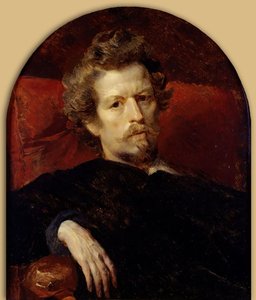
カール・パヴロヴィチ・ブリューロフ
1799 - 1852 , ロシア
プロフィール概要
- 主な作品:
- ポンペイの最期の日
- ツァーリ暗殺
- 聖墳墓の防衛
- 出生地: サンクトペテルブルク、ロシア
- 国籍: ロシア
- 影響を与えた画家・運動: ['ガヴリール・ゴレロフ']
- 影響を受けた画家:
- ラファエロ
- ミケランジェロ
- カラヴァッジョ
- 氏名: カール・パヴロヴィチ・ブリューロフ
- 没年月日: 1852年6月23日
- 生年月日: 1799年12月23日
- 芸術運動・様式: ロマン主義

