

 プレビュー
プレビュー
 シェアする
シェアする シェアする
シェアする
 詳細を見る
詳細を見る

 ダウンロード
 似ている作品
 X線調査
X線調査 スライドショー
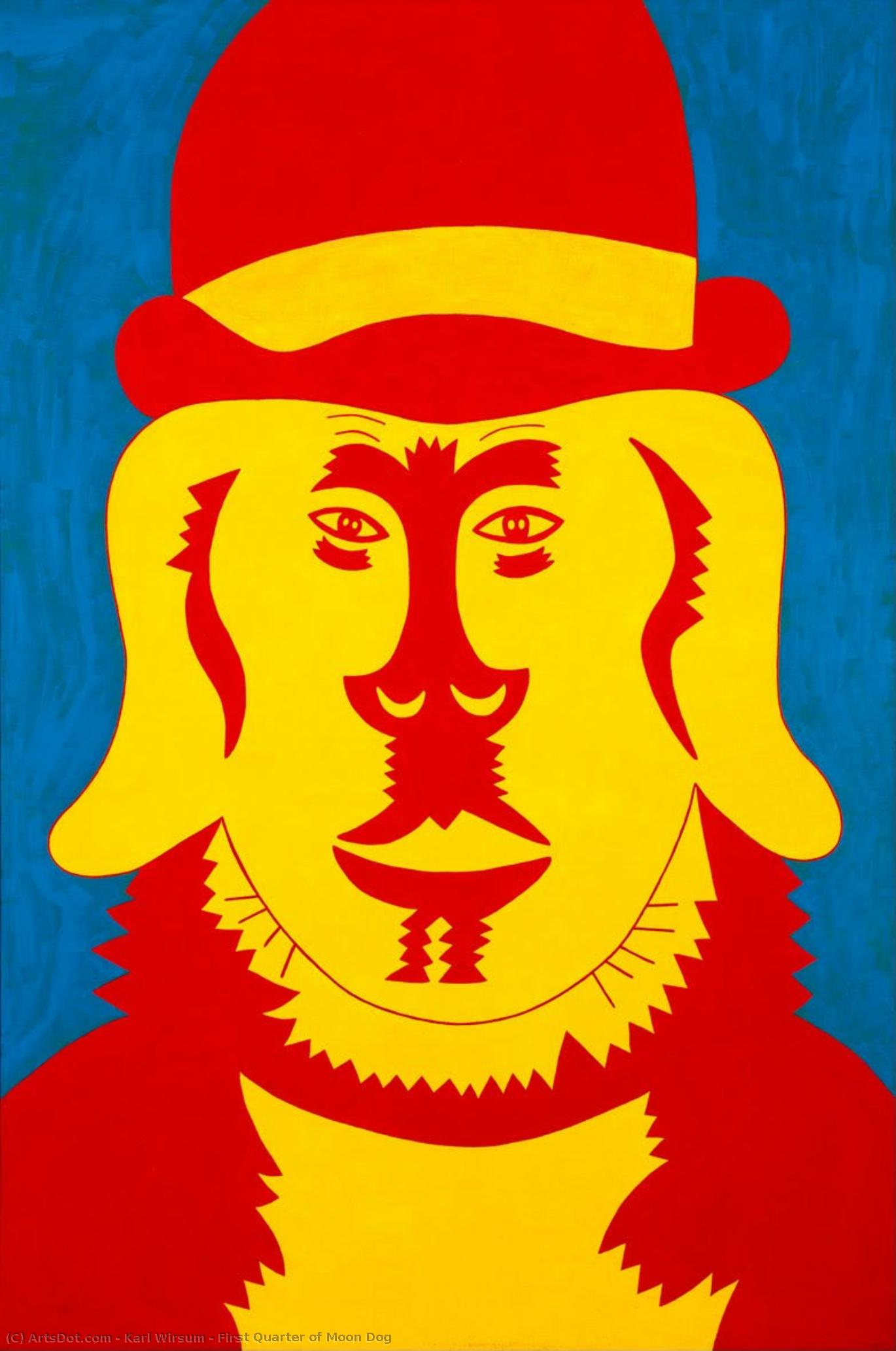
First Quarter of Moon Dog


 詳細を見る
詳細を見る
ジークレー/アートプリント
迅速な制作と多彩な仕上げオプションを備えた、ミュージアムクオリティのジークレーまたはキャンバスプリント。 ( 手描きの絵画を購入 画像を購入)




P118B $10

P118H $10

P118W $10

P438Z $10

P508JH $12

P508YH $12

P805H $10

P805Z $10

P919BZ $10

P919G $10

P919XJ $10

P959ZH $10

P968JZ $12

W106C $8

W218G $10

W218JH $8

W218Y $10

W307PJ $10

W316G $10

W316PJ $8

W316Y $10

W398PJ $8

W4111J $10

W500HY $15

W500JH $15

W692G $12

W849H $8

W940BG $15

W953PJ $8




作品のオリジナル比率に合わせた、当店の規定サイズからお選びください。

特定のフレームやスペースに合わせて、ご自身でサイズを指定することも可能です。選択されたサイズが元の画像の比率と一致しない場合、作品をトリミングするか、鏡面反射または単色での塗りつぶしによって画像を拡張いたします。制作を開始する前に、ご確認用のデジタルモックアップをお送りいたします。
画面上のプレビューには、実際のトリミングや拡張は反映されませんのでご注意ください。最終的な構図を正確に確認できるのは、モックアップのみとなります。
カスタムサイズも承っておりますが、元の比率を維持するためには、あらかじめ用意されたリストからサイズを選択することをお勧めいたします。


 ガラスオプションは、110cm未満のサイズでのみご利用いただけます。

First Quarter of Moon Dog
ジークレー/アートプリント
複製画のサイズ
-


合計金額
$ 62
A Whimsical Encounter with the Surreal
In the vibrant landscape of mid-century American art, few works capture the playful eccentricity of the era quite like Karl Wirsum’s First Quarter of Moon Dog. Created in 1966, this striking painting invites the viewer into a dreamlike realm where the boundaries between the domestic and the cosmic dissolve. At first glance, the eye is immediately drawn to the central figure: a canine subject adorned with an unexpected, dapper flair. Clad in a bold red hat and a matching tie, the dog stands as a whimsical protagonist against a luminous, saturated yellow background. This deliberate use of high-contrast color creates a visual pop that is both energetic and arresting, making the piece an unforgettable focal point for any curated collection.
The painting serves as a masterful example of Wirsum’s unique ability to blend wit with meticulous execution. The subject matter—a dog dressed in human finery—suggests a narrative steeped in the surreal. The title itself, First Quarter of Moon Dog, hints at a lunar connection, perhaps implying that this character exists within a nocturnal, mythological cycle. This layer of symbolism elevates the work from a mere caricature to a profound exploration of identity and the strange beauty found in the unexpected. For the collector, the piece offers a sense of intellectual curiosity, prompting reflections on the intersection of nature and artifice.
The Legacy of the Hairy Who
To understand the soul of this artwork, one must look toward the historical context of the Chicago art scene in the 1960s. Karl Wirsum was a pivotal figure in the legendary Hairy Who group, a collective of artists known for their disruptive, often grotesque, and intensely subjective approach to imagery. This movement sought to break away from the polished aesthetics of mainstream Pop Art, opting instead for a raw, energetic, and sometimes "rough-handled" technique. In First Quarter of Moon Dog, we see the fingerprints of this rebellion; there is an unmistakable vitality in the brushwork and a fearless commitment to bold, graphic shapes that define the Chicago Imagist spirit.
For interior designers and art enthusiasts, this reproduction offers more than just visual appeal; it brings a piece of art history into the modern living space. The painting’s ability to command attention through its vibrant palette makes it an ideal choice for contemporary settings that crave a touch of character and conversation. Whether placed in a minimalist gallery-style room or a cozy, eclectic study, the work radiates a sense of joy and creative defiance. It is a celebration of the imaginative spirit, reminding us that art can be both deeply personal and universally captivating.
関連作品

アーティストの略歴
The Vibrant Legacy of Karl Wirsum
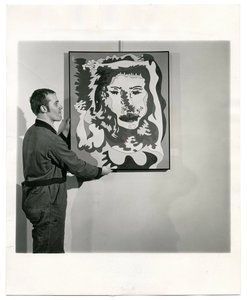
Born in the bustling heart of Chicago in 1939, Karl Wirsum emerged as a transformative force in American art, weaving a visual language that was as much about psychological depth as it was about graphic audacity. His journey began within the prestigious halls of the School of the Art Institute of Chicago (SAIC), where he honed a meticulous eye for detail and a penchant for the unconventional. As the first member of the legendary Hairy Who collective to graduate from SAIC, Wirsum did not merely join an art movement; he helped architect the very foundation of Chicago’s mid-century artistic identity. His life, which spanned until May 2021, was a testament to the power of disruptive creativity and the enduring impact of the Chicago Imagist spirit.
The essence of Wirsum’s work lies in its profound subjectivity and a deliberate, often raw, handling of his medium. He possessed a singular ability to manipulate materials to evoke intense emotion, moving between the two-dimensional plane of painting and printmaking and the tactile presence of sculpture. His figures—often appearing vivid, sometimes robotic, yet undeniably human—served as vessels for a meticulous exploration of the human form. Through these characters, Wirsum navigated the complexities of identity and existence, utilizing a style that resonated with the energy of Neo-Expressionism. This approach allowed him to return to recognizable subjects, such as the body, but through a lens of violent emotion and textured complexity that challenged the polished aesthetics of his era.
A Pioneer of the Chicago Imagist Movement
To understand Karl Wirsum is to understand the Hairy Who, a group of artists who sought to break away from the prevailing trends of New York-centric abstraction. Alongside his contemporaries, Wirsum embraced a witty, original, and often surreal approach to imagery that drew inspiration from pop culture, comic books, and folk art. His work was characterized by:
- Intense Subjectivity: A focus on personal, internal landscapes expressed through external figures.
- Graphic Precision: A meticulousness in line and form that gave his characters a distinct, almost hyper-real presence.
- Materiality: An experimental use of texture and medium to create a sense of physical weight and emotional urgency.
- The Human Form: A recurring fascination with the body as a site of both vulnerability and strength.
His achievements were not limited to the local Chicago scene; his reputation expanded nationally, placing him at the forefront of a movement that redefined American figurative art. Notable works, such as Untitled (Man with Chair on Checkerboard Floor), now held in prestigious collections like the USC Fisher Museum of Art, demonstrate his mastery of composition and his ability to create tension within a seemingly static scene.
Influences, Teaching, and Lasting Impact
Wirsum’s artistic evolution was deeply intertwined with the broader currents of 20th-century art. He found inspiration in the groundbreaking, gestural innovations of artists like Cy Twombly, whose work offered a different way to approach the expressive potential of the mark. This dialogue between the structured and the spontaneous helped inform his ability to balance precise figurative drawing with the raw energy of expressionist painting. Beyond his personal studio practice, Wirsum was a cornerstone of the academic community, serving as a dedicated professor of painting and drawing at the School of the Art Institute of Chicago for decades.
The historical significance of Karl Wirsum extends far beyond the borders of Chicago. His legacy is preserved in major international institutions, such as the Staedische Galerie im Lenbachhaus in Munich, which showcases his place within the global narrative of modern art. By blending the whimsical with the grotesque and the meticulous with the messy, Wirsum created a body of work that remains as provocative and vital today as it was during the height of the Chicago Imagist movement. He remains a symbol of an era when art dared to be loud, personal, and unapologetically original.
karl wirsum
1939 - 2021 , United States of America
基本情報
- Artistic Movement Or Style: Chicago Imagism, Neo-expressionism
- Artists Who Influenced This Artist: ['Cy Twombly']
- Date Of Birth: 1939
- Date Of Death: 2021
- Full Name: Karl Wirsum
- Nationality: American
- Notable Artworks: ['Untitled (man with chair on checkerboard floor)']
- Place Of Birth: Chicago, United States
関連記事

Crimson Threads of Narrative: Exploring Symbolism & Representation in Artworks Featuring the Red Dress
Explore the rich symbolism of the red dress in art history! From ancient power displays to iconic portraits like Cézanne’s 'Madame Cezanne', discover the cultural and artistic significance behind this captivating color. Expert analysis & insights.
Golden Hues: 10 Masterpieces Dominated by Chrome Yellow | ArtsDot
Immerse yourself in golden light! Explore 10 famous paintings dominated by 'Chrome Yellow', from Van Gogh’s Sunflowers to Monet's Haystacks. Discover the stories behind these iconic Impressionist & Post-Impressionist masterpieces and find museum-quality art reproductions at ArtsDot.com.
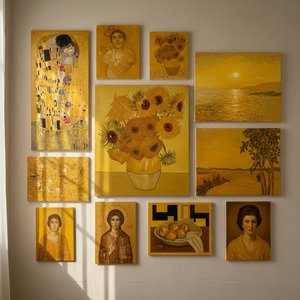
Golden Hues: Top 10 Paintings Dominated by Yellow Ochre |
Explore 10 iconic paintings bathed in golden yellow ochre! From Van Gogh's sunflowers to Monet’s haystacks, discover the stories behind these masterpieces. Find museum-quality art reproductions & elevate your home decor on .

The Golden Hue: Exploring Symbolism & Emotion in Yellow Art
Explore the rich symbolism & emotional power of yellow in art history! From Van Gogh to Kandinsky, discover how artists used this vibrant hue. Expert analysis & high-quality reproductions at ArtsDot.
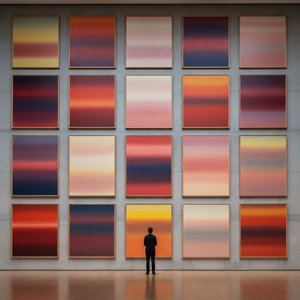
マーク・ロスコ傑作25選:色彩が織りなす深遠な世界|ArtsDot
マーク・ロスコの傑作25選。抽象表現主義を代表する巨匠、色彩が織りなす深遠な世界を探求します。絵画の背景や技法、感動的なストーリーを紐解き、ArtsDotで高品質なアートプリントをお楽しみください。リビングやオフィスにモダンアートを飾るなら!