

 シェアする
シェアする シェアする
シェアする
 詳細を見る
詳細を見る

 ダウンロード
 似ている作品
 スライドショー
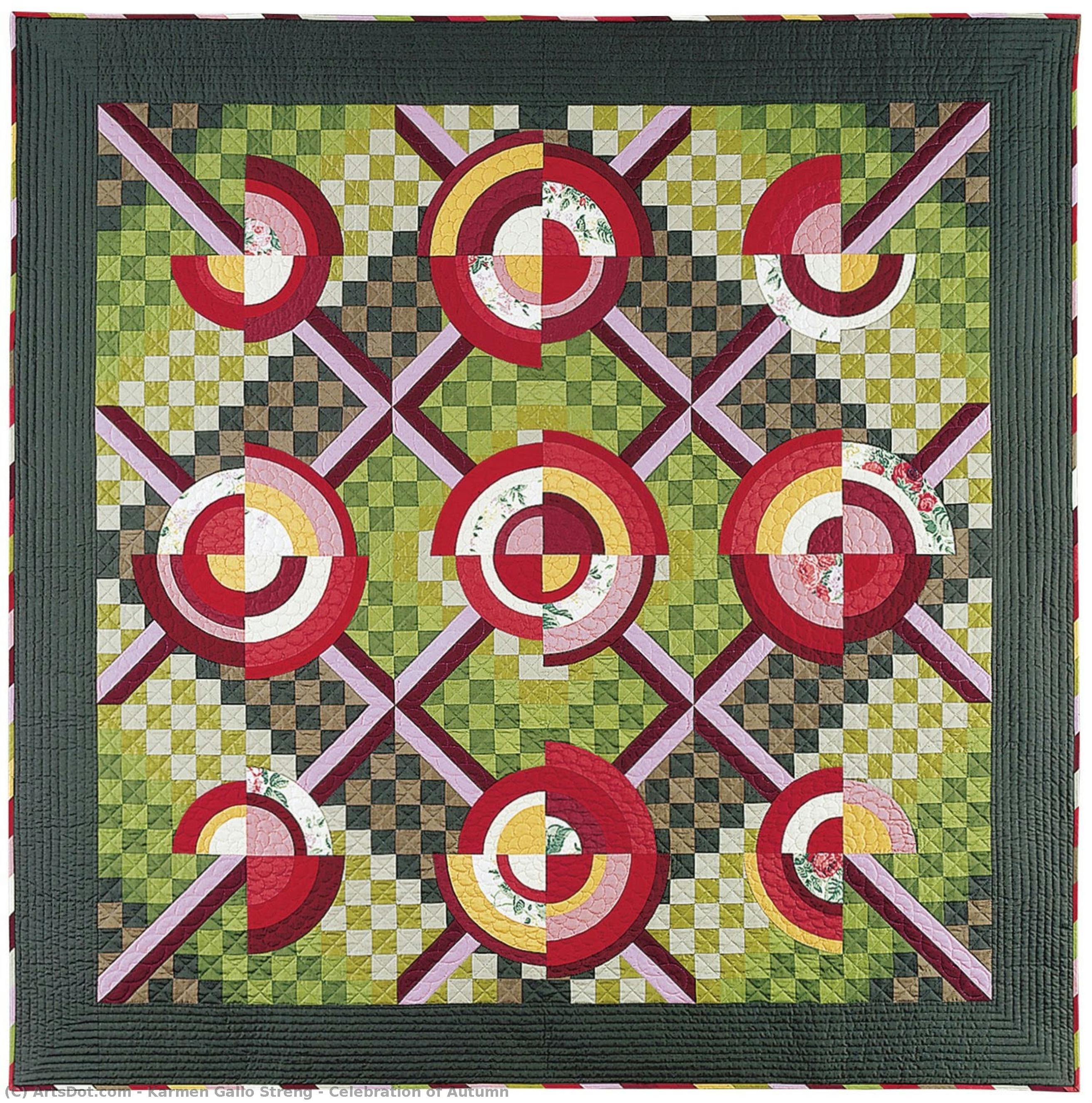
Celebration of Autumn


 詳細を見る
詳細を見る
ジークレー/アートプリント
迅速な制作と多彩な仕上げオプションを備えた、ミュージアムクオリティのジークレーまたはキャンバスプリント。 ( 手描きの絵画を購入 画像を購入)




































作品のオリジナル比率に合わせた、当店の規定サイズからお選びください。

特定のフレームやスペースに合わせて、ご自身でサイズを指定することも可能です。選択されたサイズが元の画像の比率と一致しない場合、作品をトリミングするか、鏡面反射または単色での塗りつぶしによって画像を拡張いたします。制作を開始する前に、ご確認用のデジタルモックアップをお送りいたします。
画面上のプレビューには、実際のトリミングや拡張は反映されませんのでご注意ください。最終的な構図を正確に確認できるのは、モックアップのみとなります。
カスタムサイズも承っておりますが、元の比率を維持するためには、あらかじめ用意されたリストからサイズを選択することをお勧めいたします。


 ガラスオプションは、110cm未満のサイズでのみご利用いただけます。

Celebration of Autumn
ジークレー/アートプリント
複製画のサイズ
-


合計金額
$ 62
作品詳細説明
A Tapestry of Autumnal Echoes: Celebrating the Craft of Karmen Gallo Stren
Karmen Gallo Stren’s “Celebration of Autumn,” created in 1985, is more than just a quilt; it's a deeply resonant meditation on memory, heritage, and the cyclical beauty of nature. This vibrant close-up reveals a meticulously constructed landscape woven from an astonishing array of fabrics – rich reds recalling autumnal leaves, sunny yellows mirroring harvest fields, verdant greens evoking forests, deep blues hinting at twilight skies, delicate pinks suggesting wildflowers, and pristine whites representing snow-dusted mornings. The strategically placed circles, varying in size and distribution, aren’t merely decorative; they function as focal points, drawing the eye across the intricate design and subtly referencing ancient symbols of wholeness and continuity.
Technique and Materiality: A Dialogue with Tradition
- Fabric Collage Mastery: Stren's skill lies in her masterful manipulation of fabric collage. Each piece is carefully chosen, cut, and layered to create a complex three-dimensional effect. The varying textures – velvet, cotton, silk, and perhaps even denim – contribute significantly to the quilt’s tactile quality, inviting viewers to almost reach out and touch its surface.
- Color Palette & Harmony: The deliberate use of color is crucial to the artwork's impact. Stren employs a rich, saturated palette that evokes the intensity of autumn, yet balances it with subtle tonal variations, creating a sense of depth and visual interest. The juxtaposition of warm and cool colors further enhances this dynamic.
- Handcrafted Detail: Given the date of creation (1985), it’s highly probable that “Celebration of Autumn” was entirely handcrafted by Stren, emphasizing the value of slow art production and the enduring connection between artist and material.
Historical Context & Symbolic Resonance
Created in 1985, "Celebration of Autumn" reflects a broader artistic trend within American quilting during this period – a resurgence of interest in traditional craft techniques combined with contemporary design sensibilities. The quilt’s imagery resonates with the Romantic movement's fascination with nature and its symbolic representation of life, death, and rebirth. The circles themselves can be interpreted as representing the sun, the moon, or perhaps even sacred mandalas—all potent symbols of cosmic order and human connection. Considering Stren's birth in Davis, California, a region known for its agricultural heritage and proximity to natural landscapes, adds another layer of meaning to the work.
Emotional Impact & Artistic Legacy
"Celebration of Autumn" possesses a quiet power that transcends its purely decorative qualities. It evokes a sense of nostalgia, warmth, and connection to the earth. The meticulous detail and vibrant colors invite contemplation on themes of time, memory, and the enduring beauty of the natural world. Karmen Gallo Stren’s work stands as a testament to the artistry of handcrafted textiles and her ability to imbue them with profound emotional resonance. This piece is an ideal addition to any collection seeking a touch of rustic elegance or a celebration of timeless artistic craftsmanship.
関連作品
アーティストの略歴
Anselm Kiefer: A Sculptor of German Memory
Born in Donaueschingen, Baden-Württemberg, on March 8, 1945, Anselm Kiefer’s life and art are inextricably linked to the weighty history of Germany. Raised near the Black Forest, a region steeped in folklore and shadowed by the Rhine, his childhood fostered a deep connection to both the natural world and the lingering anxieties surrounding the nation's past. From an early age, Kiefer declared his intention to become an artist – a decision driven not merely by aesthetic inclination but by a profound need to grapple with the complexities of German identity and its often-painful legacy.
His artistic journey began formally at the University of Freiburg and later at the Karlsruhe Academy of Art. A pivotal early influence was his informal study with Joseph Beuys in Düsseldorf during the early 1970s. This encounter, characterized by a spirit of experimentation and exploration, proved crucial in shaping Kiefer’s approach to materials and process. He initially worked from his family home in Hornbach and later established a large converted brick factory in Buchen before relocating to Paris in 2008, where he continues to create today.
Materials and Method: A Language of Texture
Kiefer’s artistic practice is immediately recognizable for its distinctive use of materials. He rejects traditional painting techniques, instead employing a diverse range of substances – straw, ash, clay, lead, shellac, and even pulverized brick – to build up layers of texture and surface. These aren't merely decorative elements; they are integral to his process of confronting the past. The incorporation of straw, for instance, references the scorched earth tactics employed during World War II, while ash evokes the devastation of bombed-out cities. Lead, often used in a molten state, symbolizes the weight of history and the burden of memory.
His working methods are deliberately laborious and physically demanding. He frequently uses large wooden panels, applying materials with trowels, spatulas, and even his own hands, creating surfaces that are both rough and intensely detailed. This tactile approach mirrors the physicality of historical excavation – a process of unearthing buried truths and confronting uncomfortable realities. The act of building these monumental works is itself a meditative practice, reflecting Kiefer’s desire to engage with the past in a sustained and deeply felt manner.
Themes of German History and Trauma
At the heart of Kiefer's oeuvre lies an unrelenting engagement with German history, particularly its darker chapters. He doesn’t shy away from confronting the horrors of the Nazi regime and the enduring trauma it inflicted upon the nation. However, his approach transcends simple historical documentation; he seeks to evoke the *feeling* of the past, rather than merely representing it. His work frequently draws on literary sources – Paul Celan's poetry, particularly “Todesfuge,” is a significant influence – as well as mythological narratives and cultural symbols.
Works like *Margarete*, inspired by Celan’s poem, demonstrate this approach. The painting utilizes straw and oil to create a layered surface that suggests both destruction and potential renewal. Kiefer's engagement with the Third Reich is not confined to overt depictions of war or propaganda; he explores the psychological and emotional consequences of these events, delving into themes of guilt, responsibility, and the difficulty of coming to terms with a nation’s past – a concept known as *Vergangenheitsbewältigung*.
Neo-Expressionism and Beyond
Kiefer's work emerged in the late 1960s and early 1970s, aligning him with the burgeoning Neo-Expressionist movement. However, his practice transcends simple categorization. While sharing a willingness to embrace emotional intensity and confront difficult subjects, Kiefer’s approach is characterized by a profound sense of historical awareness and a deliberate engagement with German cultural memory. His work has been described as both intensely personal and profoundly public, reflecting the complex relationship between individual experience and national identity.
Despite his association with *New Symbolism* and *Neo–Expressionism*, Kiefer’s artistic vision remains uniquely his own – a testament to his sustained commitment to confronting the past and exploring the enduring power of memory. His work continues to provoke, challenge, and ultimately, illuminate the complexities of German history and its ongoing relevance in the 21st century.
karmen gallo streng
1945 - , United States of America
基本情報
- Artistic Movement Or Style:
- Neo-Expressionism
- New Symbolism
- Artists Or Movements Influenced By This Artist: ['Paul Celan']
- Artists Who Influenced This Artist:
- Joseph Beuys
- Anselm Feuerbach
- Date Of Birth: March 8, 1945
- Full Name: Anselm Kiefer
- Nationality: German
- Notable Artworks:
- Schneeschmelze im Odenwald Winter ade
- Margarete
- Scheiden tut
- Place Of Birth: Donaueschingen, Germany
関連記事

Giclée Prints: Archival Quality & Aesthetic Nuances for the Discerning Collector
Explore the world of giclée prints with ArtsDot. Learn about archival quality, aesthetic nuances & investment potential. Expert guidance for discerning art collectors seeking museum-quality reproductions and lasting value.

The Enduring Legacy of Fine Art Prints: Technique, History & Aesthetic Impact
Explore the rich history & techniques of fine art prints. Discover investment potential, assess authenticity, and learn how to preserve your collection with expert guidance. Trusted insights for discerning collectors.

Echoes of Time: Exploring the Enduring Appeal & Historical Context of Vintage Art Prints
Explore the captivating world of vintage art prints! Discover their history, collecting tips & enduring appeal. Expert insights on chromolithography and building a legacy collection with ArtsDot.
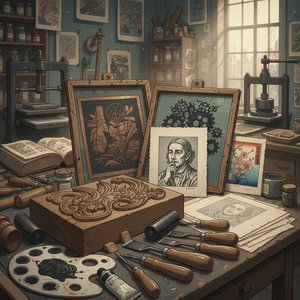
The Enduring Legacy of Printmaking: Techniques, Themes & Artistic Innovation Across Centuries
Explore the rich history of printmaking with ArtsDot. Discover techniques from intaglio to lithography, learn about collecting valuable prints & find museum-quality reproductions. Expert insights for art enthusiasts and collectors.
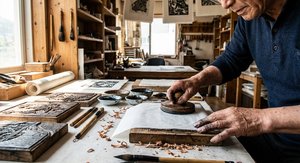
The Enduring Legacy of Woodblock Printmaking: Technique, History & Artistic Expression
Explore the rich history of woodblock printmaking – from ancient techniques to Ukiyo-e masterpieces. Discover expert insights on collecting, preserving & appreciating this enduring art form.

