

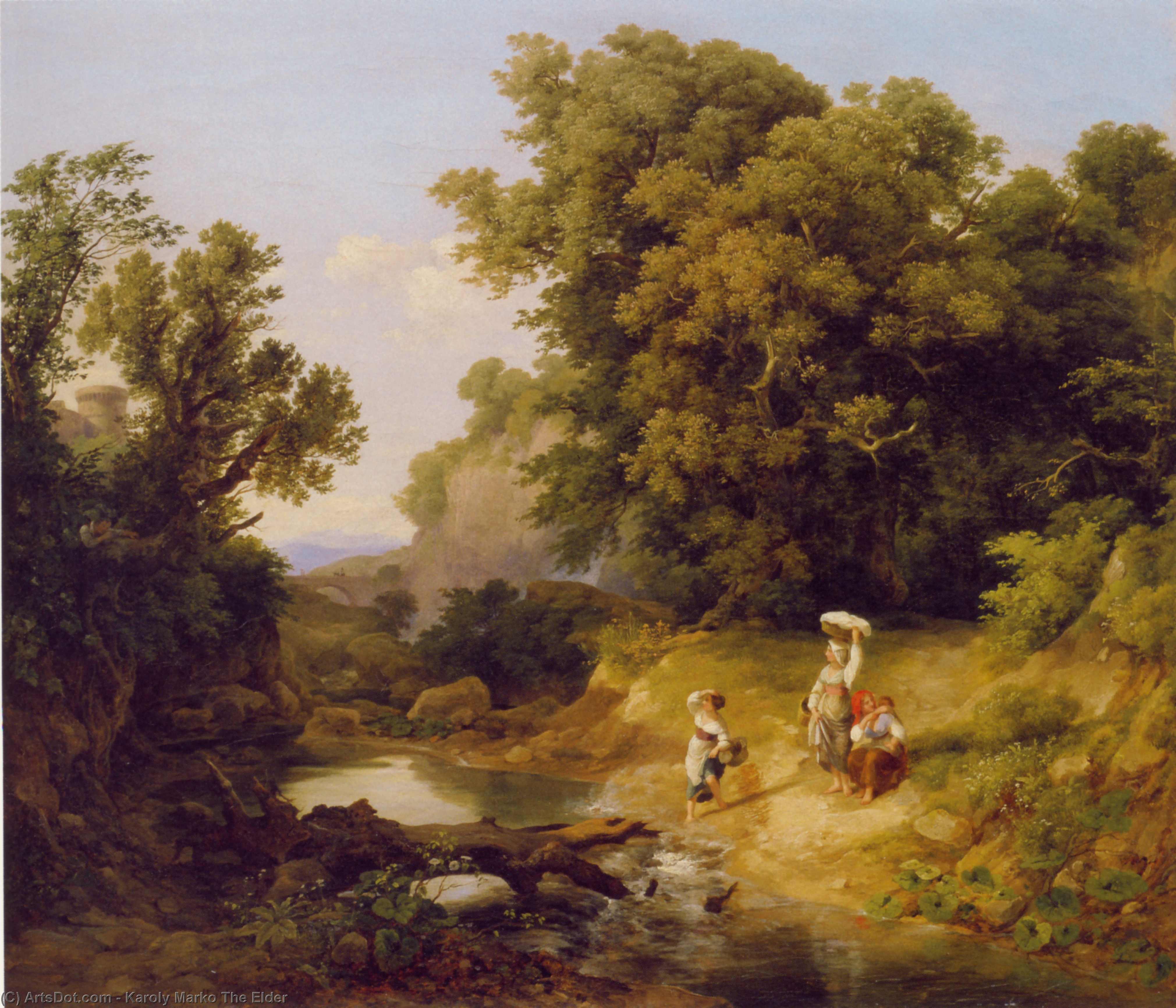
 プレビュー
プレビュー
 シェアする
シェアする シェアする
シェアする
 詳細を見る
詳細を見る

 ダウンロード
 似ている作品
 X線調査
X線調査 スライドショー
From the Pearl of Holy Antiquity
 Oil On Canvas
- WallArt
- Romanticism
 1833
1833- 19th Century
 43.0 x 55.0 cm
 ハンガリー国立美術館
 詳細を見る
詳細を見る
ジークレー/アートプリント
迅速な制作と多彩な仕上げオプションを備えた、ミュージアムクオリティのジークレーまたはキャンバスプリント。 ( 手描きの絵画を購入 画像を購入)




P118B $10

P118H $10

P118W $10

P438Z $10

P508JH $12

P508YH $12

P805H $10

P805Z $10

P919BZ $10

P919G $10

P919XJ $10

P959ZH $10

P968JZ $12

W106C $8

W218G $10

W218JH $8

W218Y $10

W307PJ $10

W316G $10

W316PJ $8

W316Y $10

W398PJ $8

W4111J $10

W500HY $15

W500JH $15

W692G $12

W849H $8

W940BG $15

W953PJ $8




作品のオリジナル比率に合わせた、当店の規定サイズからお選びください。

特定のフレームやスペースに合わせて、ご自身でサイズを指定することも可能です。選択されたサイズが元の画像の比率と一致しない場合、作品をトリミングするか、鏡面反射または単色での塗りつぶしによって画像を拡張いたします。制作を開始する前に、ご確認用のデジタルモックアップをお送りいたします。
画面上のプレビューには、実際のトリミングや拡張は反映されませんのでご注意ください。最終的な構図を正確に確認できるのは、モックアップのみとなります。
カスタムサイズも承っておりますが、元の比率を維持するためには、あらかじめ用意されたリストからサイズを選択することをお勧めいたします。


 ガラスオプションは、110cm未満のサイズでのみご利用いただけます。

From the Pearl of Holy Antiquity
ジークレー/アートプリント
複製画のサイズ
-


合計金額
$ 62
作品詳細説明
From the Pearl of Holy Antiquity – A Window into 19th-Century Rural Life
Karoly Marko the Elder’s “From the Pearl of Holy Antiquity,” painted in 1833, is more than a picturesque landscape; it's a carefully constructed tableau that speaks volumes about the Romantic sensibility and the burgeoning interest in documenting everyday life. Measuring 43 x 55 cm, this oil-on-canvas work transports us to a serene valley scene, dominated by a gently flowing river and rolling hills – a vista rendered with a masterful understanding of light and perspective.
- Subject Matter: The heart of the painting lies in its depiction of rural activity. A small village or ruins nestles on a distant hilltop, while villagers engage in familiar tasks – carrying water, washing clothes, and interacting with one another. This focus on ordinary human experience aligns perfectly with the Romantic movement’s fascination with nature and the common person.
- Composition & Technique: The artist employs a balanced pyramidal composition, anchoring the scene around the river, a recurring motif in landscape painting of the era. The use of horizontal lines emphasizes the vastness of the valley, while vertical strokes create a sense of solidity within the trees and buildings. Marko’s skillful blending of colors and smooth transitions – hallmarks of oil painting – generate a remarkable depth and realism, inviting the viewer to step into this tranquil world.
A Brushstroke of Romanticism: Style and Influences
“From the Pearl of Holy Antiquity” firmly resides within the Romantic period, though with subtle echoes of Neoclassicism. The emphasis on natural beauty, a core tenet of Romanticism, is immediately apparent in the painting’s idealized depiction of the landscape. However, unlike the often dramatic and emotionally charged works of artists like Géricault (whose influence can be subtly detected), this piece maintains a sense of calm contemplation. The scene evokes themes of tranquility, community, and the harmonious relationship between humanity and nature – values highly prized during a time of significant social and political upheaval in Europe.
- Historical Context: Painted in 1833, the artwork reflects a period of burgeoning industrialization and societal change. The depiction of rural life can be interpreted as a nostalgic yearning for simpler times, a reaction against the rapid pace of modernization.
- Symbolism: The river itself is rich with symbolic meaning – representing life’s flow, connection to the earth, and perhaps even spiritual renewal. The village, with its ruins hinting at a lost past, adds another layer of interpretation, suggesting themes of memory, history, and the cyclical nature of time.
The Artist's Hand: Karoly Marko the Elder
Karoly Marko the Elder (1791-1860), born in Losice, Hungary, was a significant figure in 19th-century landscape painting. His work demonstrates a meticulous attention to detail and a profound understanding of light and atmosphere. The smooth texture achieved through his oil technique, combined with his skillful use of perspective, creates an illusion of reality that is both captivating and deeply immersive. Marko’s dedication to capturing the beauty of the natural world reflects a broader artistic trend – a desire to connect with nature as a source of inspiration and spiritual solace.
- Materials: The painting utilizes traditional materials for the period: canvas, pigments derived from minerals, and linseed oil. These choices contribute significantly to the artwork’s aged appearance and authentic feel.
- Legacy: Marko's work exemplifies a commitment to realism and observation, characteristics that would influence generations of landscape artists.
A Timeless Masterpiece – Perfect for Your Space
"From the Pearl of Holy Antiquity" offers a captivating glimpse into a bygone era, capturing the essence of rural life with remarkable skill and sensitivity. This hand-painted reproduction allows you to bring this timeless masterpiece into your home or office, adding a touch of elegance, tranquility, and historical charm. Its serene composition and evocative subject matter make it an ideal piece for creating a calming atmosphere or sparking conversation.
関連作品




アーティストの略歴
テオドール・ジェリコー:「ロマン主義の巨星」
ジャン=ルイ=アンドレ・テオドール・ジェリコーは、1791年9月26日にルーアンで生まれた人物であり、その生涯と芸術は、18世紀末から19世紀初頭のフランスの激動の潮流と劇的に衝突した存在でした。わずか32歳というあまりにも短いキャリアを終えましたが、彼が残した作品群は驚くほど力強く、ヨーロッパ絵画のあり方を根本から再構築し、彼をロマン主義の極めて重要な先駆者として確立させました。ジェリコーは単に歴史的な出来事や壮大な物語を描くだけにとどまらず、人間の経験が持つ生々しい感情と心理的な強度を捉えようとし、しばしば鑑賞者に死、苦しみ、そして社会的不正義という、居心地の悪い真実を突きつけたのです。
初期の生活と芸術的基盤
ジェリコーの幼少期は、芸術との深い繋がりによって彩られていました。弁護士であった父が視覚芸術への鑑賞心を育み、一方、印刷工であり彫刻家であった母方の叔父ピエール・ローランは、彼をパリに設立された私的な印刷工房であるムゼ・フランセの世界へと導きました。この類まれな環境は、ジェリコーにルブラン、ティツィアーノ、ベラスケスといったヨーロッパ各地の巨匠たちの作品への比類なきアクセスを提供し、彼の中に芸術技術と歴史に対する深い理解を植え付けました。決定的に重要な点として、彼はカール・ヴェルネの下で学んだ経験から、イギリスのスポーツ画の慣習を取り入れましたが、すぐに師の様式を超越し、劇的な感情や心理的な深みを伝える生来の能力を発揮しました。また、熱心な古典主義者であったゲランとの時間は、解剖学的な正確さと構図の構造という厳格な基礎を彼に与えましたが、ジェリコーは最終的にアカデミックな伝統が持つ硬直した形式主義を拒絶していくことになります。
メドゥーサ号の筏:記念碑的な宣言
ジェリコーが最も称賛される作品の一つである『メドゥーサ号の筏』(Le Radeau de la Méduse)は、1819年に完成し、今なお彼の芸術的ビジョンに対する生々しい証言であり続けています。この絵画は、1816年に西アフリカ沖で座礁したフランスのフリゲート艦メドゥーサ号の悲惨な余波を描いています。船上には兵士や乗客たちがおり、その多くは最小限の物資を抱えて急造された筏に取り残されました。ジェリコーはこの出来事を丹念に調査し、生存者への聞き取りを行い、正確性を期すために筏の詳細な模型まで制作しました。しかし、彼は公式な委嘱が好む英雄的な描写を意図的に避け、代わりに、絶望、飢餓、そして差し迫った死という光景を提示したのです。この絵画の記念碑的なスケール――高さ16フィート以上、幅23フィート近くに及ぶその大きさは、鑑賞者に人間の苦しみの残忍な現実と政府の無能さを直視することを強いました。ダイナミックな対角線と計算され尽くした人物配置による構図は、状況の混沌と絶望を見事に伝えています。
筏を超えて:人間性の探求
『メドゥーサ号の筏』がジェリコーの名声を確固たるものにしたとはいえ、彼の芸術的成果は単なるこの傑作に留まりませんでした。彼は歴史的な出来事、肖像画、そして日常生活の場面といった幅広い主題を探求し続けましたが、それらすべてには常に強烈な感情の充填がなされていました。『シテラ島の沼』のような心に残る描写を含む一連の肖像画は、被写体の心理状態を見事に捉えていました。また、彼は革命的な暴力の痛切な描写である『デスムーランの処刑』や、大西洋奴隷貿易の恐ろしさを暴いた『難破した奴隷』など、現代社会の問題を描いた力強い作品も生み出しました。これらの作品群は、ジェリコーが芸術を社会批評と政治的批判のための媒体として用いるという揺るぎないコミットメントを示していたのです。
遺産と影響
テオドール・ジェリコーは1824年1月26日、パリで32歳の若さで早世しました。その短い生涯にもかかわらず、ヨーロッパ美術界に与えた影響は計り知れないものでした。彼は伝統的なアカデミックな慣習を打ち破り、感情、ドラマ、そして個人の経験という点に焦点を当てることでロマン主義の道を開きました。彼の影響はエージェン・ドラクロワの作品に見出すことができ、『民衆を導く自由』はジェリコーの構図技法を直接的に参照しています。困難な主題に立ち向かう勇気と、人間性のより暗い側面を探求し続けたジェリコーの姿勢は、今日に至るまで芸術家たちに響き続け、彼を美術史の流れを永遠に変えた先見の明のある芸術家として確固たる地位に押し上げているのです。
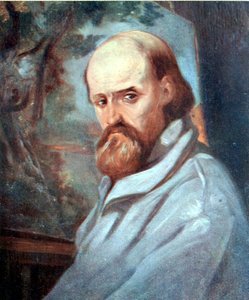
カローリ・マルコ・ザ・エルダー
1791 - 1860
基本情報
- Artistic Movement Or Style: ロマン主義
- Artists Or Movements Influenced By This Artist: ['ユジェーヌ・ドラクロワ']
- Artists Who Influenced This Artist:
- カール・ヴェルネ
- ルーベンス
- ゲラン
- Date Of Birth: 1791年9月26日
- Date Of Death: 1824年1月26日
- Full Name: テオドール・ジェリコ
- Nationality: フランス人
- Notable Artworks:
- メデューサ号の筏
- 突撃する猟犬
- Place Of Birth: ルーアン、フランス
関連記事
Károly Ferenczy: Pioneering Hungarian Modernism & the Soul of a Nation
Explore the life & art of Károly Ferenczy, a pivotal figure in Hungarian Modernism. Discover his landscapes, portraits, and role in founding the Nagybánya colony. Expert insights for collectors & enthusiasts.
Romantic Realism's Finest: 10 Masterpieces for Your Home | ArtsDot
Explore 10 defining masterpieces of Romantic Realism! Discover Courbet, Millet & Daumier's powerful paintings—capturing emotion and social realities. Find museum-quality reproductions for your home at ArtsDot.com.

19th Century Masterpieces: 10 Paintings That Defined an Era | ArtsDot
Journey through 19th century art with ArtsDot! Explore 10 iconic paintings – from Monet & Renoir to Courbet – and discover the stories behind Romanticism, Realism & Impressionism. Find museum-quality reproductions for your home decor. Explore the full collection online!
The Evocative Embrace of Reality: Exploring Romantic Realism in 19th-Century Painting
Explore the captivating world of Romantic Realism! Discover key artists like Courbet & Millet, masterpieces, and the social context behind this influential art movement. Expert insights for collectors at ArtsDot.

ロマン派ランドスケープ:時代を彩る巨匠の10選|アートとインテリアの世界
ロマン派絵画の時代を彩る10選。巨匠たちの風景が織りなす感動の世界へ。ターナー、ルーベンスなど、名作の裏話と高精細複製でアートをお部屋に。ArtsDot.comで至福のアート体験を。

