 プレビュー
プレビュー
 シェアする
シェアする シェアする
シェアする
 詳細を見る
詳細を見る

 ダウンロード
 似ている作品
 X線調査
X線調査 スライドショー
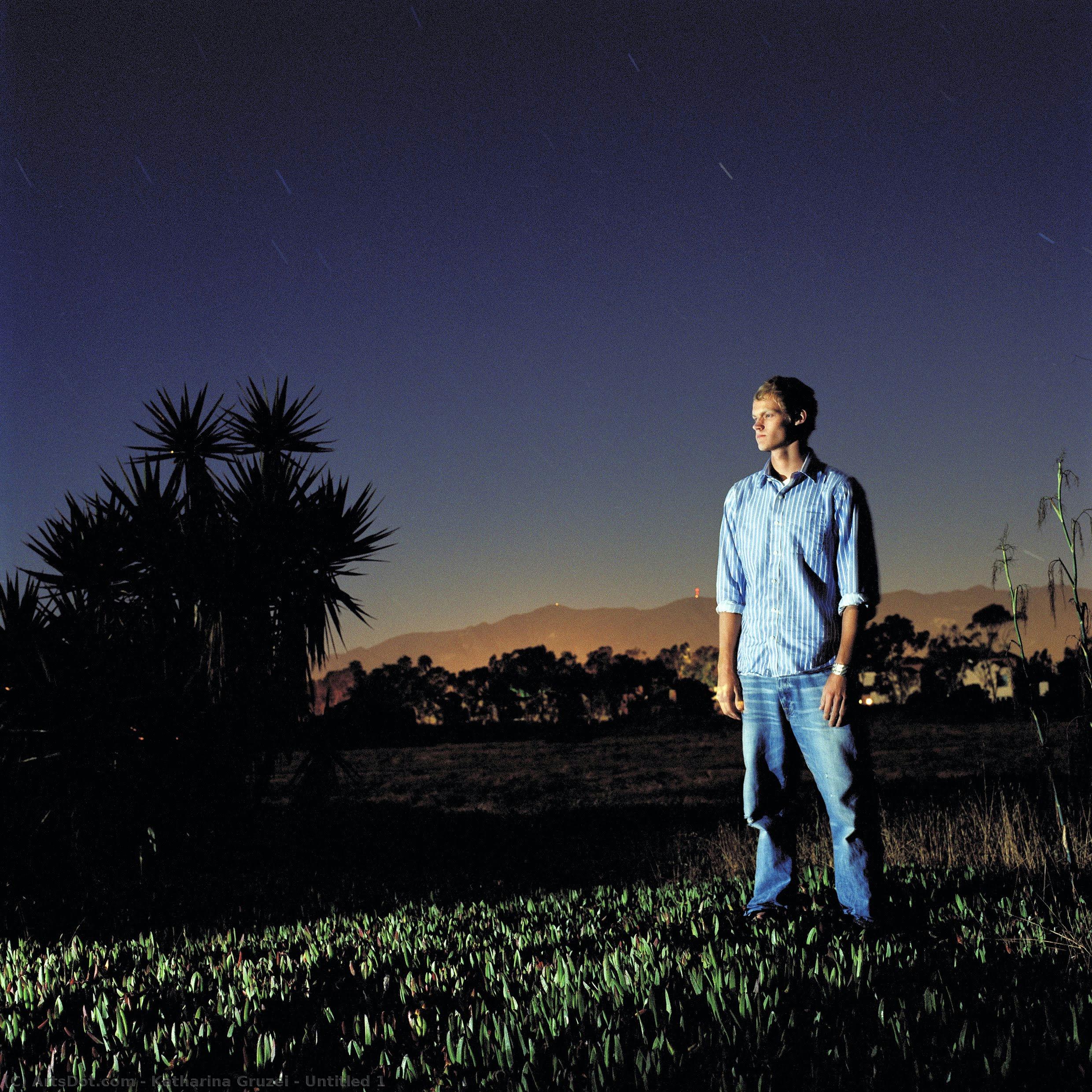
アンタイトル1
 キャンバスにアクリル絵具
- ウォールアート
- Contemporary Minimalism
 2009
2009 120.0 x 80.0 cm
 Lentos Kunstmuseum Linz
 詳細を見る
詳細を見る
ジークレー/アートプリント
迅速な制作と多彩な仕上げオプションを備えた、ミュージアムクオリティのジークレーまたはキャンバスプリント。 ( 手描きの絵画を購入 画像を購入)




P118B $10

P118H $10

P118W $10

P438Z $10

P508JH $12

P508YH $12

P805H $10

P805Z $10

P919BZ $10

P919G $10

P919XJ $10

P959ZH $10

P968JZ $12

W106C $8

W218G $10

W218JH $8

W218Y $10

W307PJ $10

W316G $10

W316PJ $8

W316Y $10

W398PJ $8

W4111J $10

W500HY $15

W500JH $15

W692G $12

W849H $8

W940BG $15

W953PJ $8




作品のオリジナル比率に合わせた、当店の規定サイズからお選びください。

特定のフレームやスペースに合わせて、ご自身でサイズを指定することも可能です。選択されたサイズが元の画像の比率と一致しない場合、作品をトリミングするか、鏡面反射または単色での塗りつぶしによって画像を拡張いたします。制作を開始する前に、ご確認用のデジタルモックアップをお送りいたします。
画面上のプレビューには、実際のトリミングや拡張は反映されませんのでご注意ください。最終的な構図を正確に確認できるのは、モックアップのみとなります。
カスタムサイズも承っておりますが、元の比率を維持するためには、あらかじめ用意されたリストからサイズを選択することをお勧めいたします。


 ガラスオプションは、110cm未満のサイズでのみご利用いただけます。

アンタイトル1
ジークレー/アートプリント
複製画のサイズ
-


合計金額
$ 62
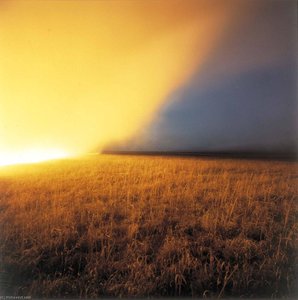
katharina gruzei の作品「アンタイトルド1」について
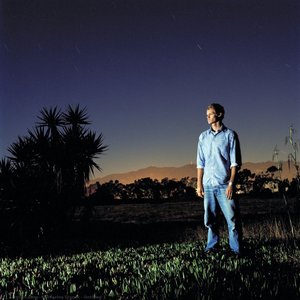
katharina gruzeiの絵画「アンタイトルド1」は、ニューヨークで活躍する現代アーティストの一人であり、その作品は静謐な美しさと深い精神性を表現しています。この作品は、夜空を見上げている男性の姿を捉えた黒と白の写真で構成されており、彼の視線はどこか遠く伸びていきました。周囲には緑豊かな棕櫚の木が立ち並び、シンプルな背景の中に力強いメッセージが込められています。 写真撮影における技術的な側面では、優れた光の取り込みとシャープな描写が可能でした。特に男性のシルエットは、夜空に広がる星々を意識しているかのような繊細さを表現しており、その表情はどこか孤独を感じさせます。この作品は、日常の中に潜む静かな感動を呼び起こし、見る人に深い瞑想へと誘います。 この絵画は、アメリカン・ストリートアートの影響を受けながらも、独自のスタイルで制作されています。特に男性の姿勢と視線は、バシャイアスの作品に見られる特徴的な表現であり、彼の芸術家としての哲学が反映されています。バシャイアスの作品は、社会に対する批判精神と同時に、人間の内面への探求を追求しており、「アンタイトルド1」もその精神を受け継いでいます。 さらにこの絵画には、時計というモチーフが含まれています。時計は時間経過の象徴であり、同時に人生における選択や機会を表しています。男性が時計を見上げている姿は、過去と未来の両方を意識しているかのような印象を与え、見る人に人生の意味について考えさせます。この時計の配置は、作品全体のバランスを保ちながらも、視覚的な興味を引きつけます。 「アンタイトルド1」は、単なる風景写真ではなく、人間の精神性を表現した芸術作品です。この絵画を通して、静寂の中で感動を呼び起こし、見る人に深い感動とインスピレーションを与えることができるでしょう。特にインテリアデザイナーやコレクターにとっては、洗練された空間に新たな魅力を加えるための優れた選択肢となるはずです。関連作品


アーティストの略歴
Jean-Michel Basquiat: A Voice From the Streets and Beyond
Jean-Michel Basquiat’s story is one of astonishing speed, meteoric rise, and tragically premature end – a whirlwind journey from the gritty streets of Brooklyn to the hallowed halls of the art world. Born in 1960 to Haitian and Puerto Rican parents, his early life was marked by movement and uncertainty, culminating in a teenage exodus to Lower Manhattan where he immersed himself in the vibrant, rebellious culture of New York’s downtown scene. This formative period, steeped in graffiti, punk rock, and a burgeoning sense of social awareness, would profoundly shape his artistic vision and become the bedrock upon which his iconic style was built.
Initially known as SAMO – an abbreviation for “same old, same old” – Basquiat began tagging walls with cryptic statements alongside fellow artists like Al Diaz. These early works, often incorporating poetry and social commentary, established a unique voice and laid the groundwork for his later explorations of identity, power dynamics, and cultural critique. The "Times Square Show" in 1980, a collaborative exhibition featuring SAMO’s work, catapulted him into the spotlight, attracting the attention of art critics and collectors alike. It was here that Basquiat began to transition from street art to canvas, embracing a more formal artistic practice while retaining the raw energy and subversive spirit of his earlier graffiti.
The Rise of Neo-Expressionism and Market Forces
By 1981, Basquiat’s paintings were gaining significant recognition. The influential article “The Radiant Child” in *Rolling Stone* magazine, written by critic Rene Ricard, solidified his position as a rising star, describing him not simply as a painter but as an "individual" – a concept that resonated deeply within the rapidly evolving art market of the 1980s. This period coincided with a surge in interest in large-scale painting and a shift away from minimalist aesthetics, giving rise to Neo-Expressionism. Basquiat’s work perfectly embodied this movement, characterized by bold colors, expressive brushstrokes, and a willingness to confront difficult subjects.
His art was not merely aesthetic; it was deeply rooted in social commentary. He grappled with issues of race, class, and representation, often incorporating elements of African history, mythology, and Black culture into his compositions. As critic Ricard noted, Basquiat was acutely aware of the complexities of his position within the art world – simultaneously celebrated for his talent and subjected to stereotypes and tokenization. His work became a direct challenge to these contradictions, demanding recognition not just as an artist but as a person with a unique perspective.
A Visual Language of Symbols and References
Basquiat’s visual language was remarkably complex and layered, drawing on a diverse range of influences. His paintings frequently featured anatomical diagrams alongside text – lists, inventories, names, and phrases – creating a chaotic yet strangely coherent tapestry of information. These elements were often juxtaposed with symbols derived from African art, pop culture, and personal experiences. He employed techniques borrowed from jazz improvisation—building upon multiple references to create expansive, gestural compositions.
The artist’s use of words was particularly significant. He didn't simply decorate his canvases with text; he integrated it as a crucial component of the artwork itself, inviting viewers to decipher its meaning and engage in a dialogue with the work. Many of his images possessed multiple layers of interpretation, some deliberately ambiguous, others explicitly critical. He sought collisions of imagery and words, recreating the experience of navigating a world brimming with both excitement and oppression.
Legacy and Enduring Significance
Despite his tragically short life – he died in 1988 at the age of twenty-seven from a heroin overdose – Jean-Michel Basquiat’s impact on the art world is immeasurable. His work continues to be exhibited, studied, and collected with increasing fervor, and his influence can be seen in countless contemporary artists. The market for his paintings has soared over the decades, with works selling for tens of millions of dollars at auction – a testament to the enduring power of his vision.
Basquiat’s legacy extends beyond the realm of art; he remains a potent symbol of artistic rebellion, social critique, and the struggle for recognition. His story serves as a reminder of the complexities of fame, the challenges faced by marginalized artists, and the transformative potential of creative expression. His paintings are not just beautiful objects; they are windows into a turbulent era and a profound meditation on identity, history, and the human condition.

katharina gruzei
1982 - , Austria
基本情報
- Artistic Movement Or Style: Neo-Expressionism
- Artists Or Movements Influenced By This Artist:
- Jazz
- African art
- Artists Who Influenced This Artist:
- Andy Warhol
- Graffiti artists
- Date Of Birth: 1960
- Date Of Death: 1988
- Full Name: Jean-Michel Basquiat
- Nationality: American
- Notable Artworks:
- Untitled (1982)
- Dustheads
- Echoes in the Rain
- Place Of Birth: Brooklyn, New York
関連記事

葛飾北斎:25の傑作が語る浮世絵の世界 - ArtsDot
葛飾北斎の25選:『神奈川沖浪裏』や『富嶽三十六景』など、浮世絵の世界を深く探求。木版画の技法と日本美術の美をArtsDotで。高品質なアートプリントで空間に感動を。コレクションはこちら。

ジョン・コンスタブルの傑作25選:英国風景画の巨匠が描く自然と光の詩 | ArtsDot
ジョン・コンスタブルの傑作25選。英国風景画の巨匠が描く自然と光の詩の世界へ。ロマン主義を代表する絵画、デダム・ヴェールやヘイ・ウェインなど、ArtsDotで高品質なアートプリントをお楽しみください。インテリアに深みと感動を。コレクションはこちら。

ロマン派ランドスケープ:時代を彩る巨匠の10選|アートとインテリアの世界
ロマン派絵画の時代を彩る10選。巨匠たちの風景が織りなす感動の世界へ。ターナー、ルーベンスなど、名作の裏話と高精細複製でアートをお部屋に。ArtsDot.comで至福のアート体験を。

Giclée Prints: Archival Quality & Aesthetic Nuances for the Discerning Collector
Explore the world of giclée prints with ArtsDot. Learn about archival quality, aesthetic nuances & investment potential. Expert guidance for discerning art collectors seeking museum-quality reproductions and lasting value.

Dark Masterpieces: 10 Iconic Paintings Dominated by Black Tones |
Explore 10 iconic paintings dominated by black tones, from Rembrandt’s chiaroscuro to Goya's dark expressions. Discover the stories behind these masterpieces & find museum-quality art reproductions for your home at .