

 プレビュー
プレビュー
 シェアする
シェアする シェアする
シェアする
 詳細を見る
詳細を見る

 ダウンロード
 似ている作品
 X線調査
X線調査 スライドショー
 統計情報
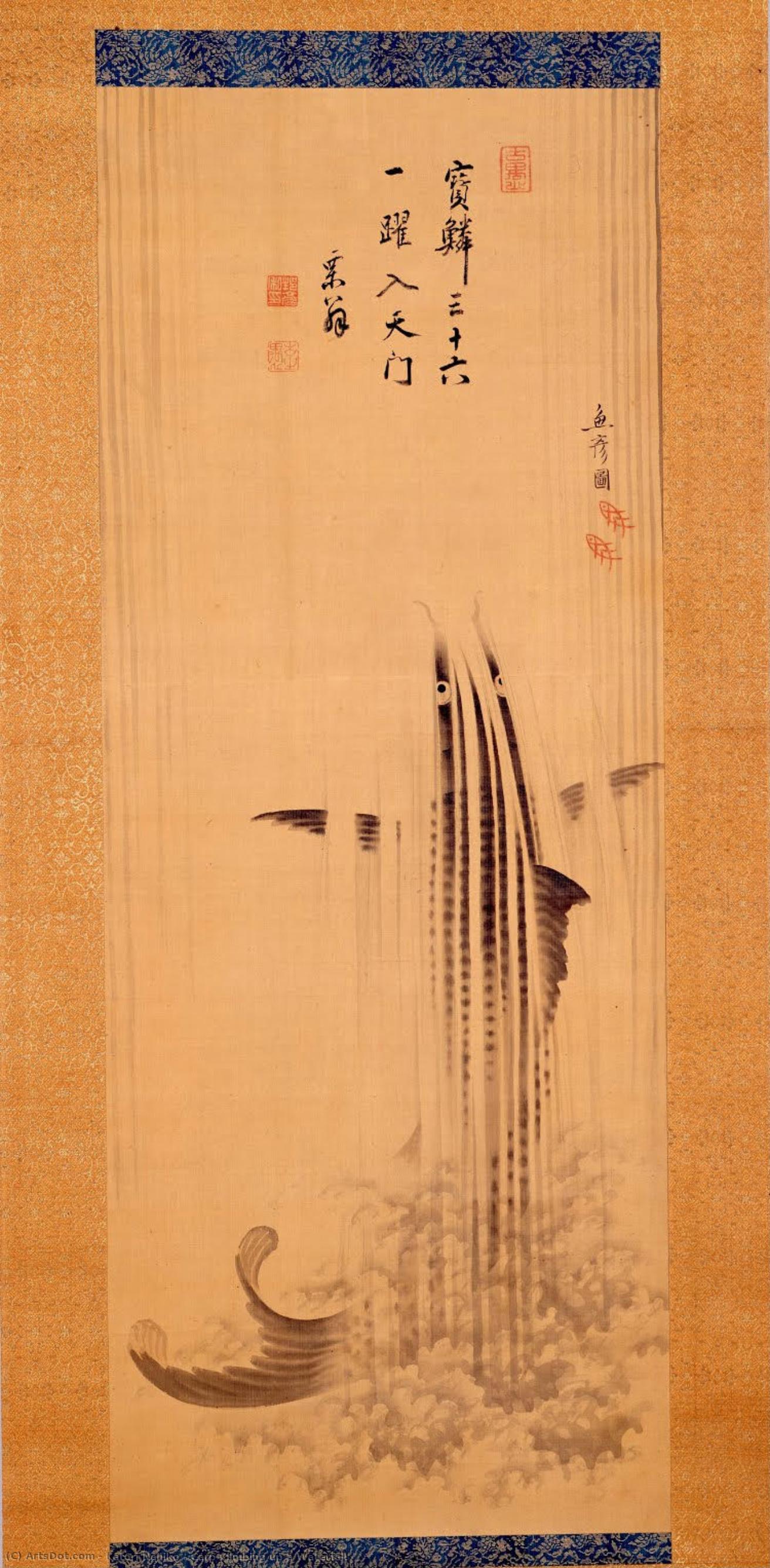
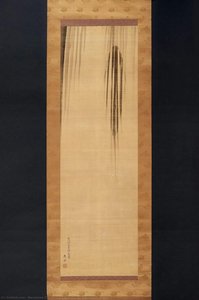
統計情報Carp Climbing up a Waterfall

 詳細を見る
詳細を見る
手描き油彩複製画
当社のアーティストが、お客様のご希望のサイズと額縁に合わせて、キャンバスに手描きで制作する油彩画です。 ( プリント版に切り替え デジタル画像販売へ切り替え)




































作品のオリジナル比率に合わせた、当店の規定サイズからお選びください。

特定のフレームやスペースに合わせて、ご希望のサイズをご入力いただけます。選択されたサイズが元の画像の比率と異なる場合、アートワークをトリミングするか、手描きで要素を追加して絵画を拡張いたします。デジタルモックアップ を制作し、制作開始前にご確認(承認)をいただきます。
画面上のプレビューは、実際のトリミングや拡張を正確に反映しているものではありません。最終的な構図は、モックアップによってのみ正確にご確認いただけます。
カスタムサイズもご利用いただけますが、元の比率を維持するためには、あらかじめ用意されたリストからサイズを選択することをお勧めいたします。
ご注文後、ArtsDot.com チームより詳細な指示をお送りするとともに、仕上がりイメージ(モックアップ)をご提供いたします。


 ガラスオプションは、110cm未満のサイズでのみご利用いただけます。

Carp Climbing up a Waterfall
複製技法
複製画のサイズ
-


合計金額
$ 263
関連作品





アーティストの略歴
The Soulful Depiction of Fish: The Life and Legacy of Katori Nahiko
In the vibrant, shifting landscape of Japan’s mid-Edo period, few figures possessed the multidisciplinary depth of Katori Nahiko (also known as Nabiko). Born on April 6th, 1723, in the town of Sawara, Nahiko was a man whose identity was woven from the threads of philosophy, poetry, and painting. His life was defined by a profound tension between the changing tides of a nation grappling with Western influences and a steadfast devotion to the refined, classical traditions of Kyoto. Though born into a family of textile craftsmen—an upbringing that gifted him with an enduring eye for texture and meticulous detail—his spirit sought the more ethereal realms of kokugaku (the study of classical Japanese texts) and the lyrical beauty of waka poetry.
The early years of Nahiko’s life were marked by a poignant loss that would later inform the emotional resonance of his work. The death of his father when he was only six years old instilled in him a resilient, contemplative nature. This period of hardship led him toward scholarly pursuits under the guidance of Takebe Ayatari, a monumental figure in Kyoto’s artistic circles. Through this mentorship, Nahiko did not merely learn to paint; he learned to observe the world with a scholar's precision and a poet's heart. His intellectual journey was further enriched by his engagement with the teachings of Kamo no Mabuchi, whose influence steered Nahiko toward the rhythmic elegance of classical Japanese verse, a discipline that would eventually bleed into the very brushstrokes of his canvases.
A Mastery of Nature and Symbolism
While many artists of his era sought fame through grand historical narratives or the bustling scenes of urban life, Katori Nahiko found his true voice in the quiet, rhythmic movements of the natural world. He is most celebrated for his captivating portrayal of fish, a motif that serves as the heartbeat of his oeuvre. To look upon a Nahiko painting is to witness more than mere biological observation; it is to encounter a symbolic language where the fluidity of water and the silver flash of scales reflect the transient beauty of existence. His technique was characterized by subtle, nuanced brushstrokes that captured the essence of life, conveying deep emotion through the simplest of forms.
His artistic development was marked by a transition from the scholarly to the professional, a move solidified in 1765 when he relocated to Edo. By establishing a studio near the residence of Kamo no Mabuchi, he positioned himself at the epicenter of Japan's intellectual elite, bridging the gap between the traditional aesthetics of Kyoto and the burgeoning energy of the capital. This period of his life allowed him to refine a style that was both intellectually rigorous and aesthetically sensitive, ensuring that his work remained rooted in the Nanga tradition—a style emphasizing serene landscapes and the meticulous observation of nature.
Legacy and Artistic Influence
The significance of Katori Nahiko extends far beyond his own completed works; his true legacy lies in the lineage of artists he nurtured. Perhaps his most notable pupil was Kubo Shunman, a master of late Edo period art who inherited Nahiko’s foundational principles of harmony and naturalism. Through this mentorship, Nahiko’s emphasis on the connection between humanity and the environment was passed down to a new generation, influencing the evolution of Ukiyo-e and the delicate balance of color and composition seen in later masters.
Ultimately, Katori Nahiko remains a singular figure in Japanese art history—a philosopher-painter who used the medium of ink and brush to explore the depths of the soul. His ability to marry the scholarly precision of kokugaku with the lyrical grace of poetry created a body of work that continues to resonate. He did not merely paint fish; he captured the very pulse of life, leaving behind an artistic echo that still whispers of the refined elegance and profound spiritual depth of old Kyoto.
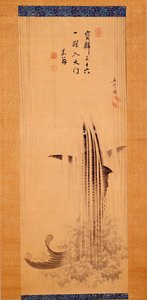
Katori Nahiko
1723 - 1782 , Japan
基本情報
- Artistic Movement Or Style: Kyoto aesthetics
- Artists Or Movements Influenced By This Artist: ['Kamo no Mabuchi']
- Artists Who Influenced This Artist: ['Takebe Ayatari']
- Date Of Birth: April 6, 1723
- Full Name: Katori Nahiko
- Nationality: Japanese
- Notable Artworks: ['Carp Climbing up a Waterfall']
- Place Of Birth: Sawara, Japan