

 プレビュー
プレビュー
 プリントを購入
 シェアする
シェアする シェアする
シェアする
 詳細を見る
詳細を見る

 ダウンロード
 似ている作品
 X線調査
X線調査 スライドショー
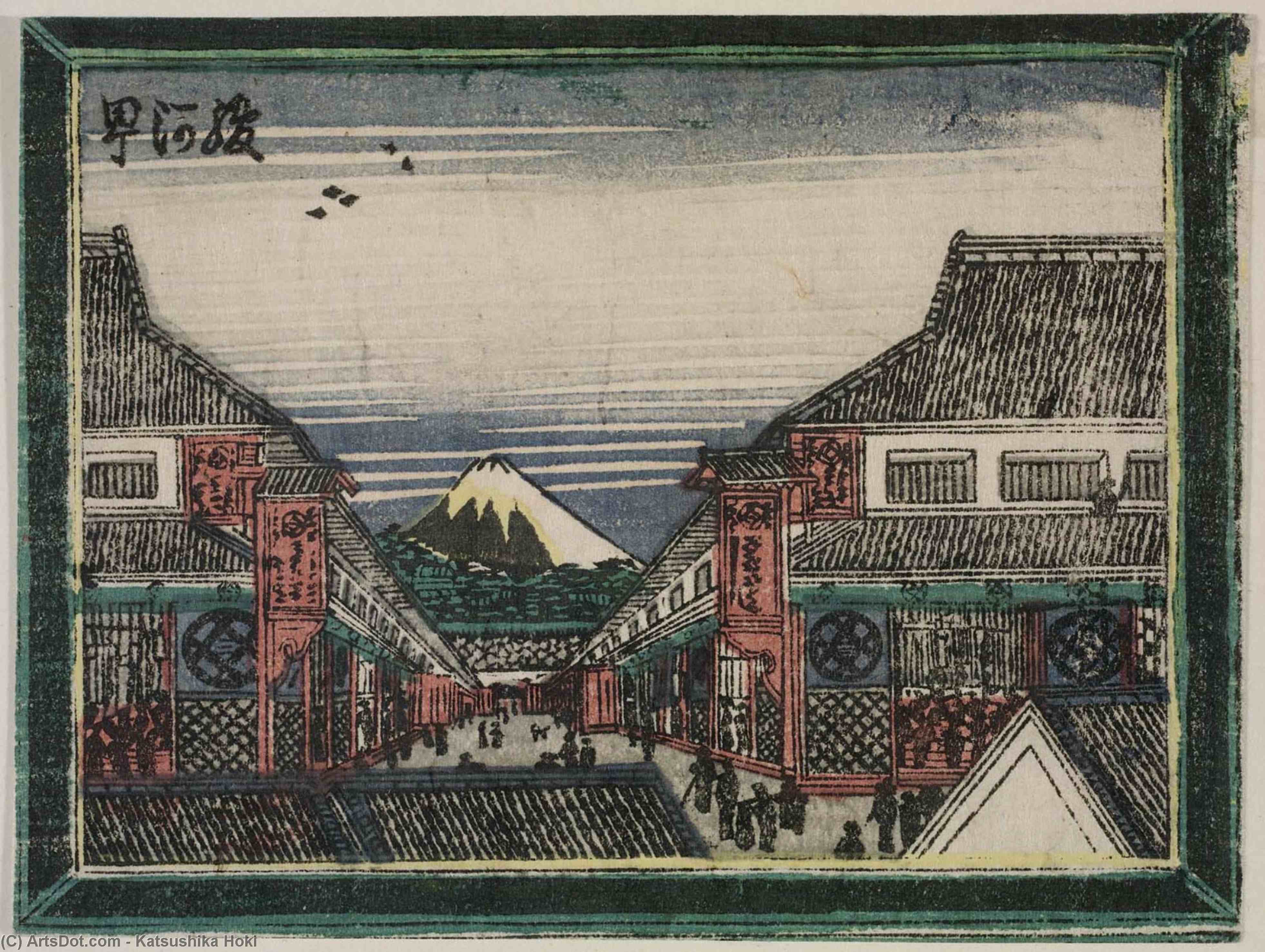
富士山を見渡す駿河


 詳細を見る
詳細を見る
オンラインプレビューをはるかに凌ぐ、高解像度で鮮明なデジタル画像をご購入いただけます。
各ファイルは、社内の専門家が高度なツールと熟練した手作業によるレタッチを用いて、細心の注意を払って準備されています。すべての画像において、卓越した鮮明度、正確な色彩再現性、そして繊細なディテールを保証いたします。
最終ファイルは、プロフェッショナルな編集・印刷環境ですぐにご利用いただけるよう最適化された状態で、72時間以内にメールにてお届けいたします。これは、一流のデザインスタジオ、出版社、ギャラリーから信頼されているものと同等の品質です。
デジタル画像のご注文に付随する特典
高品質なデジタル画像配信を、確かな品質で。
ArtsDot.com を選ぶことは、単に画像を手に入れることではありません。それは、プロの手によって精密に仕上げられ、満足保証が付いた高品質なデジタルアートワークを受け取ることを意味します。ご注文いただいた際に自動的に付随する内容は、以下の通りです:

メールですぐにお届け
ご注文から72時間以内に、高解像度のデジタル画像ファイルがメールでお手元に届きます。すぐにそのままご利用いただけます。

AI技術で最適化されたデジタルファイル
お客様の作品は、高度なAIツールと専門家による手作業の編集を組み合わせてプロフェッショナルに最適化されており、細部のディテール、鮮明さ、そして正確な色再現性を最大限に引き出しています。

一生涯無料の再送サービス
ファイルを誤って削除したり、紛失してしまったりしましたか?ご安心ください。いつでも無料で再送いたします。

輸入手数料は一切かかりません
関税や手数料、配送料を気にすることなく、お気に入りのアートワークをすぐにお楽しみいただけます。デジタルダウンロードは常に免税です。

色彩再現の保証
プロ仕様のツールとカラーマネジメント技術を用いることで、デジタル画像が元の色を最大限に忠実に再現することを保証いたします。

60日間満足保証
ご購入いただいたデジタル画像にご満足いただけない場合は、60日以内であれば、修正または100%の返金(理由を問う必要はありません)をさせていただきます。

100% 返金保証
ご満足いただけない場合は、デジタルファイルを受け取ってから60日以内であれば、理由を問わず全額返金いたします。

まとめ買い割引
3枚購入で10%OFF - 5枚購入で15%OFF - 10枚以上購入で20%OFF。クリエイティブなプロジェクト、ギャラリー、エージェンシーに最適です。
Mount Fuji Seen From Suruga Bay: A Meditation on Eternity
Katsushika Hokusai’s *Suruga-chô*, translated as “Mount Fuji Seen From Suruga Bay,” stands as a cornerstone of Japanese landscape painting and arguably one of the most recognizable images in Western art history. Created during his prolific output spanning nearly nine decades, this monumental woodblock print encapsulates not merely a depiction of nature but also a profound meditation on impermanence—a concept central to Zen Buddhism and deeply ingrained within Japanese culture.
The painting itself presents a breathtaking panorama of Suruga Bay, showcasing Mount Fuji majestically rising above the turbulent ocean. Unlike many depictions of Fuji that emphasize its grandeur and power, *Suruga-chô* adopts a deliberately understated approach. The artist eschews dramatic lighting or exaggerated perspective, favoring instead a subtle tonal gradation that conveys the feeling of atmospheric haze—a technique meticulously executed by Hokusai’s workshop.
- Style: Impressionistic Landscape
- Technique: Ukiyo-e Woodblock Printing – Specifically, chubunken (underglaze color printing), a method renowned for its ability to achieve remarkable detail and tonal subtlety. Layers of ink—including Prussian blue pigment, an accidental discovery that revolutionized Japanese printmaking—are applied to the woodblocks before being pressed onto paper.
- Historical Context: Produced during Hokusai’s “Thirty-Six Views of Mount Fuji” series (1830-1832), *Suruga-chô* reflects the anxieties and aspirations of Edo society grappling with the looming threat of Western influence. The print served as a powerful symbol of resilience—a reminder that even amidst external pressures, beauty and contemplation could endure.
Beyond its technical mastery, *Suruga-chô*'s enduring appeal lies in its evocative symbolism. Mount Fuji itself represents eternity and spiritual enlightenment—a beacon of constancy against the ceaseless flow of time. The turbulent sea symbolizes the unpredictable nature of life, mirroring the Buddhist concept of samsara—the cycle of birth, death, and rebirth. Yet, despite the apparent chaos depicted on the surface, the print exudes a sense of serene harmony; the careful placement of figures—representing pilgrims embarking on a pilgrimage to venerate Fuji—underscores the importance of inner peace amidst external challenges.
The emotional impact of *Suruga-chô* is palpable. It invites viewers to contemplate the sublime beauty of the natural world while simultaneously prompting reflection on existential questions. Its muted palette and masterful composition create a meditative experience, transporting the observer to the shores of Suruga Bay and fostering a connection with the timeless spirit of Japan.
Reproductions of *Suruga-chô* offer an exceptional opportunity to bring this iconic artwork into any interior space. High-quality prints capture the subtle nuances of Hokusai’s original technique, allowing collectors and designers alike to appreciate the enduring legacy of a true artistic visionary.
Artist Background: Katsushika Hokusai (1760 – 1849) was born in Edo (modern Tokyo), Japan. His early life was marked by hardship—his father, Nakajima Ise, struggled to provide for his family as a mirror maker—yet Hokusai possessed an unwavering determination to pursue artistic excellence. He began drawing at the age of six and honed his skills relentlessly throughout his lifetime, experimenting with diverse styles and mediums.
Technique Details: The print’s breathtaking realism is achieved through chubunken (underglaze color printing), a revolutionary technique developed during Hokusai's era. Skilled artisans meticulously carve intricate designs onto wooden blocks—typically cedar—before applying layers of ink, starting with Prussian blue pigment—a serendipitous discovery that dramatically expanded the palette available to Ukiyo-e artists.
Symbolic Significance: *Suruga-chô* embodies core tenets of Zen Buddhism. The depiction of Mount Fuji symbolizes enlightenment and permanence, representing a steadfast presence amidst the transient nature of existence. Simultaneously, the turbulent sea reflects samsara—the cyclical process of birth, death, and rebirth—highlighting the importance of accepting change while maintaining inner tranquility.
Historical Context: Created during Hokusai’s “Thirty-Six Views of Mount Fuji” series (1830–1832), *Suruga-chô* emerged against a backdrop of increasing Western influence in Japan. The print served as a powerful emblem of resilience—a testament to the enduring beauty and contemplative spirit of Japanese culture.
関連作品
作家の略歴
葛飾北斎:浮世絵を超えた、時代と世界を映した巨匠
江戸時代の美術を語る上で、葛飾北斎(1760年~1849年)の名は欠かせない。その代表作『神奈川沖浪裏』は、今や日本を象徴するアイコンとして世界中で愛され、多くの人々に感動を与え続けている。しかし、北斎の芸術的探求は、単なる浮世絵師という枠を超えた、時代と世界との対話の軌跡であり、その生涯と作品群を深く理解することで、日本の美術史における彼の真価が明らかになるだろう。幼少期から絵を描く才能を発揮し、12歳で父の後を継ぎ、その後、浮世絵師勝川春洲の門下に入り、版画技術や役者絵などの基礎を学んだ北斎は、伝統的な浮世絵の世界に留まることなく、常に新しい表現方法を模索し続けた。変革と探求:多様な才能が開花する
春洲の弟子時代を経て、北斎は独自の道を歩み始める。役者絵から風景画へと主題を変え、大胆な構図や斬新な色彩感覚で、従来の浮世絵の枠を超えた作品を生み出した。特に注目すべきは、『富嶽三十六景』である。富士山を様々な角度から捉え、季節や時間帯の変化を描き出すこのシリーズは、北斎の風景画における卓越した技術と、自然に対する深い愛情を示すとともに、当時の旅行ブームに乗った作品群でもあった。また、『北斎漫画』は、人物、動物、風景など、多岐にわたるモチーフをスケッチブック形式で収録したものであり、その自由な発想と卓越した観察眼がうかがえる。この作品群は、後の漫画文化の源流とも言える存在であり、北斎の芸術的影響力の広がりを示す好例である。西洋絵画との邂逅:新たな表現への挑戦
北斎の芸術に大きな転換をもたらしたのは、オランダ絵画などの西洋美術との出会いだった。漂流物の持ち込みによって日本に入ってきたこれらの作品は、北斎に遠近法や陰影表現といった新しい技法を学ばせ、彼の作品に革新的な変化をもたらした。特に遠近法の導入は、浮世絵の構図に大きな影響を与え、奥行きのある風景描写を可能にした。また、西洋の色彩感覚も北斎の作品に取り入れられ、より鮮やかで豊かな色彩表現が実現された。これらの要素が融合することで、北斎の作品は、日本の伝統美と西洋の革新性が融合した、独創的な芸術へと昇華していったのである。後世への遺産:世界に影響を与えた巨匠
北斎の作品は、単なる美術作品としてだけでなく、文化的な交流の象徴としても重要な意味を持つ。19世紀後半になると、日本の美術品が欧米で人気を博し、「ジャポニスム」と呼ばれる現象が起こった。モネやドガといった印象派の画家たちは、北斎の作品から構図や色彩感覚、装飾性などを学び、自身の作品に取り入れ、その影響は絵画だけでなく、版画、デザインなど、様々な分野に及んだ。北斎の芸術は、東西文化の架け橋となり、世界中の人々に感動とインスピレーションを与え続けている。晩年は、90歳を超えるまで精力的に制作活動を続け、「老若中外無有乎(どんな年齢の人にも、あらゆる国の人にも、誰もが持っているもの)」という言葉に象徴されるように、北斎の芸術は、時代を超えて人々の心に深く刻まれ、今なおその輝きを失っていない。北斎の足跡:生涯と作品から読み解く
- 主な影響を受けた画家: 勝川春洲, 中国の山水画
- 代表作: 『富嶽三十六景』、『神奈川沖浪裏』、『北斎漫画』
- 晩年の言葉: 「老若中外無有乎」
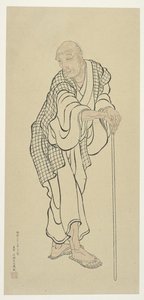
葛飾北斎 (Katsushika Hokusai)
1760 - 1849 , 日本
プロフィール概要
- フルネーム: 葛飾北斎
- 主な作品:
- 富嶽三十六景
- 神奈川沖浪裏
- 北斎漫画
- 出身地: 日本、東京都
- 国籍: 日本
- 影響を与えたアーティスト:
- 印象派
- ゴッホ
- 影響を受けたアーティスト: ['中国の山水画']
- 没年月日: 1849年5月10日
- 生年月日: 1760年10月31日
- 芸術運動またはスタイル: 浮世絵

