 プレビュー
プレビュー
 プリントを購入
 シェアする
シェアする シェアする
シェアする
 詳細を見る
詳細を見る

 ダウンロード
 似ている作品
 X線調査
X線調査 スライドショー
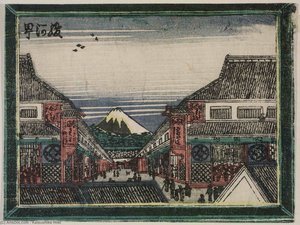
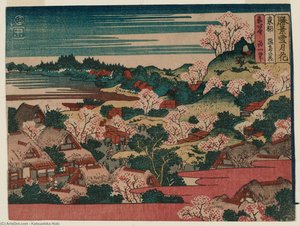
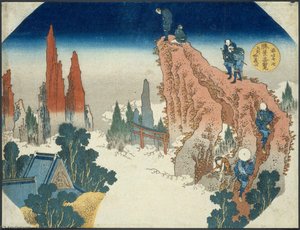
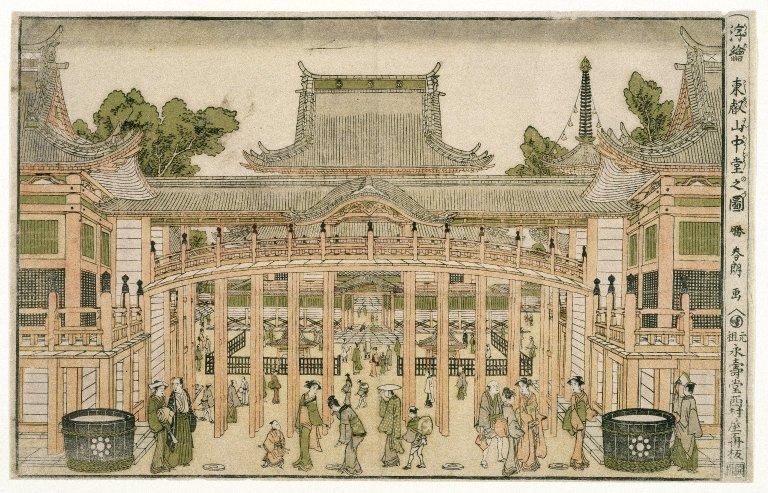
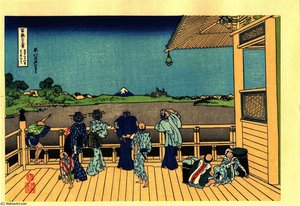
Inside the Courtyard of the Toeizan Temple at Ueno
 Woodblock Print
- Ukiyo-e
 1786
1786- Early Modern
 24.0 x 37.0 cm
 詳細を見る
詳細を見る




P118B $10

P118H $10

P118W $10

P438Z $10

P508JH $12

P508YH $12

P805H $10

P805Z $10

P919BZ $10

P919G $10

P919XJ $10

P959ZH $10

P968JZ $12

W106C $8

W218G $10

W218JH $8

W218Y $10

W307PJ $10

W316G $10

W316PJ $8

W316Y $10

W398PJ $8

W4111J $10

W500HY $15

W500JH $15

W692G $12

W849H $8

W940BG $15

W953PJ $8




作品のオリジナル比率に合わせた、当店の規定サイズからお選びください。

特定のフレームやスペースに合わせて、ご希望のサイズをご入力いただけます。選択されたサイズが元の画像の比率と異なる場合、アートワークをトリミングするか、手描きで要素を追加して絵画を拡張いたします。デジタルモックアップ を制作し、制作開始前にご確認(承認)をいただきます。
画面上のプレビューは、実際のトリミングや拡張を正確に反映しているものではありません。最終的な構図は、モックアップによってのみ正確にご確認いただけます。
カスタムサイズもご利用いただけますが、元の比率を維持するためには、あらかじめ用意されたリストからサイズを選択することをお勧めいたします。
ご注文後、ArtsDot.com チームより詳細な指示をお送りするとともに、仕上がりイメージ(モックアップ)をご提供いたします。


 ガラスオプションは、110cm未満のサイズでのみご利用いただけます。

Inside the Courtyard of the Toeizan Temple at Ueno
複製技法
複製画のサイズ
-


合計金額
$ 438
Inside the Courtyard of the Toeizan Temple at Ueno: A Glimpse into Edo Japan
Katsushika Hokusai's Inside the Courtyard of the Toeizan Temple at Ueno, created in 1786, offers a captivating window into the vibrant life and architectural beauty of Edo-period Japan. This woodblock print is more than just a depiction of a temple; it’s a snapshot of daily life, religious observance, and artistic mastery within a specific historical context.
Artistic Style and Technique: Ukiyo-e Mastery
The artwork exemplifies the Ukiyo-e art movement, which flourished from the 17th to the 19th centuries. "Ukiyo-e" translates to “pictures of the floating world,” reflecting a focus on capturing fleeting moments and scenes from everyday life—landscapes, cityscapes, actors, courtesans, and more. Hokusai was a master of this style, renowned for his bold lines, vibrant colors (achieved through layered woodblock printing), and meticulous attention to detail. The print itself is created using the woodblock technique: intricate designs are carved into wooden blocks, inked, and then pressed onto paper. This process allows for multiple prints from a single design, making Ukiyo-e accessible to a wider audience.
Historical Context and Setting
The scene unfolds within the courtyard of the Toeizan Temple at Ueno in Edo (modern-day Tokyo). The Toeizan Temple, dedicated to the bodhisattva Kannon, was an important religious site. The print’s creation during the late 18th century places it within a period of relative peace and prosperity for Japan under the Tokugawa shogunate. This era saw increased urbanization and a burgeoning merchant class, leading to greater leisure time and demand for entertainment—a key factor in the popularity of Ukiyo-e prints. The bustling courtyard scene reflects this dynamic social environment.
Symbolism and Composition
Beyond its visual appeal, Inside the Courtyard of the Toeizan Temple at Ueno is rich with symbolism. The temple itself represents spiritual refuge and connection to the divine. The numerous figures—monks, officials, commoners—depict a microcosm of Edo society, engaged in various activities. The composition utilizes layered perspectives and overlapping elements, characteristic of Ukiyo-e, creating depth without relying on traditional Western perspective techniques. Notice how Hokusai uses architectural lines to guide the viewer's eye through the scene, emphasizing order and harmony within the bustling courtyard.
Emotional Impact and Legacy
The print evokes a sense of tranquility amidst activity. The muted color palette—primarily browns, greens, and ochres—creates a calming atmosphere, while the detailed depiction of the architecture and figures conveys a feeling of reverence and respect for tradition. Hokusai’s Inside the Courtyard of the Toeizan Temple at Ueno remains a testament to his artistic skill and provides valuable insight into Edo-period Japanese culture. It continues to inspire art lovers and collectors worldwide, demonstrating the enduring power of Ukiyo-e prints.
関連作品
アーティストの略歴
葛飾北斎:浮世絵を超えた、時代と世界を映した巨匠
江戸時代の美術を語る上で、葛飾北斎(1760年~1849年)の名は欠かせない。その代表作『神奈川沖浪裏』は、今や日本を象徴するアイコンとして世界中で愛され、多くの人々に感動を与え続けている。しかし、北斎の芸術的探求は、単なる浮世絵師という枠を超えた、時代と世界との対話の軌跡であり、その生涯と作品群を深く理解することで、日本の美術史における彼の真価が明らかになるだろう。幼少期から絵を描く才能を発揮し、12歳で父の後を継ぎ、その後、浮世絵師勝川春洲の門下に入り、版画技術や役者絵などの基礎を学んだ北斎は、伝統的な浮世絵の世界に留まることなく、常に新しい表現方法を模索し続けた。変革と探求:多様な才能が開花する
春洲の弟子時代を経て、北斎は独自の道を歩み始める。役者絵から風景画へと主題を変え、大胆な構図や斬新な色彩感覚で、従来の浮世絵の枠を超えた作品を生み出した。特に注目すべきは、『富嶽三十六景』である。富士山を様々な角度から捉え、季節や時間帯の変化を描き出すこのシリーズは、北斎の風景画における卓越した技術と、自然に対する深い愛情を示すとともに、当時の旅行ブームに乗った作品群でもあった。また、『北斎漫画』は、人物、動物、風景など、多岐にわたるモチーフをスケッチブック形式で収録したものであり、その自由な発想と卓越した観察眼がうかがえる。この作品群は、後の漫画文化の源流とも言える存在であり、北斎の芸術的影響力の広がりを示す好例である。西洋絵画との邂逅:新たな表現への挑戦
北斎の芸術に大きな転換をもたらしたのは、オランダ絵画などの西洋美術との出会いだった。漂流物の持ち込みによって日本に入ってきたこれらの作品は、北斎に遠近法や陰影表現といった新しい技法を学ばせ、彼の作品に革新的な変化をもたらした。特に遠近法の導入は、浮世絵の構図に大きな影響を与え、奥行きのある風景描写を可能にした。また、西洋の色彩感覚も北斎の作品に取り入れられ、より鮮やかで豊かな色彩表現が実現された。これらの要素が融合することで、北斎の作品は、日本の伝統美と西洋の革新性が融合した、独創的な芸術へと昇華していったのである。後世への遺産:世界に影響を与えた巨匠
北斎の作品は、単なる美術作品としてだけでなく、文化的な交流の象徴としても重要な意味を持つ。19世紀後半になると、日本の美術品が欧米で人気を博し、「ジャポニスム」と呼ばれる現象が起こった。モネやドガといった印象派の画家たちは、北斎の作品から構図や色彩感覚、装飾性などを学び、自身の作品に取り入れ、その影響は絵画だけでなく、版画、デザインなど、様々な分野に及んだ。北斎の芸術は、東西文化の架け橋となり、世界中の人々に感動とインスピレーションを与え続けている。晩年は、90歳を超えるまで精力的に制作活動を続け、「老若中外無有乎(どんな年齢の人にも、あらゆる国の人にも、誰もが持っているもの)」という言葉に象徴されるように、北斎の芸術は、時代を超えて人々の心に深く刻まれ、今なおその輝きを失っていない。北斎の足跡:生涯と作品から読み解く
- 主な影響を受けた画家: 勝川春洲, 中国の山水画
- 代表作: 『富嶽三十六景』、『神奈川沖浪裏』、『北斎漫画』
- 晩年の言葉: 「老若中外無有乎」
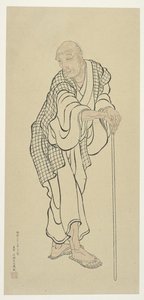
葛飾北斎 (Katsushika Hokusai)
1760 - 1849 , 日本
基本情報
- フルネーム: 葛飾北斎
- 主な作品:
- 富嶽三十六景
- 神奈川沖浪裏
- 北斎漫画
- 出身地: 日本、東京都
- 国籍: 日本
- 影響を与えたアーティスト:
- 印象派
- ゴッホ
- 影響を受けたアーティスト: ['中国の山水画']
- 没年月日: 1849年5月10日
- 生年月日: 1760年10月31日
- 芸術運動またはスタイル: 浮世絵
関連記事

葛飾北斎:25の傑作が語る浮世絵の世界 - ArtsDot
葛飾北斎の25選:『神奈川沖浪裏』や『富嶽三十六景』など、浮世絵の世界を深く探求。木版画の技法と日本美術の美をArtsDotで。高品質なアートプリントで空間に感動を。コレクションはこちら。
Ukiyo-e: Exploring Japan's Floating World & Enduring Artistic Legacy
Explore the captivating world of Ukiyo-e – Japan's iconic woodblock prints! Discover masters like Hokusai & Hiroshige, learn about Edo period culture, and find expert art collecting guidance at ArtsDot.
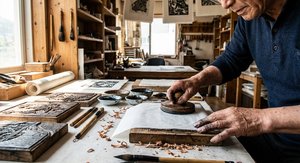
The Enduring Legacy of Woodblock Printmaking: Technique, History & Artistic Expression
Explore the rich history of woodblock printmaking – from ancient techniques to Ukiyo-e masterpieces. Discover expert insights on collecting, preserving & appreciating this enduring art form.
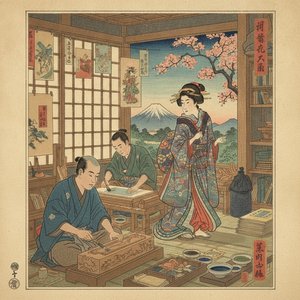
Floating World: The Captivating Art and Legacy of Japanese Ukiyo-e
Explore the profound beauty of Japanese Ukiyo-e. Discover the history, masters like Hokusai, and the enduring legacy of the 'Floating World' through an expert art-historical lens.
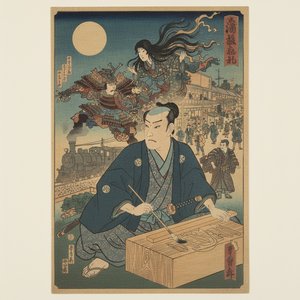
Tsukioka Yoshitoshi: A Master of Ukiyo-e's Final Flourish – Narrative, Innovation, and the Meiji Transition
Explore the life & art of Tsukioka Yoshitoshi, the last great master of ukiyo-e woodblock printing. Discover his dramatic warrior prints, innovative series like 'One Hundred Aspects of the Moon,' and legacy reflecting Japan's Meiji transition.