 プレビュー
プレビュー
 プリントを購入
 シェアする
シェアする シェアする
シェアする
 詳細を見る
詳細を見る

 ダウンロード
 似ている作品
 X線調査
X線調査 スライドショー
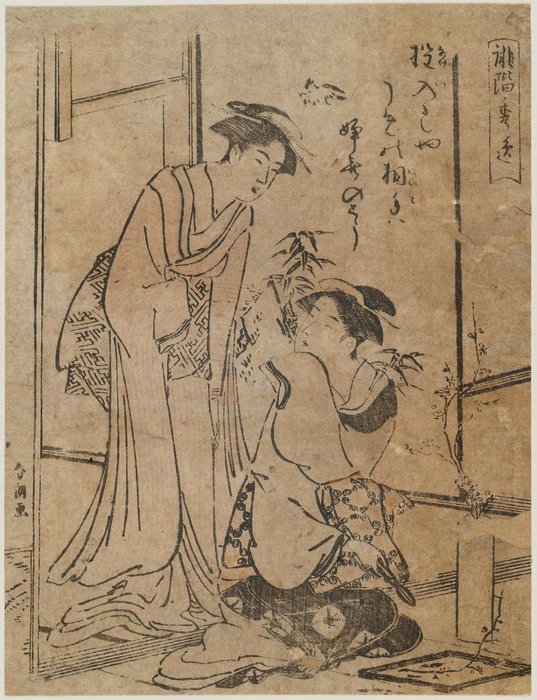
女性が花瓶に花を飾る絵

 詳細を見る
詳細を見る




P118B $10

P118H $10

P118W $10

P438Z $10

P508JH $12

P508YH $12

P805H $10

P805Z $10

P919BZ $10

P919G $10

P919XJ $10

P959ZH $10

P968JZ $12

W106C $8

W218G $10

W218JH $8

W218Y $10

W307PJ $10

W316G $10

W316PJ $8

W316Y $10

W398PJ $8

W4111J $10

W500HY $15

W500JH $15

W692G $12

W849H $8

W940BG $15

W953PJ $8




作品のオリジナル比率に合わせた、当店の規定サイズからお選びください。

特定のフレームやスペースに合わせて、ご希望のサイズをご入力いただけます。選択されたサイズが元の画像の比率と異なる場合、アートワークをトリミングするか、手描きで要素を追加して絵画を拡張いたします。デジタルモックアップ を制作し、制作開始前にご確認(承認)をいただきます。
画面上のプレビューは、実際のトリミングや拡張を正確に反映しているものではありません。最終的な構図は、モックアップによってのみ正確にご確認いただけます。
カスタムサイズもご利用いただけますが、元の比率を維持するためには、あらかじめ用意されたリストからサイズを選択することをお勧めいたします。
ご注文後、ArtsDot.com チームより詳細な指示をお送りするとともに、仕上がりイメージ(モックアップ)をご提供いたします。


 ガラスオプションは、110cm未満のサイズでのみご利用いただけます。

女性が花瓶に花を飾る絵
複製技法
複製画のサイズ
-


合計金額
$ 263
作品解説
Woman Arranging Flowers In Vase - A Reflection of Edo Elegance
The image presents a captivating watercolor painting depicting two women gracefully tending to a vase brimming with vibrant peonies—a quintessential scene from the Edo period (1603–1868), Japan’s golden age of artistic innovation. Created by Katsushika Hokusai, arguably Japan's most celebrated ukiyo-e artist, this artwork embodies the refined sensibilities and meticulous observation characteristic of his oeuvre. It transcends mere depiction; it captures a fleeting moment imbued with profound beauty and symbolic resonance.The Artist’s Vision: Hokusai and His Influence
Katsushika Hokusai (1760–1849), born Nakajima Ise, was more than just a printmaker—he was a restless explorer of artistic expression. Initially apprenticed to his father, who crafted mirrors, Hokusai swiftly ascended the ranks of Edo’s artistic community, mastering techniques honed over decades of dedicated practice. His fame skyrocketed after the publication of *Thirty-Six Views of Mount Fuji*, a monumental series that revolutionized landscape painting and cemented his legacy as a visionary artist whose influence extended far beyond Japan's borders. This particular watercolor exemplifies Hokusai’s masterful ability to distill complex emotions into simple, elegant forms—a hallmark of his distinctive style. He was instrumental in elevating ukiyo-e from portraiture focused on courtesans and actors into a broader artistic movement embracing nature and everyday life.Style and Technique: Watercolor Mastery
Unlike the bold linework prevalent in woodblock prints, this piece showcases Hokusai’s exceptional skill with watercolor pigments. The artist employs delicate washes of color to convey a sense of luminosity and atmospheric depth, capturing the subtle nuances of light filtering through the vase’s translucent glass. Precise brushstrokes delineate the contours of the women's garments and flowers, creating an impressionistic effect that prioritizes tonal variation over sharp delineation—a deliberate choice reflecting Hokusai’s fascination with capturing fleeting impressions of nature. The artist’s meticulous attention to detail speaks volumes about his dedication to achieving artistic perfection. This technique aligns perfectly with the Edo period’s aesthetic ideals, valuing subtlety and nuance above ostentation.Historical Context: Edo Period Aesthetics
The artwork is firmly rooted in the aesthetic ideals of the Edo period—a time marked by social stability and burgeoning commercial prosperity. During this era, Japanese art flourished under patronage from the Tokugawa shogunate, fostering an environment conducive to experimentation and innovation. Floral arrangements held immense significance within aristocratic circles, symbolizing purity, beauty, and auspiciousness—themes frequently explored in Edo-period paintings. The serene posture of the women and the delicate arrangement of peonies reflect a broader cultural preoccupation with harmony and contemplation. This careful consideration for context underscores Hokusai’s understanding of his audience and his desire to communicate profound artistic values.Symbolism: Peonies and Feminine Grace
Peonies (胡蝶花) hold deep symbolic meaning within Japanese culture. They represent longevity, prosperity, and beauty—attributes highly valued by Edo-period elites. Their inclusion in the vase underscores the importance of femininity and nurturing—qualities celebrated throughout Japanese art history. The woman kneeling down symbolizes humility and devotion, while her careful tending to the flowers embodies a reverence for nature’s ephemeral splendor. Hokusai's masterful composition elevates this simple scene into an emblem of refined elegance and contemplative beauty.Emotional Impact: Tranquility and Beauty
Ultimately, Woman Arranging Flowers In Vase evokes a profound sense of tranquility and aesthetic pleasure. The muted palette—dominated by soft greens and pale pinks—creates an atmosphere of serenity, inviting the viewer to immerse themselves in the scene’s understated elegance. Hokusai's ability to convey emotion through visual form is remarkable; he captures not just what he sees but also how he feels—a testament to his artistic genius and enduring influence on subsequent generations of artists. This watercolor remains a poignant reminder of Japan’s artistic heritage and its timeless appreciation for beauty in its purest form. It serves as an exquisite example of Edo-period artistry, demonstrating Hokusai's unparalleled command of color and composition.関連作品
アーティストの略歴
葛飾北斎:浮世絵を超えた、時代と世界を映した巨匠
江戸時代の美術を語る上で、葛飾北斎(1760年~1849年)の名は欠かせない。その代表作『神奈川沖浪裏』は、今や日本を象徴するアイコンとして世界中で愛され、多くの人々に感動を与え続けている。しかし、北斎の芸術的探求は、単なる浮世絵師という枠を超えた、時代と世界との対話の軌跡であり、その生涯と作品群を深く理解することで、日本の美術史における彼の真価が明らかになるだろう。幼少期から絵を描く才能を発揮し、12歳で父の後を継ぎ、その後、浮世絵師勝川春洲の門下に入り、版画技術や役者絵などの基礎を学んだ北斎は、伝統的な浮世絵の世界に留まることなく、常に新しい表現方法を模索し続けた。変革と探求:多様な才能が開花する
春洲の弟子時代を経て、北斎は独自の道を歩み始める。役者絵から風景画へと主題を変え、大胆な構図や斬新な色彩感覚で、従来の浮世絵の枠を超えた作品を生み出した。特に注目すべきは、『富嶽三十六景』である。富士山を様々な角度から捉え、季節や時間帯の変化を描き出すこのシリーズは、北斎の風景画における卓越した技術と、自然に対する深い愛情を示すとともに、当時の旅行ブームに乗った作品群でもあった。また、『北斎漫画』は、人物、動物、風景など、多岐にわたるモチーフをスケッチブック形式で収録したものであり、その自由な発想と卓越した観察眼がうかがえる。この作品群は、後の漫画文化の源流とも言える存在であり、北斎の芸術的影響力の広がりを示す好例である。西洋絵画との邂逅:新たな表現への挑戦
北斎の芸術に大きな転換をもたらしたのは、オランダ絵画などの西洋美術との出会いだった。漂流物の持ち込みによって日本に入ってきたこれらの作品は、北斎に遠近法や陰影表現といった新しい技法を学ばせ、彼の作品に革新的な変化をもたらした。特に遠近法の導入は、浮世絵の構図に大きな影響を与え、奥行きのある風景描写を可能にした。また、西洋の色彩感覚も北斎の作品に取り入れられ、より鮮やかで豊かな色彩表現が実現された。これらの要素が融合することで、北斎の作品は、日本の伝統美と西洋の革新性が融合した、独創的な芸術へと昇華していったのである。後世への遺産:世界に影響を与えた巨匠
北斎の作品は、単なる美術作品としてだけでなく、文化的な交流の象徴としても重要な意味を持つ。19世紀後半になると、日本の美術品が欧米で人気を博し、「ジャポニスム」と呼ばれる現象が起こった。モネやドガといった印象派の画家たちは、北斎の作品から構図や色彩感覚、装飾性などを学び、自身の作品に取り入れ、その影響は絵画だけでなく、版画、デザインなど、様々な分野に及んだ。北斎の芸術は、東西文化の架け橋となり、世界中の人々に感動とインスピレーションを与え続けている。晩年は、90歳を超えるまで精力的に制作活動を続け、「老若中外無有乎(どんな年齢の人にも、あらゆる国の人にも、誰もが持っているもの)」という言葉に象徴されるように、北斎の芸術は、時代を超えて人々の心に深く刻まれ、今なおその輝きを失っていない。北斎の足跡:生涯と作品から読み解く
- 主な影響を受けた画家: 勝川春洲, 中国の山水画
- 代表作: 『富嶽三十六景』、『神奈川沖浪裏』、『北斎漫画』
- 晩年の言葉: 「老若中外無有乎」
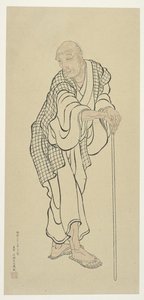
葛飾北斎 (Katsushika Hokusai)
1760 - 1849 , 日本
基本情報
- フルネーム: 葛飾北斎
- 主な作品:
- 富嶽三十六景
- 神奈川沖浪裏
- 北斎漫画
- 出身地: 日本、東京都
- 国籍: 日本
- 影響を与えたアーティスト:
- 印象派
- ゴッホ
- 影響を受けたアーティスト: ['中国の山水画']
- 没年月日: 1849年5月10日
- 生年月日: 1760年10月31日
- 芸術運動またはスタイル: 浮世絵
関連記事

葛飾北斎:25の傑作が語る浮世絵の世界 - ArtsDot
葛飾北斎の25選:『神奈川沖浪裏』や『富嶽三十六景』など、浮世絵の世界を深く探求。木版画の技法と日本美術の美をArtsDotで。高品質なアートプリントで空間に感動を。コレクションはこちら。
Ukiyo-e: Exploring Japan's Floating World & Enduring Artistic Legacy
Explore the captivating world of Ukiyo-e – Japan's iconic woodblock prints! Discover masters like Hokusai & Hiroshige, learn about Edo period culture, and find expert art collecting guidance at ArtsDot.
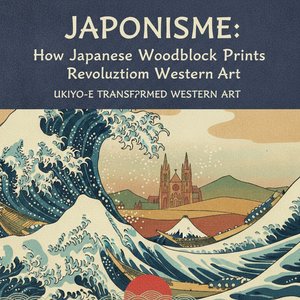
Japonisme: How Japanese Woodblock Prints Revolutionized Western Art
Explore the profound impact of Japonisme on Western art. Discover how Japanese ukiyo-e woodblock prints revolutionized perspective, color, and composition for masters like Monet and Van Gogh, forever changing the course of modern art history.
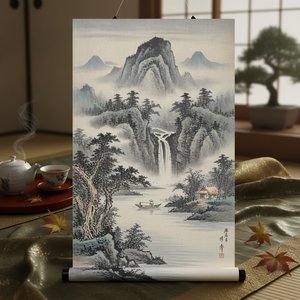
Serenity on Canvas: A Guide to the Timeless Beauty of Japanese Landscape Painting
Discover the serene beauty of Japanese landscape painting. From Hokusai's iconic woodblock prints to meditative sumi-e ink washes, explore a visual journey through the 'floating world' and learn how to bring this timeless Zen aesthetic into your modern home decor.
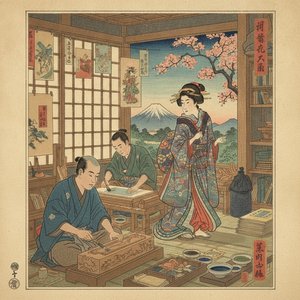
Floating World: The Captivating Art and Legacy of Japanese Ukiyo-e
Explore the profound beauty of Japanese Ukiyo-e. Discover the history, masters like Hokusai, and the enduring legacy of the 'Floating World' through an expert art-historical lens.